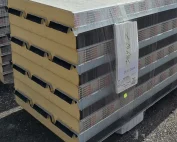
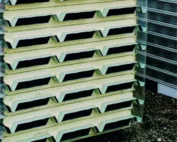
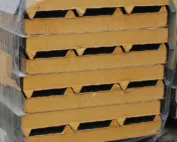
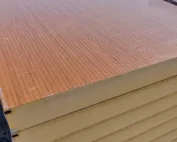
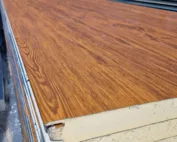
PIR insulation
Moisture after renovation: planning the next finishing stages
At a glance
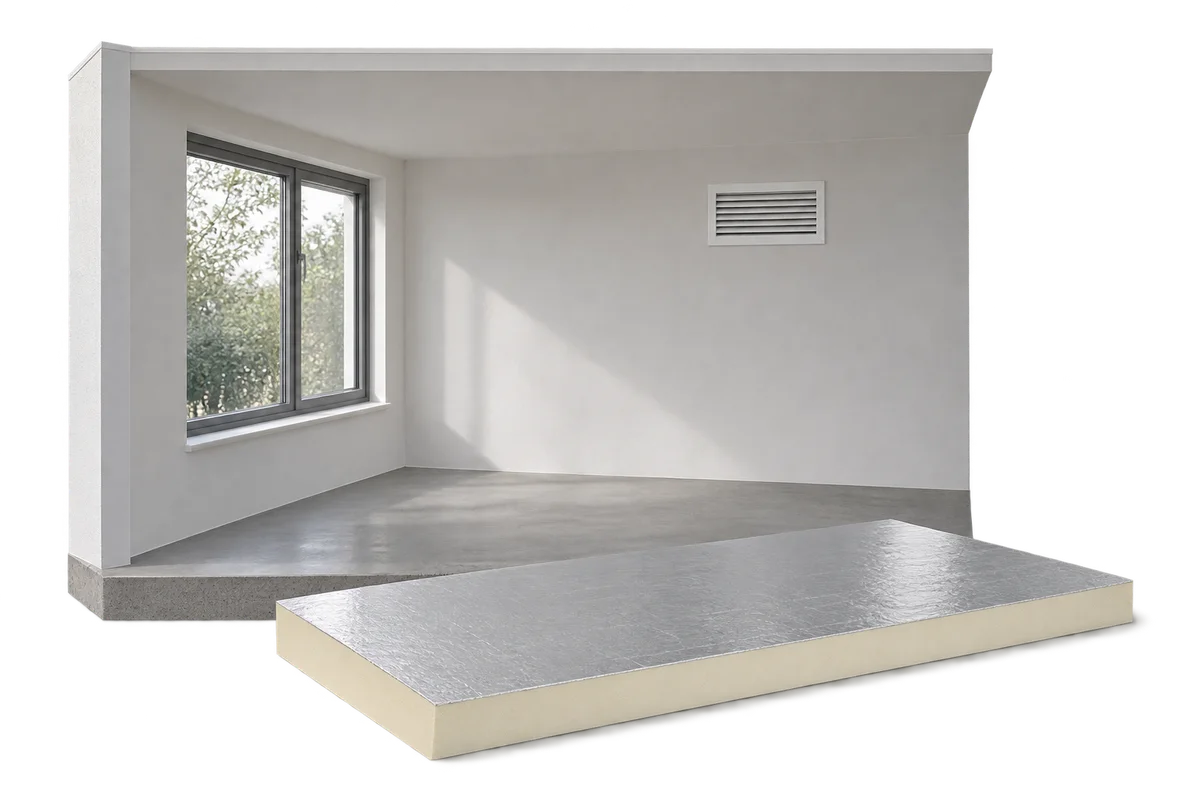
After renovation, moisture may come from wet construction processes, but not every mark should automatically be treated as normal drying. Before adding further layers, establish the requirements of the actual substrate and finishing material. This guide helps organise the schedule, records and responsibilities between trades. It covers preparation for checking, recording conditions and deciding when the next stage can begin. It provides neither a universal drying time nor one moisture limit for every material. The same approach applies where PIR insulation is planned: installation must follow the agreed solution. A board delivery date or contractor booking does not demonstrate that the substrate is ready.
Create a work chronology
Record when plaster, screed and other wet work were completed. Assign them to rooms, since different parts of the home may be at different stages.
Also record interruptions and events that may have changed conditions. Do not alter the original completion date to fit a later schedule.
Collect material requirements
Find current instructions for the product used in the next layer. Check the specified preparation and substrate verification rather than relying on a similar material’s instructions.
If two documents give differing requirements, clarify their applicability with the responsible contractor or system supplier. Do not simply choose the value allowing earlier installation.
Agree working conditions
Agree who manages the specified heating, ventilation or drying during the waiting period. Equipment operation must follow the agreed plan and its instructions.
Do not change settings left by the contractor without agreement. If required conditions were not maintained, record this and disclose it before the next check.
Arrange substrate checks
Agree an appropriate checking method and who will interpret the result. An arbitrary room meter does not establish moisture within the substrate.
The record should identify the checking location and date. Include the room identifier and the next operation for which the assessment was made.
Separate dates from readiness
The end of a scheduled waiting period does not replace required checks. If the substrate is not cleared, agree a new date rather than concealing the delay beneath another layer.
Report a recurring mark or new localised damp for investigation. Do not automatically attribute it to the earlier wet work without assessing whether the cause is the same.
Brief the following trade
At room handover, provide the applicable instructions, checking results and restrictions on further work. The next trade needs the current status, not just the original finish date.
Keep a record of who decided to proceed and on what basis. This clarifies responsibilities but does not replace correct installation of subsequent layers.
7 branches. Materials closer to your project.