Metal roofing
Replacing a grandstand roof in stages: coordinating work and sheet deliveries
At a glance
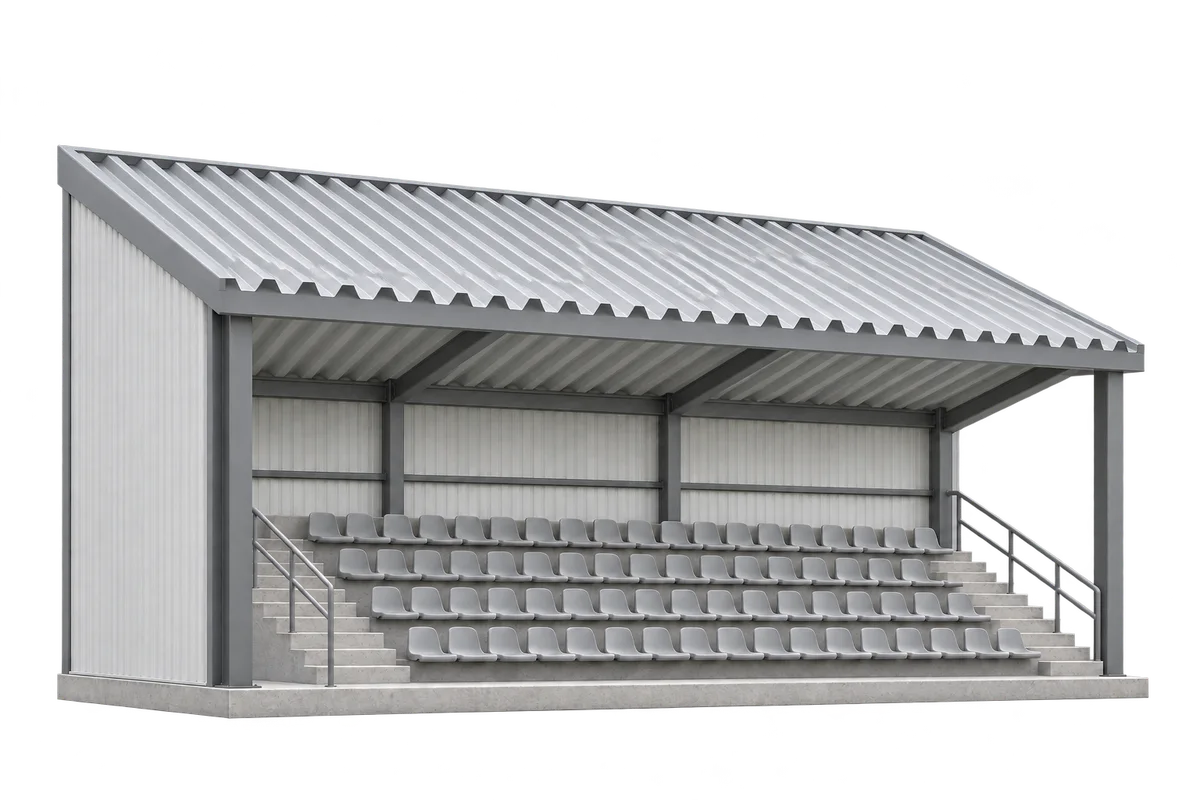
Replacing the sheeting on a grandstand canopy means coordinating the construction sequence with access to the venue. Dividing the work into sections can help schedule deliveries, but stage boundaries also depend on the structure and the proposed temporary roof closure. A boundary between seating blocks is not necessarily a suitable stopping point for roofing work. Prepare the staging plan first, then allocate sheet bundles and flashings to it. This guide sets out a way to organise decisions, handover points and programme changes. It is intended for discussions with the designer, contractor and venue operator, especially where training sessions or events affect the available working periods.
Record fixed dates and closure periods
Ask the operator for the event calendar, delivery windows and spectator access plan. Show both the working period and the full closure period for each section in one schedule. Treat a revised event programme as a change to the work arrangements, rather than an automatic reason to reduce protective measures.
Define workable stage boundaries
Give the contractor a roof drawing showing supports, laps and drainage direction. Ask for the proposed end of each stage and the arrangement where retained and replacement sections meet. Refer any effect on structurally significant components to the designer for resolution.
Use the same plan to distinguish work areas, material routes and any parts intended to remain in use. Keeping an adjoining stand open must follow the agreed site arrangements. Splitting the order into smaller bundles does not itself establish that the remaining seating can stay accessible.
Allocate materials to the work sequence
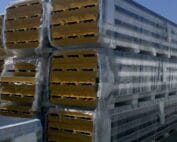
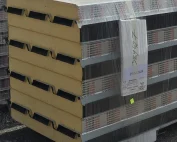
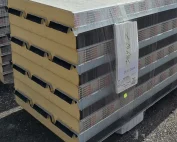
Prepare a separate list for stage A, including sheets, flashings and the materials needed to close that section. Check that an item required at the end of the day has not been allocated to a later delivery. An overall delivery date can be correct while the bundle sequence remains unsuitable for the work.
Agree stage-based bundle labels and delivery reception points. If the sequence changes, issue a revised list to the supplier instead of adding verbal exceptions to the old one. Storage locations on the structure and their permitted loading need to be checked as part of the work planning and design.
Include a review after the roof is opened
Include a review of components exposed by removal of the old covering. Some supports or connections may have been inaccessible during the initial survey. Establish who will assess newly revealed discrepancies and who is responsible for deciding whether that stage can continue.
Log an exposed defect with its location, photograph and the decision needed before work proceeds. Once a solution is approved, update the programme and material requirements. This ties a delay to a specific unresolved item instead of burying it in a general note about site conditions.
Agree an end-of-day handover
Before starting a stage, agree the condition in which the roof must be left when work stops. Cover temporary closure, drainage and the securing of remaining materials. The people responsible for design and execution must select the arrangement; a favourable weather forecast does not replace that decision.
Finish the daily record with photographs of the stage boundary, completed tasks and outstanding items. Tell the operator which areas remain closed. If the crew changes, give the incoming team that record together with the current drawings.
Release the next section deliberately
Tie the start of stage B to agreed conditions, such as material availability, required inspections and preparation of the working area. Mark activities that may run in parallel. Make these dependencies visible before booking the next delivery slot.
When the covering is complete, combine the stage records into one handover package. Confirm that temporary arrangements have been resolved as designed and that any remaining work is clearly listed. Reopening the seating area should follow the appropriate inspection and the decision of those responsible for the venue.
7 branches. Materials closer to your project.