Steel profiles and structures
Sigma sections in steel buildings: what does the shaped web do?
In brief
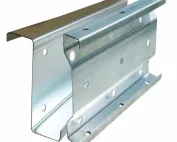
The sigma profile is characterised by additional bends in the web. These give thin sheet steel a different arrangement of stiffeners than a simple channel section. Such cold-formed profiles are used in hall structures, among other things as roof-supporting elements. However, the benefit depends on the selection of the entire cross-section and its support. A more complex shape alone does not guarantee greater load-bearing capacity in every application. The sigma family includes various heights, flange widths and sheet thicknesses. The proportions of the bends and edge stiffeners also vary. Two profiles described by the same general name can have different properties. The drawing and catalogue symbol are therefore more important than the trade name alone.
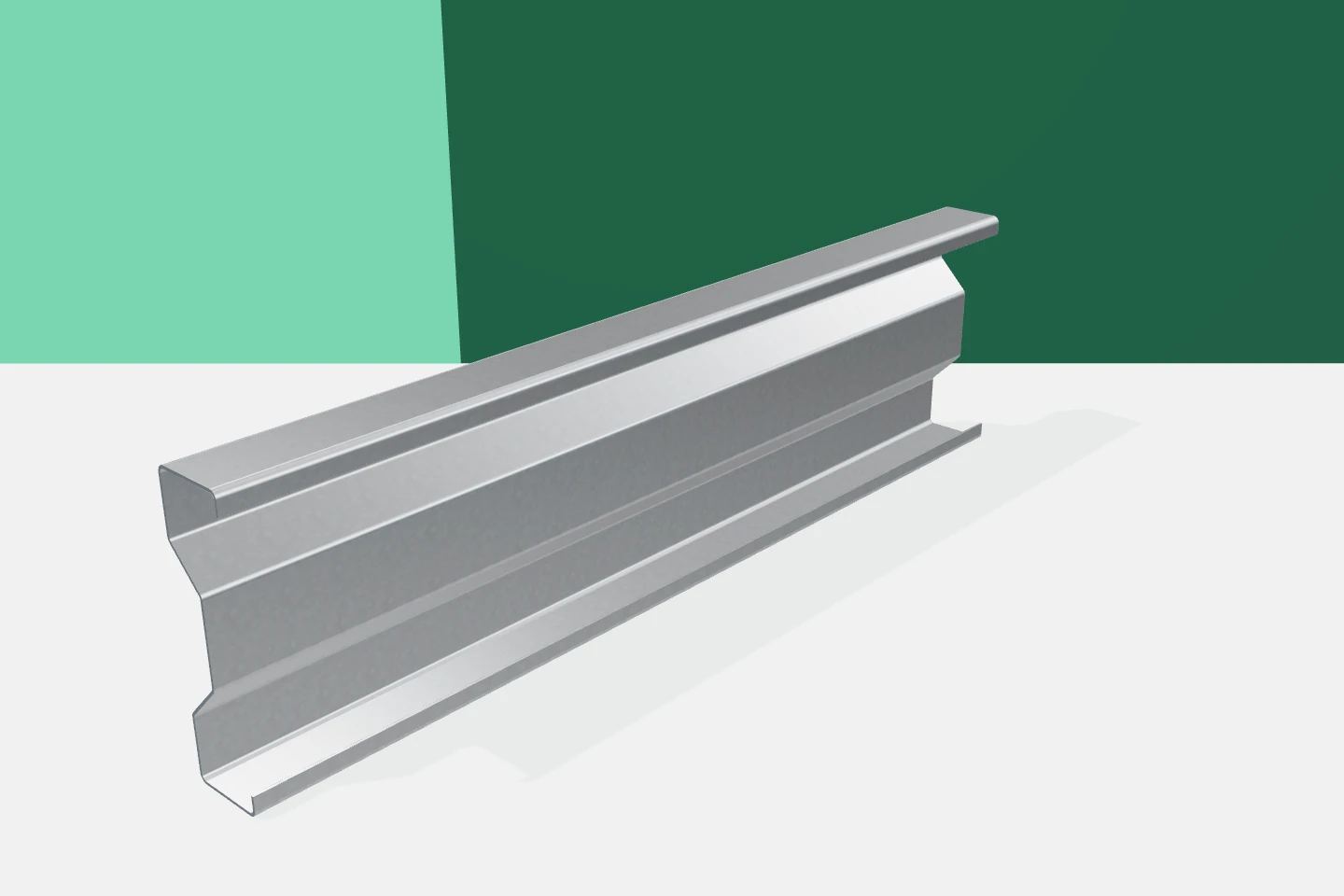
The cross-section matters more than the name
When comparing, it must be established whether the dimensions refer to external surfaces or to another adopted dimension line. The bend radii are also important. An order based solely on height can lead to delivery of an element that does not fit the designed connection.
Why stiffen the web?
Thin profile walls can locally lose stability under stress. The bends divide the flat sheet segments and change their behaviour. This allows the cross-section to be shaped according to the anticipated performance. Appropriately designed edge lips perform a similar stiffening role.
This does not mean calculations can be omitted. Load-bearing capacity, stability and deflections must be checked. Gross cross-section parameters from the catalogue are not in themselves an answer to the question of permissible load. In thin-walled cold-formed profiles, the way the individual parts of the cross-section are utilised matters.
Sigma as roof support
On the roof, the profile transfers loads from the envelope to the frames or other main supports. Span, purlin spacing and the position of joints matter. The designer must allow for weight, snow, wind and other anticipated actions. Any change to the arrangement can affect the selection result.
The roof panel should have support in accordance with its own documentation. The width and position of the flange must allow correct fixing. A good sigma profile will not fix an incorrectly planned envelope. Both parts of the solution should be checked together.
The connection does not have to look like a Z-profile
Z-sections can work in certain overlapping arrangements. For sigma sections, solutions with separate cover plates or other connecting elements are also used. Their geometry and hole pattern follow from the system documentation. You should not copy a Z-detail just because both elements serve as purlins.
When ordering, you need the complete set of connection parts. This includes the actual fasteners, supports and any bracing. The cost of the profile metres alone does not show the full value of such an arrangement. A missing small element can stop installation just as effectively as a missing long beam.

Load direction affects stabilisation
Under snow and wind suction, the profile may work under different conditions. The stress distribution changes, as does the importance of support for the compressed parts. Hence the need to check more than one load case. An assessment for downward force alone is insufficient.
The design must also specify whether and how the cladding stabilises the purlin. This cannot be assumed merely from the presence of a sandwich panel. Suitable properties and connections are required. Additional temporary stabilisation may be needed before the cladding is installed.
Don’t treat holes as places for arbitrary adjustment
The sigma web has a specific geometry, and the holes must be arranged in accordance with the design. Random drilling through the bends or cutting out pieces of sheet metal can undermine the assumptions behind the selection. The areas around supports and points where forces are introduced are particularly important.
If an installation conflicts with the profile, the right step is to check the change. An alternative route or suitably designed fixing can be considered. Drilling a hole without a design decision is not a saving. It makes it harder to confirm that the finished element matches the documentation.
Coating and delivery selection
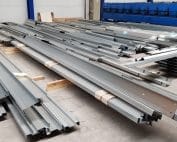
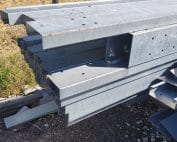
Galvanised sigma profiles are often supplied as ready-made cut lengths with holes. The specification must establish the steel grade and the type of coating. For a damp interior or aggressive atmosphere, the requirements may differ from those for a dry warehouse. The general word “galvanised” does not describe the entire protection.
At acceptance, it is worth inspecting the bends and edges. Local crushing affects geometry that has structural significance. Damage should not be hidden under the panels. Assessment before installation allows a decision to be made on repair or replacement of the element.
When to consider a different shape?
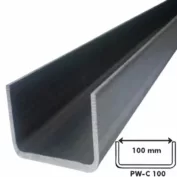
C-sections, Z-sections, sigma and omega form a broad group of solutions. There is no single section that is best for all hall details. Sometimes the choice is determined by the connection, sometimes by the support width, and sometimes by the result of the calculation for the whole arrangement.
The comparison only makes sense under the same loads and service conditions. That is when you can assess weight, the cost of fasteners and the labour involved in installation. Cold-formed sigma profiles are worth choosing where their properties help achieve an efficient and documented solution.
7 branches. Materials closer to your project.