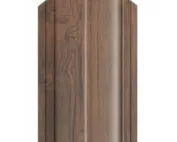
Fence pickets and metal fences
Metal picket fencing among plants: planning the boundary beside flower beds
In brief
Sheet-metal fence pickets can be a calm backdrop for plants. A dark or brown infill organises the garden boundary, while the gaps preserve a sense of contact with the surroundings. Greenery should not, however, completely cover areas that need to be inspected. Coated sheet metal requires conditions in line with the material’s instructions. Constant contact with soil, wet mulch or aggressive substances does not become safe simply because the fence has a coloured coating. A small seedling does not show how much space an adult shrub will take up. When planning the fence, it is worth allowing for its future width and for the possibility of pruning. Metal fence pickets should remain accessible for inspection and cleaning. If greenery completely fills the space around the rails, minor damage may go unnoticed for a long time. Access is also needed when an element has to be replaced.
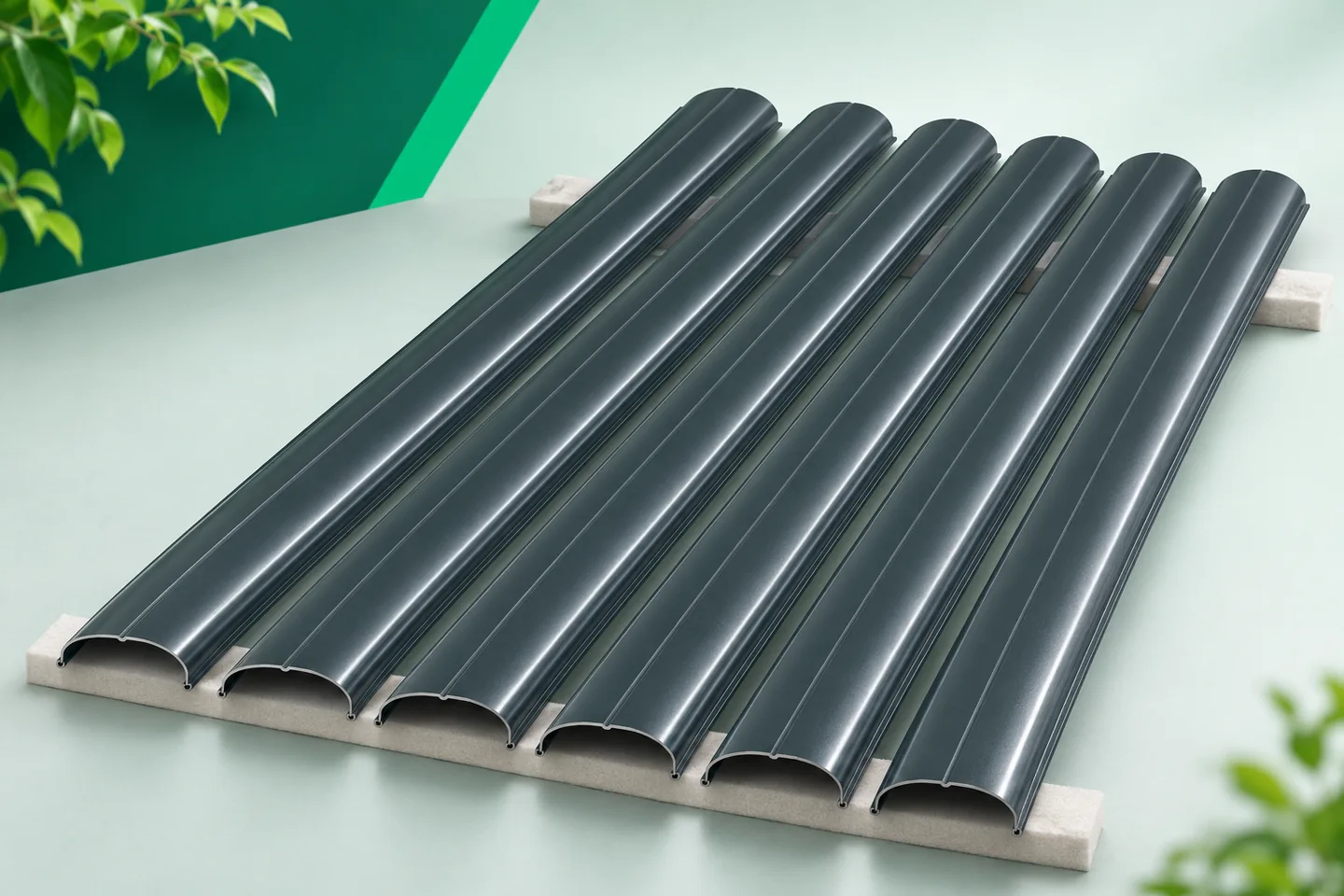
Plan plants at their target size
There is no single planting distance that suits every plant and every fence. The species, the training method and the intended span structure all need to be taken into account. The principle itself matters: vegetation should not make it harder to maintain the material. With a narrow bed, it is worth choosing a solution that can be cared for without constantly resting tools against the coated steel sheet.
Separate the lower edge from soil and mulch
When a bed is created, the ground level often rises. Compost, bark or decorative gravel are added. It is easy then to bury the clearance allowed for during fence installation. Metal fence pickets should not be submerged in this layer. Their position must be checked after the final landscaping. The appearance of the bottom line matters, but the conditions of contact with the ground matter more.
With a low wall, pay attention to places where leaves collect. Debris can hide the lower ends of the pickets and hinder water drainage from the surroundings. It is worth removing it during ordinary garden work. Aggressive scrubbing of the coating is not needed for this. The cleaning method should match the recommendations for the specific material, even for seemingly minor soiling.
Set up watering with the fence in mind
A sprinkler aimed constantly at metal fence pickets can cause frequent wetting and deposition of impurities from the water. It is worth checking its range after starting the system. The purpose of watering is the plants, not the fence. Adjusting the setting is often simpler than later removing deposits from the entire surface. This applies especially to the lower sections and places hidden by dense greenery.
Fertilisers and garden preparations must be applied so that they do not settle on the steel sheet infill. Not every product that is harmless to plants is safe for a given coating. In case of accidental soiling, follow the material instructions. It is not worth choosing the washing method by trial with successive strong agents. The risk of damage may then increase.

Do not treat fence pickets as any ordinary support
Climbing plants, planters and decorations can look attractive on a fence. However, their weight and method of attachment require assessment. An ordinary picket made of thin steel sheet is not a universal load-bearing element. Do not drill additional holes in it or hang heavy objects without checking. This also applies to the structure of the entire span and its connections.
Dense vegetation can change the degree of screening provided by the fence. The structure should be assessed for the actual way it is used, not only for the empty pickets from the catalogue. If a support for climbers is needed, it is worth providing a solution intended for that function. This allows access to the steel sheet to be maintained and avoids accidental loading of the coating and fixings.
Match the colour to a changing garden
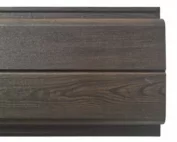
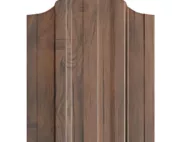
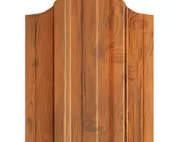
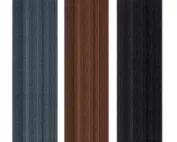
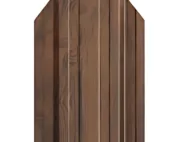
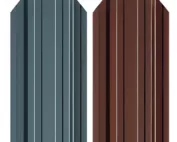
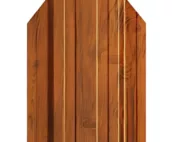
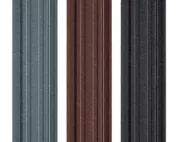
Plants look different at different times of the year. In summer the fence may be almost hidden, while in winter it becomes a clear backdrop. It is worth assessing a colour sample without a permanent cover of leaves. A uniform dark surface, brown and a wood-effect finish each give a different effect. Texture and gloss also matter, as they change how visible the profiling is.
Sheet-metal pickets with a coloured finish on both sides can be useful for a garden viewed from many directions. This does not, however, mean that the crossbars are hidden or that the front and back look identical. Look at a sample of a full bay if possible. Pay attention to the gaps. Plants behind the fence create a changing backdrop through them, which affects how the whole arrangement is perceived.
Include fence inspection in seasonal tasks
When pruning plants, check the fixings, the lower edges and the points of contact with branches. Remove fallen leaves and other deposits in accordance with the instructions. Do not rest tools on the pickets and do not slide pots along them. Simple rules limit mechanical damage to the finished coating. If a scratch appears, the repair method must be matched to the product, not to whatever paint happens to be at hand.
A fence made of coated sheet metal does not require the care typical of wooden boards. It still needs ordinary attention to cleanliness and the condition of the surface. Well-planned metal pickets harmonise with greenery through colour and rhythm. Plants complement their appearance, and access and proper conditions around the metal help preserve the aesthetic effect for seasons to come.
7 branches. Materials closer to your project.