Polystyrene and thermal insulation
Identifying damp insulation before roof refurbishment
At a glance
Dampness beneath the roof covering cannot be reliably assessed by simply walking over the roof. A stain on the ceiling, a blister in the roofing felt and a camera image indicate places to check, but they do not always show the extent of the problem. Before renovation, an assessment of the layers and the source of the water is needed. Only then can you decide what to dry out, leave in place or replace. The most obvious cause is a leak through damaged covering. Water can get in at outlets, flashings, membrane joints and service penetrations. However, it does not have to flow vertically above the visible stain. It can migrate through the layers and only then find a path to the interior.
Where can water get into the flat roof?
The place where it drips therefore does not always indicate the location of the leak.
Moisture can also originate from a wet substrate enclosed during construction or from vapour entering from the rooms. A leaky connection at the duct can carry moist air into the cool part of the roof. Repairing the roofing felt alone will not eliminate such a cause. It is worth establishing when the symptoms appear: after rainfall, during thaw periods or during the building’s heating season.
What can be established during a visual inspection?
The inspection covers the covering, its joints, the flashings and the drainage. Water ponding, mechanical damage and changes at the installations are checked. A history of repairs and user reports is helpful. Photographs taken after rain can show areas that dry quickly and places where water remains longer. However, they do not replace examinations inside the system.
A blister or unevenness does not on its own prove that the EPS is wet. A similar symptom can have several causes. Likewise, the absence of visible damage does not prove that all layers are dry. The inspection serves to plan further checks. A conclusion about the condition of the roof should be based on several consistent indications, not on a single photograph or a feeling underfoot.
What role do measurements and thermal imaging play?
Measurements can help to identify areas with different properties and to create a map of potential moisture. The choice of method depends on the materials and the construction. The device’s result must be interpreted taking into account metal layers, the type of covering and the measurement conditions. A single moisture meter scale is not automatically valid for all materials on the roof.
Thermal imaging shows the surface temperature distribution. The image is influenced by, among other things, sunlight, wind and the time since the temperature change. A difference on the thermogram is not a direct reading of the water content in EPS. It can indicate a place to verify by another method. The survey should have appropriate conditions and a description that separates the observation from the supposition about its cause.
Why are test openings carried out?
A controlled exploratory opening allows the actual build-up, the condition of the insulation and the presence of water between the layers to be checked. It can also provide samples for appropriate testing. Its location is chosen so as to verify the identified zones. A single sample from a dry corner does not describe a large roof area with several outlets and a history of various repairs.
Opening the roof requires preparation for the repair and protection against the weather. The cut covering should not be left without proper sealing. In the documentation it is worth recording the location, thicknesses and condition of the individual layers. Photographs must be linked to the roof area plan. This means the renovation designer knows which section the findings relate to and can define the limits of replacement.
Why should wet insulation not simply be covered over?
Water in the assembly can impair its thermal performance and affect other materials. Both the condition of the EPS itself and the water under the boards, in the gaps or in the substrate layer are important. It is not enough to establish that the board looks dry on top. A new tight covering can restrict the drying possibilities of an enclosed building component.
The approach depends on the extent of the problem. It may involve local replacement, more extensive dismantling or designed drying. Fitting a few vents alone does not prove that all damp zones will dry out. Such a solution requires an assessment of the moisture flow path and the function of the layers. Before covering up, acceptance criteria must be defined and the removal of the moisture source verified.
How do you turn a diagnosis into a renovation plan?
The report should specify the identified build-up, the location of the defects, the scope of the testing and its limitations. A division into zones to be retained and zones to be replaced is useful. The repair of causes, not only of effects, must also be described. If the extent of the moisture remains uncertain, this question must be resolved before purchasing new thermal insulation and making the final choice of covering.
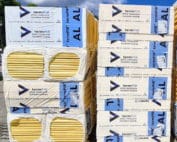
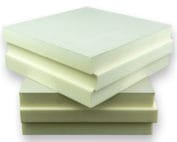
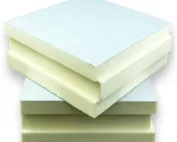
EPS is produced by companies including Swisspor, Paneltech, Neotherm and Arsanit. Replacing damp sections requires matching the boards to the target roof, not merely to the thickness of the old material. Diagnostic documentation helps to limit unnecessary dismantling, but it also protects against covering up damage. The most important result of the survey is a specific decision for each identified zone.
7 branches. Materials closer to your project.