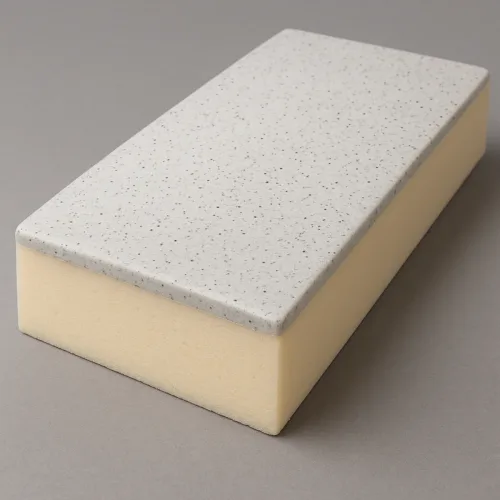
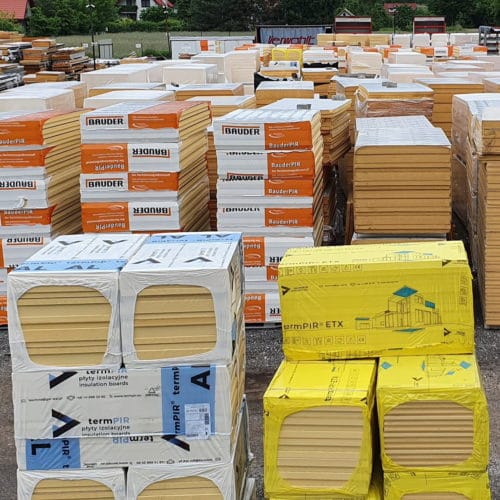
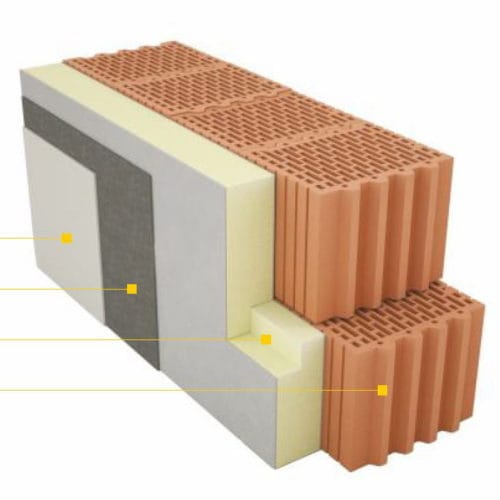
PIR MIX — second-grade insulation board in two formats
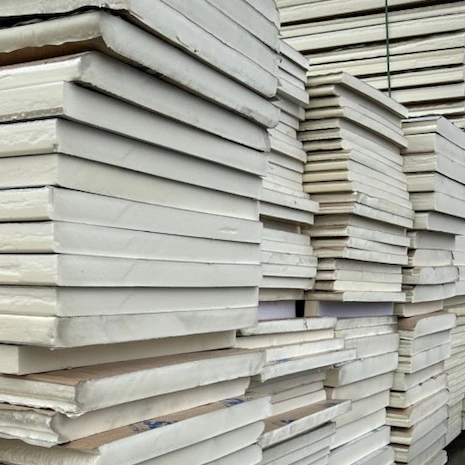
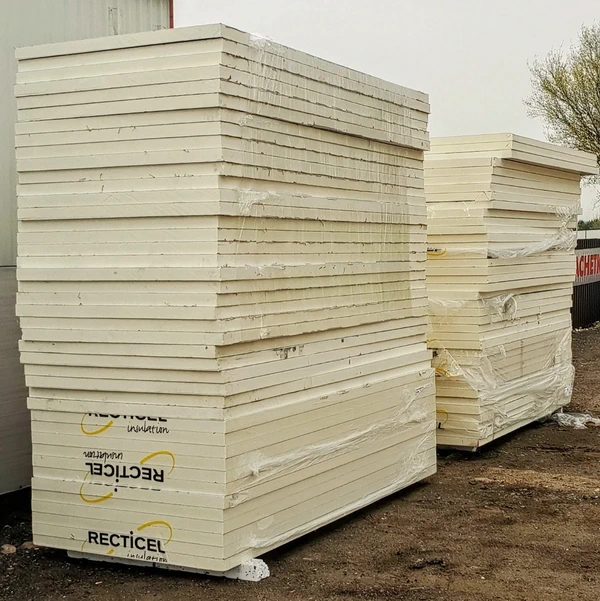
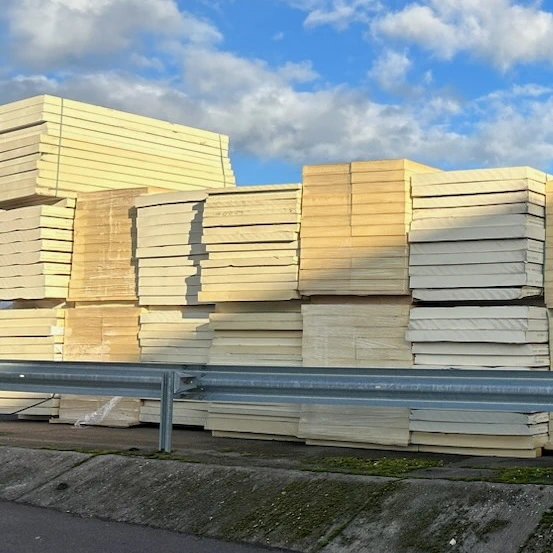
PIR MIX is a second-grade insulation board available in two formats, whose suitability for a given project depends on the condition of the actual batch, its labelling and the manufacturer’s declaration. When planning, it is worth separating substrate priming from the application of the coating, as the two stages have different requirements and affect the final result in different ways.
Two formats and the layout of offcuts
For a strip of constant width, two board formats make it possible to plan the offcuts so as to reduce waste and match the layout to the actual dimensions of the partition. The layout of offcuts should be established before priming begins, because the sequence of cuts affects how the work is carried out.
The usable area should be calculated after cutting, since local voids in the core and deviations from flatness may reduce the area actually suitable for installation. The price and unit of sale relate to area, so material planning should account for losses arising when fitting to the strip.
For a strip ending in a short section, note the length of the last piece. Check whether it can be cut from a board left over from the preceding strip.
From cut lines to an order list
Count whole boards separately for each format. The two lists help establish whether the delivery covers the planned strips even when the nominal total area looks sufficient.
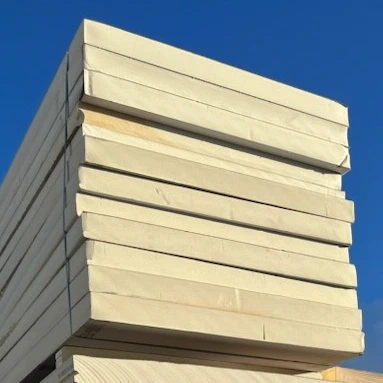
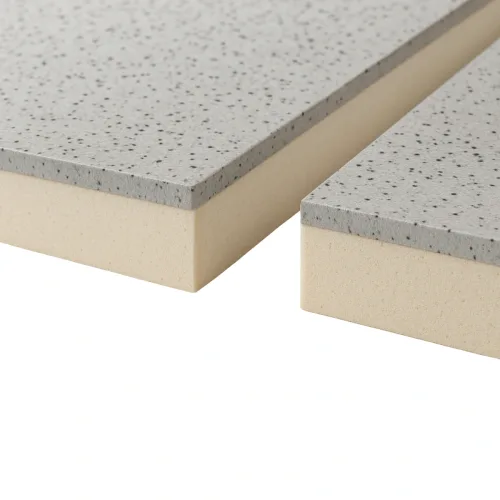
Straight edges make fitting within a strip of constant width easier, but they do not replace checking flatness and core continuity before installation. Boards with visible defects are better reserved for less demanding sections of the partition.
Before cutting, compare the plan with the dimensions and condition of the delivered boards. Change the cutting sequence if a local void falls within a piece you need.