Profiles and steel structures
Cold-formed steel connections: what cladding installers need to know
In brief
A hall contains various types of connections. Some connect the purlin to the frame, others join two sections of profile, and others fix the panels to the supports. Each has a specific function and its own requirements. Replacing one fastener with a similar element can change the behaviour of the entire detail. Cold-formed profiles offer great prefabrication potential, but the benefits only appear when the connections are described as precisely as the sections themselves. A bolt in a purlin node does not perform the same function as a screw passing through a sandwich panel. They differ in the type of loads, the method of fixing and the service conditions. They must not be selected together solely on the basis of the visible sheet thickness. Every detail requires proper documentation.
Separate structural connections from cladding connections
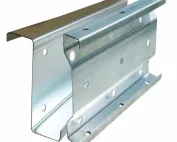
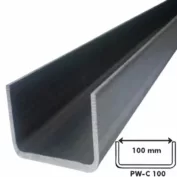
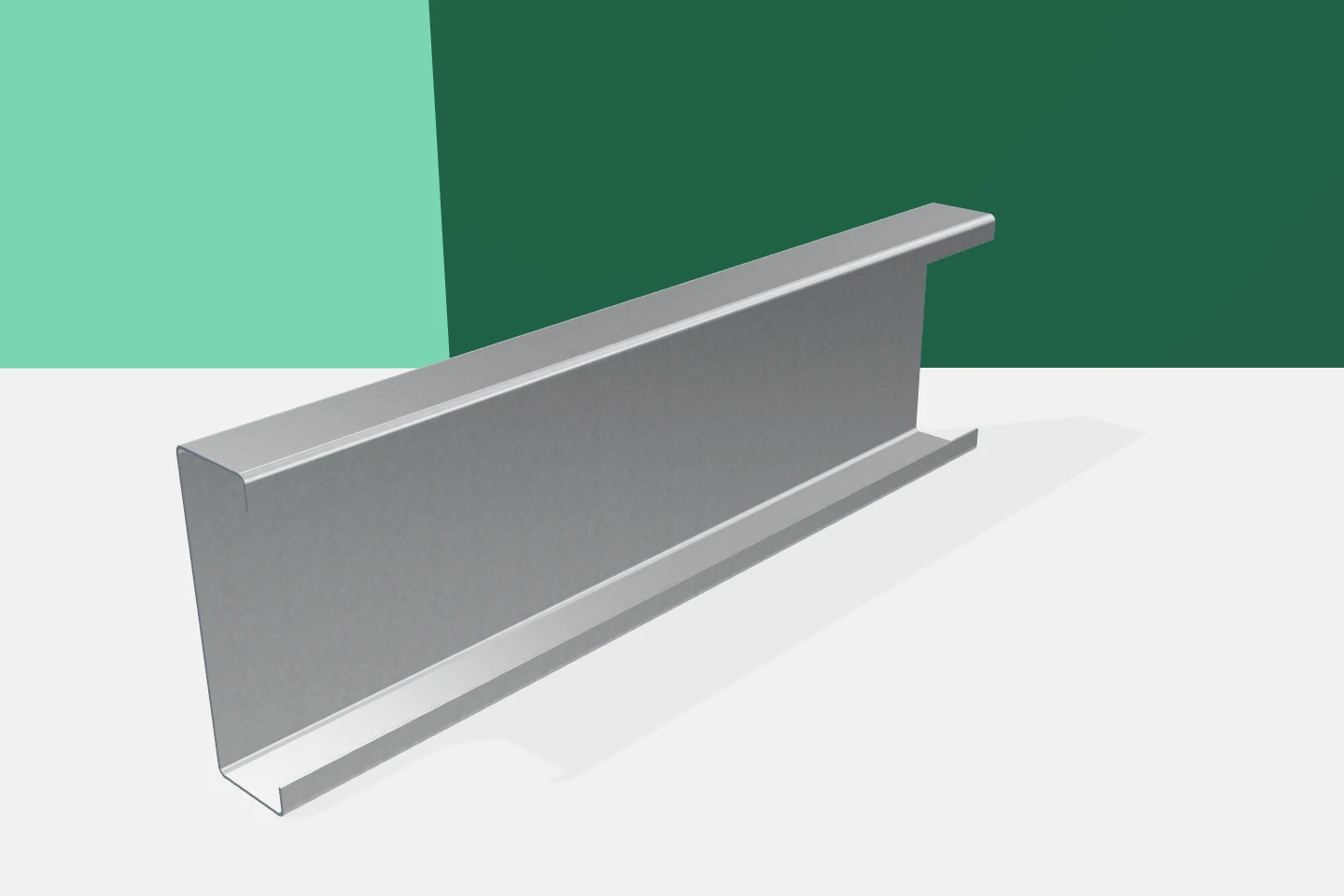
Z-sections, C-sections and sigma profiles may work with various supporting elements. Omegas in grids also have their own fixing arrangement. In the schedule it is worth assigning the type of connector to the specific node. This limits mistakes when issuing materials to the crew.
The hole is part of the design
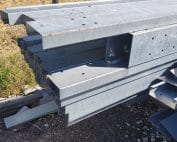
The position of the holes affects the possibility of installation and the behaviour of the connection. The distances from the profile ends, edges and adjacent holes matter. Their shape is also important. A round hole should not be replaced with an elongated one without agreement.
Factory hole punching improves repeatability when a correct drawing has been prepared. The dimensional datum and the orientation of the element must be indicated. Measuring from the wrong end can produce a seemingly correct series that cannot be installed. A trial check of the first elements allows such an error to be caught.
What to do when parts do not fit
First, the profile markings should be compared with the plan. Then their direction and the position of the main supports should be checked. The cause may be mixed-up sides or versions of the documentation. It is worth establishing the problem before starting any processing.
Drilling out or cutting out a section of the web may make later assessment of the connection more difficult. Likewise, bending the flanges should not replace a correct detail. If a change is needed, the designer should assess its impact. Recording such a decision facilitates inspection and clarifies responsibility for the execution.
Substrate thickness matters for the screw
When fixing panels, the actual thickness of the component in which the screw works matters. The fastener must be intended for the appropriate substrate and installation conditions. Its length should account for the arrangement of the fixed panel and the required embedment. The fact that the screw penetrates the flange alone does not confirm a correct connection.
The washer and the way the seal is pressed also matter. The screw must be installed according to the instructions specific to the cladding. Overtightening is not a way to increase load-bearing capacity. It can, however, damage the components responsible for sealing or the panel surface.

There is no single tightening torque for everything
Installation requirements depend on the type of connection and the fasteners used. Parameters for one joint do not necessarily suit another. The crew should receive appropriate instructions rather than relying solely on the operator’s feel. This applies especially to repetitive work performed with power tools.
Inspection must be adapted to the project. Not every bolted assembly is a preloaded connection, and not every screw is installed the same way. Any doubts should be clarified before starting the series. Replacing many fasteners later is far less convenient than setting up the process correctly.
Installation conditions differ from the final conditions
After the profiles are set, the structure may not yet have all its bracing and supports. The joints then work in a different configuration than after the hall is closed. The sequence of work should account for this stage. It cannot be assumed that panels installed the next day will solve today’s stability problem.
Galvanised profiles should not be accidentally loaded with packs of cladding or installations. Locations for depositing materials require agreement. This also applies to short-term loads. The fact that they act for a few minutes does not make them irrelevant for a thin-walled component.
Coating and cleanliness around the connection
Surface damage should be limited during work. Metal filings must be removed from flanges and connection zones. After carrying out permitted modifications, the condition of the coating and any need for repair should be assessed. The procedure should comply with the material documentation.
Fasteners must also be suitable in terms of corrosion protection. It is not enough that the profile is galvanised. The connection works as a whole and is often located where moisture accumulates. The right detail helps avoid problems that greater sheet thickness alone will not solve.
The connection should be inspectable
It is worth inspecting connections before they are covered by panels and flashings. Completeness, conformity of components and visible damage are checked. Change documentation must indicate which deviations have been approved. Lack of access after installation does not remove the need for assessment.
Well-prepared connections allow you to make the most of the advantages of cold-formed profiles. Z-sections, C-sections, sigmas and omegas can be installed efficiently when every part has its defined place. The best foundation for a fast pace of work is a clear, complete set of details and a properly assembled delivery.
7 branches. Materials closer to your project.