Gutters and flashings
Steel and PVC gutters compared in everyday use
In brief
When choosing steel or PVC gutters, the completeness of the system and the operating conditions matter more than the material name alone. Check how the water-contact side is protected, what installation is specified and whether all accessories are available. Also compare the response to temperature and the maintenance approach. Steel may suit a metal roof, but its coating needs care during transport and cutting. PVC does not suffer metallic corrosion, yet it still ages and needs room to move. Base the decision on a specific system on its documentation and the full installed cost.
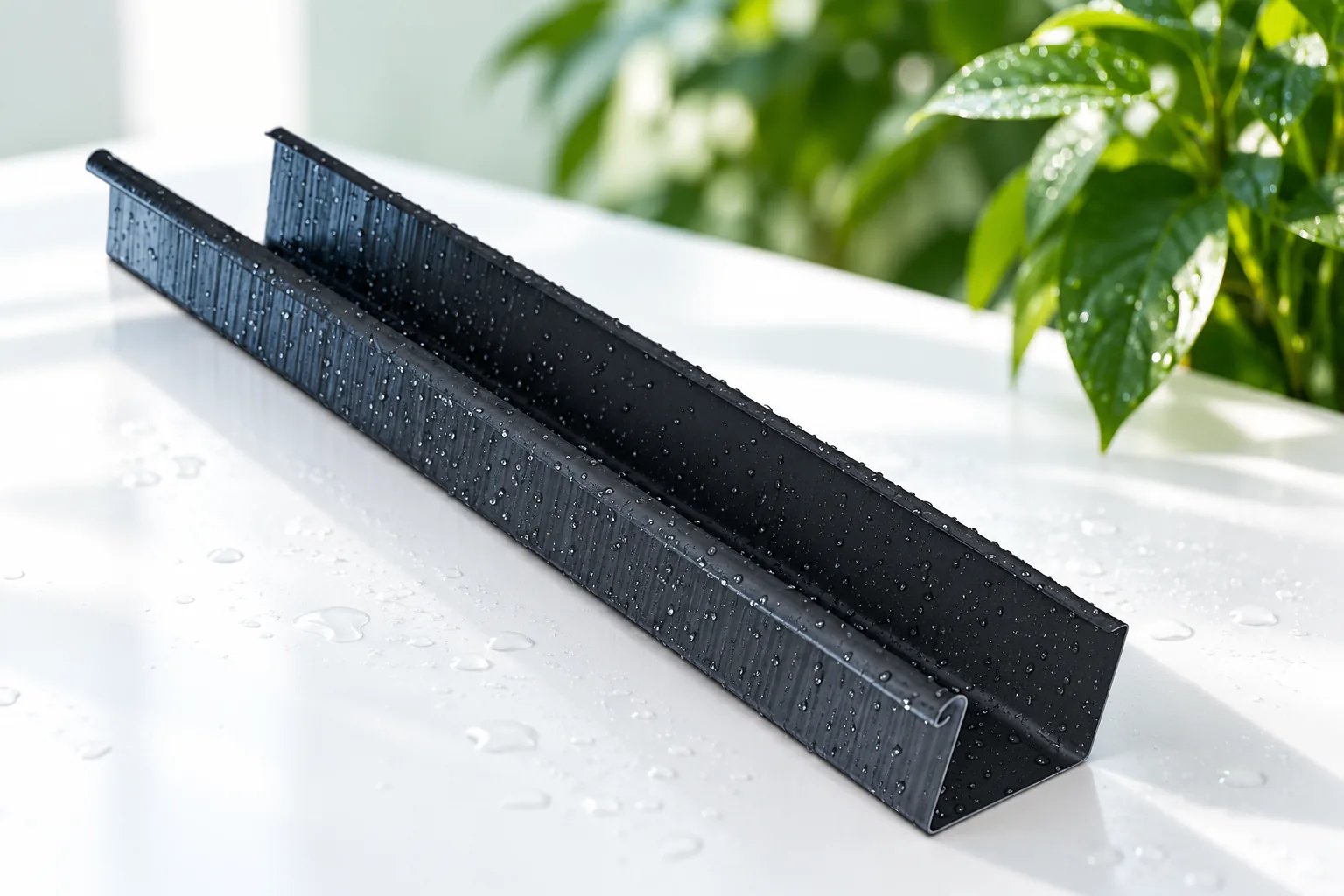
What is steel’s strong point?
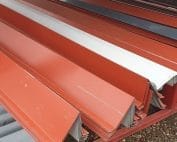
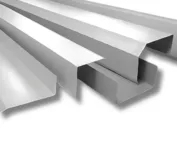
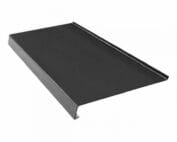
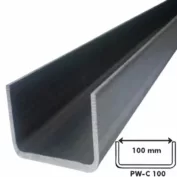
A steel system can work well with a metal roof and flashings. Its rigidity and behaviour depend on the cross-section, thickness and construction of the components. The coating protects the surface, so it must not be damaged during transport, cutting and installation. The term “steel” alone does not describe all the properties of the product.
It is worth checking how the element is protected on the water-contact side and what operating conditions are envisaged. Steel is not automatically resistant to every environment. A damaged protective layer may require repair. A well-maintained system should have unobstructed drainage and should not remain under wet deposits for long.
What does PVC offer?
PVC is not subject to metallic corrosion, which is an important material property. However, this does not mean it is free from ageing or has unlimited mechanical resistance. The parameters depend on the specific product and operating conditions. The quality of the entire system, the geometry and the correct support of individual sections are important.
Plastic components require consideration of thermal expansion. The instructions specify the method of connection and installation at a given temperature. Rigidly fixing the gutter can cause problems despite correct hydraulic performance. The specified connectors should not be replaced by randomly gluing all parts together.
How do both materials react to temperature?
Each of these systems changes dimensions when heated and cooled, although the extent and the way this phenomenon is taken into account differ. Suitable connections and fastenings are needed. It should not be assumed that steel can be installed completely rigidly and only PVC needs freedom. The documentation for the given solution is decisive.
The length of the sections and the position of the outlets are important for the operation of the entire installation. If the system begins to deform after a temperature change, the installation must be checked. Replacing a single connector does not always solve the problem. The cause may be a lack of sliding capability or incorrect positioning of elements on a long section.
Which gutters better withstand damage?
You cannot answer with the material name alone. Thickness, profile, hook spacing and the way loads are applied all matter. A ladder strike, sliding ice and a gutter full of water create different situations. It is worth comparing the properties of a specific system and its intended use, rather than relying on a general opinion about metal or plastic.
The gutter should not serve as a handhold when getting onto the roof. Do not rest a person’s weight on it. If the component has been deformed or has cracked, the fixings must be assessed as well. Restoring the appearance alone may leave a weakened point. The repair must suit the material and the rules for joints.

What does maintenance involve?
In both cases, leaves, sediment and blockages are removed. The check covers gutters, outlets, downpipes and the silt trap. The absence of corrosion in PVC does not eliminate the need for cleaning, and strong steel does not guarantee flow through a blocked outlet. The frequency of inspections should match the home’s surroundings and the actual amount of contamination.
With steel, attention is paid to the condition of the coating and any corrosion. With plastic, cracks, deformation and the condition of the joints are important. Cleaning agents should be compatible with the material. Aggressive chemicals are not a universal remedy for stubborn deposits. It is worth starting with the manufacturer’s recommendations and mild methods.
How can the costs of both options be compared?
Prepare the same layout of gutters and downpipes, with a capacity suited to the roof. Count all accessories and installation. The price of a simple run alone can be misleading. Numerous corners, bends and non-standard fixings can change the difference between quotes. For a renovation, also allow for dismantling and adjusting the flashings.
Check the warranty terms, but do not treat its length as a promise of the actual service life. The scope of cover, installation requirements and maintenance matter. It is also worth assessing the availability of parts. Being able to easily match a compatible component after several years can be more important in practice than a small difference in the initial price.
Which material should be chosen for a particular house?
If both systems meet the performance and installation requirements, the decision can be based on appearance, budget and maintenance preferences. With metal roofing, steel can form a coherent whole, but PVC is not thereby technically excluded. The most important thing remains the correct connection to the eaves and the planned drainage.
Ask for a full specification and samples, not just the material name. Establish how the system will be fixed and cleaned. After installation, check the flow and tightness. A well-chosen installation works as a complete system. Mixing random parts from both solutions can negate the advantages of the material chosen at the outset.
7 branches. Materials closer to your project.