Gutters and flashings
Choosing gutters for a metal roof by runoff and roof geometry
In brief
The answer is that choosing gutters for a metal roof starts with dividing the roof into catchment areas, not with picking a material. Check how much water will reach each gutter run, taking into account eaves length, valley positions and height differences. Then compare steel and PVC as complete systems, including outlets and downpipes, using the manufacturer’s rules for the specific layout. Also examine the eaves detail, downpipe placement and the water path at ground level. Only then assess the profile shape and the completeness of the component list.

Where do you start with the selection?
Divide the roof into areas from which water flows to individual gutter sections. Take into account the eaves lengths, the position of the outlets and differences in height. An outlet collecting water from a large part of the roof works differently from a short section above a small canopy. The building area alone does not describe this division.
The system manufacturer provides rules for calculating the serviced area and selecting cross-sections. These must be used for the specific layout. The position of the outlet also matters: at the end or closer to the middle of the section. Data for one arrangement of pipes should not be transferred to any roof shape.
Does metal sheeting require a special type of gutter?
Metal roofing does not determine the choice of steel or PVC. What matters is matching the eaves geometry and the resistance of the entire system to the conditions. The smooth sheet surface conducts water efficiently, so the gutter must be positioned where it will intercept the stream. Setting it too far away or too low can cause overflow.
The gutter position should also account for snow sliding from the roof slope. It must not be selected solely for convenient hook fixing. The eaves detail includes the covering, flashings, ventilation inlet and drainage. These parts should be agreed together before the installer begins mounting the first sheets.
How do you compare steel with PVC?
Steel gutters can visually harmonise well with metal roofing. Their properties depend on thickness, surface protection and the construction of the elements. The coating must be protected from damage during cutting and installation. The base material alone does not guarantee durability without correct execution and maintenance.
PVC is not subject to metallic corrosion, but it also requires proper installation and consideration of thermal movement. The resistance of the specific product to service conditions is important. It is not worth reducing the comparison to the statement that one material always wins. The entire system, the building and the way it is used are decisive.

What difference does the cross-section shape make?
A half-round and a square gutter create a different visual detail. However, performance is not determined by the shape name alone. The parameters of specific systems, together with outlets and pipes, should be compared. A large front face on a square gutter does not necessarily mean a proportionally greater water discharge capacity.
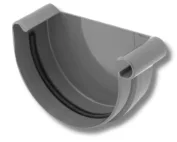
It is worth checking the availability of corners, end caps and fixings. With an unusual building shape, the lack of a suitable component may force a change of layout. The possibility of purchasing parts later is also important. Combining visually similar components from different systems does not guarantee compatibility of seals, profiles or the way the joints work.
How should you plan the downpipes?
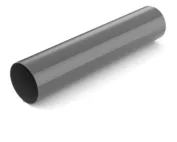
Pipes should be arranged so that they serve their assigned catchment areas and do not conflict with windows, the entrance or installations. The number of bends and the distance from the wall must be taken into account. Fixings should be suited to the substrate and the thickness of the insulation. Simply screwing the clamp to the insulation layer is not a secure fixing.
At the bottom, a planned water path is needed. It may lead to a suitable receiver or tank, in accordance with the solution for the property. The design should not end at a discharge spout by the wall. Water discharged from the roof can still cause dampness in the building’s surroundings if it is directed to the wrong place.
What should be included in the schedule?
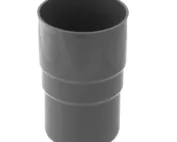
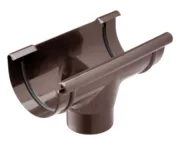
In addition to gutters and pipes, count the hooks, connectors, corners, outlets, end caps, bends and clamps. Check the components associated with the rainwater gully or rainwater collection. The difference in the price of the gutter alone may have little effect on the value of the complete set. It is worth comparing exactly the same layout in both quotes.
Also include transport, installation and any adjustment of flashings. When replacing an old system, new hooks may require different preparation of the substrate. It is not always possible to leave all the old components in place. The quote should indicate which parts are retained and on what basis their suitability was assessed.
How can you confirm that the installation is correct?
After completion, the position of the gutter, the flow and the tightness of the connections should be checked. Water should not bypass the gutter or collect in random depressions. The fixings and the scope for thermal movement are also assessed. Controlled flow makes it possible to catch some errors before the first heavy rainfall.
Keep the system designation and maintenance recommendations. Regular cleaning of outlets is necessary regardless of the material. Where there are trees, inspection should match the actual quantity of leaves. Well-chosen gutters will only function properly if the entire path from the eaves to the water receiver remains clear afterwards.
7 branches. Materials closer to your project.