Roof coverings
Buying tile-effect metal roofing: how to check the specification and finish
In brief
Assessing the quality of a metal roofing tile is best based on how well the specific variant matches its intended use, not on price or the number of warranty years. Check whether the documentation clearly identifies the model, thickness, type of substrate and coating, and whether it can be linked to the delivered batch. Before ordering, ask for the data sheet for the chosen product, the installation instructions and the warranty terms; with a sample, examine the wave geometry and the overlap edge. Also check the complete set of accessories and its suitability for the roof pitch, substrate and ventilation.
Which documents should you start the comparison with?
Ask for the data sheet for the selected model, the installation instructions and the warranty terms. The exact material and coating variant is important. A document referring generally to the whole range does not always describe the set being ordered. Check the available information on the declared properties and the product marking. The data on the quote should be clearly linkable to the documentation.
Pay attention to the roof pitch and any additional conditions of use. A tile-effect metal roofing of good quality may be unsuitable for a particular roof. This also applies to the substrate, ventilation and the layer build-up under the covering. The question about quality should therefore be: does exactly this variant meet the needs of this building? A high-standard slogan alone does not provide the answer.
How should you check the steel and surface protection?
The specification should include the nominal thickness as well as a description of the substrate and the protection. It should not be assumed that an identical colour means an identical material build-up. The metallic coating and the organic layer perform specific functions. Their selection must be linked to the environmental conditions. Work from the underside may also impose additional requirements.
A single measurement with a random tool does not settle all characteristics. The method, tolerance and whether the result includes the protective layers must be known. Quality is not assessed by aggressively scratching or bending a sample. Such action can only damage the material. The basis is the product parameters, batch identification and proper inspection if a specific doubt arises.
What can you assess on a joint sample?
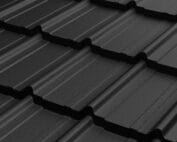
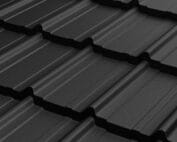
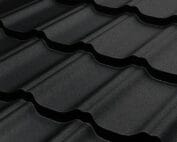
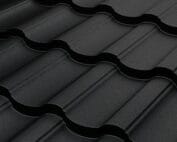
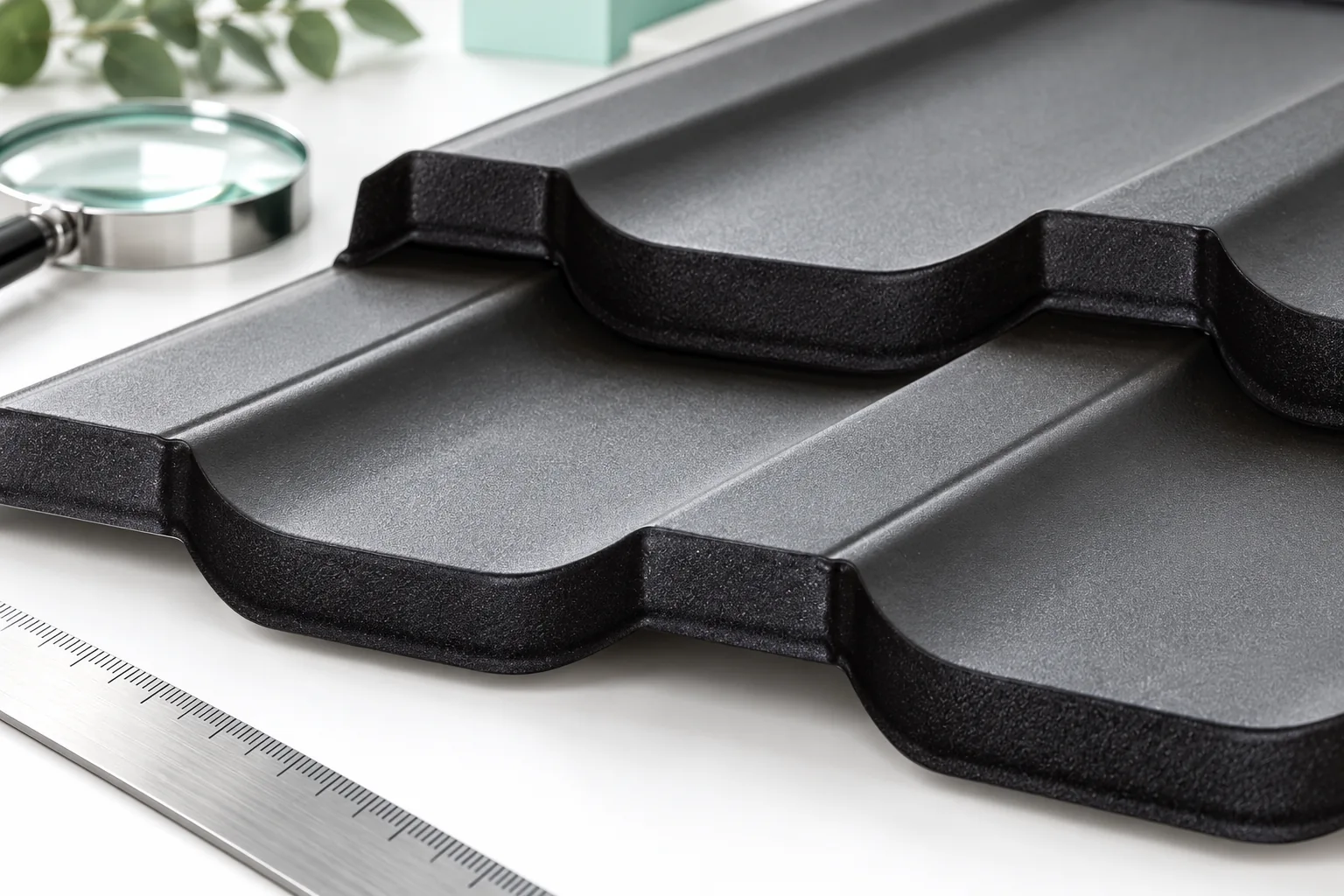
A larger sample allows you to see the wave geometry, the transverse profiling and the overlap edge. Two matching pieces show more than a small flat pattern. It is worth checking how they join according to the instructions. However, fitting should not be forced on an uneven table. The test conditions must allow the material to be laid properly.
Inspect the surface, edges and condition of the coating in natural light. Scratches, bends and soiling require clarification, especially on delivery acceptance. A slight difference in appearance may result from the texture or the direction of lighting, so compare elements under the same conditions. Checking a sample does not replace a later inspection of the entire delivered batch.

How should you read the warranty without excessive expectations?
First of all, check what the protection covers. Preservation of appearance and certain types of material damage may have different periods and conditions. The number of years is not the expected roof replacement date. It also does not prove resistance to every type of environment. The documents may contain requirements regarding location, installation and use.
Read the rules for inspections, cleaning and repair of minor damage. Check what data must be retained after purchase. Clear terms are more useful than the longest period chosen from an advertisement. It is worth asking about every unclear point before placing an order. Later searching for a document for an unknown coating variant is considerably more difficult.
Why do accessories and installation belong to the quality assessment?
A good sheet is not enough if there are no proper fixings, flashings and ventilation components. The fit of installation penetrations and accessories to the profile must be checked. Some details require a specific sequence of work. The contractor should know the instructions for the chosen system and be able to explain the solution for the eaves, roof valley and ridge.
When comparing offers, it is worth asking about the preparation of the substructure and the acceptance of layers before covering. The care taken in this work affects the result just as tangibly as the appearance of the sheet. Poorly set battens or incorrect screw pressure can impair the performance of correct material. The quality of the finished roof arises at the interface of product, design and execution. None of these elements eliminates the errors of the others.
What should be written in the order?
Record the cross-section model, format, thickness, colour and full designation of the coating. Attach the approved cutting plan and the list of accessories. The price should have a clear unit and indicate whether it applies to the total or effective area. It is also worth agreeing unloading and storage conditions. Even a correctly selected product can be damaged before it reaches the roof.
On delivery, compare the markings with the documents. Keep the labels and check the condition of the material before installation. Clarify doubts at this stage instead of hoping they will be hidden under the flashings. A reliable quality assessment consists of many simple checks. A complete set of information helps most, making it clear what you are buying, where it can be used and how to correctly install the covering.
7 branches. Materials closer to your project.