Roof coverings
Tile-effect metal roofing or bitumen shingles: how to choose
In brief
The choice between metal roofing tiles and bituminous shingles depends primarily on whether the substrate and roof geometry meet the requirements of the specific system. Shingles require a level, stable deck of boards or panels, whereas metal tiles are usually fixed to a designed batten grid. Before deciding, check the scope of substrate, underlay and labour in the offer, not just the covering price. Also compare the cutting plan, permissible pitch and how valleys, dormers and service penetrations are detailed. Only a complete comparison will show the difference between the options.
What does the difference in substrate mean?
Bituminous shingles require an even, stable and suitably prepared surface. A substrate of boards or panels must meet the manufacturer’s requirements, including those for support and joints. The specified underlay layer is applied on top. Unevenness or the performance of poorly selected boards may be visible on the finished covering and hinder its correct function.
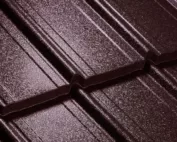
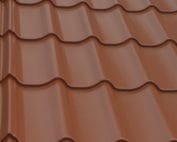
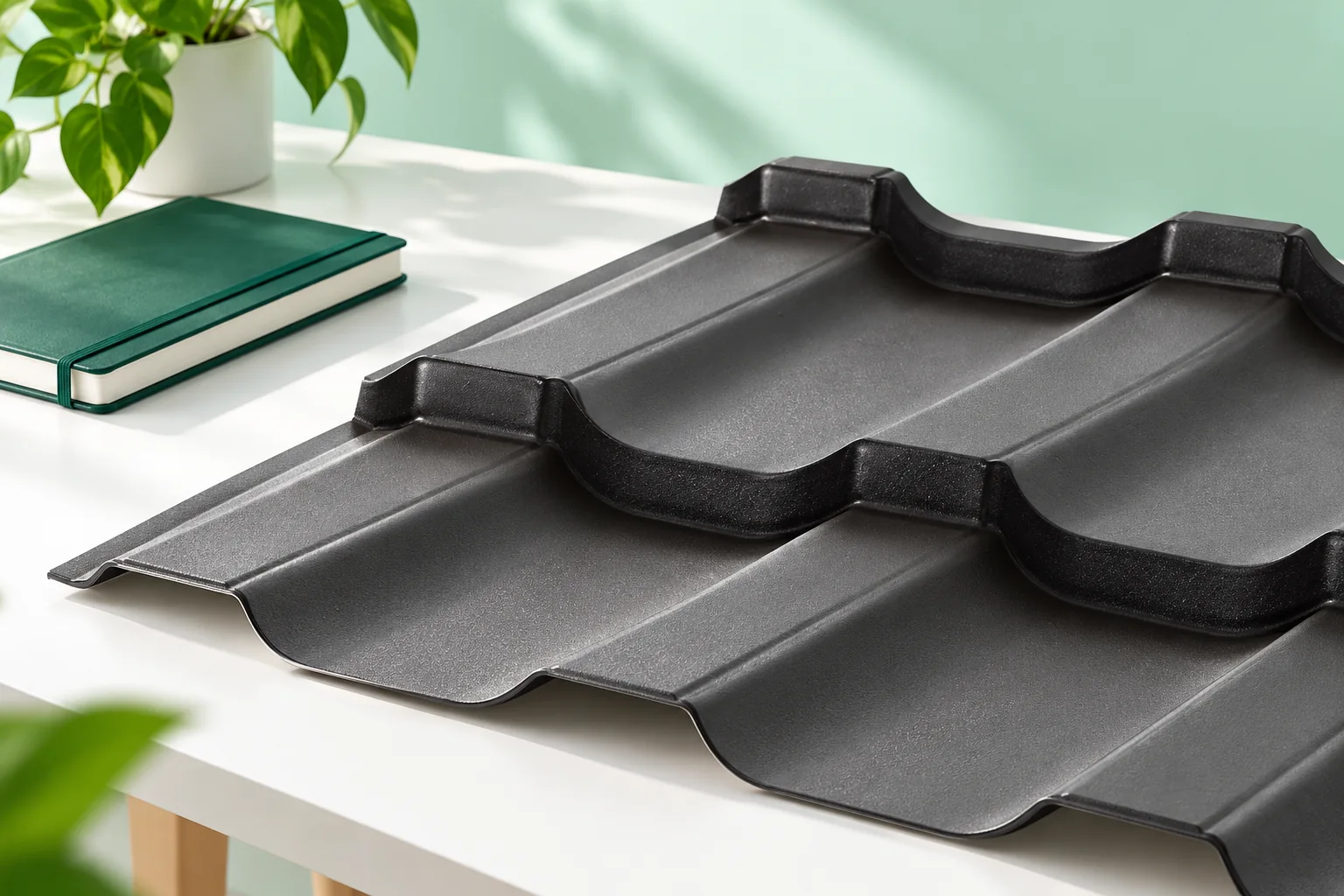
Tile-effect metal roofing is most often fixed to battens. The system may include full boarding, but this results from the design and roof layers, not from the material name itself. When comparing offers, ask directly about the substrate scope. A cheaper covering does not necessarily mean a cheaper roof if it requires additional boards, underlay and greater labour input. In renovation, it is also necessary to check whether the existing underlay layer is compatible with the new system. Its age, condition and method of connection matter regardless of the fact that no visible leaks occurred previously. The inspection should also cover areas at the eaves.
How does the roof shape influence the choice?
Small shingle strips allow the covering to be adapted to many changes in plane. This does not mean arbitrary freedom at roof valleys, dormers and service penetrations. These locations have specified methods of execution. Long sheets of tile-effect metal roofing are convenient on straight roof slopes, while modules make it easier to organise work where there are more obstacles.
Before choosing, it is worth comparing the cutting plan for both materials. With shingles, the method of offsetting successive rows and the starter elements must be taken into account. With sheet metal, the profile direction, the arrangement of overlaps and the position of the pressings matter. Waste arises with both solutions. It cannot be reliably calculated from the footprint area of the house alone.
Are both coverings suitable for low pitch?
The permissible pitch depends on the specific product and the entire system. There is no common value for all shingles or tile-effect metal roofing. At lower inclinations, special requirements may apply to the underlay and seals. These must be established before purchase, not by looking for a workaround only after the material has been delivered.
Extensions connected to a higher wall require particular attention. The detail at the junction, the quantity of incoming water and the possibility of snow accumulation are significant. A material approved for the main roof slope does not necessarily suit the lower part of the roof. If the system does not fall within the requirements, either the solution or the geometry design must be changed.

How do temperature and weather affect installation?
With shingles, the fixing rules and the conditions for achieving the connections specified by the manufacturer are important. Temperature and surface condition may influence the method of execution. The number of nails, their position and any additional bonding are specified in the instructions. These rules should not be transferred between products without checking their construction.
With sheet metal, problems include safe handling of the sheets in wind and protection of the coating. Cutting requires the right tools, and swarf must be removed. Neither covering is worth installing in conditions that prevent accurate work. The work plan should include securing the roof for the duration of a weather break.
What determines comfort and durability?
In the attic, thermal insulation, airtightness on the interior side and correct ventilation of the system matter. Choosing shingles does not remove the need to deal with moisture. Choosing sheet metal also does not determine the noise heard in the room. The assessment is carried out for the entire building envelope, including the covering, insulation and interior finish.
Durability depends on correct execution and use. With shingles, the surface and joints must be checked in accordance with the instructions. With sheet metal, assessment of the coating, edges and fasteners is added. In both systems, clear gutters, clean roof valleys and correct flashings are important. The problem at the chimney is not solved by merely buying a more expensive material for the rest of the roof slope.
How can full price variants be compared?
The comparison should cover the covering, substrate, underlay, accessories, transport and installation. Do not compare the price of a pack of shingles with the price of a square metre of complete sheet metal. First convert quantities to the finished roof area and allow for overlaps. Calculate ridges, edges and all penetrations separately. Only the total shows the difference between the variants.
For a renovation, establish whether the existing covering can be reused. Its condition and layer build-up must be checked, even if it looks good from above. It is also worth assessing the availability of a contractor with experience in the chosen solution. A carefully executed simpler system is a better basis for a decision than an attractive material whose details nobody planned beforehand.
7 branches. Materials closer to your project.