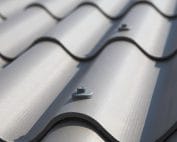
Fibre cement roofing
Roofing a pig house: assessing the suitability of corrugated fibre cement sheets
In brief
When choosing roofing for a piggery, more matters than price and colour. The roof is exposed to moisture, temperature changes and the environment associated with livestock farming. Corrugated fibre cement sheets should be checked as part of the whole system. Asbestos-free fibre cement can be a good solution if it suits the conditions of the building and its installations. An enquiry about the roof should state that it concerns a piggery. The seller and designer need information on ventilation, heating and the method of washing. It is not enough to write that the building is agricultural. This name covers both a well-ventilated shelter and a room with significantly higher humidity. It is worth indicating straight away whether the covering will be exposed from the interior.
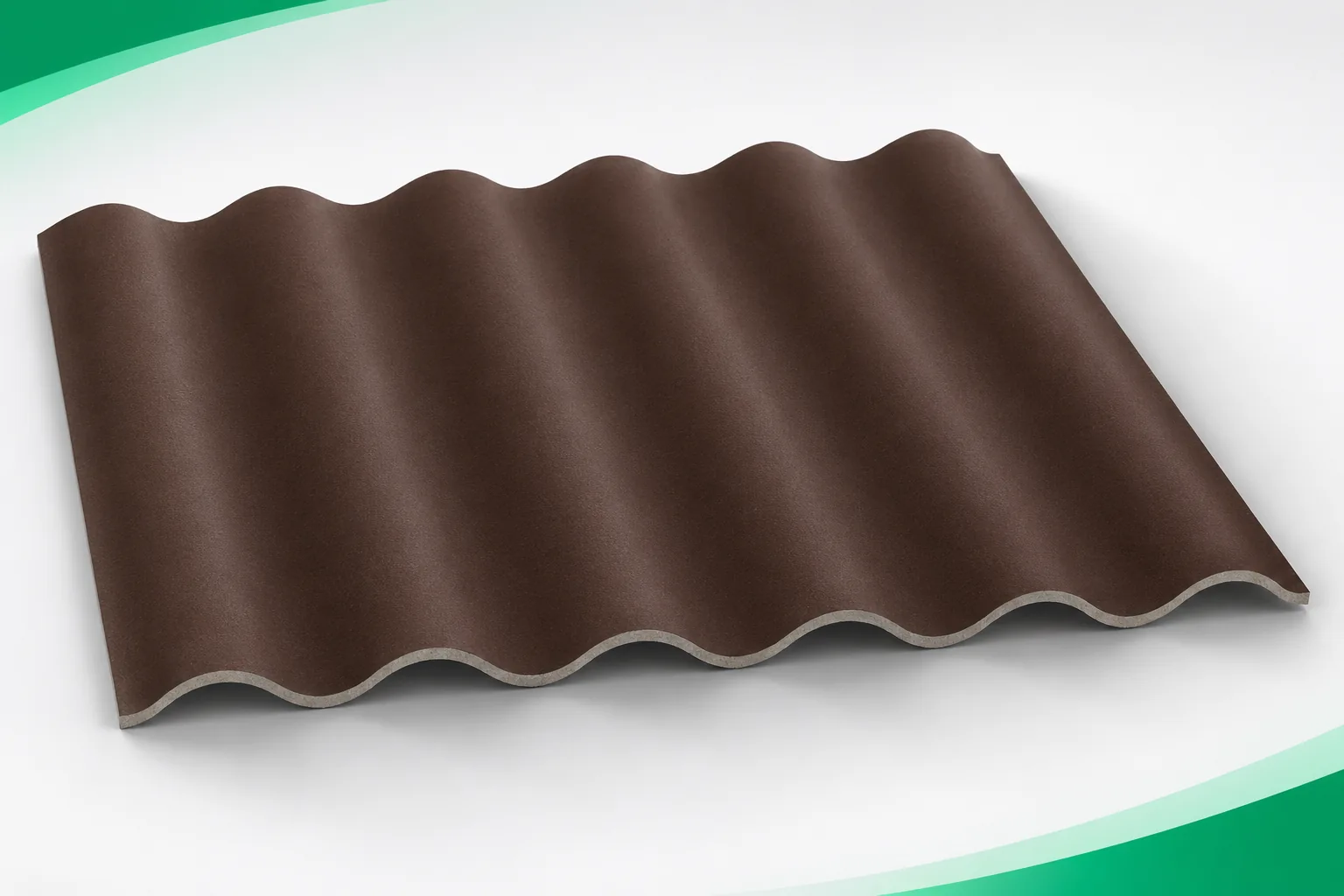
Describe the conditions before sending an enquiry
A ceiling or insulated partition changes the conditions of contact with the air. The planned increase in stocking density and the conversion of installations must also be specified. Selecting solely for current use can make later modernisation more difficult.
The period between washing and re-stocking requires separate attention. At that time a lot of moisture enters the interior, and the thermal conditions can change quickly. Monitoring the drying and the operation of the ventilation allows this stage to be assessed without attributing every drop to a defect in the new covering. The roof and the building’s operation must be analysed together.
Check the resistance of the entire assembly
Corrugated fibre cement sheets are a mineral composite and do not rust themselves. This property helps in agricultural applications. It does not, however, justify considering the entire roof resistant to any atmosphere. Fasteners, flashings and the structure require their own selection for the internal environment.
The documentation for the set should make clear which fasteners are intended and for which substrate. A wood screw does not become suitable for steel merely because it has the right length. The seal and the method of clamping are equally important. Worn or poorly selected components can cause a problem independent of the condition of the sheet.
Ventilation must not end with the choice of sheet
A controlled exchange of air is needed in a piggery. Corrugated fibre cement sheets can buffer some moisture, but they do not remove all the vapour produced during use. If the building is inadequately ventilated, the new covering will not remedy this cause. The operation of the installation must be checked.
Asbestos-free fibre cement does not eliminate condensation on a cold roof. Water can appear with an unfavourable combination of temperature and humidity. Observation of dripping should therefore include the condition of the joints and the conditions inside. Repairing all laps without identifying the source of the water is often ineffective.
Plan ventilation penetrations together with the roof slope
Roof penetrations and equipment have specific sizes and servicing requirements. Their openings should not clash with supports and sheet joints. A well-prepared plan shows the position of every penetration, how loads are transferred and detailing suited to the corrugated surface.
The weight of the equipment must not rest accidentally on the edge of a cut sheet. Corrugated fibre cement sheets act as the covering, and additional loads require designed supports. The seal should allow the components to move. A large amount of sealant alone does not replace correct detailing.
Allow for washing without damaging the roof
When planning building hygiene, cleaning of the room and washing of the covering are kept separate. A strong jet directed at the laps can force water into places that behave differently during normal rain. High pressure can also damage the surface. The method is determined in accordance with the sheet instructions.
Before using the preparation, check compatibility with the fibre cement, the coating and metal components. It must not be assumed that everything described as non-corrosive is inert to cement or the seal. After treatment, the building should have conditions for drying out, and drained water should have a proper discharge route.
Assess the structure, not just the sheet
The piggery roof is subjected to self-weight, snow and wind. The structure must also carry the effects of equipment if it is mounted on it. The spacing of supports under corrugated fibre cement sheets results from the system and the design. It cannot be increased arbitrarily after choosing a longer format.
During renovation, the old supports and connections must be inspected. Moist timber or corroded steel require investigation. A similar weight of the new covering does not prove that the structure is sound. Where the old material has an unconfirmed composition, its identification and any asbestos removal are planned separately.
Leave room for inspection after the facility is commissioned
Roof acceptance includes conformity of the profile, lap arrangement, fixings and finishing at installations. It is good practice to keep photographs before covering hard-to-reach areas. Documentation makes it easier to find the cause of a fault later. This matters when stopping work in the piggery is troublesome.
Asbestos-free fibre cement is selected with further servicing in mind, not only the day of installation. Penetrations, skylights and equipment must have safe access. Access by stepping directly on the sheets is not envisaged. Proper organisation of inspections reduces the risk of accidental damage to the sealed roof surface.
For the piggery roof quote, include a description of the ventilation, the cleaning agents used and the layout of equipment. This will allow the complete set of materials to be assessed before purchase.
7 branches. Materials closer to your project.