Roof coverings
Why choose metal roofing sheets with a traditional tile profile?
In brief
A traditional-profile metal roof tile combines the look of repeated rows of tiles with the form of a profiled sheet, so it can suit houses with a pronounced eaves line, brick and timber. Its advantage is a wide choice of formats and finishes, but practical value depends on fit to the roof, correct installation and the quality of protection, not on similarity to a classic covering alone. Before buying, check the pitch, the layout and the complete set of accessories, and compare offers by effective coverage rather than the total sheet area. Keep a sample and documentation of the chosen finish.
What does a gentle, repeating pattern provide?
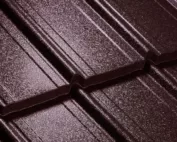
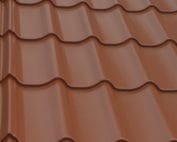
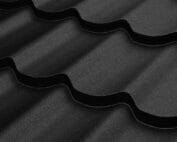
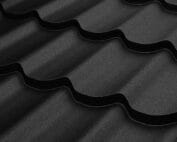
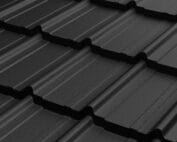
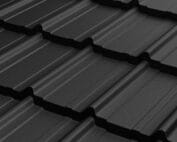
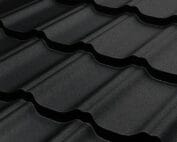
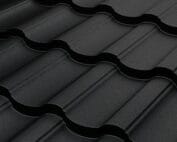
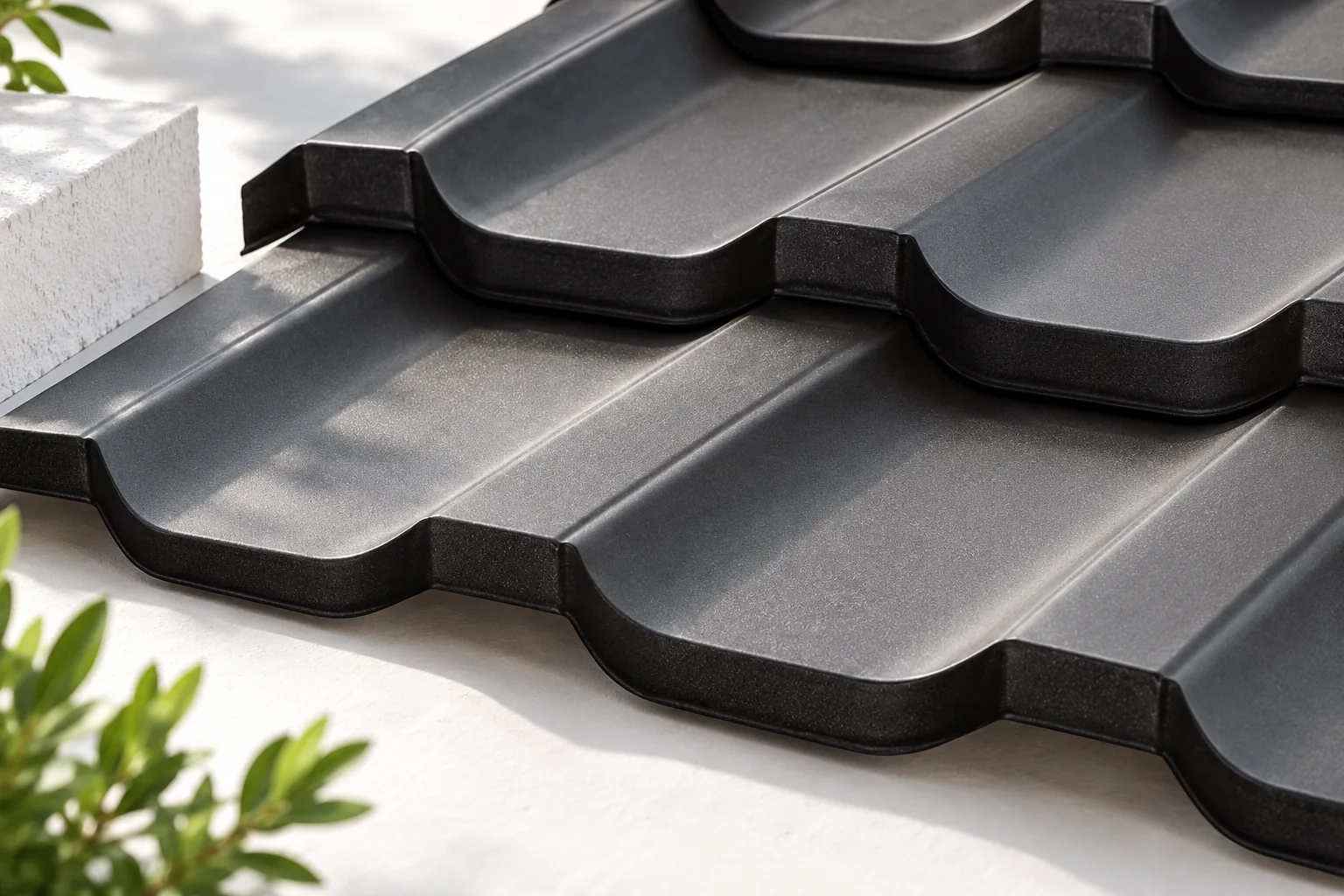
Rounded waves and transverse steps create a clear structure across the roof slope. Such a pattern can work well with the traditional proportions of a house without the need for added decorative details. On a large roof, the regularity of repetitions matters. It is therefore worth viewing several joined sheets rather than judging the profile solely on the basis of a small fragment.
A gentle pattern does not have to mean a low profile depth. Individual models differ in the width and shape of the waves. A stronger shadow can emphasise the roof slope more clearly, while a subtler profile will maintain a calm appearance. The choice is a matter of the building’s proportions. Greater load-bearing capacity or durability should not be inferred from the character of the pattern alone. When comparing patterns, keep the same colour and viewing angle for the samples. Otherwise a stronger shadow may result solely from the lighting rather than from a deeper or more traditional profile.
Why can low weight be useful?
A profiled steel sheet is relatively light compared with many coverings made of individual roof tiles. This can help with logistics and some renovations. However, replacing a covering still requires an assessment of the structure. Low weight does not confirm that the old rafters, battens and their connections are suitable for continued use.
The load must be considered for the entire roof. Other layers, snow and wind action are added to it. The steel sheet must be correctly fixed and the substructure properly designed. During renovation, it is also worth checking the geometry. A traditional repeating pattern easily reveals deviations in the batten lines and uneven progression of successive rows.
What does the choice between sheets and modules offer?
The traditional wave is available both in long sheets and in smaller panels. This allows the installation to be organised without giving up the chosen appearance. On straight roof slopes, cut sheets can reduce the number of transverse joints. Around dormers and on small sections, modules are often convenient.
Not every pattern is available in every format, so it is worth checking the range before deciding on the layout. Panels and sheets with a similar pattern are not necessarily interchangeable. They may have different module lengths, cover widths or joint edges. A common layout should not be built on the similarity of photographs alone.

How does the finish change the character of the classic wave?
The same profile can look calm in matt and more expressive in gloss. Warm tones emphasise the traditional character, while greys allow it to be combined with a contemporary façade. A sample is best assessed at an angle close to the roof slope. This shows how the light falls across the successive parts of the wave.
Colour and texture should also harmonise with the flashings and the drainage. The choice of coating type must, however, take the building’s surroundings into account. You should not swap better protection for weaker protection purely to obtain a particular shade. First choose the system suited to the conditions, and only then compare colours and gloss within it.
How can you maintain a good effect at the roof edges?
A level eaves line and a correctly executed ridge are particularly important with a rhythmic pattern. It is worth establishing the position of the first profile and the height of the support. An overhang that is too large or too small affects not only the appearance but also the way water is directed. The detail should comply with the instructions for the given profile.
At the chimney and the roof valleys, the correct laps and the drainage path must be maintained. Flashings are not a decorative addition to a finished sheet. Together with it they form a system protecting the places where the roof slope is interrupted. A well-chosen colour will not fix a badly shaped flashing. These parts are worth discussing at the quote stage, when the solution can still be changed freely.
When is a traditional pattern the right choice?
It is worth considering when the roof is to be a distinct but calm part of the house. It can be useful when modernising a building whose character you want to preserve, and in a new house with classic proportions. It does not have to mean imitating a heavy covering in every detail. What matters more is the coherence of the whole as seen from a normal distance.
Before buying, check the pitch, the cutting layout and the complete set of accessories. Compare the offer per effective coverage rather than per total sheet area. Keep a sample and the documentation of the chosen finish. This will make it easier to select add-ons later and to assess the delivery. The aesthetic advantage of the pattern works best when accompanied by equally careful technical preparation.
7 branches. Materials closer to your project.