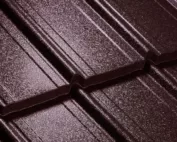
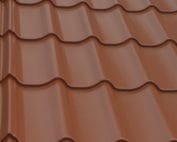
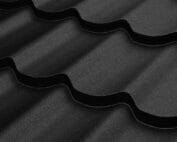
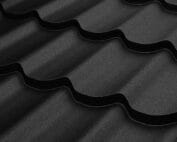
Roof coverings
Matt or gloss? Choosing the finish for tile-effect metal roofing
In brief
The choice between matt and gloss is determined mainly by how the roof is to reflect light, not by durability alone. Both finishes are available in different coating systems, so the material’s parameters and intended use should be checked first, with appearance assessed afterwards. It is worth viewing a sample outdoors at an angle close to the roof pitch, because the same colour can look different depending on texture and lighting. Matt usually diffuses reflections and gives the roof a calmer appearance, while gloss more strongly emphasises the curves of the profile. The final decision should take account of both aesthetics and the conditions of use.
What does the degree of gloss change?
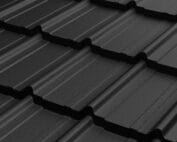
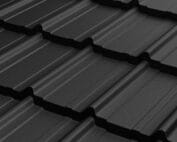
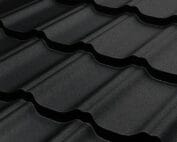
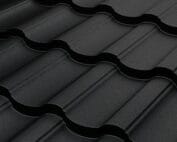
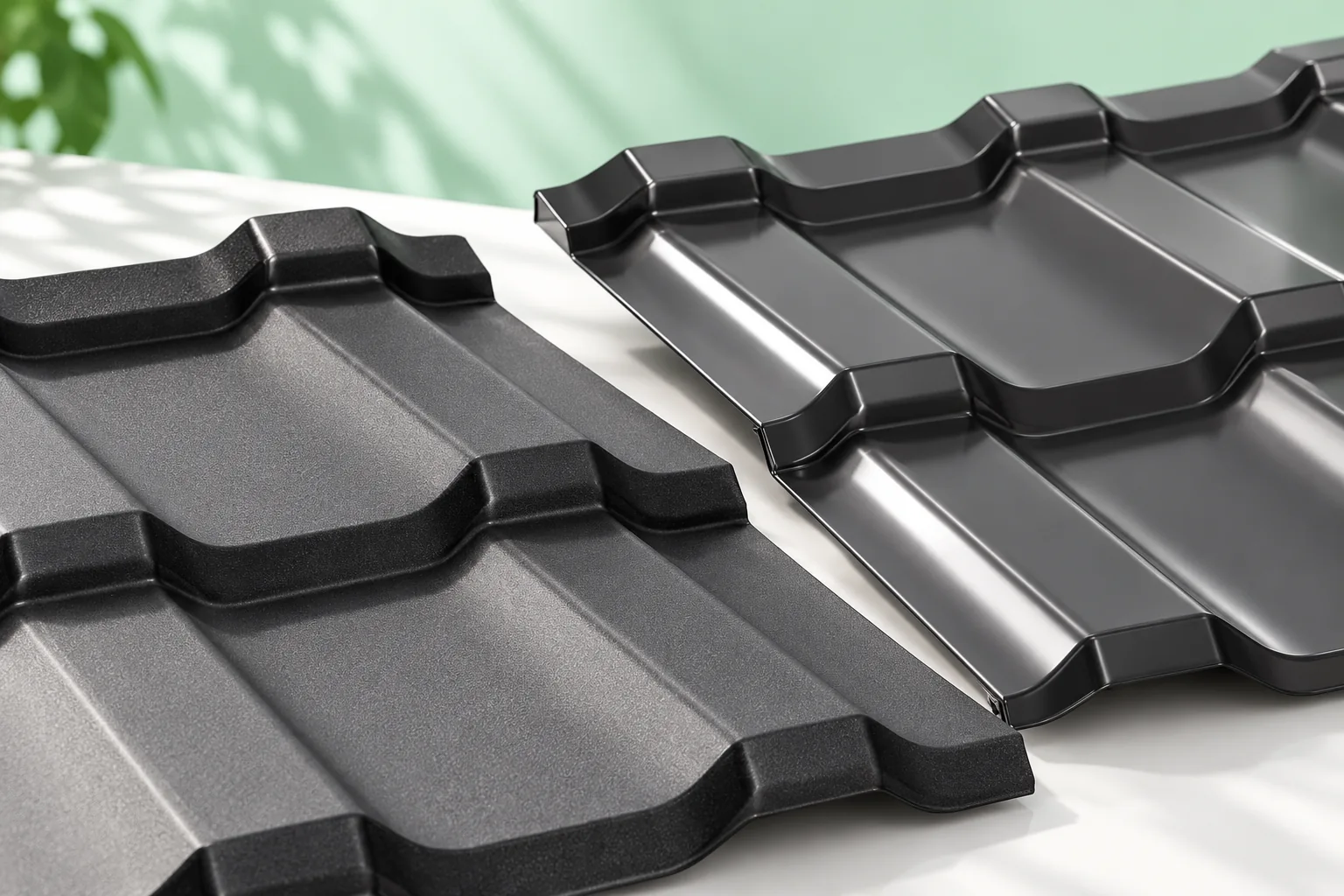
A glossy surface produces more distinct reflections. It shows the curvature of the profile and the change in the angle of incident light more strongly. A matt finish usually diffuses reflection, so the roof slope can look calmer. The effect also depends on the surface structure. Two matt finishes can differ in visible texture and not give an identical appearance on the roof.
The covering should not be assessed solely on a flat sample. On the finished tile-effect metal roofing there are surfaces set at different angles. One part of the wave will be lighter, another darker. It is worth looking at a larger sample or joined panels. This shows how reflections repeat and whether they suit the character of the building.
Is matt always more durable?
No. Durability is determined by the type and parameters of the entire protective system, not by light diffusion alone. The metallic layer, the preparation of the substrate and the organic coating all matter. The thickness of the decorative layer is one characteristic, but not the only one. Two products with a similar appearance can have different permissible conditions of use.
It is worth comparing the documentation and the warranty conditions. Separate corrosion resistance from colour and gloss behaviour. Some documents describe these matters separately. If an offer uses only the terms “premium matt” or “durable gloss”, ask for a specific specification. The category name alone does not confirm that the coating suits the building’s surroundings.
How to match the finish to the shape of the house?
On a large flat roof slope, a matt finish can reduce the distinctness of reflections. A gloss finish can emphasise the wave more strongly and give the roof a more varied appearance. The choice depends on the façade, the windows and doors, and the surroundings. Matt does not have to be automatically associated with modernity, nor gloss with traditional construction. Both can suit different building forms.
On a low roof or garage, the texture is viewed from close up. A high roof slope is seen mainly as a larger plane of colour. Also pay attention to reflections towards the terrace or neighbouring windows. It is worth assessing a sample in several places on the plot and at different times. A catalogue photo shows only one set of lighting conditions.

Will dirt be equally visible?
The visibility of dust, deposits and streaks depends on colour, texture, gloss and the viewing angle. There is no basis for promising cleanliness solely on the basis of a matt finish. On a dark surface, light dust can be clearly visible, while on another a water mark may play a greater role. The surroundings also matter, for example trees and sources of pollution.
The cleaning method must match the coating instructions. A rough sponge or aggressive agent can alter the appearance of the surface. Do not attempt to achieve a higher gloss by polishing unless such a method is permitted. Dirt is better removed promptly, before it retains moisture for longer periods in the profiles and at the edges.
How should the roof be connected to flashings and gutters?
The same colour code does not guarantee an identical appearance for components made with different technologies. Coating, texture and gloss affect the perception of colour. It is therefore worth comparing a sample of the covering with the flashing, gutter and elements visible at the eaves. A slight difference on a swatch can become more pronounced over a large surface. Also check whether the chosen texture is available on the flat sheet needed for flashings. If the substitute has a different structure, the difference will be particularly visible on the wide strip at the eaves. Samples should represent the finishes actually being ordered, not merely similar shades.
When extending a house, compare the new material with the existing roof. Even the same type of finish can look different after years due to ageing and dirt. It is not worth promising a perfect match without an inspection. Sometimes it is better to deliberately separate the planes than to try to hide the difference between adjacent sheets.
How do you make the final decision?
First, rule out coatings that do not match the conditions of use. Then compare the appearance of the variants that meet the requirements. Place the samples outside, next to the façade material and at a similar angle. Check them in sunlight and under cloud cover. This way, the choice will not be based solely on a backlit screen or shop lighting.
Before ordering, make sure the type of coating, colour and finish are recorded. Check the shades when the material is delivered, before it is laid. Matt or gloss is an important aesthetic decision, but it should be the final stage of the technical selection. The roof will then match not only the desired appearance but also the conditions in which it is to perform.
7 branches. Materials closer to your project.