PIR insulation
Is it worth insulating a 1990s house from the inside with PIR board?
Key points in brief
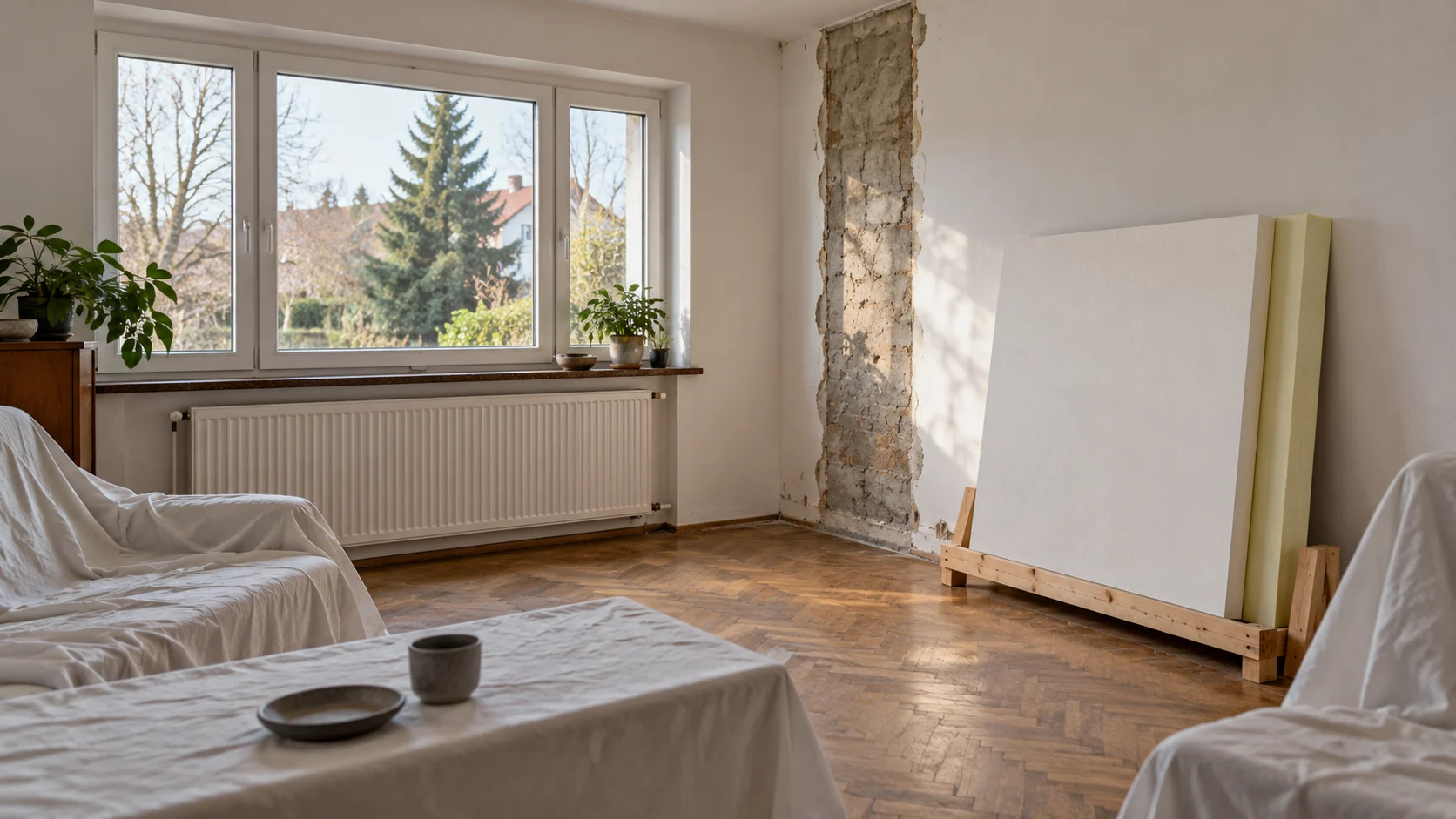
A good-looking façade does not always mean the house is evenly warm. In a 1990s building, one room may cool down faster than the others even though the heating is working correctly. PIR from the inside is sometimes considered when no façade renovation is planned. First, however, it is necessary to establish what is already in the wall and where the discomfort comes from. Houses with very different walls were built around the same period. The masonry may have had a cavity, thin insulation or an additional facing layer. Later renovations may have changed only part of the building. It is not worth assuming the insulation thickness on the basis of the appearance of the external render.
The year of construction does not describe the layer build-up
Archival drawings, material invoices and controlled openings help. Check extensions and former enclosed balconies in particular. A room above the garage may have a bigger problem with the floor than with the wall. Without a survey, it is easy to spend money on a layer in the wrong place.
Separate losses through the wall from draughts
A chill by the armchair may come from a leaky window, a large glazed area or a cold wall surface. Each cause leads to different work. Before insulating, it is worth assessing the junctions of the joinery, the ceiling insulation and how the radiators perform, without blocking the necessary ventilation openings.
A thermal imaging survey can be helpful under the right conditions, but it requires interpretation. Radiation reflection or temporary sunlight can distort the image. A colour photograph is not an insulation design on its own. It should complement the inspection and the data on the construction.
Check whether the masonry will be able to dry out
After adding insulation from the room side, the old wall receives less heat from the interior. If it is already damp or exposed to rain, its conditions may worsen. The assessment should cover the external render, flashings, plinth and any gaps between former layers.
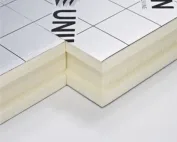
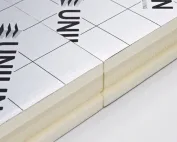
A board with aluminium foil restricts the flow of vapour through its surface. It is not, however, a way of repairing a leak. Before closing the wall, the sources of water must be removed and the new thermal and moisture system checked, together with the conditions prevailing in the chosen room.
Consider the wall together with the room’s fittings
In the bedroom, space for the bed and access to the window will be important. In the living room, the radiator, curtains and TV mounting are added. Insulation with a finishing layer reduces the room and deepens the window reveals. These changes must be drawn before ordering the panels.
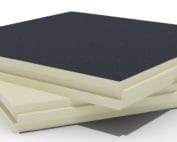
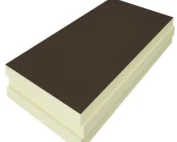
A PIR composite with a plasterboard facing can be considered if it suits the design. The full dimension must be calculated, not just the core. Plan the fixing points for heavy items in advance. The sealed surface should not later be pierced with many random screws in search of a load-bearing substrate.

Don’t end the insulation at a random point
Insulating a single room requires checking the junction with adjacent rooms. Thermal bridges may remain at cross walls, the ring beam and the ceiling. Insulation over a large wall area will improve its temperature but does not guarantee the same improvement in the corner.
The design should indicate how the layers are terminated and whether adjacent parts of the building envelope need insulation. If the solution conflicts with built-in furniture or doors, variants can be compared. Deviating from the detail solely to avoid removing one trim may leave the main source of the problem.
Establish the sequence of works and checks before covering up
First defects are removed and the substrate prepared, then the planned services and insulation are installed. The sequence depends on the chosen system. It is worth planning the moment for inspecting the junctions before they are covered by trims, the window sill or the finish. Photographs of these locations will be useful in future renovations.
Do not assume that any mounting foam will replace all seals. The thermal connection, airtightness and durable closure at the window may require different materials. Their selection must match the surface, the movement of components and the operating conditions.
Compare renovating a single room with a wider scope
Internal insulation can be a sensible stage when the external façade remains in good condition. However, this cost must be weighed against plans for the next few years. If the roof is to be replaced or the façade work carried out soon, some details can be resolved during a combined renovation.
Do not promise yourself a specific reduction in bills based on the PIR thickness. A house has many heat loss paths, and occupants may maintain a higher temperature after renovation. A good plan defines the expected comfort, the extent of loss reduction and how the effect will be assessed after the first season.
Short answers
Does the old façade have to be stripped when insulating from the inside?
Not always, but its condition still needs to be assessed. Rain tightness and the wall’s ability to dry out affect the safety of the new build-up, even when the façade is not going to be rebuilt.
Can the coldest bedroom be insulated first?
Staging can be considered if the terminations have been designed and thermal bridges checked. Insulating part of a house requires an assessment of the junctions with the part left unchanged.
7 branches. Materials closer to your project.