Roof coverings
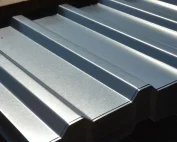
Structural trapezoidal steel sheets: benefits and factors that affect price
In brief
Structural trapezoidal sheeting is a product whose suitability depends on conformity with the design, not on the appearance of the profile alone. Before choosing, check whether the load table matches the ordered steel grade and thickness, as well as the number of spans, their lengths and support widths. The direction of loading and the orientation of the sheet also matter. Only on this basis can you assess whether a given profile will meet the requirements. The selection decision is left to the designer, because comparing profile heights alone can be misleading.
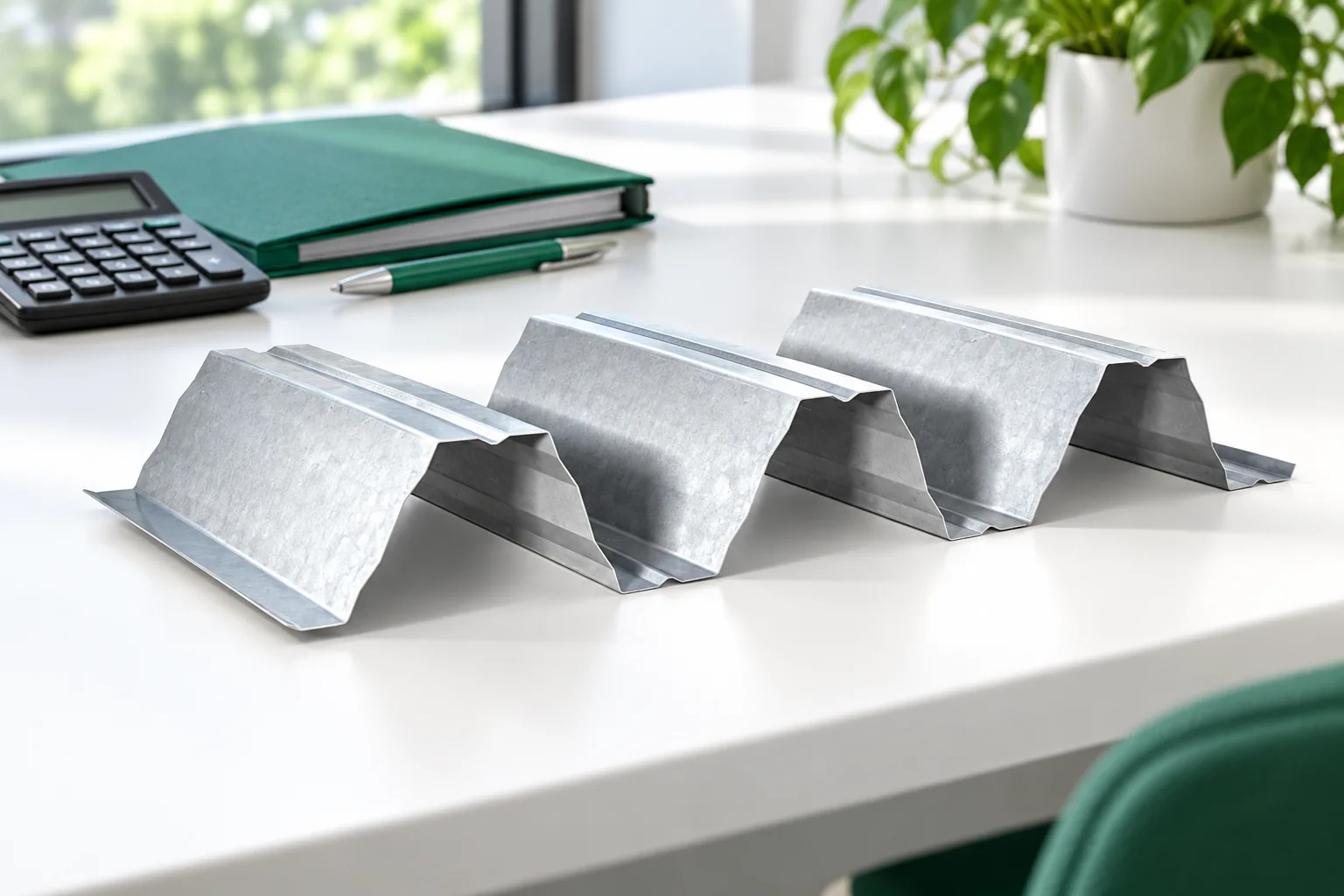
What distinguishes a structural sheet from a cladding sheet?
The mere manufacture of a steel sheet does not mean it can be used in any load-bearing role. A structural sheet is selected for specific loads and a specific structural scheme. The documentation specifies its geometry, material properties and support conditions. A low trapezoidal profile used for garage cladding is not an automatic substitute for a high-profile hall roof.
A high corrugation increases the possibilities for shaping the stiffness of the cross-section, but the result depends on the entire profile. The widths of the flanges, the shape of the webs, the stiffening corrugations and the sheet thickness all matter. Comparing two products solely by height can therefore be misleading. The correct point of reference is the calculation or the tables for the specific product.
Where is such material used?
In multi-layer roofs the steel sheet can form the substrate on which the vapour barrier, insulation and waterproofing are laid. Each of these layers has a different function. The steel sheet carries the loads, while the tightness of the upper surface is provided by the specified covering system. One should not expect the load-bearing trapezoidal sheet alone to solve the thermal insulation problem of the entire roof.
In other applications the profile serves as permanent formwork or as part of a designed floor system. A distinction must be made between the function of forming the concrete and the structural interaction in a composite floor. Such interaction is not assumed on the basis of the sheet’s appearance. It requires a suitable product, documentation and an adopted method of connection with the other elements.
How to read a load-bearing table?
The first step is to establish that the table matches the ordered profile, steel grade and thickness. Next, the number of spans, their lengths and the support widths are checked. A sheet in a single-span arrangement behaves differently from a continuous element on several supports. A higher value must not be selected simply because it appears in the adjacent column.
The direction of the load action and the orientation of the profile are also important. Snow load, wind suction and self-weight are not the same case. In addition to load-bearing capacity, deflection and serviceability requirements are checked. The result relates to the stated assumptions. It does not automatically account for additional equipment, suspended items or openings made later on site.

Why are fastenings part of the design?
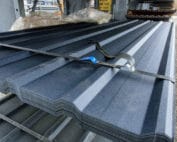
The load-bearing sheet must transfer forces to the supporting structure. Suitable fasteners and their arrangement are therefore needed. Connections to the supports and the stitching of the sheets are considered separately. The type of screw depends, among other things, on the material and thickness of the substrate. A similar head colour does not mean that two fasteners have the same range of application.
At roof edges and corners, wind action may require a different fixing layout than in the centre. Openings for installations also affect how the sheet performs. They should be allowed for in the documentation and reinforced where necessary. Cutting out a large section of a finished roof covering without agreement may remove part of the cross-section needed to carry loads.
What does the price of an order depend on?
The price is affected by the quantity of steel, its properties, the profile geometry and the surface protection. Sheet lengths, batch size, additional fabrication and transport also matter. Price lists for deep trapezoidal profiles often refer to a quote for the specific project. This is justified, because two roofs of similar area may require completely different sections.
A cheaper sheet may require closer supports. A more expensive profile can be worthwhile if it allows other structural elements to be reduced, but such a result must be confirmed by the design. The cost of the complete solution should be compared. The comparison should also include the fasteners, the seals required in the given system, unloading and protection of the material before installation.
How should a request for quotation be prepared?
Provide the supplier with drawings, support spacing, loads, the expected thickness and information on the roof layers. If the profile has already been selected, give the full designation and the documentation requirements. Establish whether the quote covers a running metre, a covered metre or a specific set of sheets. These units are not interchangeable without conversion.
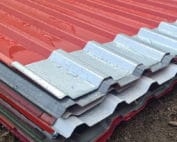
Before delivery, plan the storage location for the packs and how they will be lifted. The weight of a pack concentrated in one place is not the same load as the finished covering distributed over the roof. The arrangement of material on the structure should follow the agreed work organisation. This helps avoid overloading before proper installation begins.
7 branches. Materials closer to your project.