Roof coverings
Classic or contemporary: matching a metal tile profile to your home
In brief
The choice between classic and modern profiled roof tiles depends mainly on the proportions of the roof and the whole house, not on the pattern name alone. Check how a given profile looks across a large roof area, not just on a small sample, because regular repetition can change how it is perceived. Pay attention to wave width, step height and row layout, as well as colour, gloss and how it fits with the façade and joinery. Finally, compare two versions on the same building form and in the same colour so you can consciously decide what should dominate.
How do the two design directions differ?
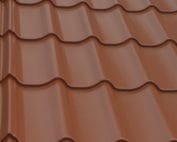
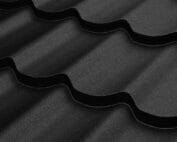
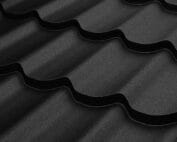
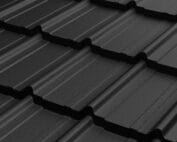
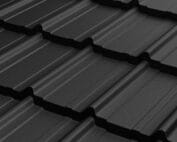
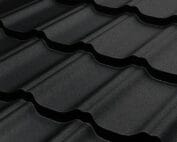
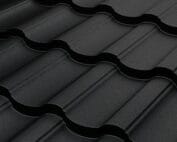
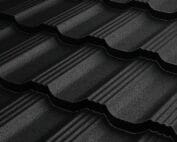
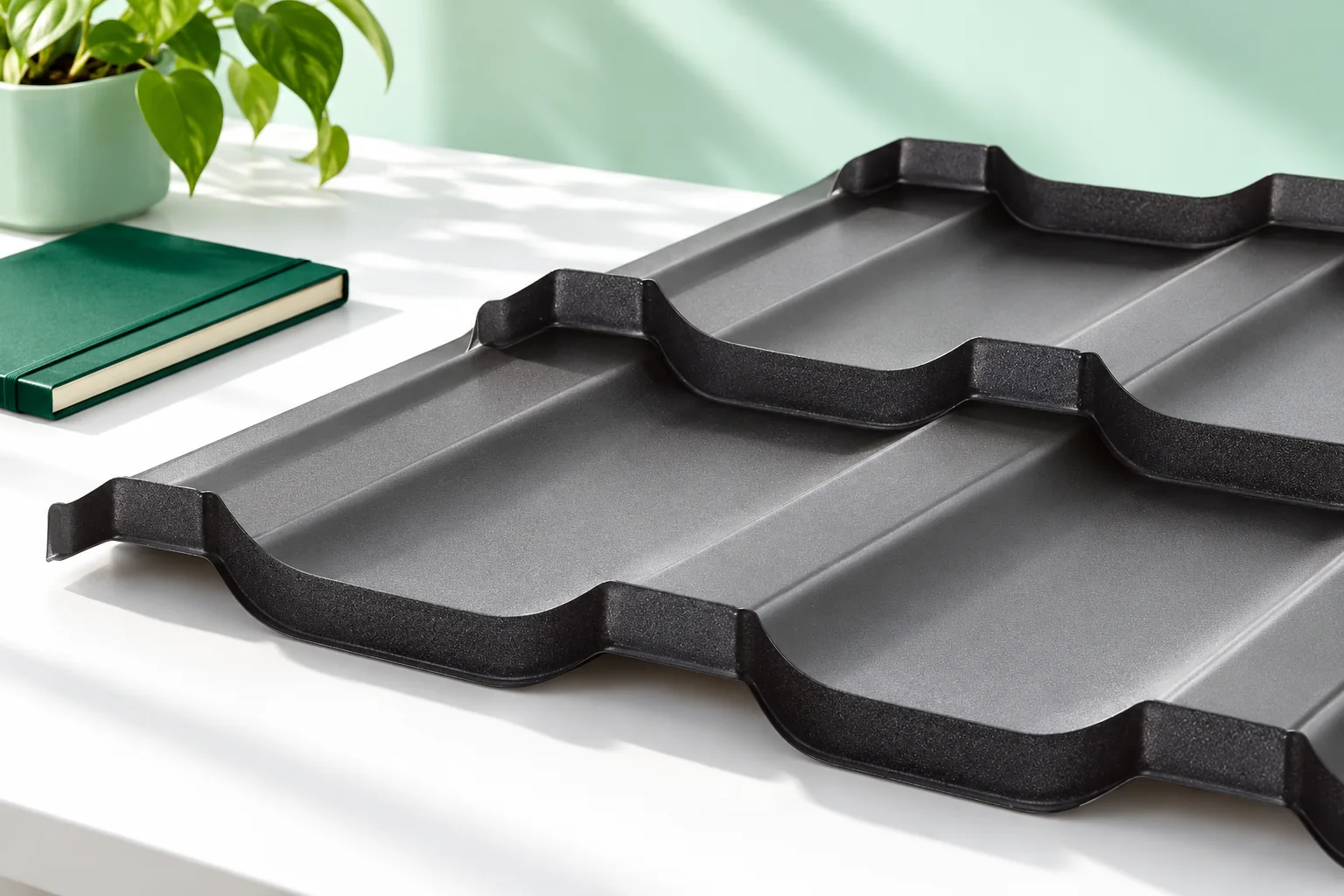
A classic pattern references traditional tiles through rounded lines and regular transverse steps. Modern profiles may have flatter fields, sharper edges or more pronounced divisions. This is not a technical division into an older and better material. Both groups can come in various formats and coating systems.
It is therefore important to look at the cross-section and a larger section of the covering. The name of the pattern alone does not explain its character. The width of the wave, the height of the step and the way successive rows are laid matter. These features affect the shadow and rhythm of the roof, but they do not replace information on the permissible pitch or the method of fixing.
How does the building’s form change the perception of the profile?
On a large, simple roof even a subtle pattern becomes visible through regular repetition. With numerous dormers the pattern is divided by openings and flashings. In that case very strong geometry can compete with the architecture itself. This does not mean that a distinctive tile-effect metal roofing is prohibited, but that it is necessary to establish consciously what should dominate.
A good way to assess this is to compare two versions on the same building form and in the same colour. Otherwise it is easy to attribute the difference in profile to colour or lighting. Pay attention to the view from the entrance, the garden and the street. A roof viewed from below can look much flatter than in a photograph taken from above.
Does matt always mean modern?
A matt finish limits distinct reflections of light, so it often gives a calmer effect. However, it can also suit a traditional house well. A gloss finish shows changes in lighting and the curvature of the profile more strongly. Neither of these finishes is by definition better or more durable. Protection is determined by the specific coating system.
It is worth viewing the sample together with the façade and the windows and doors. The same grey colour in matt and gloss can look different despite a similar designation. The difference is increased by the surface texture. If the roof is to be visually connected with a fence or garage, compare the actual materials. Do not assume perfect matching on the basis of photographs from different catalogues.

What role do flashings and accessories play?
A simple geometric profile usually requires particular discipline in the finishing. A curved ridge line or an arbitrary width of the barge board can stand out more strongly. With a classic wave, too, it is worth ensuring consistent details. Flashings must match the height of the profile and drain water correctly, not merely repeat its colour.
Before buying, check the available solutions for chimneys, roof penetrations and roof access. The visible part of the fixing can significantly affect the appearance of a small roof slope. This does not mean you have to give up the accessories you need. It is better to plan their position and colour in advance than to look for an aesthetic solution once the whole roof has been completed. With a low eaves, also check the view from underneath. The colour of the soffit, the width of the fascia board and the exposed end of the covering influence perception just as much as the pattern itself. They can be laid out on a single sketch before the flashings and drainage elements are ordered.
Does the format of the covering dictate the style?
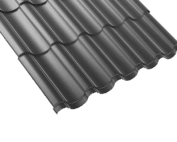
No. Modular tile-effect metal roofing can have a traditional wave, while a sheet cut to size can create a calm, contemporary pattern. The format mainly affects transport, cutting and installation. It is worth separating these issues from aesthetics. That way you will not reject a practical solution simply because it is associated with a different group of patterns.
On a complex roof, compare the arrangement of joints and cut-offs. On a simple roof, see how the rhythm of the modules works out at the ridge and the eaves. The repeatability of the profile between roof slopes is also important. Separate extensions may have different covering lengths, so planning should cover the whole building, not just its largest part.
How do you choose a pattern with the longer term in mind?
Base your choice on the permanent elements of the house. The proportions of the building volume, the colour of the brick or the size of the windows change less often than garden decorations. The pattern should harmonise with them. Before the final decision, look at a completed project of a similar scale if one is available. Treat a photo of someone else’s house as an aid, not as proof that an identical effect will be created in your case.
Finally, check the technical side and the full cost. An attractive profile may require a different pitch, substructure or detail than originally planned. Choosing classic or modern only makes sense among the solutions permitted for the roof. In this group, it is worth trusting proportions and consistency of materials more than the temporary popularity of a pattern.
7 branches. Materials closer to your project.