Roof and energy
Planning delivery and storage of BIPV roofing components
In brief
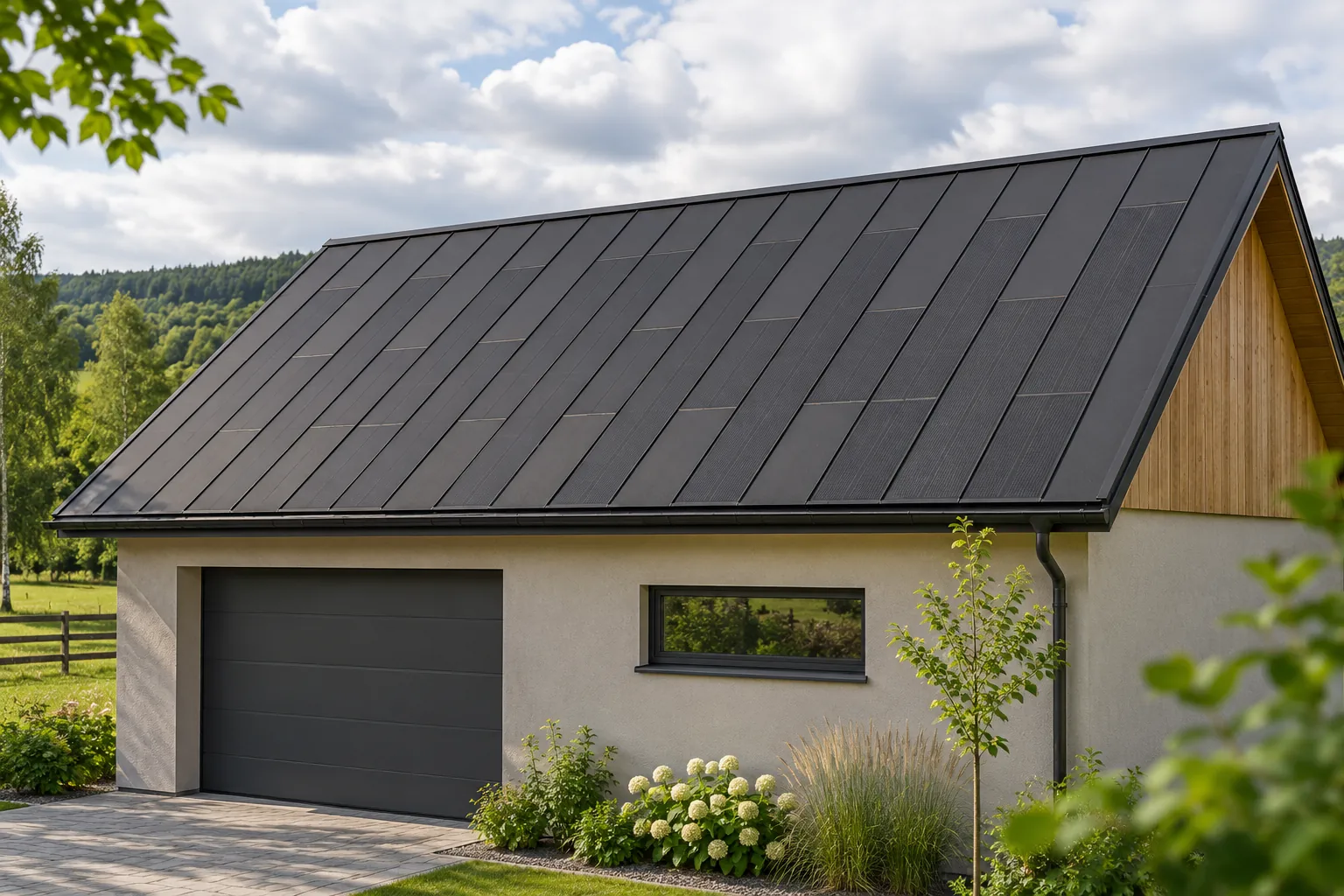
A good BIPV roof delivery starts with an unloading plan. Roofing elements with integrated cells require careful handling, suitable support and protection in accordance with the instructions. On a small plot, space between the scaffolding and stored materials can quickly run short. It is worth agreeing the logistics before the vehicle arrives. This helps to reduce downtime, accidental damage and elements being left in unsuitable places. The contractor should know the access route, the gate width, the parking position and the unloading options. Overhead cables at the entrance, soft verges and the space needed for equipment to operate must be taken into account. The information that a lorry once entered the property does not replace establishing the parameters of the specific delivery and the planned unloading method.
What should be established before the delivery date?
It is also worth establishing who will be present at acceptance and where the documents will go. A roof may include active panels, passive panels and numerous accessories. All parts should be assigned to the order. A missing small component discovered only while closing the roof surface can halt the entire stage of works.
Where space is limited, it is worth agreeing the transport time with other crews. Simultaneous delivery of windows, insulation and roofing can block the only unloading point.
Why should panels not be treated like ordinary sheet metal?
The active element combines the covering with the photovoltaic part. Its weight and sensitivity to improper support differ from the properties of the steel sheet itself. The method of gripping, carrying and setting down should follow the instructions. Elements must not be lifted by cables or by parts not intended to bear loads.
Protection of edges and surfaces is also important. Damage may be barely visible at the moment of unloading and only become apparent later. It is therefore worth limiting repeated handling of the material. A delivery prepared close to the installation point helps, provided it does not hinder work and maintains the required storage conditions.
How should the storage area be planned?
The substrate must be suitable for the weight of the load and stable. Elements should remain laid down in accordance with the manufacturer’s recommendations. Protection against accidental impact, water and contamination from other works must be taken into account. It is not worth placing packs in the machine traffic zone just because it is closest to the gate.
The way the material is covered also requires attention. Accidental tight wrapping does not always ensure the right conditions. The requirements for packaging, ventilation and storage time must be applied. If installation is delayed, it must be checked whether the originally adopted storage method still complies with the instructions.
What should be checked on receipt?
The delivery should be compared with the documents, and the packaging and visible elements inspected. Any damage found should be recorded and photographs taken at the moment of acceptance. This is not about replacing specialist inspections but about reliably documenting the condition of the goods. The procedure for reporting comments should be known before the transport arrives.
Numbers and markings of active elements may be needed for installation documentation and later servicing. Important labels should not be removed, and parts should not be mixed without a record. Passive materials and flashings must also match the ordered system. A matched colour does not confirm the technical compatibility of a substitute.
How do you link logistics with the installation sequence?
The plan should take into account access to elements in the order needed on the roof. Storing all accessories under the heaviest pallet makes work difficult and increases the number of times things have to be moved. It is worth separating the area for materials, tools and waste. This makes it easier to keep things tidy and reduce the risk of accidental damage to surfaces.
The method of bringing elements onto the roof slope must also be established. It depends on the building, the weight of the panels and the equipment used. It should not only be decided on the day of installation. At the same time, the electrician’s work should be planned so that cables and connections are made at the right moment, before access becomes restricted.
What does a well-planned delivery achieve?
It saves the crews time and allows them to focus on installation in line with the design. An integrated roof can be completed efficiently when the roofing and electrical components arrive within the agreed scope. This does not mean, however, that every installation will be short regardless of the building. Weather, geometry and substrate preparation still matter.
Logistics are therefore part of installation quality. Agreed unloading, proper storage and clear acceptance help preserve the material’s parameters and clarify responsibility. On a BIPV roof they also protect the value of the energy component. It is better to spend time on this plan than to repair the effects of improvisation on a crowded site.
Players in the photovoltaic roofing market include Megasol Energie, Wienerberger Wevolt, GAF Energy, Electrotile, Nelskamp, MDM NT (MyRoof), SoliTek, ML System, SunRoof and SolRoof.
7 branches. Materials closer to your project.

- SEROCK — Dzierżenin 34 E
- BŁONIE — ul. Sochaczewska 138A
- RADOM — ul. Grobickiego 8
- ŁÓDŹ — Natolin 8
- OLSZTYN — Barczewo, ul. Prosta 9
- WROCŁAW — ul. Jerzmanowska 10C
- GORZÓW WLKP. — ul. Zielona 33/34