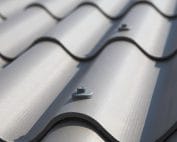
Fibre cement roofing
Storing straw under corrugated fibre cement roofing: moisture and safety
In brief
Straw needs protection from water and from conditions that encourage it to become damp again. Corrugated fibre cement sheets can shelter such a store, but the covering alone does not ensure correct storage. Asbestos-free fibre cement must be selected together with ventilation, drainage and rules for using the storage area. Rain can get under an open shelter from the side, and moisture can also rise from the ground. Before choosing the sheets, the whole storage zone must therefore be assessed. The slope of the ground, the height of the stack and shelter from the prevailing direction of driving rain all matter. A roof will not fix a wet base to the stack. The arrangement of the beams should allow inspection and maintenance of the drainage. Filling the space right up to the eaves can make a leak harder to spot.
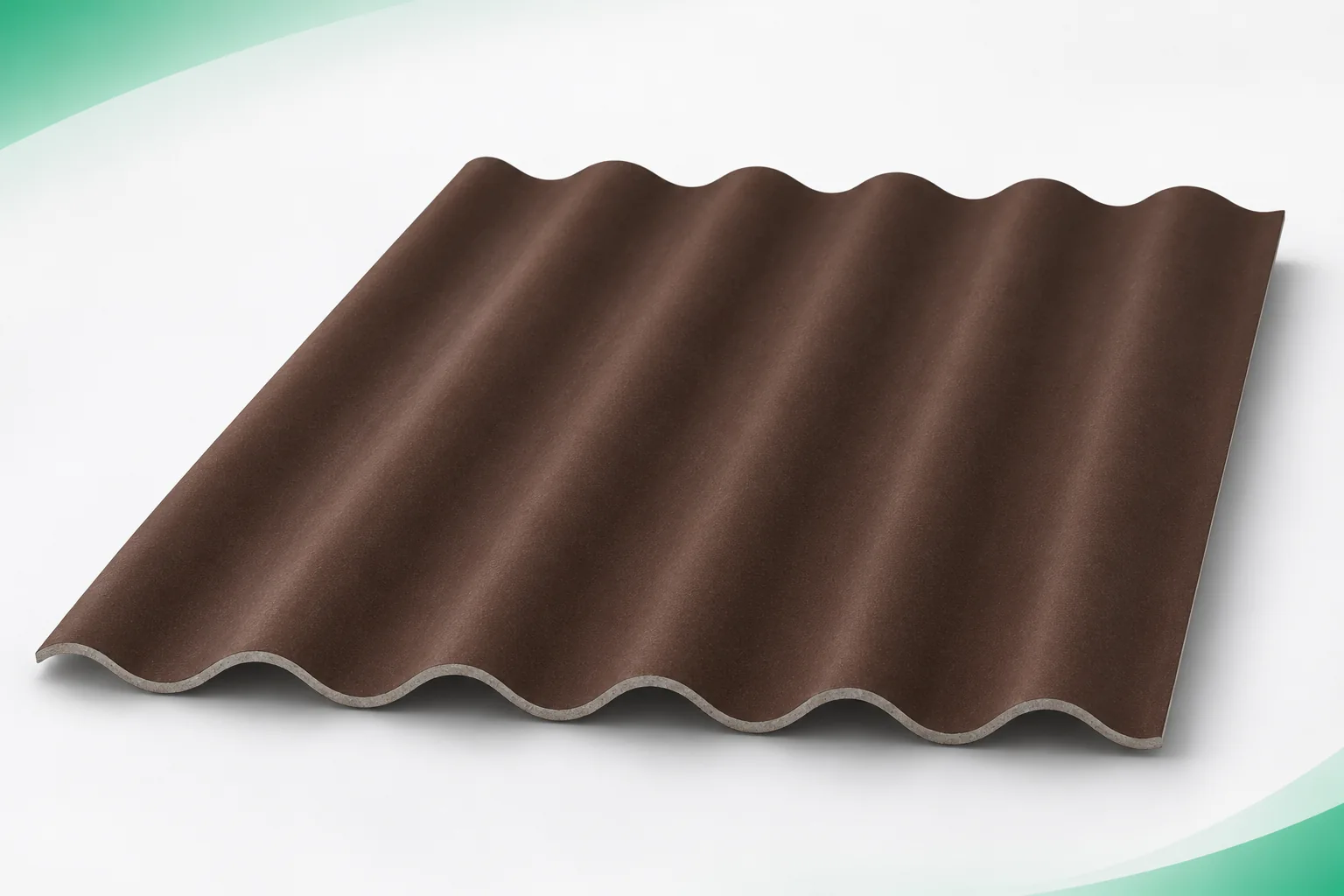
A roof protects from only one side
It is worth leaving access to the places where the roof slope meets the wall or a fixture. The required distances result from the design and the organisation of the store.
The material delivered to the store also matters
The conditions at the time the straw is received are part of the storage process. The covering is intended to limit the influence of the weather, but it does not automatically dry material brought inside. The stock and its moisture content should be monitored independently of the choice of roof. A questionable batch is not assessed solely on the basis of the dry surface of the bale.
Corrugated fibre cement sheets do not replace proper preparation and arrangement of the straw. If moisture problems have occurred previously, both the roof and the storage method must be checked. Only by separating the sources of the problem can it be determined whether the covering needs repair, or the ventilation or the organisation of the store needs to be changed.
Condensation remains possible
In cool conditions, water vapour can condense on the underside of the roof slope. Fibre cement can temporarily absorb some moisture, but its capacity is limited. Asbestos-free fibre cement does not guarantee that there will be no dripping. The material and the building must have conditions that allow drying.
Well-designed ventilation removes humid air without accidentally directing precipitation onto the stock. In an open shelter the solution looks different from that in a closed barn. Covering all openings before winter can change the storage conditions. Such a change is assessed for the entire building.
The sheet’s reaction to fire does not describe the composition of the straw
A fire reaction class is declared for a specific sheet. It does not automatically determine the fire safety of the entire store. Straw is a separate material, and installations and patterns of use also matter. Corrugated fibre cement sheets are only one element in the assessment of the building.
When planning the store, the fire protection requirements for the actual facility must be taken into account. Decisions should not be based on a general claim of a non-combustible roof. Access routes, separation of functions and the condition of installations should be checked by the appropriate persons. The covering does not remove the risk associated with the stored stock.
A large roof area requires correct support
A wide roof can have a simple shape but still carries the weight of snow and wind loads. Corrugated fibre cement sheets are selected for the supports in accordance with the system and calculations. An open wall changes the effects on the roof. Fixings must not be assumed solely on the basis of experience with another building.
The overlap and the arrangement of rows affect material consumption. A larger sheet does not always result in a lower cost after cutting. It is worth preparing a schedule for the entire roof slope, including the edges and the ridge. This helps to limit ad hoc cutting and accidental joining of mismatched elements.
Rainwater needs an unobstructed drainage path
Gutters and downpipes must not end next to the stored straw. Their position should allow cleaning without moving the entire stock. After heavy rain, it is worth checking the ground by the shelter. A puddle under the eaves may indicate a drainage problem rather than a problem with the sheet itself.
Corrugated fibre cement sheets require the direction of flow to be maintained along the corrugations. Penetrations and flashings should not create barriers there. Dirt, leaves or straw blown near the gutter can gradually restrict drainage. Regular observation of these places is simpler than repairing the effects of prolonged dampness.
Plan repairs with protection of the stock in mind
Before opening the roof slope, it is established what is underneath the work area. Straw and equipment must be protected in accordance with the scope of work. The ability to quickly cover the exposed part of the roof is also important. The weather forecast helps to choose the date but does not guarantee the absence of rainfall.
With an old covering of unknown composition, one does not start by drilling or breaking. First, the type of material is established. If it contains asbestos, removal and waste require a prepared contractor and proper organisation. Ordering a new asbestos-free sheet does not resolve this stage.
Carry out inspections without walking on the sheets
In a straw store, the ability to observe the underside of the roof and the edges of the slope is particularly important. It is worth noting the locations of damp patches and the weather at the time they appear. Water at the overlap may have a different cause from uniform drops after a cold night. Such information helps the contractor.
Asbestos-free fibre cement is not a walking surface. Suitable platforms or other specified safeguards are set up for the work required. Keeping the markings on sheets and accessories will make future part selection easier. As a result, the repair will not consist of matching a sheet with only a similar corrugation.
Assess the straw storage location from the substrate to the ridge. Only such a review makes it possible to identify what the roof requires and where changes in use are needed.
7 branches. Materials closer to your project.