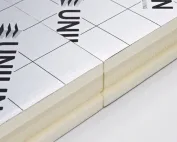
PIR insulation
IDELCO SIP: separating structural and thermal functions
At a glance
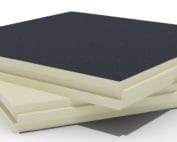
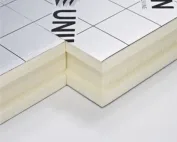
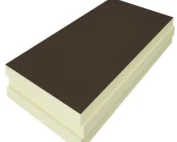
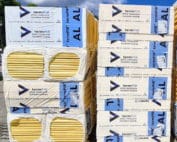
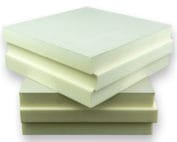
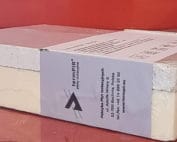
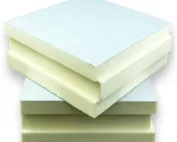
IDELCO α-therm SIP in the Smartbuild system is a panel solution that must be distinguished from the thinly laminated PIR insulation boards of the same brand. The selection concerns the construction of the panel, its joints and its support. The core limits heat flow, but the load-bearing capacity and classification of the entire wall cannot be inferred from the name of the insulation alone. At the detail of the junction, the transfer of forces, the sealing and the external protection against precipitation must be separated. This guide explains how to read the scope of the system, plan openings and installations, and compare prefabrication offers. The general term “polyurethane boards” does not describe the structural function of the finished panel.
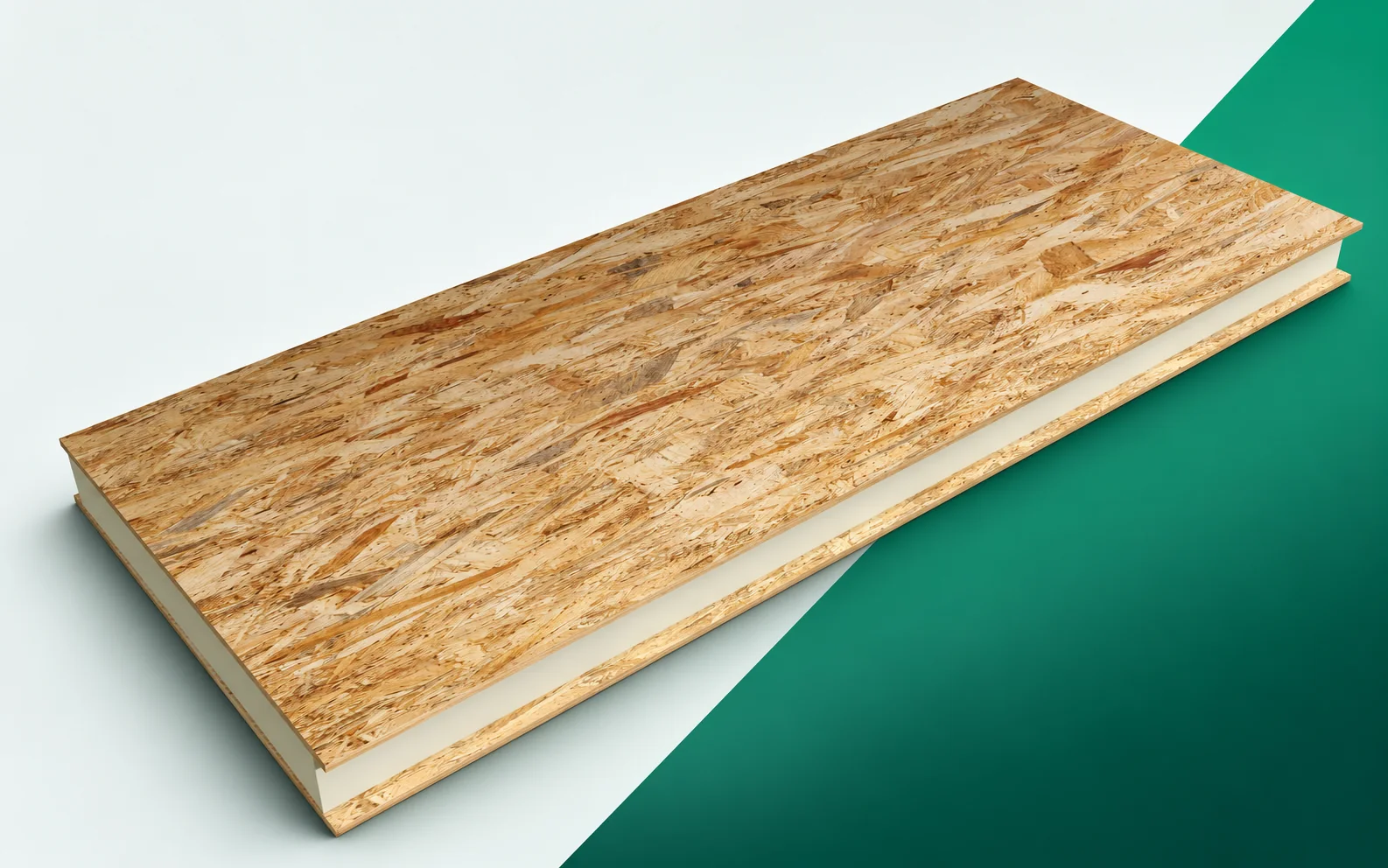
PIR boards versus structural SIP panel
The Smartbuild cross-section should identify the load-bearing elements and the role of the thermal insulation layer. A structural panel performs a different scope of work from a PIR board in a thin laminate. The category of the ordered element must therefore be assigned to a specific task in the building.
Core lambda and panel U-value
Lambda characterises heat conduction in the core, whereas U describes heat transfer through the finished panel. In the SIP comparison, keep these parameters in separate columns. Compare lambda with lambda and U with U, taking into account the scope of the stated result.
Supplement the data for the SIP panel area with an assessment of its joints and support. The geometry of the connections can change the thermal result of the entire building envelope. Such a separation of data allows the thickness to be selected without equating material parameters with the properties of the building structure.
Polyurethane insulation in a prefabricated building envelope
The α-therm SIP prefabrication plan should indicate the position of each panel, the openings and the installation routes. Before delivery, check the tolerances of the substrate. Installation and connections must be carried out according to the same design so that the elements reach the correct parts of the structure.
Before producing SIPs, agree the openings and the routing of services. Cutting or damaging the facing can affect structural performance, so the panel should not be treated like an ordinary offcut of insulation. Check the numbering, opening dimensions and substrate tolerances against the installation plan.
Airtightness and the transfer of forces at the joint
SIPs need designed seals beyond the middle of the panel too: at the foundation, in the corner, around openings and at the junction with the roof. Good field performance does not repair a poorly detailed perimeter.
At the SIP junction, show the routing of fixings, seals and finish layers. The sequence of works must allow each of them to be carried out while maintaining compatibility of the materials in contact. Prefabrication does not remove the need to coordinate water protection with load transfer.
Load-bearing capacity and classification of the correct configuration
No permissible spans or load-bearing capacities of SIP panels are attributed to IDELCO boards in the laminate. The fire class of the entire wall cannot be derived from the name of the core alone. Load-bearing capacity and fire classification must be assessed for the actual SIP panel assembly.
The SIP documentation must correspond to the ordered thickness, facings, support and joint configuration. Compare the scope of the system assessments with what is to be built. The properties of ordinary PIR insulation do not constitute confirmation of the load-bearing capacity of a prefabricated wall.
Polyurethane insulation versus the price of a complete SIP system
The α-therm SIP offer describes part of the building system. Check whether the price includes the design of the elements, fasteners, seals, transport and installation. The absence of any one of these scopes changes the cost of bringing the structure to the agreed condition.
Base the comparison of SIP costs on the same completed function of the building envelope. Compile a list of the prefabricated elements supplied and the work remaining after installation. The price per square metre of the thermal insulation alone does not correspond to the price of the panel including design, transport and execution of the joints.
A case worth considering
For the α-therm SIP panel, separate two tasks: transferring forces and sealing the joint. Sealing does not replace a structural fastener, and a fastener alone does not cut off the path of moisture. External protection against precipitation acts separately. Mark these three functions on the corner detail drawing so that the detail corresponds to the panel’s construction and the way it works.
7 branches. Materials closer to your project.