Polystyrene and thermal insulation
Combining bitumen roofing felt and EPS insulation safely
At a glance
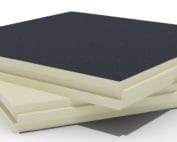
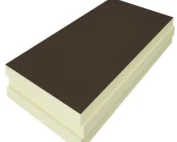
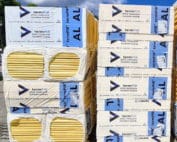
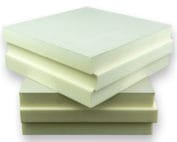
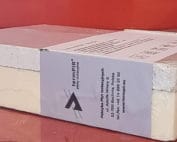
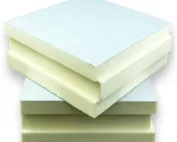
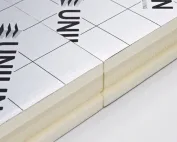
Bituminous membrane can be used on roofs insulated with EPS, but the technology must protect the polystyrene from temperature and from incompatible products. A system on ordinary boards is installed differently from one on polystyrene roofing boards (styropapa). Specific base layers, fixing methods and detail solutions are required. Simply covering EPS with bituminous membrane does not permit arbitrary welding. An ordinary roof board has a polystyrene surface. A polystyrene roofing board is a product in which an EPS core is bonded to a suitable bituminous facing. The laminate may be present on one or both sides. It has a specific type, dimensions and method of forming joints. An accidentally laid piece of bituminous membrane should not be treated as the equivalent of a factory-prepared board.
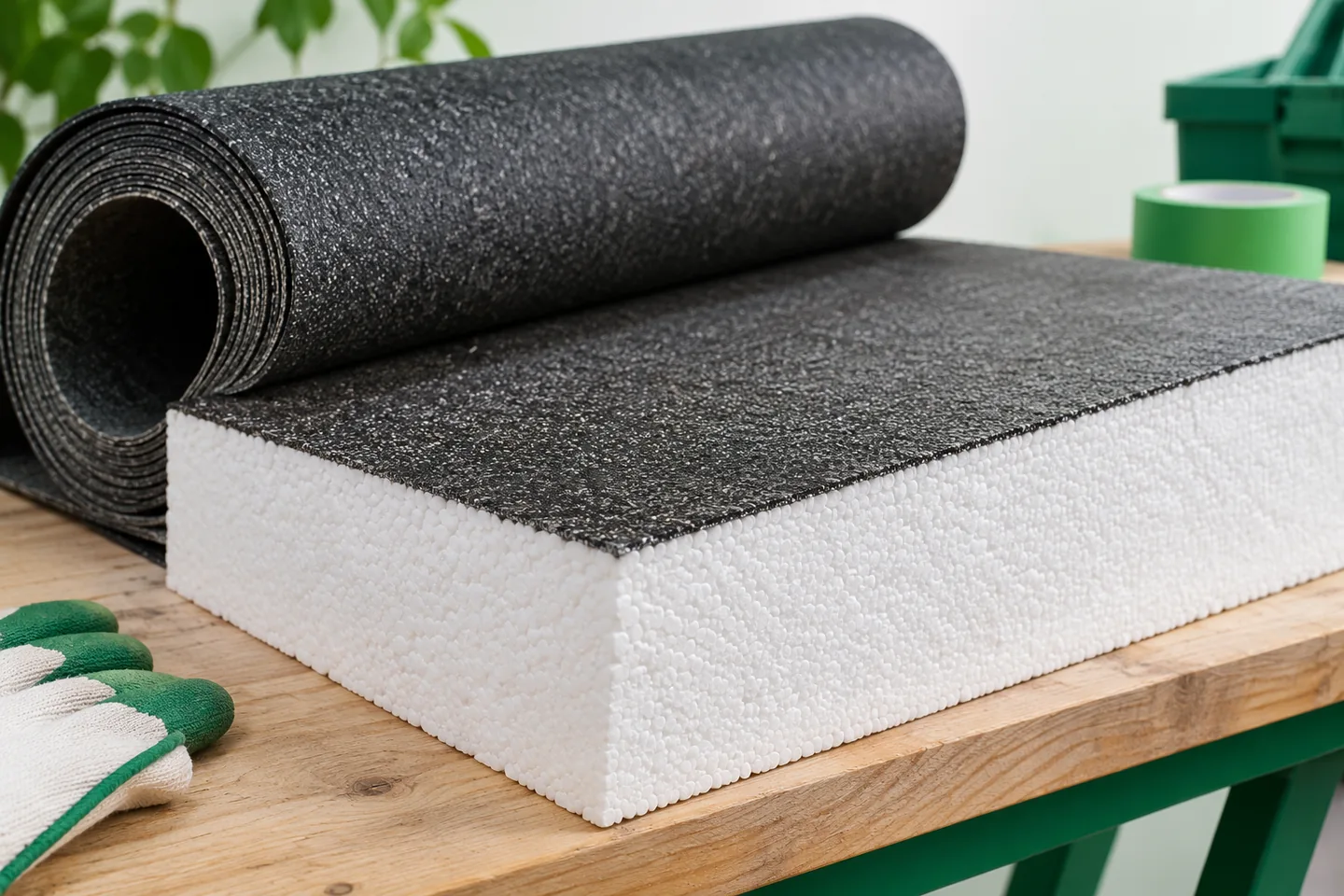
Distinguish between EPS board and styro-papa
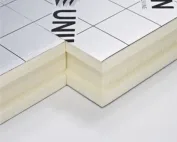
The documentation for the polystyrene roofing board determines the further covering technology. The facing does not automatically mean a finished, watertight roof covering. The required joints and layers must still be carried out. At the time of purchase, the type of core, the mechanical properties and the method of fixing must be established. The name polystyrene roofing board covers various products which do not necessarily have an identical scope of application.
Why does temperature require monitoring?
Polystyrene is not resistant to direct exposure to flame or the high temperature of the welding process. The torch must not be directed at exposed EPS. Overheating can damage the material even at gaps, edges and details. The technology must therefore specify the protective layer and the sequence of operations. The mere fact that the surface has been covered does not eliminate all risks.
There are solutions with a substrate fixed mechanically, self-adhesively or in another way specified by the manufacturer. Only on a properly prepared layer is the next covering laid in accordance with the instructions. Application methods from different systems should not be mixed. Particularly important are the places where the substrate ends and the polystyrene remains close to the weld being made.
Check the compatibility of adhesives and primers
Products compatible with polystyrene are required for contact with EPS. Some solvents can damage it. The requirement applies not only to the adhesive under the boards but also to products used for repairs and details. A product intended for bituminous membrane on concrete does not have to be suitable in contact with polystyrene. The scope of application must be checked in the documentation for the specific product.
Application conditions include the state of the substrate, the temperature and the time needed before the next layer is laid. These stages should not be shortened on the basis of an assessment that the surface looks dry. If the new system is to be bonded to old bituminous membrane, an assessment of its adhesion is needed. A weak layer underneath can limit the load-bearing capacity of the bond regardless of the quality of the new adhesive.
How should the whole system be fixed?
It must be established which layers are bonded and which are mechanically fixed. The design takes into account the type of substrate and wind suction. In corner zones and at edges, different requirements may apply than in the middle of the roof slope. There is no single number of fasteners suitable for every roof. Suitable anchoring should relate to the identified load-bearing part of the structure.
EPS is also selected for service loads. The properties of the core matter under supports, service routes and usable layers. The bituminous membrane is not a rigid board that distributes pressure arbitrarily. The CS(10) parameter does not determine the permissible load over many years. Under constant forces, data for assessing creep and a solution for transferring pressures are needed.
What should be checked at the laps and details?
The tightness of the covering depends on the execution of joints, outlets, flashings and penetrations. The overlap of the facing of the polystyrene roofing board has parameters specific to the given product. It must not be arbitrarily reduced in order to gain covering area. The junctions with the parapet and equipment bases must also be resolved. The detail should allow the work to be carried out without exposing the EPS to the action of the burner.
During renovation, the unevenness of the old substrate and the water trapped in the layers are important. New bituminous membrane will not repair drainage defects or an incorrect moisture regime. Before covering, the boards, slopes and prepared substrate must be accepted. A well-planned sequence reduces the number of emergency cuts and corrections made on the already completed waterproofing.
How can the properties of the finished roof be confirmed?
Fire requirements must be checked for the entire configuration, including the substrate, insulation, underlay and top layer. The E class of the board alone does not determine the fire resistance of the roof covering or its behaviour under external fire. In turn, the classification of a specific roof does not automatically cover a change of bituminous membrane or the omission of a separating layer. The scope of the document must be related to the project.
EPS manufacturers include, among others, Paneltech, Neotherm, Swisspor and Arsanit. Choosing a material for a bituminous covering requires specifying the particular grade and technology. It is best to order a system with clearly described layers and details. This gives the contractor a defined way of working, and acceptance can concern compliance with the documentation, not just the appearance of the top surface.
7 branches. Materials closer to your project.