Polystyrene and thermal insulation
What is bitumen-faced EPS, and when can it help with roof refurbishment?
At a glance
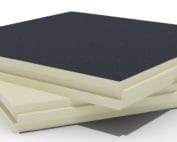
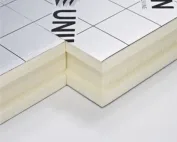
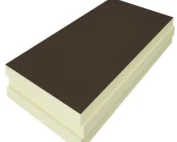
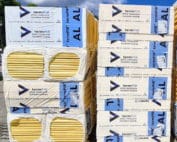
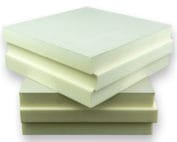
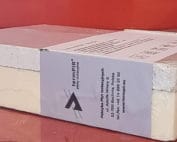
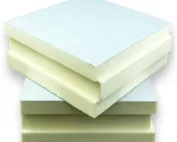
A styropapa is an EPS board bonded to a layer of base roofing felt. It combines the function of thermal insulation with a prepared substrate for the subsequent covering layers. It can make work on the roof easier, but it does not replace an assessment of the old roof surface. Its use requires checking the substrate, moisture, fixing and the technology used to install the covering. The core is suitably selected polystyrene, and roofing felt is located on its surface. Lamination may be single-sided or double-sided, depending on the product. The boards come in specific formats and thicknesses. Some solutions have projecting felt overlaps that are used to make joints according to the manufacturer’s instructions. In the documentation, for example, a format of 1000 × 1500 mm and a felt overlap 50 mm wide on two adjacent sides are found.
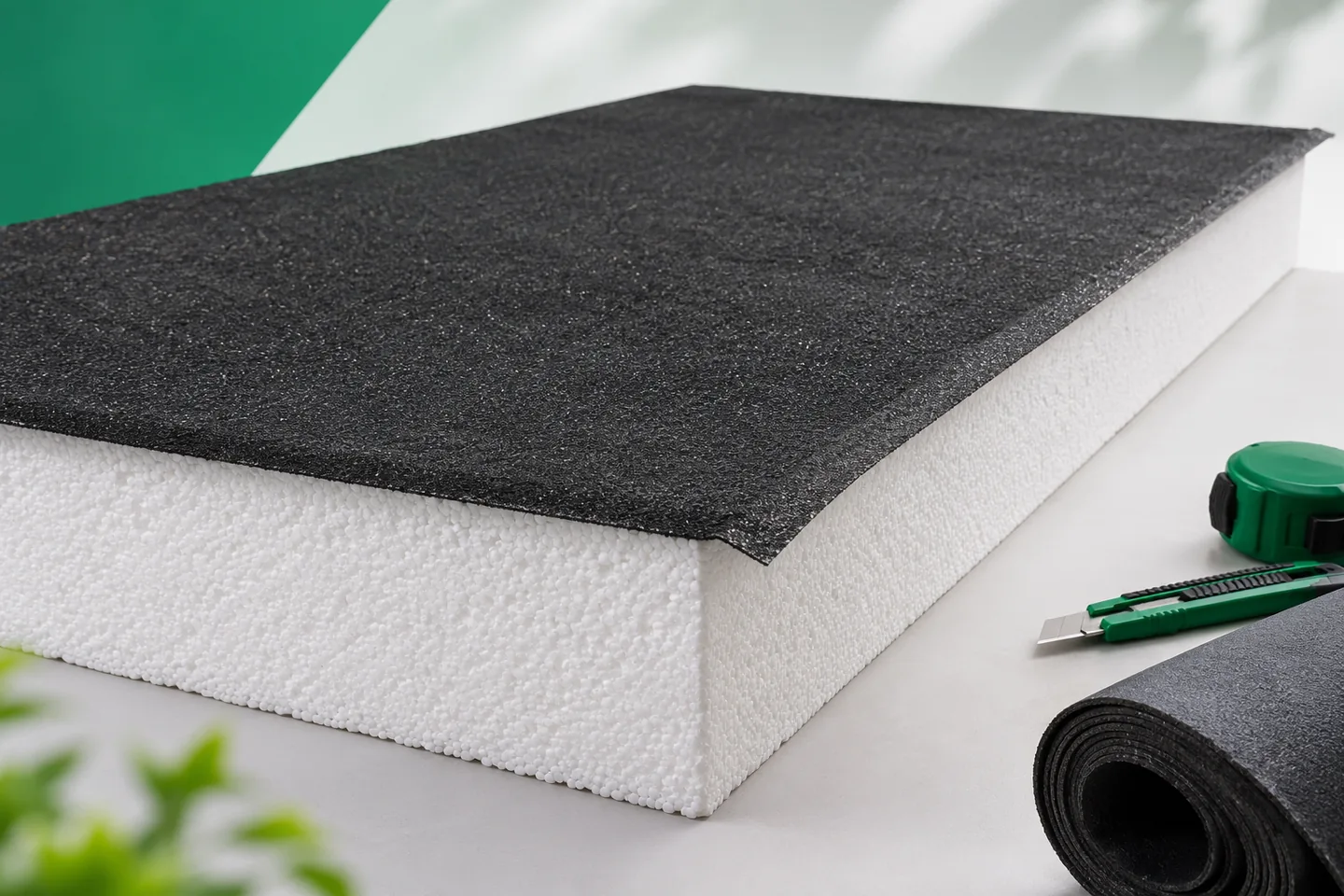
How is a styropapa constructed?
These are features of a specific variant, not a rule for every styropapa. Before ordering, it is worth checking the product drawing. It makes it easier to calculate the covering correctly and helps avoid inventing connections at the installation stage. It is also worth establishing which side the laminate should be on and how adjacent boards should be joined. Reversing the element or confusing the direction of the laps can make it difficult to achieve a tight finish of the roof slope.
When can it make a roof renovation easier?
A board with a prepared laminate can reduce the number of operations carried out on the roof. It is useful where the design specifies EPS insulation and a covering compatible with its facing. It can be considered when modernising an existing roof slope if the old substrate is suitable for leaving in place. This does not mean automatic approval for installation on every old bituminous felt roof.
The adhesion, evenness and stability of the existing layers must be assessed. Blisters, loose fragments and moisture require investigation. If the substrate is weak, the new layer will not repair its fixing. Similarly, additional EPS will not restore the load-bearing capacity of a damaged floor structure. Renovation should begin with determining the causes of the defects and the extent of the layers being retained.
Choose the core to suit the roof loads
A styropapa inherits some of its mechanical properties from the EPS used, but it must be assessed as a specific product. Compressive parameters and data for assessing long-term deformation are needed. It is worth checking the expected service movement and the possibility of installing equipment. A thin layer of bituminous felt does not by itself form a rigid board that distributes every load.
The CS(10) parameter is not a permissible service load. With permanent supports, creep and the design of protective layers must be taken into account. The thickness of the polystyrene, on the other hand, results from thermal calculations and the available space. The Uc value relates to the entire roof, so it should not be equated with the lambda value or the resistance of the core alone.
Determine the method of fixing the boards
The fixing may be based on adhesive bonding, fasteners or another solution specified in the documentation. It must be suited to the substrate and the wind load. Particular attention is required at the corners and in the zones near the edges. There is no single universal number of fixings that can be applied to every building without calculation.
The adhesive should be compatible with both the EPS and the substrate. The requirements regarding moisture and surface preparation must be checked. A solvent that damages polystyrene can destroy the core despite the laminate appearing to have been correctly bonded. During installation, the boards must also be protected against edge damage and excessive loading by materials stored in one place.
The laminate is not a finished top covering
The bituminous felt on the board often constitutes a base layer. The factory facing should not automatically be counted towards the required number of covering layers. The documentation for the specific product and roof assembly is decisive. The subsequent layers must be executed in accordance with the system technology. It must not be assumed that the facing alone provides a finished, durable roof waterproofing. Laps, edges and penetrations require proper connection. Particularly important is the protection of the EPS against temperature during roofing work.
The fire documentation for the entire assembly must also be checked. The designation NRO in the name of the solution does not mean that the polystyrene is non-combustible. The classification of the roof’s behaviour under external fire relates to the layer assembly and the conditions of its execution. A change of covering, substrate or thickness requires an assessment of conformity with the scope of the document.
What should be checked when accepting the renovation?
Before covering the boards, it is worth checking the fixing, the continuity of the joints and the condition of the facing. The slopes and the areas around the outlets should be inspected. The added layer raises the roof level, which may require adjusting the parapets and the roof covering terminations. The acceptance inspection should also take into account the places where the new roof covering meets the older elements.
Polystyrene and products based on it are offered by, among others, Paneltech, Neotherm, Arsanit and Swisspor. The choice should be based on the documentation for the specific board and for the entire roof. A styropapa can bring order to a renovation and facilitate installation when it matches the adopted solution. It should not serve to quickly cover up unidentified leaks or to seal in damp old insulation.
7 branches. Materials closer to your project.