Roof coverings
What affects the environmental impact of metal roofing?
In brief
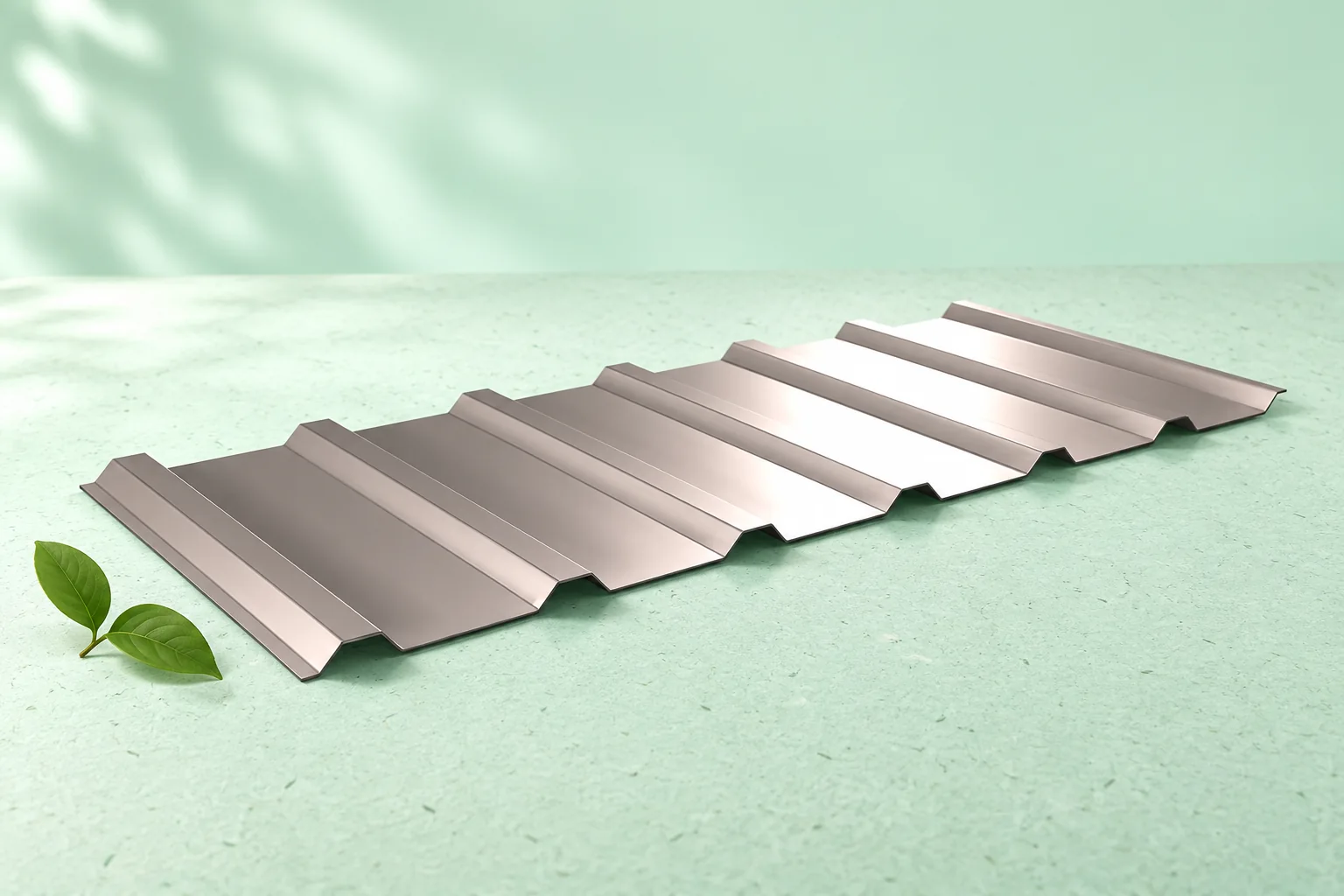
A metal roof can be an environmentally friendly choice, but only when the comparison covers a complete roof with comparable insulation and service life, not just a sheet of steel. It is worth checking whether the environmental declaration refers to a specific product, which life-cycle stages it covers and whether its unit matches the actual covering area. The cutting plan and the expected dismantling also affect the final balance. Rather than general assurances, the decision should rest on documents and service assumptions.
What exactly are we comparing?
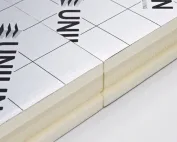
Environmental impact assessment requires a common reference point. A square metre of thin steel sheet and a square metre of insulated sandwich panel do not perform the same task. The first is a covering, the second also includes insulation and an internal lining. A fair comparison should concern a complete roof with comparable thermal performance and service life.
It is also not enough to count only the material purchased at the outset. Waste, coating replacements, repairs and the expected method of dismantling all matter. A product with a low initial environmental cost may require more frequent replacement. Conversely, a durable solution will not be beneficial if incorrect installation means it has to be taken down quickly.
What can be read from the environmental declaration?
An EPD declaration contains data on a product’s environmental impact according to specified rules. It is worth checking the unit, the scope of stages and the validity date. A result covering production is not the same as a result covering use and waste management. Two documents may present different system boundaries.
Before comparing, it is also necessary to check whether the declaration refers to a specific product, a product group or an average value. The thickness of the facings and core can change the result per square metre. The EPD mark alone is not a certificate that a given roof has the smallest environmental footprint of all solutions.
How can material waste be reduced?
On a simple roof, sheets cut to length can make good use of material. On a slope with roof valleys and dormers, planning smaller modules can be advantageous. However, there is no single waste percentage for every building. A cutting plan is needed that takes into account the profile direction, laps and the possibility of using offcuts.
It is also worth checking the unit of sale. The total area of the sheets differs from the coverage area. Excessive stock generates cost and material to store. Too little stock may necessitate a separate delivery. A sensible order combines accurate measurement with a reserve for realistic risk of damage, not an arbitrary allowance.

Does low weight reduce transport impact?
A lightweight covering can make transport easier and reduce the load on the structure. However, this does not translate simply into lower emissions for the whole project. Transport also depends on distance, vehicle utilisation and the number of trips. Long sheets or panels require specific logistics, even when their weight is not great.
In a renovation, a benefit can be retaining a sound structure instead of replacing it. However, the decision requires a technical assessment. Damaged timber should not be left in place solely in the name of saving material. Repair makes sense when it leads to a durable and safe solution with a predictable service life.
Why do coating and maintenance matter?
The coating must be matched to the environment. Different conditions apply in a quiet residential area than in a plant with aggressive vapours. Appropriate selection can reduce the risk of premature corrosion. Equally important are clean edges, correct fasteners and the absence of swarf left after installation.
Regular inspection of drainage and minor damage helps extend the useful life of the roof. This does not mean painting every scratch with any random paint. Repairs should be carried out in accordance with the coating instructions. A warranty is a set of liability conditions, not a promise that the roof will not require inspections throughout its term.
How does insulation change the building’s balance?
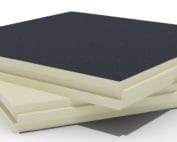
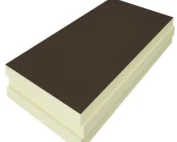
In a heated building, the roof contributes to heat losses. Good insulation and airtightness can reduce the energy needed to maintain temperature. It is therefore worth comparing materials at the same target thermal performance. A PIR board may allow a reduced layer thickness, but its selection still depends on the design and fire conditions.
It is not possible to honestly promise a single percentage saving for every roof covering replacement. The result depends on the previous condition of the roof, ventilation, heating and use of the building. Simply replacing tiles with sheet metal without improving insulation does not provide a basis for declaring a large reduction in heat demand.
What should be planned for end of life?
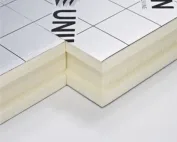
Steel is suitable for material recovery, but effective recycling requires the waste to be collected and passed on via the appropriate route. In a sandwich panel, the bonding of the facings to the core must also be taken into account. The whole panel must not be treated in the same way as a clean steel sheet. The real possibility of recovery depends on the available process.
When purchasing, it is worth asking for dismantling instructions and information on waste. Mechanical connections can facilitate the separation of components, although their condition after years must be assessed. A sensible choice is based on documents and a maintenance plan. Slogans about one hundred per cent environmental friendliness do not replace this data.
7 branches. Materials closer to your project.