Metal fence pickets and fences
Replacing a fence in stages: planning metal pickets over several seasons
In brief
Not every fence is built in a single stage of work. Sometimes the front is replaced first, then the sides and the rear. Metal fence pickets are suitable for such planning, but they require an orderly specification. A colloquial colour name and a phone photo are not enough to reproduce the variant after a longer period. It is also worth knowing from the outset which old structural elements will remain. Staging should organise the investment, not carry unresolved problems over to the next season. The first stage is a review of the posts, rails and their connections. New sheet metal pickets will not automatically strengthen a worn structure. If a post is leaning or a connection is loose, the cause must be removed. Otherwise the aesthetic infill will conceal the problem only for a time. The assessment should also cover elements standing on sections planned for later modernisation.
Assess the structure before buying the infill
Check the actual clear width of the bays and their verticality. An old fence may have different dimensions for successive bays. It is not worth ordering all the material based on the measurement of one section. Drawing out each section will establish where repair is needed and where replacing the infill is sufficient. Only on this basis can the scope of work be reasonably divided.
Choose one target variant
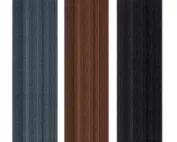
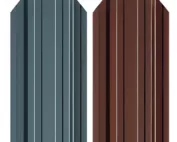
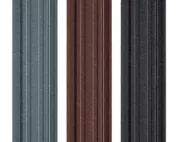
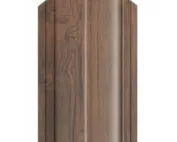
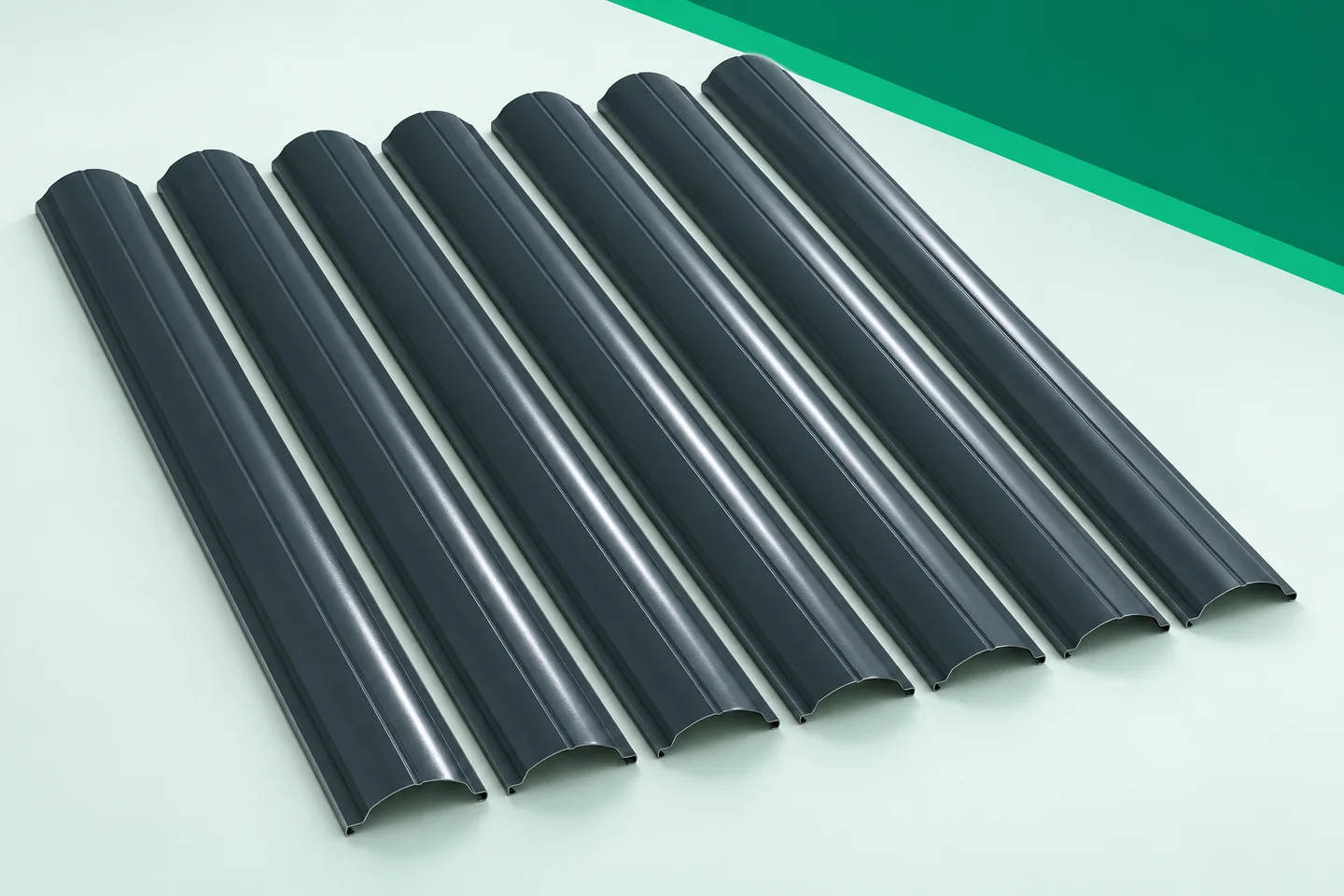
Staging should not mean choosing a new profile each time. Establish the cross-section, width, end piece, colour and type of coating for the entire project. Metal fence pickets of similar width may differ in depth and arrangement of pressings. When placed side by side in adjacent bays, these differences can be clearly visible. It is best to record the full data, not just the trade name.
Include the rear surface in the specification as well. A variant with colour on both sides is a different order from material with a decorative front and a different back. Keep a sample piece in conditions that protect it from damage. On the next delivery you will compare the texture and gloss against it. The sample alone does not guarantee an identical appearance of a later batch, but it allows a significant discrepancy to be noticed.
Ask about continuity of supply, but do not assume it permanently
The availability of the profile and coating may change. This is important if the work will be spread over several years. With the first order, it is worth asking about the possibility of ordering later. However, such information should not be treated as an open-ended guarantee. It is good to prepare an alternative way of finishing the stage, for example at a corner or at a clear division of the structure.
Buying all the material at once is also not always a good solution. Metal fence pickets must be stored in accordance with the instructions. Packs must not be left outside for several seasons. Moisture between the elements and rubbing of surfaces can cause damage. The decision to buy earlier should therefore take into account the actual storage conditions and the deadlines given by the manufacturer.

Finish each stage at a logical point
The clearest boundary for the work is the entire section between corners or a selected group of full bays. Interrupting the replacement in the middle of a bay complicates installation and spoils the order. If part of the fence remains old, it is worth making a clear transition at the post. There is no need to pretend that two different materials are identical. What matters is that the temporary arrangement is provided for in the plan.
The sequence of work should be well aligned with the other works on the property. If a driveway is still to be built in front of the fence, it may be worth waiting with the new pickets on that section. Mortar, dust and impacts during the works easily damage the finished surface. The schedule should limit unnecessary exposure of the material. This also makes the later acceptance of the work easier.
Keep a consistent rhythm across successive bays
Once the spacing has been established, record it together with how the end gaps are distributed. With the next batch, measuring from the centre of one picket to the next can introduce error. What exactly the given dimension means is important. It is good to keep a simple drawing of a reference bay. It should show the number of pickets, their width and the gaps at the posts.
If individual bays have different dimensions, it is not always possible to maintain every gap to the millimetre. A deliberate method of correction must be chosen. The difference can be distributed within the bay in accordance with the installation rules. However, the profile must not be deformed in an arbitrary way. Metal fence pickets should retain the geometry for which their fixing is intended.
Receive and document each section
After installation, check plumb, uniformity of spacing and the condition of the coating. Remove filings and dirt in accordance with the instructions. Record the date of completion and the batch markings used, if available. A few photos of details will help to reconstruct the position of the fixings later. However, they do not replace the material specification. It is best to keep both types of documentation together.
Staged fence replacement can be convenient if it leads to a single result from the first day. Metal fence pickets make it easier to match lengths and achieve a repeatable appearance. However, the success of the plan depends on measurements, a sound structure and keeping complete variant data. This means the next season starts with a prepared task rather than guessing again which material was installed previously.
7 branches. Materials closer to your project.