Roof coverings
Metal roof tile coatings and the conditions they are made for
In brief
When choosing a metal roofing tile, first compare specific coating variants rather than names alone. Check which layers make up the steel protection, what the steel and coating thicknesses are, and which environmental conditions the manufacturer declares. Polyester, polyurethane and multilayer systems differ in build and properties, so the group name does not define all parameters. Matt and gloss are appearance features, not full protection. Compare the finished product and its documentation, separating corrosion resistance from UV resistance and appearance retention.
What layers provide the sheet’s protection?
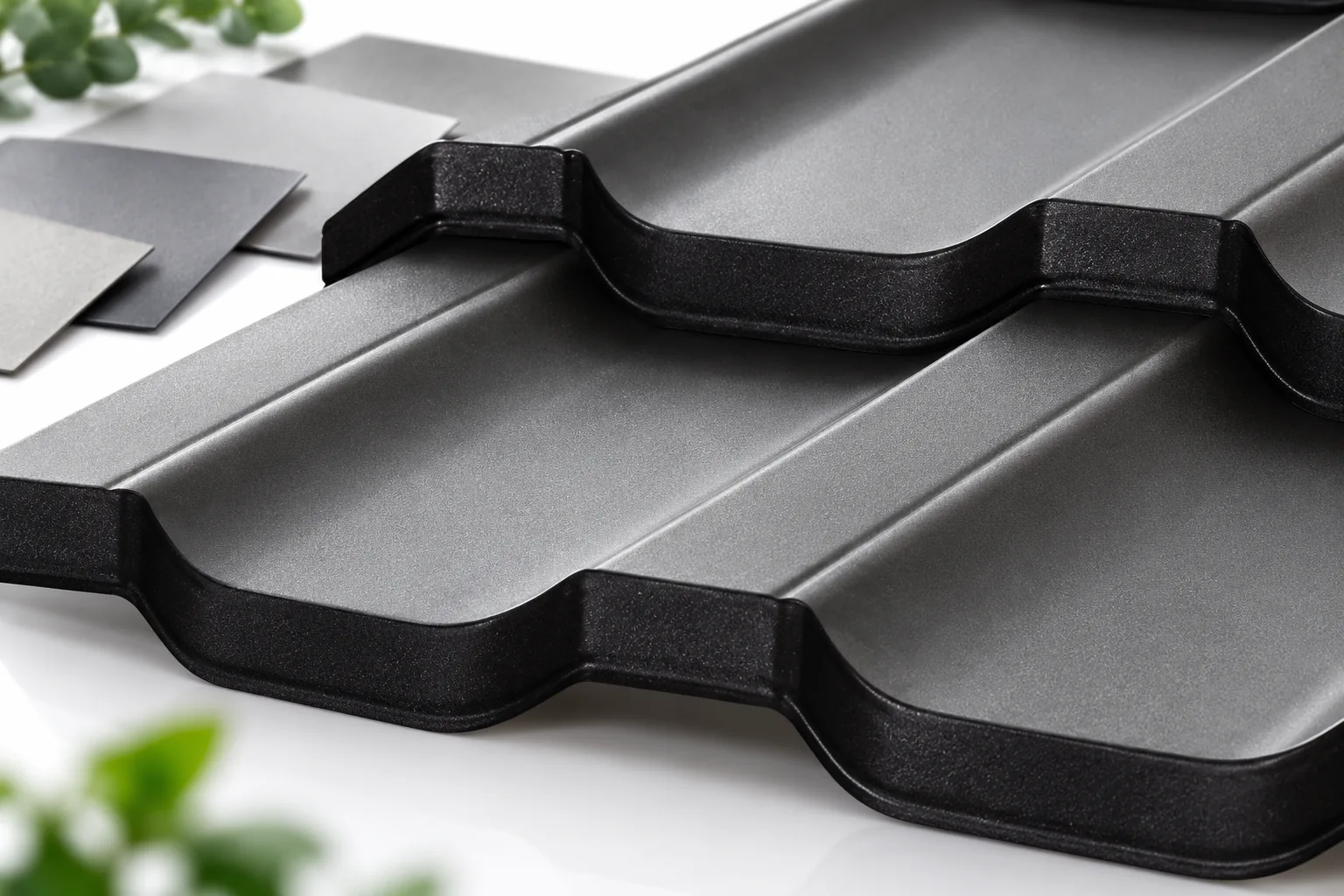
The steel substrate is protected with a metallic layer and an appropriate coating system. The outer layer affects the appearance and the surface resistance. On the underside, a finish intended for the given product is used. The entire protection should not be judged by colour alone. Two similar samples may have a different build-up and different conditions of use.
In the specification, it is worth separating the steel thickness from the coating thickness. These are different characteristics usually given in different units. A greater thickness of the organic layer does not mean a higher load-bearing capacity of the sheet. It also does not replace adequate geometry or support. The comparison should cover the finished product and its documentation, rather than a single figure highlighted in the trade name.
What is worth knowing about polyester coatings?
Polyester coatings come in variants with different gloss levels and textures. They are available in many colours, but belonging to this group alone does not define all parameters. Individual solutions may have a different thickness, resistance and warranty scope. It is worth comparing exact descriptions. The term “matt polyester” without further data is too broad.
The choice should not be reduced to regarding every coating in this group as an exclusively economical solution. A specific variant may meet the requirements of a given house if the documentation permits it. It would be equally unjustified to attribute resistance to any environment to it. Local conditions, product parameters and the way the surface is maintained matter.
What distinguishes polyurethane and multilayer systems?
Polyurethane coatings are offered, among other things, where a higher level of surface protection is sought. They may come in various finishes. This does not mean that every polyurethane has identical properties. The specific data sheet and the permitted environment must be checked. Chemical families should not be compared without taking the full protection system into account.
Systems combining different layers use their different functions. The thickness of the entire assembly must be read together with the description of the build-up. Under demanding conditions, coatings intended for a specific application may be required. However, the name “special” alone does not confirm this. It is worth asking for written confirmation that the coating matches the actual environment, especially where aggressive contamination occurs.

Which parameters should be compared instead of names alone?
Separate corrosion resistance from UV resistance and appearance retention. These are related but different issues. If the data sheet states resistance classes, it must be checked according to which documentation they were determined. It is not worth creating your own conversions between the coating name, the environmental class and the number of years of use. Such a simple relationship is not confirmed by the symbol alone.
The rules for forming, cutting and repairing minor damage are also important. The coating must work with the profile and the installation process. Do not test its resistance by deliberately scratching a sample. Such a test does not reproduce the test conditions and may only damage the material. A clear specification and correct identification of the delivery are far more valuable.
How do you match the appearance to the conditions of use?
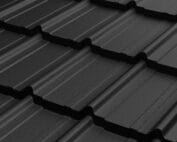
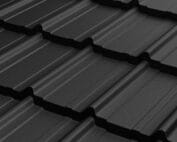
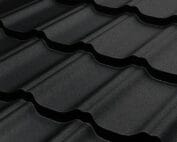
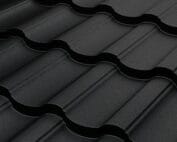
Matt disperses light differently from gloss, and the structure changes how the colour is perceived. Look at samples outdoors and next to flashings. The same colour code does not guarantee an identical effect on different surfaces. On a large roof area, the rhythm of the wave also matters. A small sample will help you choose a shade, but it will not show all the reflections and shadows.
Check the cleaning method and the places where deposits may accumulate. A dark colour may make light dust more visible, and a different texture will change how visible streaks are. However, no coating removes the need for inspections through its appearance alone. The care method should match the instructions. Aggressive chemicals or abrasive tools can alter the surface regardless of the price of the chosen variant.
How do you assess whether the extra cost is justified?
First establish the environmental requirements and rule out solutions that do not meet them. Only then compare the cost of the remaining variants in the same profile and sheet thickness. Check the full order area and the matching flashings. A difference in price per square metre may affect the budget of a small garage and an extended house differently. It is not worth paying for a vague promise without a specific feature being stated.
Read the warranty separately for appearance and for specific material damage. Pay attention to exclusions, inspections and the scope of application. A longer period is not an accurate forecast of durability. A justified surcharge provides protection suited to the roof conditions and clear rules of use. The order should state the full coating variant so that it is not replaced by a general description of colour and gloss.
7 branches. Materials closer to your project.