Polystyrene and thermal insulation
How does a conventional flat roof with EPS insulation work?
At a glance
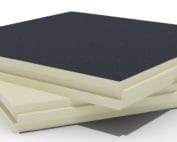
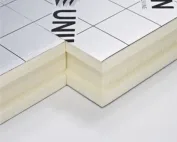
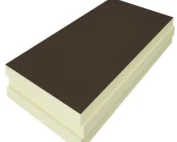
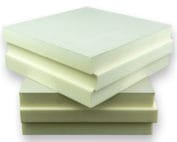
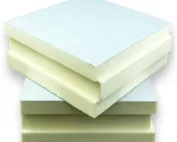
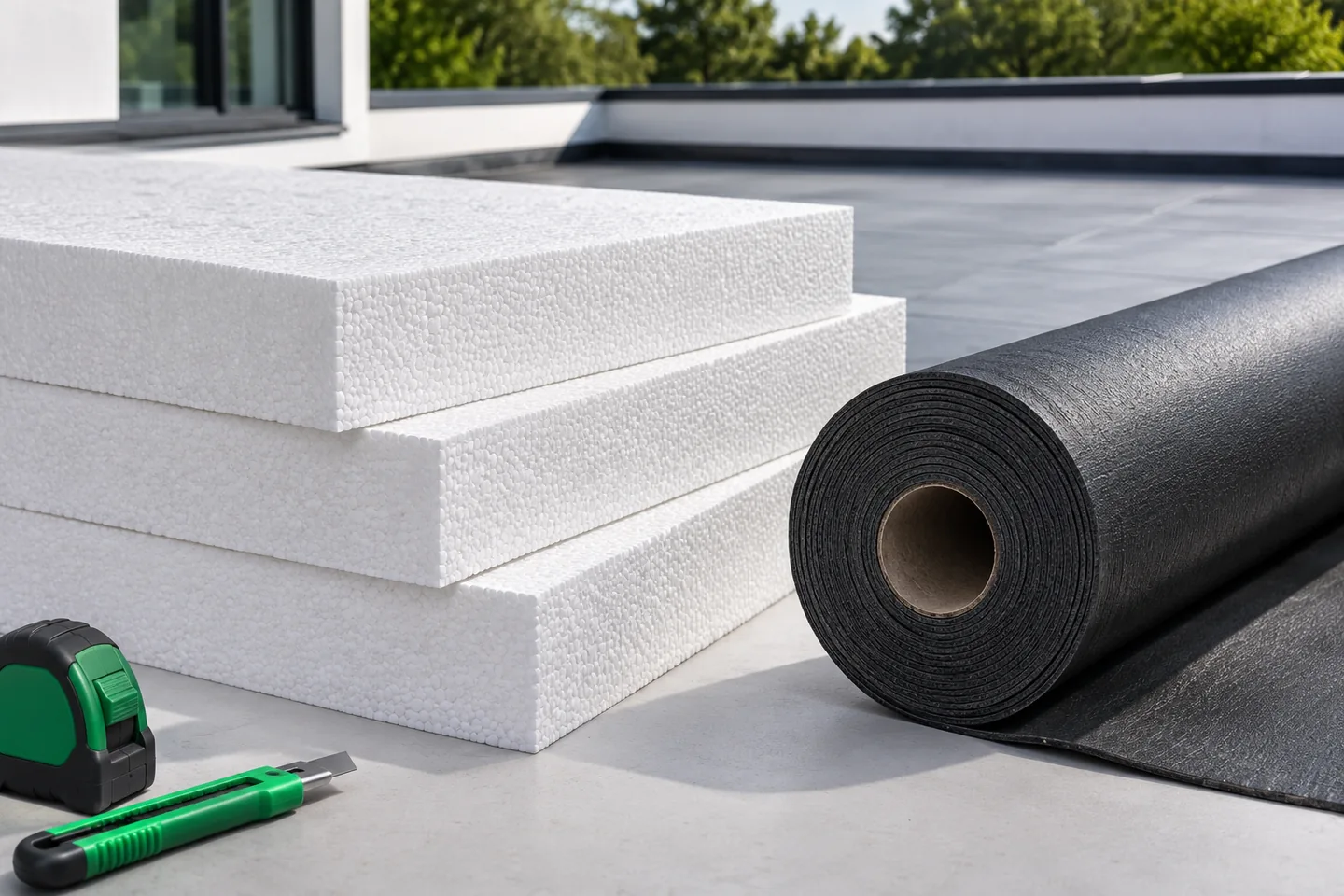
In a conventional flat roof, the polystyrene is located beneath the waterproofing. It reduces heat losses, and the covering protects the assembly from precipitation. Beneath the thermal insulation, the inflow of vapour and air from the interior must be addressed. The durability of the roof depends on the interaction of the layers, the drainage and the details, and not only on the thickness of the EPS. The term conventional describes the position of the thermal insulation relative to the water-protection layer. In such a roof, the covering is above the EPS. This may be a suitably selected membrane or a system of roofing felts. Below are the layers resulting from the structure and the moisture conditions. This does not mean that every roof has an identical set of materials. The substrate may be a concrete slab or structural trapezoidal sheet metal.
What does a conventional layer arrangement mean?
The support and fixing conditions for the boards are then different. A distinction must also be made between a roof accessible only during inspections and a terrace and roof surfaces with equipment. The intended use affects the loads and the protection of the covering. The layer drawing should correspond to the actual function, not merely to a general schematic.
What role does polystyrene play?
EPS increases the thermal resistance of the building component. For a homogeneous layer, it can be calculated using the formula R = d/λ, where the thickness is given in metres. For example, 18 cm of material with a lambda value of 0.036 gives an R of approximately 5.0 m²K/W. This result applies to the EPS alone. The roof’s Uc value takes the entire building component and the relevant corrections into account.
The boards must also perform under the load of the layers and the movement envisaged on the roof. The choice should not be limited to lambda. The right compression parameters and data on deformation over time are needed. A lightweight roof surface without equipment is a different case from a roof with installation supports. Density does not replace the declared properties for a given application.
Why is the layer on the interior side important?
Indoor air contains water vapour. Its transfer to cooler parts of the roof can occur through diffusion and leaks. The choice of layer limiting this transfer depends on the humidity of the rooms, the climate and the construction of the building component. A membrane should not be chosen solely on the basis of its colour or thickness without checking its parameters.
Junctions at walls, roof hatches and ducts require particular attention. Continuity in the field of the roof surface is not enough if leaky edges have been left. It must also be established which layer provides the airtightness. EPS laid edge to edge does not in itself constitute such a barrier. Thicker insulation does not repair an open junction around a ventilation duct.
How can roof drainage be ensured?
A flat roof requires a solution for falls and drainage. The fall may result from the structure, the levelling layer or appropriately cut EPS boards. With insulation of variable thickness, its effect on the thermal performance must be taken into account. The entire roof slope should not be assessed solely on the basis of the greatest thickness at the parapet.
Outlets, overflows and local depressions must form a coherent system. The fittings and their bases should not obstruct the drainage path. It is worth checking access for cleaning the drains before completing the design. Even a watertight covering can be excessively loaded by water that remains for a long time if the drainage system is blocked or does not match the geometry of the roof slope.
The covering must work together with the EPS
Not every membrane may come into direct contact with polystyrene. In certain systems a separating layer is required. Its type follows from the documentation for the covering. Adhesives and primers must also be compatible with polystyrene. It should not be assumed that any roofing product is safe merely because it is used to construct a roof.
The method of fixing must be matched to the substrate and the loads, including wind suction. The layers may be mechanically fixed, bonded or ballasted in accordance with the design. Each method has its own conditions. Changing one of them during construction may require the system to be checked again. This applies both to load-bearing capacity and to documented fire properties.
What determines the durability of the finished roof?
Before covering the EPS, check the evenness of the laying, the condition of the boards and the continuity of the joints. The insulation should not be closed in with unassessed moisture. Details at parapets, thresholds and penetrations are also important. The reaction-to-fire class of the board alone does not describe the fire resistance of the entire roof covering, so the relevant requirements should be checked for the layer build-up.
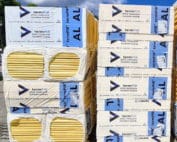
EPS is produced by, among others, Paneltech, Arsanit, Genderka and Swisspor. When choosing, it is worth comparing the specific boards approved for a given roof solution. After the roof slopes have been completed, regular inspections of the covering and drainage are needed. A correct conventional system combines good thermal insulation performance with controlled moisture ingress, durable fixing and effective drainage of precipitation.
7 branches. Materials closer to your project.