Sandwich panels
Receiving sandwich panels: delivery checks and batch identification
At a glance
Receiving sandwich panels starts with checking that the material matches the confirmed order. Pack identifiers, a delivery schedule and a way to record discrepancies are needed. The number of trucks or a similar facing colour does not establish conformity. This guide explains how to link labels to the item list, document visible condition and separate checked items from those needing clarification. It also proposes a way to retain batch information after unpacking. This concerns organising material checks, not unloading instructions or assessing panel strength. Pack handling and subsequent treatment of damaged items must follow the relevant documentation and arrangements with the supplier.
Have the current order confirmation ready
A useful receiving record joins three facts: what was ordered, what arrived and what could be checked. This avoids treating the inability to see inside a pack as confirmation that every panel is undamaged.
Prepare the latest agreed list before arrival, including quantity changes and substitutions. Mark partial deliveries so that an item scheduled later is not mistakenly reported missing. The receiver should know which items belong to the current shipment instead of reconstructing that information from several messages during unloading.
Link the label to the delivery item
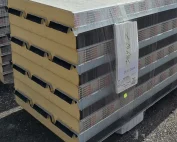
Record pack markings legibly and link them to the schedule. Retain the batch number or other identifier shown on the label. If the description is unreadable or differs from the order, leave the item awaiting clarification. Do not infer a missing identity from the appearance of the adjacent pack.
Compare the exact product designation, thickness, lengths and quantities using the available information. Distinguish pack count from panel count and square metres from pieces. If documents use different units, verify the conversion basis rather than comparing numbers alone. Similar totals can describe different sets of components.
Record what was actually checked
Inspect packaging and accessible surfaces only where the check can be carried out safely. Note which areas were visible and which were not examined. Do not cut restraints or shift a load simply to speed up the record. Agree how material will be made accessible with those responsible for handling it.
For visible damage, record its location and the pack or item identifier. An overview provides context and a close-up shows detail; both should refer to the same item. “Several scratched panels” is less useful than a specific location and the number of visible instances. Keep observations separate from assumptions about their cause.
Document discrepancies unambiguously
Report a discrepancy to the supplier with the order reference, item list and photographs. Record it in the receiving documents under the agreed procedure as well. This guide does not set claim deadlines or replace contract terms. Agree the next step before a disputed item is used or loses its identifier.
Mark material awaiting a decision in the register and placement plan. A note on one person’s phone may never reach the installers. Establish a clear way to communicate status without damaging facings or labels. Receiving a shipment does not automatically authorise installation of every delivered item.
Keep identification after unpacking
After opening a pack, keep its identifier in the records and link it to the separated items. If panels go to several building zones, record that allocation. It then remains possible to identify where a batch was used without relying solely on colour or reconstructing the sequence from memory.
Record each later shipment as a separate event, even for the same panel type. Retain its date, delivery document and new pack identifiers. Update the order total from the received items. Do not overwrite earlier records, which would remove when a shortage was noticed or a replacement arrived.
Give installers the verified material status
Before handing material over for the works, reconcile checked items, unanswered questions and resolved discrepancies. Record who confirmed each resolution. Installers need the current position, not an unsorted message archive. An unanswered question should remain visible until a specific agreement has been obtained.
Close the receiving record with a quantity summary and the location of labels, photographs and confirmations. Retain earlier entries when corrections have been made. This organisation does not guarantee defect-free material, but links a later query to a particular delivery and item. It makes supplier discussions easier after installation.
7 branches. Materials closer to your project.