Roofs and metal sheets
Why a price per square metre tells only part of the cost of a metal tile roof
Key points in brief
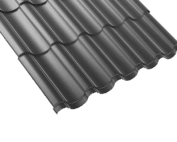
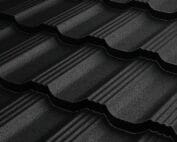
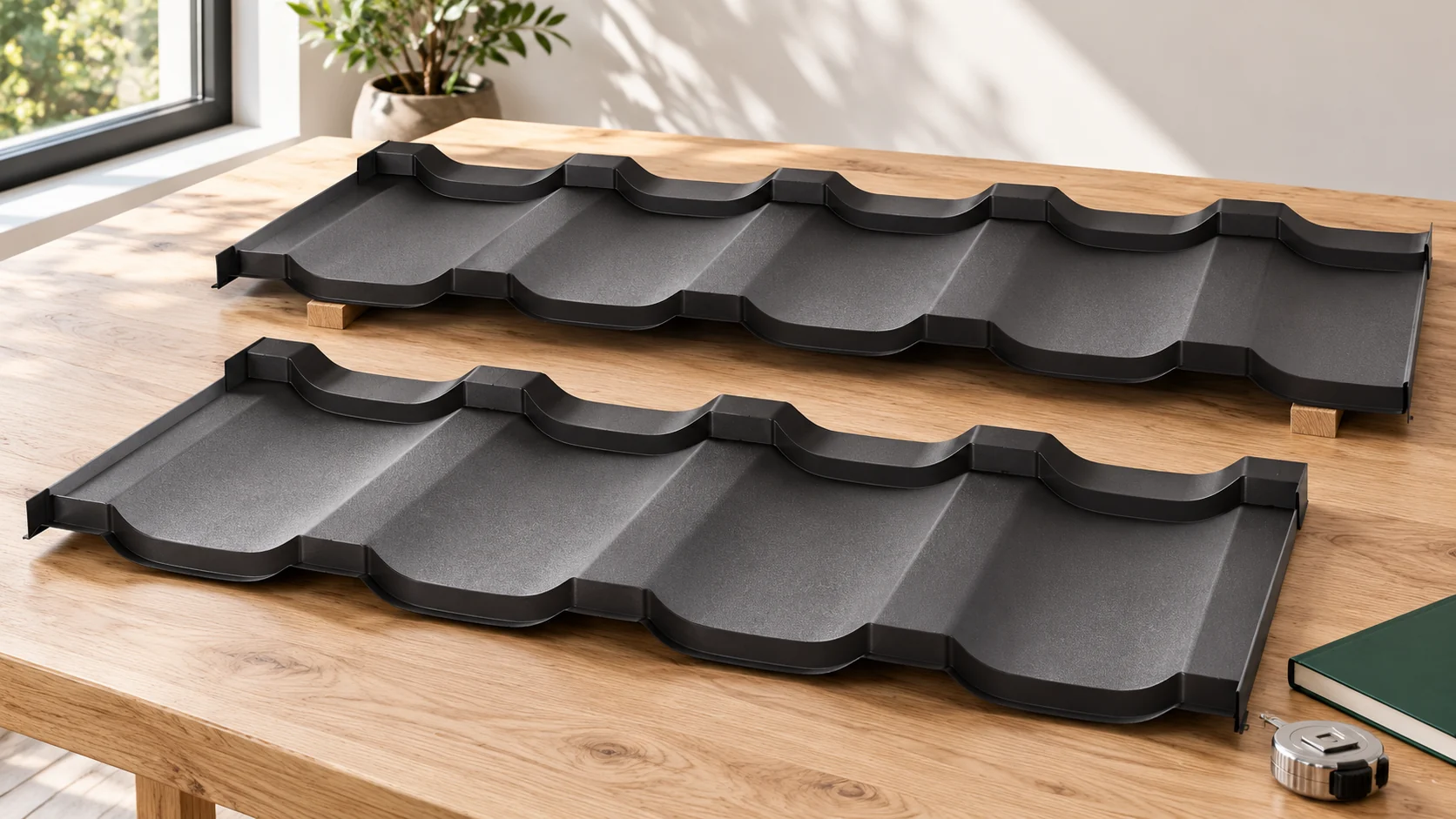
Two tile-effect metal roofing products can have a similar headline price in the quote, yet a different cost for covering the same roof slope. The reason may be the unit of sale, the number of modules required or the scope of extras. It is therefore worth starting by converting the price to usable surface area. Then check what is actually included in the stated amount. The price may relate to a full sheet metre or an effective covering metre. Part of the sheet is concealed in the laps. It does not create new roof surface, although it is still part of the material purchased. A lower rate per full metre is therefore not necessarily more favourable.
Which metre are you paying for?
With modular roofing, a price per piece is also encountered. It is converted using the coverage area of the given module. Do not use the rectangle area calculated from the overall dimensions. It would include parts overlapping adjacent elements and understate the cost of the finished covering.
How do you convert the module price?
A module with a cover width of 1.14 m and a cover length of 0.70 m covers 0.798 m². At an assumed €10.65 per module excluding VAT, divide 10.65 by 0.798 to obtain about €13.35 per square metre of cover, excluding VAT. This is a worked example.
The 168 modules in the proposed layout cover 134.064 m². At the example rate, the material costs €1789.20 excluding VAT. Flashings, delivery and labour are additional costs. Work out the number of modules from the roof layout so the calculation accounts for cuts.
What difference do steel thickness and coating make?
The steel core thickness affects the properties of the sheet. The type of coating relates to surface protection and appearance. These are two different parameters. The coating thickness given in micrometres is not the sheet thickness given in millimetres. Both descriptions should appear in the specification.
A more expensive coating is assessed in relation to the operating conditions. Proximity to sources of pollution, shading and dirt accumulation can matter. Do not choose solely on the basis of warranty length. Check its scope, maintenance conditions and the permitted application of the material.
Why does the roof shape affect the bill?
A simple rectangle is easy to divide into repeatable strips. A roof with valleys, bay windows and dormers requires more cuts. The offcut left on one side does not always fit on the other. The direction of the interlock or the way the profiles are laid can be a limiting factor.
That is why a fixed percentage surcharge can be unreliable. Ask for a breakdown of pieces and lengths. With two quotes, check whether the same cutting layout has been priced. A smaller order area may mean a saving, but it may also result from omitting part of the roof slopes or the overlaps.
What extras can change a comparison?
Beyond the sheet metal, ridge tiles, barge boards, eaves strips and roof valley flashings are often needed. Fixings and ventilation elements are added. The number of details depends on the building. Two roofs of equal area can have completely different edge lengths and numbers of penetrations through the covering.
Compare roof penetrations and snow guards separately, if they are planned. The quote should indicate their scope. For example, a chimney stack requires a different set than a house with a simple roof without penetrations. The price of the sheet metal alone will not show this difference.

Does a larger order always give a better price?
The value of delivery is affected by the number of packages, dimensions and the method of unloading. A small additional order of a few elements can have a high transport cost per metre. It is worth completing the order after measurement. Buying excess only for a discount can also increase the expense.
Do not assume that the catalogue price is a quote for your build. Confirmed conditions for specific quantities and dates are needed. Also establish whether the amounts are net or gross. Only after bringing all items to a single basis can the final totals be compared.
When comparing cost, keep the same number of full modules. Add separately the elements requiring cutting at the roof valley or corner. This allows you to see whether the higher rate results from a different coating or simply from a larger quantity of ordered material.
How do you prepare a comparison without hidden gaps?
List side by side: the number of sheets, the covering area, the steel thickness, the coating and the colour. Below, enter the extras, delivery and installation. Check the unit for each item. A linear metre of flashing, a piece of module and a square metre of material are not interchangeable.
Choose the proposal that corresponds to the same project and scope. If one is clearly cheaper, ask why. The difference may result from a simpler cutting layout, but also from a different coating or missing details. Such a check gives more than negotiating the rate per metre alone.
Short answers
Does the module price include the overlaps?
The module physically includes all edges. However, for price comparison, its declared coverage area is used, which accounts for the overlapping of elements.
Can net and gross amounts be compared?
Only after converting to the same basis. The identical scope of delivery or service must also be maintained. Otherwise, the difference in amounts will be misleading.
7 branches. Materials closer to your project.