PIR insulation
Checking a PIR quotation against the complete insulation system
At a glance
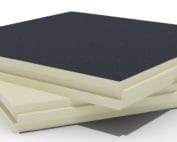
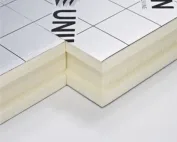
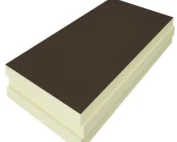
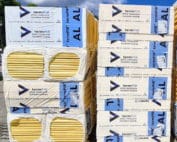
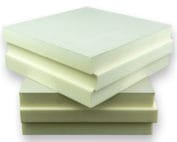
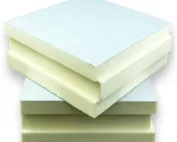
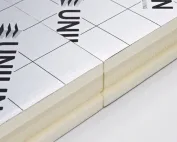
Buying insulation can easily be reduced to the thickness and price of the board. In practice, however, correct performance is also determined by the materials at the interfaces between layers. A comparison with the complete assembly makes it possible to check whether the offer includes fixing, airtightness and the correct terminations. PIR boards may look similar yet have different facings, strength and intended use. Before purchase, a current technical data sheet, a declaration of performance and installation instructions are needed. A variant with a different facing may require a different adhesive. A substitute should be assessed together with the joint that will be made on its surface. The bill of materials should indicate the place of each variant in the assembly.
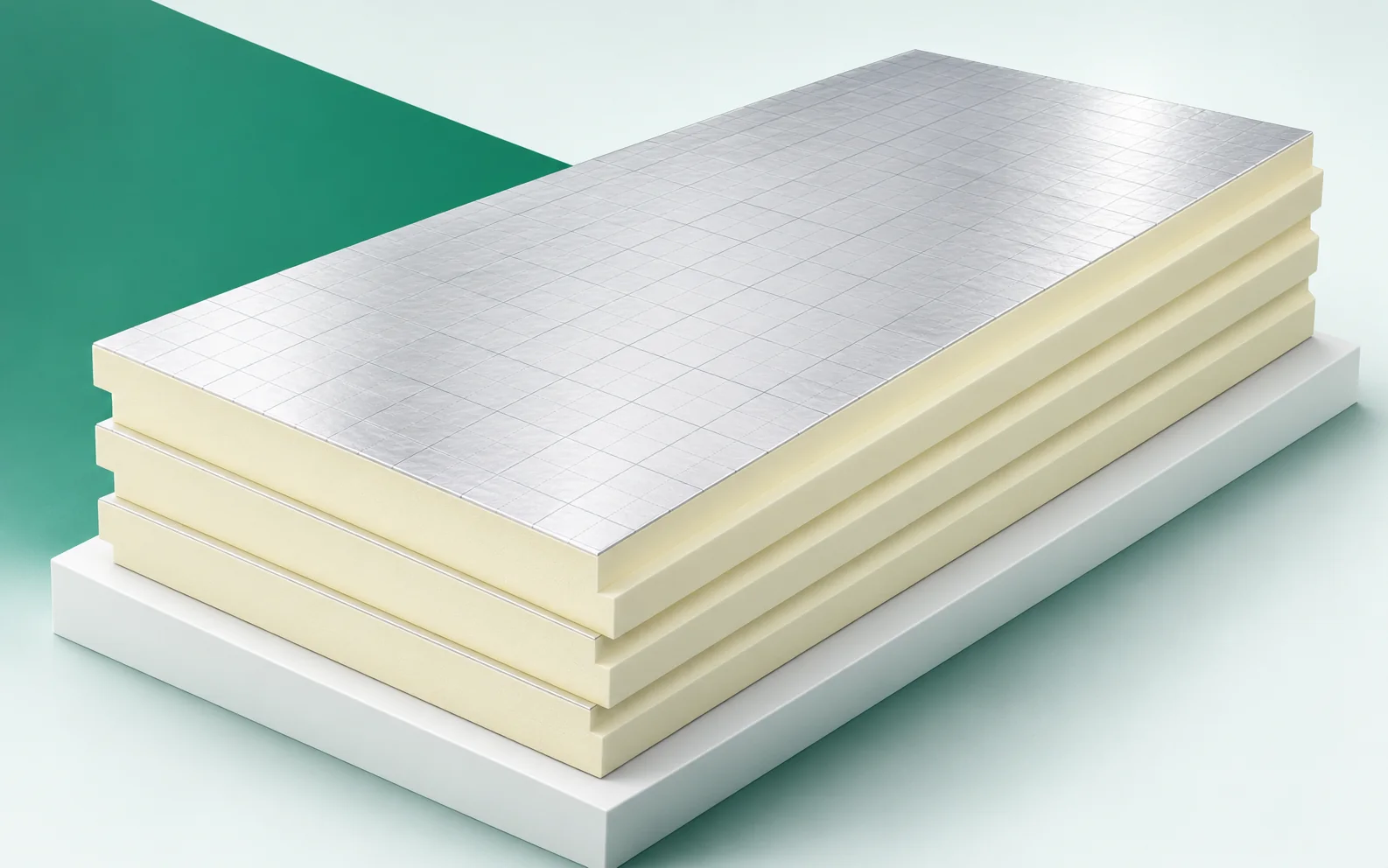
The document describes the correct variant
It is worth checking this before comparing prices. Equal lambda does not mean equal surface function. A well-described order allows you to buy material that matches the solution without subsequently adding unplanned layers.
Comparable scope of offers
A comparison of offers only makes sense if both variants lead to the same layer build-up. The board thickness alone does not determine the thermal resistance, and a matching lambda does not yet say whether the facing will accept the chosen adhesive. Even with a similar thermal effect, the scope of labour can differ, because a different laminate requires a different connection at the junction with the covering.
The two cross-sections should also be compared with regard to the required stages and accessories. A comparison of variants should show the sequence and number of installation steps. A board with an additional factory element can reduce some of the work but require a specific connection at the edge. Another variant may need a separate layer over the entire surface. Both offers must be brought to the same final state. Only then does the price difference describe the actual choice between complete systems.
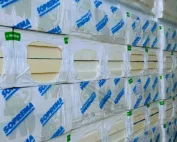
Format and organisation of delivery
The board format translates into the number of elements to be laid and the way of working: a large one reduces the number of joints, a small one facilitates handling in narrow spaces and installation on a divided surface. The size must be matched to the layer division and the available support, because that determines where the edges and connections will fall.
The largest board does not always produce the smallest amount of waste in a specific layout. It is worth plotting the format onto the plan of the surface together with the openings and support lines. This then allows the number of joints and the use of offcuts to be assessed. The largest board may be advantageous on a regular field, but less convenient where there are many details. There is no single size that is best for every layout. The advantage of a format should be linked to the ability to maintain the required connections and access during installation.
Cutting plan and edge connections
A cutting plan allows full boards to be laid in repetitive fields and waste to be limited. A straight edge, an overlap and a tongue-and-groove joint require adjacent elements to be matched, and the edge profile determines how the termination at an opening is formed. Cutting through a tongue or an overlap creates a new termination which must have its own solution in the cost estimate.
In the cost estimate it is worth allowing for offcuts that do not retain the factory connection. Cutting through a tongue or an overlap creates a new termination that needs a suitable solution. It is worth allowing for such places in the cutting plan. If the edge is to be connected to another material, a separate accessory may be needed. Not all joints should be priced as identical. Dividing the work into regular fields and terminations makes it easier to prepare a complete order.
Materials at the interface between layers
When assessing an offer, it is therefore necessary to name each joint-related task: match the tape to the facing, the adhesive to the substrate, the fixing to the structure. The tape’s adhesion to the laminate alone is not yet the whole of the connection.
The availability of any given tape in stock does not settle whether it is compatible with the system. An accessory should perform a specific function on a known surface. Tape used for air tightness is not automatically a waterproofing seal. Likewise, adhesive for fixing the board does not replace every joint in the covering. It is worth naming these tasks in the cost estimate. This way, smaller items do not disappear under the general heading of installation, and the contractor receives a clear scope of work.
Cost of use and subsequent maintenance
Buying the boards is only part of the expense: substrate preparation, labour, cut-offs, supplementary elements and protection of the works are added. A later repair should make it possible to recreate all the layers that were disturbed.
Access to one visible fragment does not always give access to the actual seal. When choosing a system, it is worth thinking about a possible future opening of the detail. Access to the correct layer may require dismantling several elements. The solution should allow them to be correctly recreated. This does not mean giving up tight joints, but consciously planning for maintenance. The purchase price then gains the context of the maintenance cost of the entire building envelope, not just the first installation.
Example of checking material quantities
Example of a quantity take-off: for an area of 120 m² and a full board of 1200 × 600 mm, pure geometry gives at least 167 pieces, and for the 2400 × 1200 mm format at least 42 pieces. The calculation ignores losses on cut-offs, the edge profile and the actual covering area, so it is not a ready order. It serves to check the scale of the delivery, which is corrected according to the cutting plan and the requirements of the selected product. Divide the purchase list into PIR boards with a precisely indicated purpose and method of installation, and materials for sealing gaps. The appearance of the board or the shared word “polyurethane” is not enough to describe these items.
7 branches. Materials closer to your project.