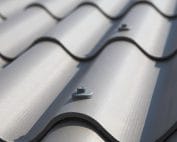
Fibre cement coverings
Roofing over animal feed: keeping out rain, maintaining hygiene and ventilation
In brief
A feed shelter should limit water ingress and make it easier to keep things tidy. Corrugated fibre cement sheets can be used for this purpose if they suit the structure and the storage conditions. Asbestos-free fibre cement is worth choosing together with a solution for the eaves, ventilation and service penetrations. The sheet alone does not ensure storage quality. Bagged feed, loose material and stock stored in separate bays do not require an identical layout. The storage recommendations for the specific product also matter. The roof should make it possible to meet them, but it does not replace checking the condition of the material received. On the plan, it is worth marking the unloading points and the places where feed is taken daily. These are where rain is most easily blown in through open gates.
Start with the type of material being stored
Check whether the gutter and downpipe direct water into this zone. A correct roof slope over the store will help little if the stock gets wet during transfer.
Water does not always come from a leaking roof covering
Drops under the covering may result from a leak, but also from condensation. Diagnosis should include the weather, the interior temperature and the method of ventilation. A stain appearing only after rain requires different observation than widespread dampness after a cold night. Water can also travel along the structure.
Corrugated fibre cement sheets can temporarily absorb moisture. This does not mean unlimited protection against dripping. After becoming damp, the material needs conditions in which to dry out. Asbestos-free fibre cement should not be advertised as a solution that will replace proper air exchange in the store.
Match ventilation to the storage method
Air exchange should support the conditions required for the particular stock. It cannot be assumed that the larger the random opening, the better. An overly exposed edge may let in rain and snow. Inlets and outlets must be related to the building form, wind protection and its purpose.
If walls that were previously open are closed during renovation, it is worth reassessing ventilation. The change may reduce drying of the interior. Corrugated fibre cement sheets will still be the same material, but the conditions in which they perform will become different. The covering is therefore selected for the intended store, not only for the condition before conversion.
The roof slope should have as few incidental penetrations as possible
Every opening requires a correct detail. A duct, cable or equipment support must not bear on the fragile cut edge of the sheet. The structure takes the loads, and the covering provides protection. The design specifies the position of the penetration and how water is drained away from it.
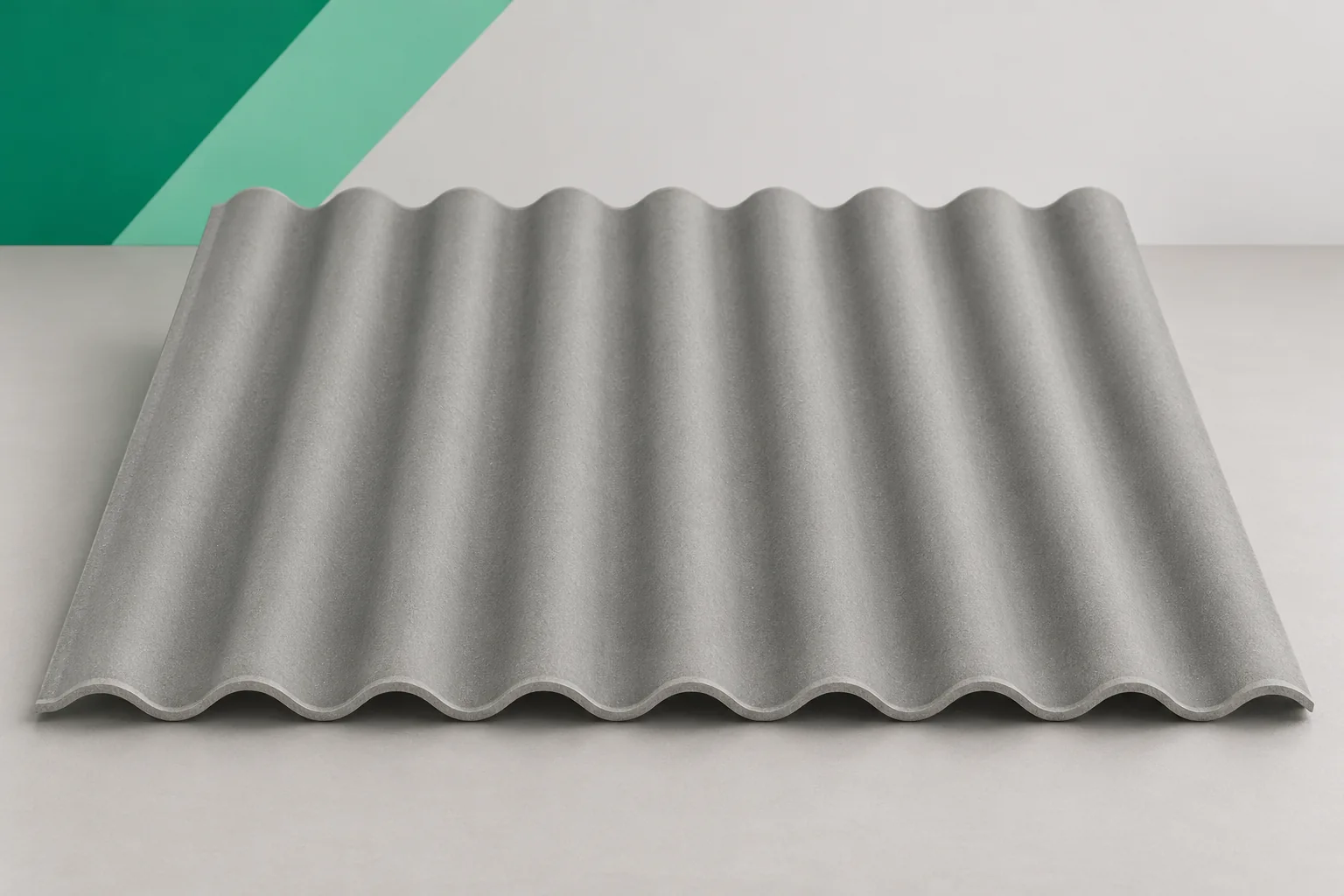
It is worth arranging the services so that they do not clash with the laps. Corrugated fibre cement sheets have a defined rhythm of corrugations and supports. Only drawing both layouts together shows where an opening can be made correctly. Leaving this decision until the end increases the risk of ad-hoc corrections.
Cleanliness also depends on how repairs are organised
Work over the open feed store can introduce dust and small fragments of material into the interior. Cutting of new sheets is therefore organised in a designated place, with appropriate dust control. Feed is protected or removed from the work area in accordance with the work plan. Simply covering the floor does not solve every situation.
The new asbestos-free product also requires careful handling. Mineral dust should not be inhaled or spread dry. With an old roof of unknown composition, the type of covering is established first. A suspicion of asbestos requires a prepared contractor, not trial cutting of the material on site.
Choose the surface and accessories as a complete set
Corrugated fibre cement sheets are available in natural and painted versions. The colour can be matched to the surroundings, but storage suitability is determined by the parameters and details. Matching shaped pieces, fastenings and seals are required. A similar colour of an accessory does not prove that its profile fits the sheet.
Cleaning agents for the building should be checked for contact with the covering and metal. A mineral sheet does not rust, but it is not resistant to every chemical. Screws and seals may react differently from the sheet surface. Doubts are clarified before cleaning, not after changes occur.
Do not overlook the drainage route beyond the building
Water drainage ends only where it does not endanger the store. A downpipe at the threshold can cause damp penetration of the interior during heavy rainfall. It is worth checking the ground slopes and the unloading point. This problem is often independent of the tightness of the roof itself.
Gutters should remain accessible, also after the store has been filled. Inspections are carried out from a safe position. Access by stepping on the sheet is not envisaged. Particularly important are the areas at rooflights, which require caution and must not be treated as a platform.
Prepare a simple inspection plan
Before the storage season, it is worth checking the covering, flashings, fastenings and drainage. The locations of past defects should be included in photographic documentation. This helps distinguish a new defect from an old trace. After heavy rainfall, it can be verified whether water is entering the feed retrieval zones.
Asbestos-free fibre cement can be incorporated into a sensible warehouse maintenance plan. Clear material labelling and access to the right parts are needed. When repair becomes necessary, there is no need to look for a replacement solely on the basis of the number of corrugations. System compatibility remains more important than visual similarity.
Include the method of receiving and storing feed in the description of the planned roof. This allows the tightness and the handling of the entire storage area to be assessed.
7 branches. Materials closer to your project.