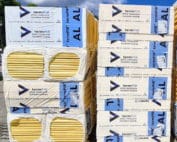
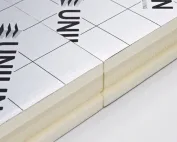
PIR insulation
What to check when the north wall is damp and stains appear?
Key points in brief
A stain on the north wall does not automatically mean that thicker insulation needs to be applied. Water may be coming from outside or condensing on a cold surface. Several causes often overlap. It is worth first establishing when the problem occurs and how it changes after rain, after heating the room and after moving furniture away. Moisture after rainfall suggests checking the façade, flashings and gutters. A problem that worsens during frost may indicate an excessively cold surface and humid indoor air. A stain near a pipe or under a windowsill requires a different check. The direction of the wall alone does not determine the cause.
Note when the stains appear
Take photos and note the weather and how the room is used. It is worth recording whether laundry was dried, the heating was switched off or the vents were closed at the time. A few simple observations help choose the right investigation instead of starting with a random material.
The north side has fewer opportunities to dry out
Limited sunlight can make it harder for the surface to dry after dampness. Trees, shading by a neighbouring building and the condition of the external finish also matter. Cracked render or faulty flashings can supply water faster than the wall can release it.
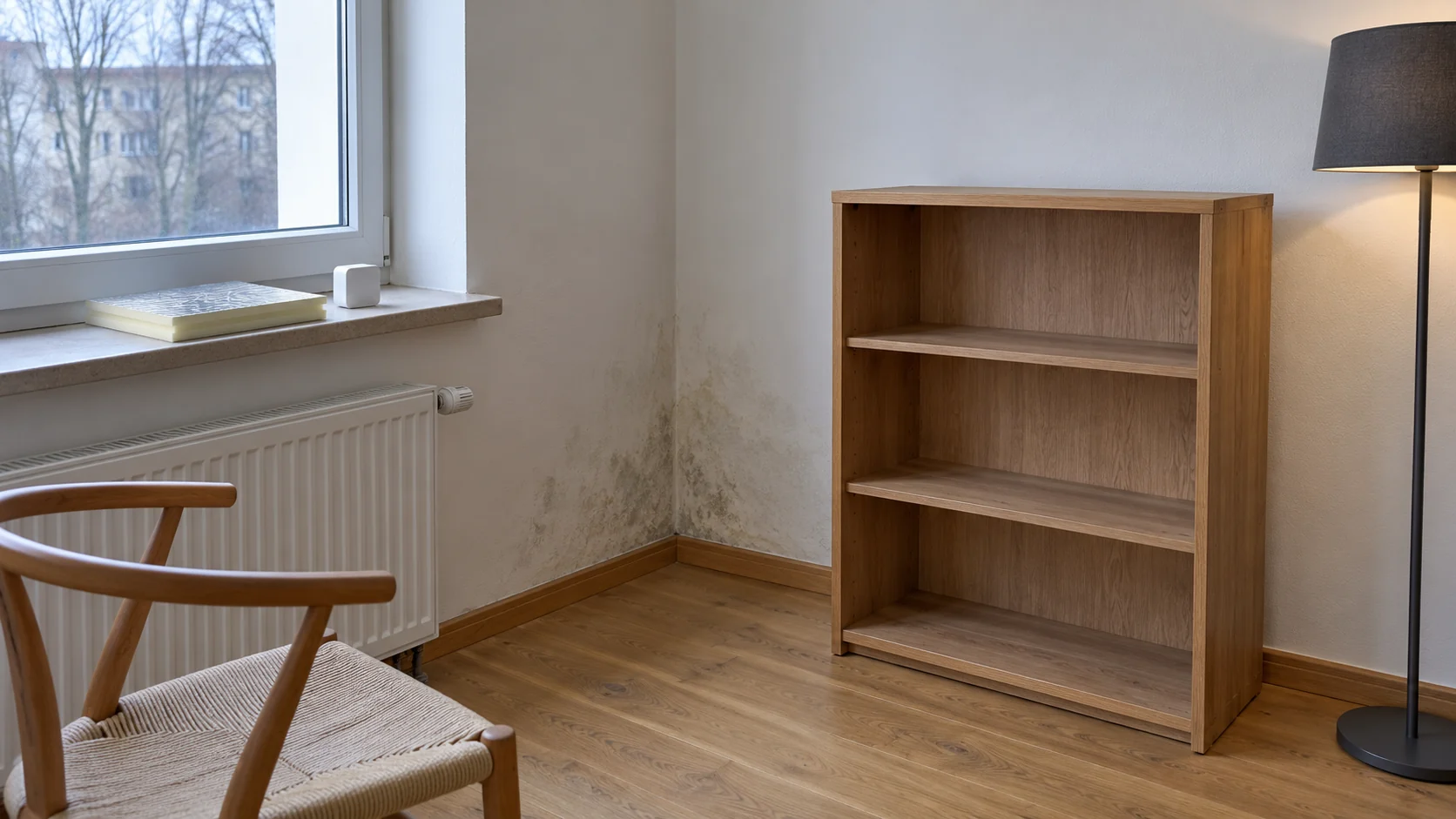
On the room side, it is worth looking at the space behind a shelving unit. When furniture stands close to the wall, less heat from the room reaches there. Changing its position can improve surface conditions, but it will not fix a leak or a thermal bridge. This is part of diagnosing the problem, not proof that the wall is already sound.
Measure the air and the surface, not just one of them
A room thermometer shows the air temperature in its surroundings. It does not tell you how cold the corner behind the wardrobe is. Surface temperature and relative humidity measurements taken in the normal rhythm of use are useful. A result from one sunny afternoon may not reveal a winter problem.
For illustration: air at 21°C and 60% humidity has a dew point of about 13°C. This is a physical approximation, not a safe threshold for every wall. The risk of mould growth may arise before visible droplets appear, so a spot that feels dry also requires assessment.
First stop the water that is getting into the wall
If the cause is a leak, the source is repaired and the extent of dampness assessed. Covering a wet wall with a layer of high vapour diffusion resistance can restrict its drying inwards. A smooth new cladding will conceal the marks for a time, but will not change the route by which water enters.
With persistent marks, the condition of the materials and the extent of damage must also be identified. The method of cleaning and of replacing damaged finishes depends on the situation. New paint or a surface treatment should not be treated as a substitute for repairing the dampness.

Check ventilation during normal use
Vapour is produced during cooking, bathing, drying and breathing. In a sealed flat it must have a planned route for removal. Briefly opening a window can temporarily lower humidity, but does not confirm that ventilation works properly for the rest of the day.
Supply air, extract air and air flow between rooms need checking. In a room used as a drying room, the moisture load can be considerably greater than in a study. Before insulating, it is worth describing this pattern of use to the person selecting the solution.
Consider PIR insulation only for a diagnosed assembly
If the wall is dry and the problem results from its low temperature, improving the insulation can be analysed. Insulating from outside and from inside changes the conditions of the wall in different ways. With the internal option, moisture assessment and airtight joints are particularly important.
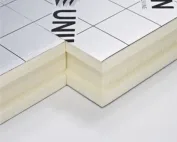
Aluminium foil on the board limits vapour transmission through its surface, but does not replace sealing the joints. The connection to the reveal, ceiling and side wall must be checked. Ending the insulation just before the cold corner can leave a spot prone to renewed dampness.
After repair, observe the same spot for a season
It is worth keeping measurements from before the work and comparing them under similar external conditions. It is not only about the temperature in the middle of the wall. Inspect the lower corners, the space behind furniture and the reveals. If the problem returns, check whether all causes have been eliminated.
In the example room, moving the shelving unit, improving the supply air and repairing the flashing may be three separate necessary actions. Only then is the benefit of additional insulation assessed. This sequence reduces the risk of incurring the cost of new built-in furniture that will have to be opened up a year later.
Short answers
Is every mark on a north-facing wall condensation?
No. It may come from a leak, faulty installation or moisture in the wall. The type of repair is determined by identifying the cause, not by the appearance of the mark alone.
Will moisture-resistant PIR foam protect the whole room from mould?
No. Mould can develop on dirty finishes and in cold, damp places. Insulation material does not replace effective ventilation, dry walls and correct details.
7 branches. Materials closer to your project.