Profiles and steel structures
Galvanised steel sections: protecting the coating during construction
In brief
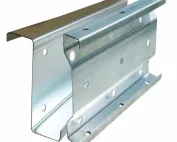
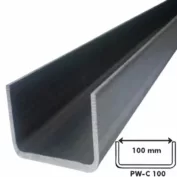
Galvanising protects steel, but its durability also depends on service conditions and workmanship. Galvanised profiles can be damaged even before the first sheet is screwed on. It also happens that correctly delivered material ends up in an environment different from the one assumed when the order was placed. Protection should therefore be considered from specification through to acceptance of the building envelope. This applies to Z-sections, C-sections, sigma and omega profiles. The order must specify the type of coating and its designation. The manufacturing technology also matters. Profiling pre-coated strip and galvanising the finished element are different processes. One should not assume that their effect will be identical in every detail.
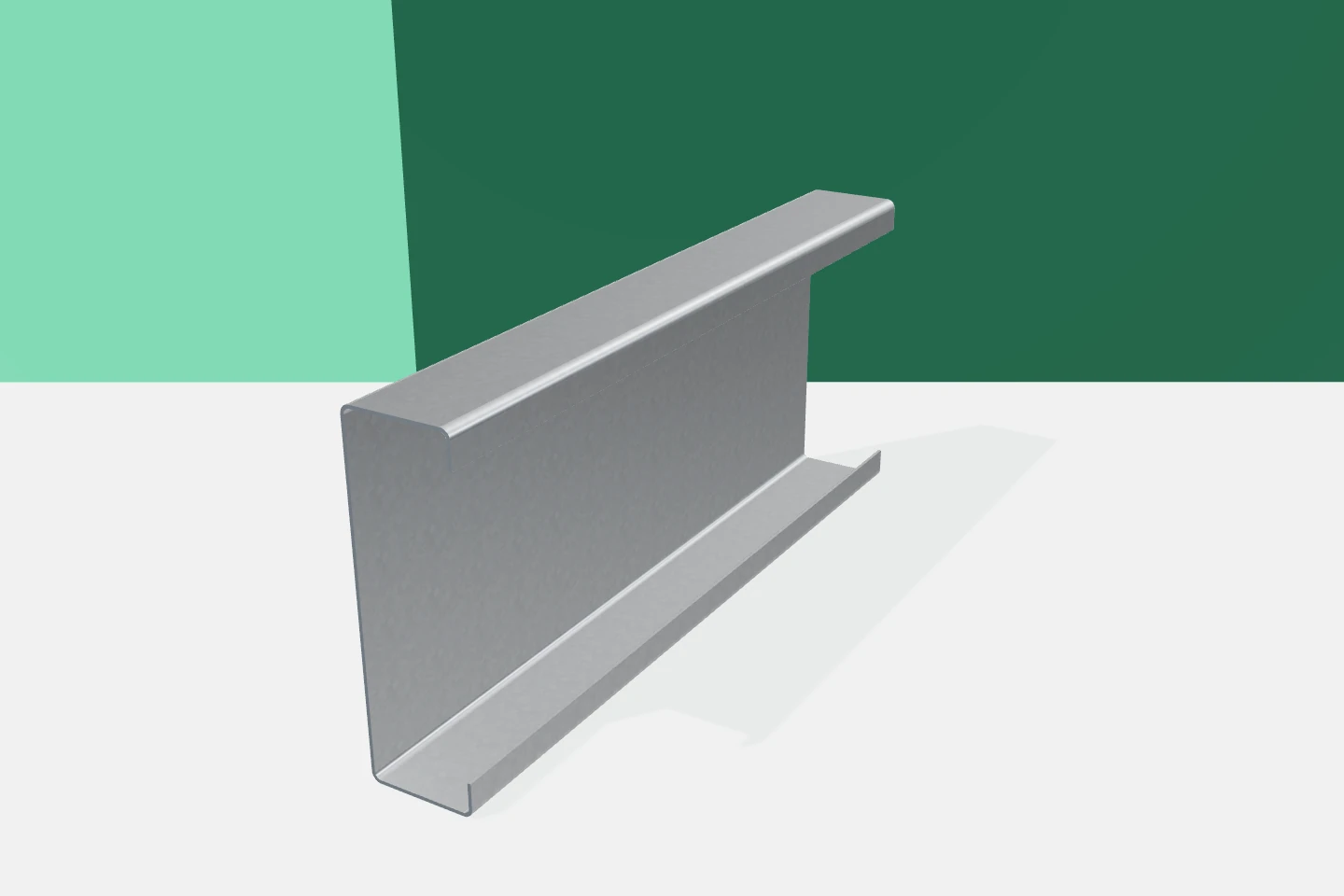
The word “galvanised” does not describe the whole product
Steel grade and sheet thickness are recorded separately. A silvery surface does not allow all parameters to be identified. Cold-formed profiles of similar appearance may be intended for different applications. At acceptance, therefore, documents and markings must be checked, not just the colour of the delivery.
What does the designation Z275 mean?
For zinc coating, the designation Z275 refers to the required coating mass specified for both sides of the sheet combined. It does not mean a layer 275 micrometres thick. Nor should this value be treated as the mass of zinc applying separately to each side.
Zinc-aluminium-magnesium coatings designated differently are also available on the market. Comparing them requires taking into account the properties of the specific material and the environment. A higher number in the symbol alone does not create a universal durability ranking. Selection should be based on the documentation for the chosen solution.
The interior of the hall can also be demanding
A dry warehouse and a room with frequent condensation do not place the same demands on steel. Temperature, humidity, ventilation and substances present all matter. Conditions during cleaning of installations may differ from normal service. These must be identified before purchasing profiles.
A sandwich panel envelope does not automatically eliminate every risk of moisture. Tightness and correct connection details are important. Water entering a hard-to-reach node can remain unnoticed for a long time. Surface protection and the design of the building envelope should complement each other.
Swarf is removed immediately
After drilling or other permitted operations, the surface must be cleaned. Leftover steel particles can corrode and contaminate components. This also applies to the flanges of purlins and rails on which the panel will later be placed. Once the cladding is closed, access to these places can be limited.
It is worth establishing this as a standard assembly stage. A final inspection at the end of construction alone may not be sufficient. A clean workplace also helps to spot scratches and local damage. Galvanised profiles should be assessed with good access before the nodes are concealed.

Cutting is not without consequence for the material
Cutting on site is easiest to minimise by ordering the correct lengths. If adjustment is needed, the processing method should correspond to the manufacturer’s recommendations and the construction documentation. Not every method leaves the same edge or affects the coating in the same way.
Welding should be treated similarly. It is an operation requiring a suitable technical solution and an assessment of protection after the joint is made. It cannot be regarded as a simple substitute for the designed screws. Cold-formed profiles should retain the required properties also in the processed areas.
Repair requires the right system
Coating damage must first be assessed. Its size, location and the conditions of subsequent service are significant. Accidentally painting over a scratch does not prove that the required protection has been restored. The repair material and surface preparation must correspond to the adopted solution.
If the profile has also been deformed, repairing the coating alone is insufficient. A crushed lip or a bent web changes the geometry of the element. This applies to both channels and Z-sections as well as to the more complex sigma. Omegas also require the intended shape to be maintained.
Fasteners and contacts must also be matched
The profile surface is only part of the system. The material of bolts and screws, the contact conditions and the possibility of water accumulation are significant. Fasteners should not be selected solely on the basis of a matching diameter. Their documentation must correspond to the application.
In the cladding detail, unforeseen pockets that collect water should be avoided. Seals and flashings should function in accordance with the design. A galvanised profile placed in a permanently wet gap may perform under much more difficult conditions than the rest of the same hall.
Inspection before closing the envelope
Before installing the panels, the conformity of the material, cleanliness and surface condition are checked. Damage and the method of its removal should be recorded. It is also worth confirming that the areas after cutting and processing have been assessed. Photo documentation helps to retain information about areas that later become invisible.
Zinc is not a fire protection measure and does not replace requirements for structural behaviour in fire. Its role concerns corrosion protection. A reliable separation of these functions makes material selection easier. Well-described galvanised profiles can then be used in line with their actual advantages.
7 branches. Materials closer to your project.