Installation and construction
Choosing wall panel fixings to suit the supporting structure
Key points in brief
The fastener for an insulated wall panel with a mineral wool core must hold the cladding and not damage its facings. Its length is only one of the pieces of information required. The type and thickness of the support, the wind load and the way forces are transferred through the joint also matter. Selection starts with the construction and ends with checking that the washer is correctly pressed. A thin steel purlin, a thicker profile and a reinforced concrete support require different solutions. In steel, the drill-through capability and the correct thread engagement are important. For concrete, suitably selected anchors and a suitable method of preparing the hole are used. A solution cannot be transferred between substrates solely because the screw has a matching length.
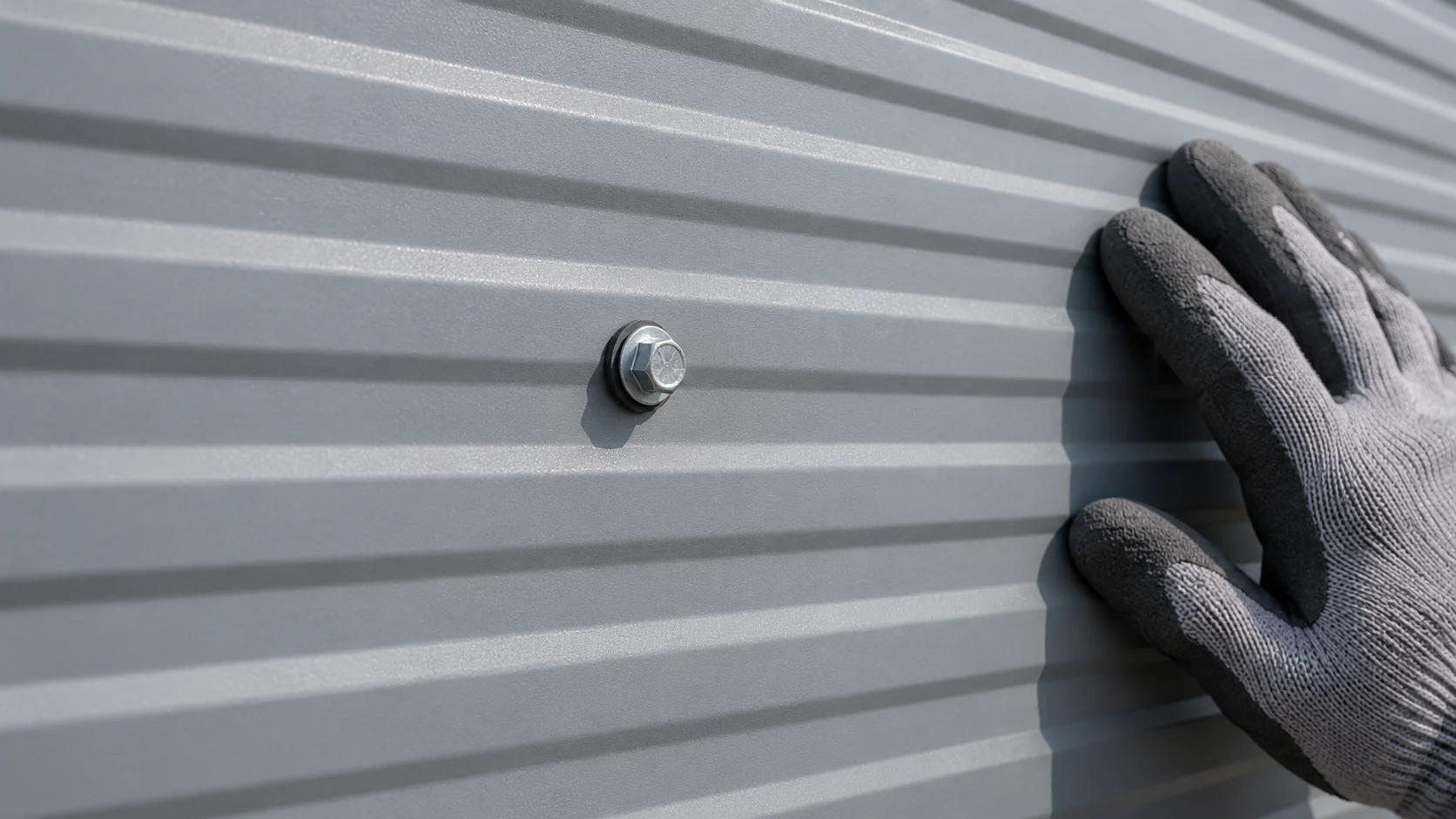
The substrate determines the type of fastener
Also establish the actual thickness of the load-bearing element. Paint, a washer or a levelling layer do not replace the steel in which the thread engages. When renovating, the documentation of the old structure may need to be verified on site. An unknown substrate condition makes a reliable assessment of the fixing itself impossible.
The length results from the entire connection
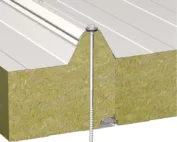
The fastener passes through the panel and works in the support. Its selection takes into account the panel thickness, the joint geometry and the required embedment. An application range specified for the particular type is required. Arbitrarily adding a fixed number of millimetres to the core thickness is not a universal rule.
A fastener that is too short may not achieve proper anchorage. One that is too long may interfere on the other side or be used outside its range. In a workshop with visible structure, the safe positioning of the ends is also important. The selected fastener should not create an accidental obstacle at the workstation.
The length entry in the order should therefore accompany the designation of the fastener type and the substrate. Two similar screws may have a different drill tip or threaded section. On site, it is worth keeping different sets separate. This makes it easier to achieve a compliant connection and reduces the accidental use of an element intended for a different support.
The washer should seal without crushing the sheet
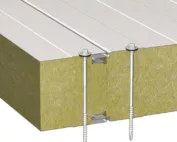
The correct contact pressure allows the seal to work as intended. Too little tightening leaves a leak, while excessive tightening can damage the seal and deform the facing. The fastener is driven perpendicular to the support. A tilted head makes uniform pressure around the circumference of the washer difficult.
Do not specify a single torque value for all screws and substrates. The setting and the working method are determined according to the system recommendations and a trial installation. The check should cover the result, not just the sound of the screwdriver. A visible dish in the sheet metal is a signal to assess the connection, not an indication of a stronger fixing.
The number and positions of fixings are determined by the design
Wind acts on different parts of the wall with varying intensity. At corners and edges the required arrangement may differ from that in the middle. The panel span and the width of the supports also matter. The number of fasteners per square metre is therefore the result of the selection, not its starting point.
The schedule should show the fixings at every support and distinguish them from the small screws for flashings. A screw joining the cover sheets does not replace the fixing of the panel to the structure. If the module width or the arrangement changes from vertical to horizontal, the plan must be checked again.

Concealed fixing has its own rules
In a system with concealed heads, the fastener works in a suitably formed part of the edge. It must not be cut arbitrarily to fit another element. Additional pressure-distributing parts are used where the given system provides for them. The mere fact that the head is concealed does not automatically improve the load-bearing capacity of the wall.
With visible fixings, the washers are easier to inspect after installation. With concealed fixings, inspection before closing the next joint becomes particularly important. In both cases, proper support and sealing must be maintained. The appearance of the façade must not lead to omitting an element required in the documentation.
After installation, also check the area around the screw
Remove metal swarf from the sheet and from places where it may have collected during flashing work. Inspect the coating, the tightness of the washers and the seating of the panel on the supports. If a hole has been made incorrectly, the repair method should be agreed. Inserting a random larger screw may not restore the required properties.
During use, check for signs of corrosion, loosening and local leaks. Areas that are frequently washed and exposed to impacts require particular attention. Do not fasten a new shelf or device to an existing casing fastener without checking. Such additional weight changes the duty of a connection designed for the wall alone.
Short answers
Are sheet metal screws also suitable for panels with a mineral wool core?
Not every type. The fastener must be intended for the given panel, support and operating conditions. The correct length and washer do not yet confirm the full range of application.
Can a leaking screw simply be tightened further?
First, the cause of the leak must be established. A damaged seal, incorrect angle or deformed sheet metal may require repair. Further tightening may worsen the situation.
7 branches. Materials closer to your project.