Costs and purchasing
What does the price per square metre of a sandwich panel really mean?
Key points in brief
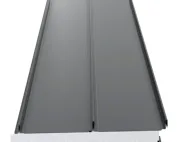
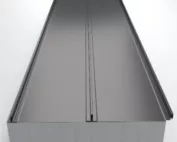
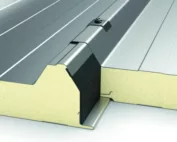
A square metre of panel is a convenient unit for comparison, provided you know how it has been calculated. In practice, you buy specific pieces, lengths and configurations, and some material may be left over after cutting. It is therefore worth converting the price per m² to the whole order and to the area that will actually end up on the wall or roof. Ask whether the unit refers to the cover width, the overall width or the commercial rules stated in the quote. Part of the cladding that forms the joint may not increase the finished wall area. It is therefore not worth calculating the purchase yourself from a random measurement of the full sheet width. The modular value of the specific product is needed.
First establish which metre is being billed
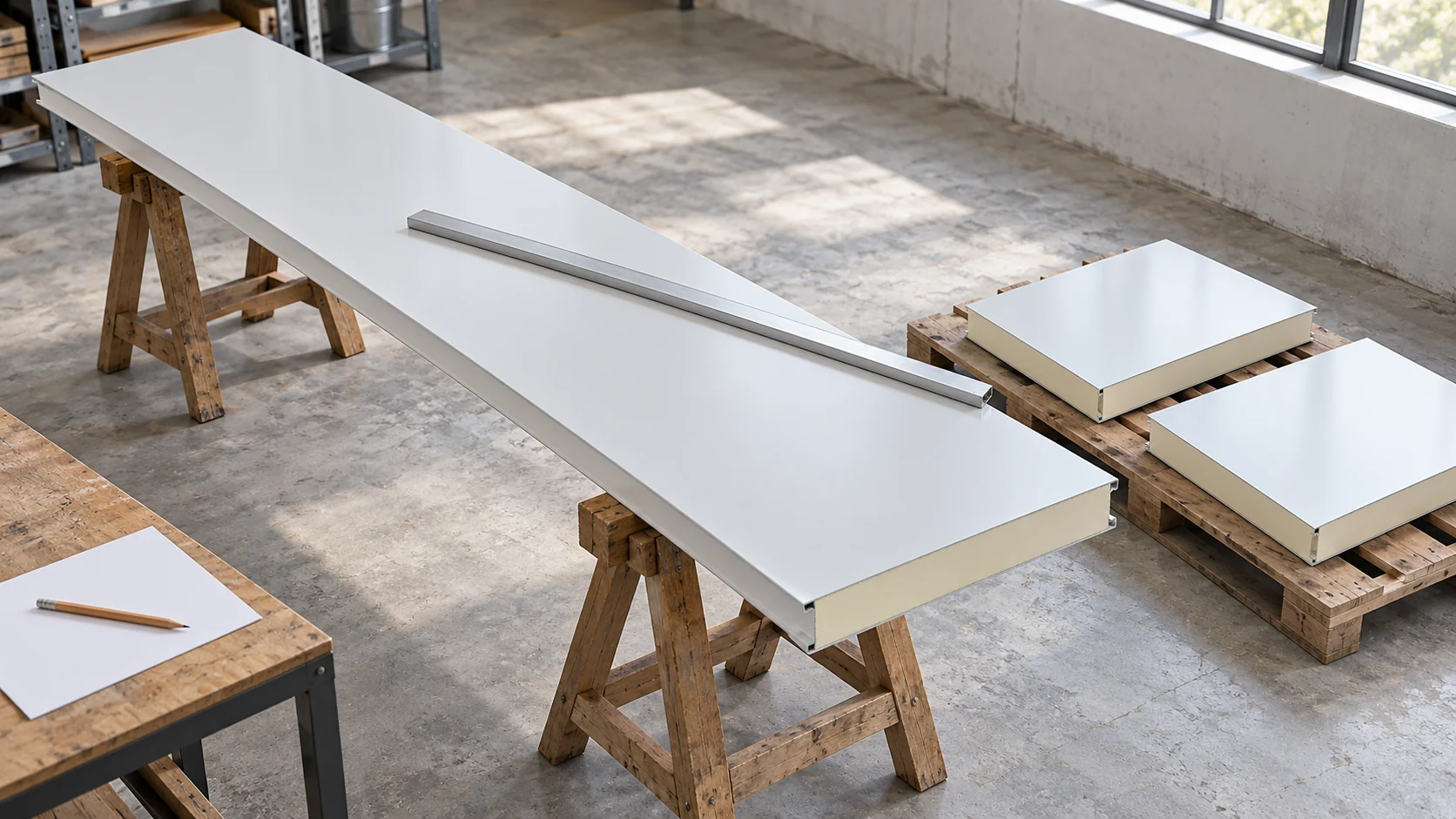
If the price was given per piece, convert it using the agreed billing area. Also watch out for offers in linear metres. One linear metre of a panel with a 1.05 m module gives 1.05 m² of coverage, not exactly 1 m². Such a conversion is correct only for the specified module. Another family may have a different width, so units must be checked before comparing prices.
The order should state the number of pieces and the lengths. The sum of metres alone does not confirm compliance with the cutting plan.
Compare panels with an identical configuration
The rate per m² depends on what makes up the product. Enter the core type, nominal thickness, thicknesses of both facings, coatings, profiling and colour in the table. Separate wall panels and roof panels. If you are comparing a cold-storage variant with a general wall panel, the price difference may also result from the joints and intended use.
Do not transfer the U-value, load-bearing capacity or fire classification from a product that is merely similar in name. The properties must be checked for the offered configuration. Second grade additionally requires a description of the deviations and the scope of confirmed parameters. A minor colour blemish and damage to the lock do not mean the same usable material.
This comparison should take into account the function of the room. In a dry storage room, a different range of coatings may be sufficient than in a frequently washed area. Choosing the cheaper variant makes sense when it retains the requirements that are actually needed.
Convert the rate to the pieces purchased
Take five panels, each 3.20 m long with a cover width of 1.13 m. One covers 3.616 m² and five cover 18.08 m². At an assumed €31.71 per m² before VAT, the material costs €573.32 before VAT. This is a worked example, not a market price or a supplier quote.
In a real purchase, also check the rounding rules and any commercial minimums. If you need an element shorter than the available one, payment may cover the entire section. The cutting service and removal of the remainder also require agreement. Do not assume that the seller will bill only the length you ultimately install.
The drawing should show every piece and the anticipated cuts. This allows you to compare buying from made-to-measure production and from stock. The same nominal area does not always give the same useful arrangement of elements.

Assess the material cost taking waste into account
Suppose an 80 m² pack costs €2,430.22 before VAT. That is roughly €30.38/m² purchased. If only 70 m² can be used in the planned building element, the panels cost about €34.72 per square metre actually used.
This does not mean that every offcut is worthless. It may be used in the anticipated cut if it matches in dimension, condition and support. However, it should not be assigned value just because it ‘might come in handy someday’. Additional storage requires space and protection against damage.
The situation is similar with openings. A window reduces the finished panel area but often requires purchasing and cutting a full piece. On roofs and façades with irregular shapes, the cost after cutting is often more meaningful than the lowest price in the offer headline.
Add the scope needed to complete the partition
The panel price does not automatically include fasteners, tapes, sealants and flashings. Transport, unloading and installation may also be listed separately. Separate these items and then compare the total for the same standard. Some costs depend on linear metres of edge or the number of details, so they do not increase directly with area.
Maintain a single net or gross basis throughout the comparison. Confirm the price validity period and the availability of the specified lengths. Material in a catalogue photo does not prove current stock. A change of batch may require rechecking colour, connections and cutting.
A full breakdown shows whether a lower rate per m² results in lower expenditure. For a small partition, a good module and complete delivery may mean more than the difference in unit price.
Short answers
Does a linear metre of panel always equal a square metre?
No. The area is calculated from the length and the actual billing width. With a module of 1.05 m, one metre of length corresponds to 1.05 m² of coverage.
Should the price per m² of a finished wall be the same as the price of the panel?
No. A finished wall includes cutting, accessories and labour, and sometimes also the structure. The scope of the comparison must be clearly described before comparing rates.
7 branches. Materials closer to your project.