

Building basics
Sandwich-panel.pl explains the basics of choosing sandwich panels, PIR insulation boards and metal roofing. Learn how the core differs from the facings, what the thickness describes and how the sheet dimensions relate to the effective cover area. The guides are intended for people planning a garage, industrial building, workshop or farm building. They explain which details to collect before ordering, how to identify accessories and what to inspect when the goods arrive. Use the articles to compare materials and prepare the questions that need to be resolved for your project.
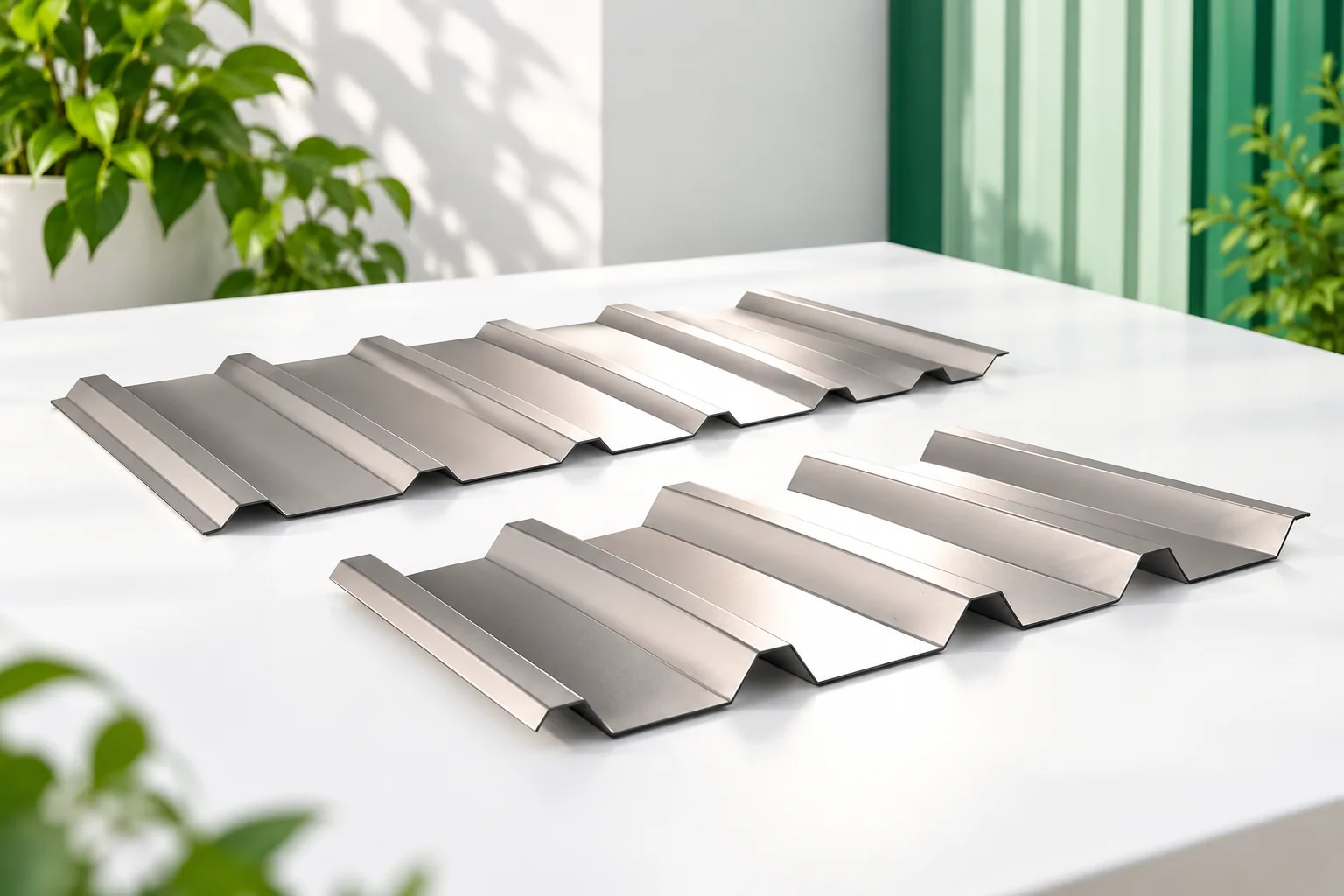
T18 or T35 trapezoidal steel sheet for a roof?
Choosing between T18 and T35 is not about which profile is better, but which suits the specific roof. Check the span, loads, pitch and the full geometry of the product, because the name alone does not determine load capacity or minimum pitch. Compare technical data sheets and complete roof variants, including coverage width and overlap edges. Note whether the intended use is roofing or cladding, and which side is coated. Leave the support spacing decision to the designer, and when replacing sheets, compare the entire cross-section with the existing material.
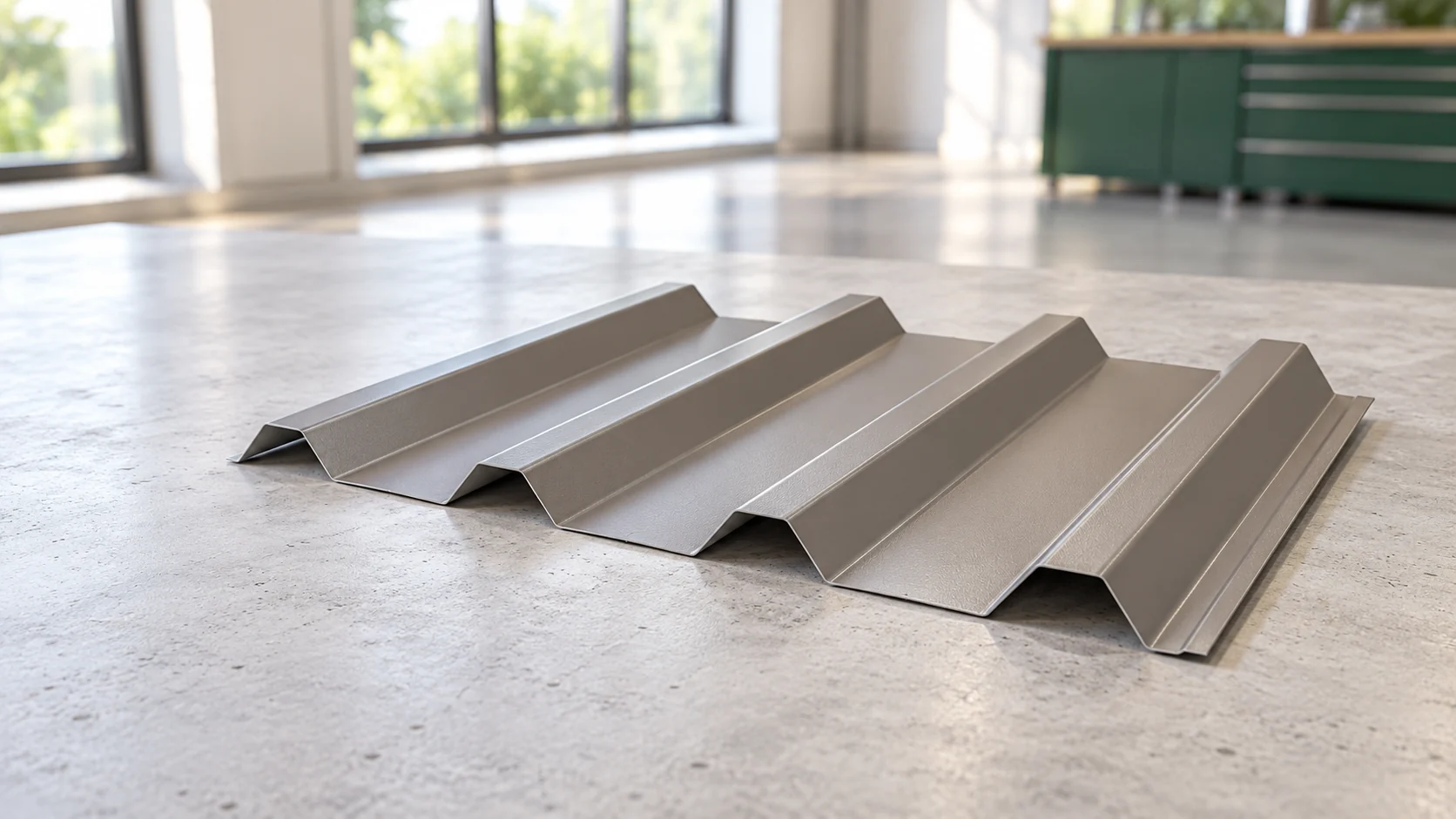
How much does a metre of trapezoidal steel sheet cost and what must a fair price comparison include?
The price per metre of trapezoidal steel sheet only makes sense once it is clear which metre is being billed. A price list may refer to the total area, the covered area or the length of the sheet. The profile, thickness and coating must also be known. Two seemingly similar quotes may relate to a different material and a different scope of delivery. The profile designation, the thickness of the steel substrate and the type of surface protection are needed. The roof or façade variant is important. Only such a description identifies the material being compared. The wording ‘graphite trapezoidal sheet’ alone does not explain its properties.
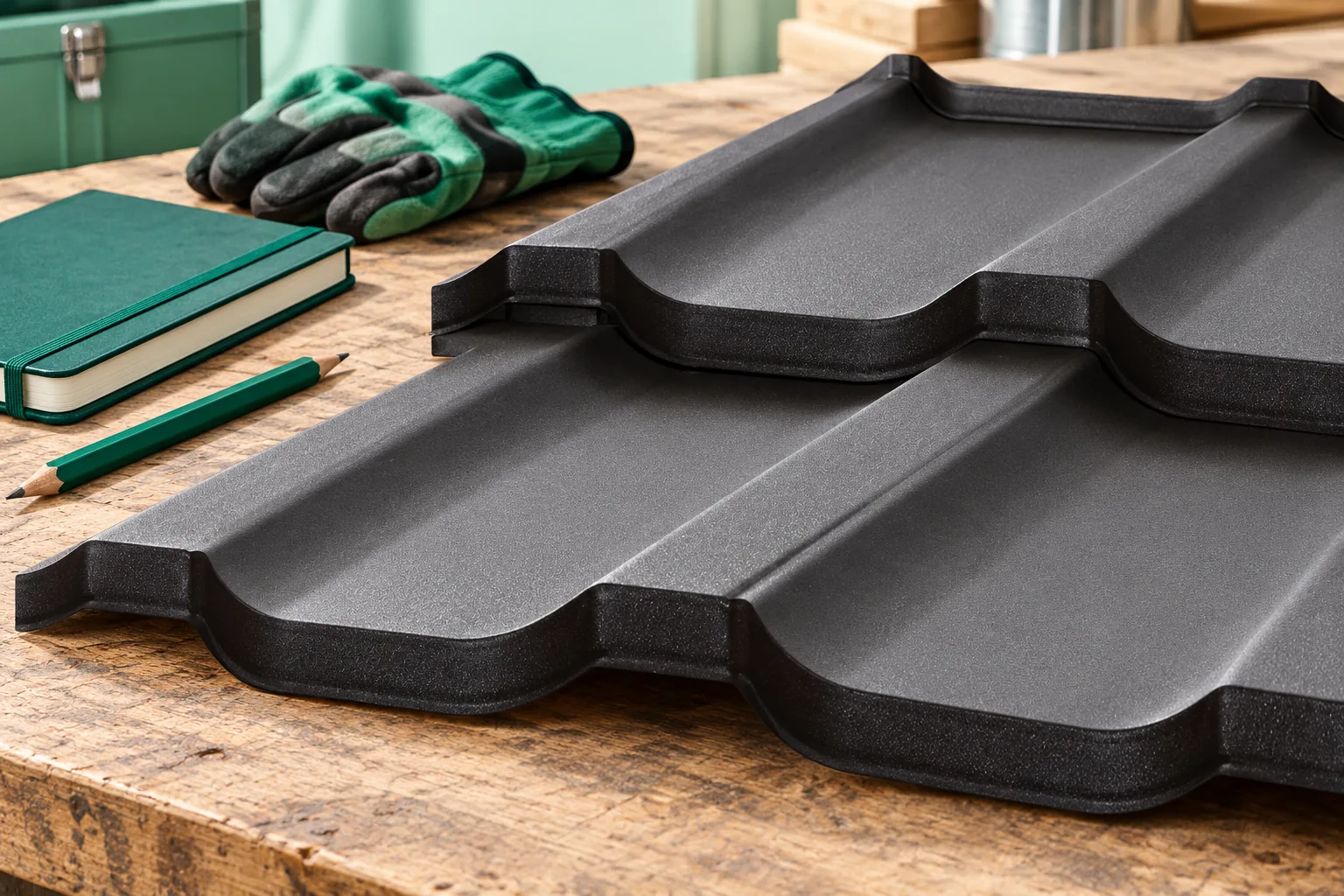
What determines the cost of installing metal roof sheets?
Start by establishing exactly what the contractor is pricing. The final cost is shaped not only by the rate per square metre but also by the roof's shape, the preparation of the substrate and the number of details such as valleys or chimneys. Ask whether the quote covers just laying the sheets or a broader service including the battens, underlay and flashings. Clarify what surface area forms the basis for settlement – where there are many cuts, the metres of purchased sheeting may differ from the metres of finished covering. Request a clear indication of net or gross amounts and units.
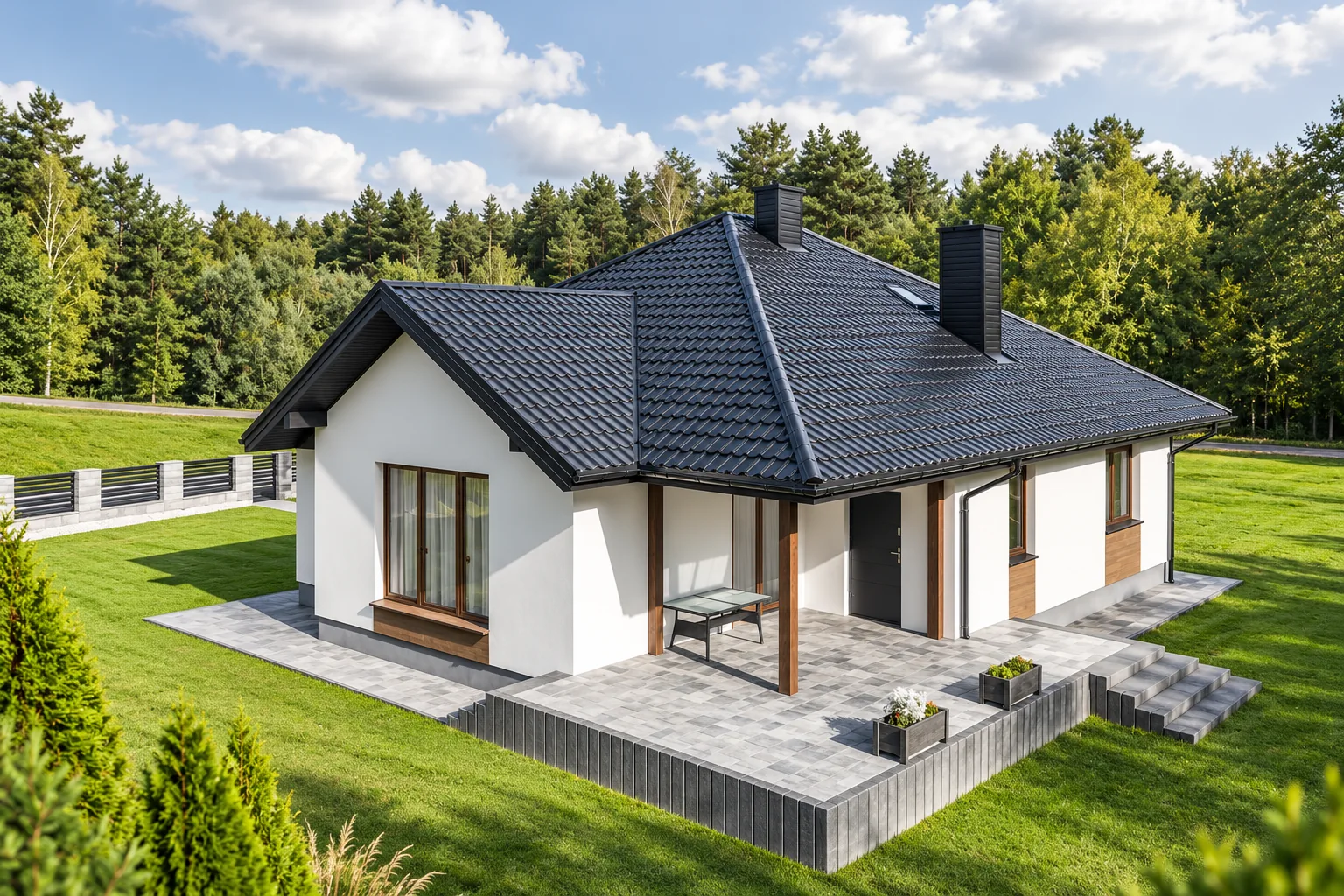
How to find and repair the cause of a leak in a metal roof
Before sealing a metal roof, find out where water actually gets under the covering – the drip may show up well away from that point. Check drainage, flashings and roof penetrations, and the underside of the roof if you can reach it. Weather can mislead: a leak that shows up in windy conditions has a different cause from a stain during a thaw. Also consider condensation. Only then choose a material to suit the coating and joint type.
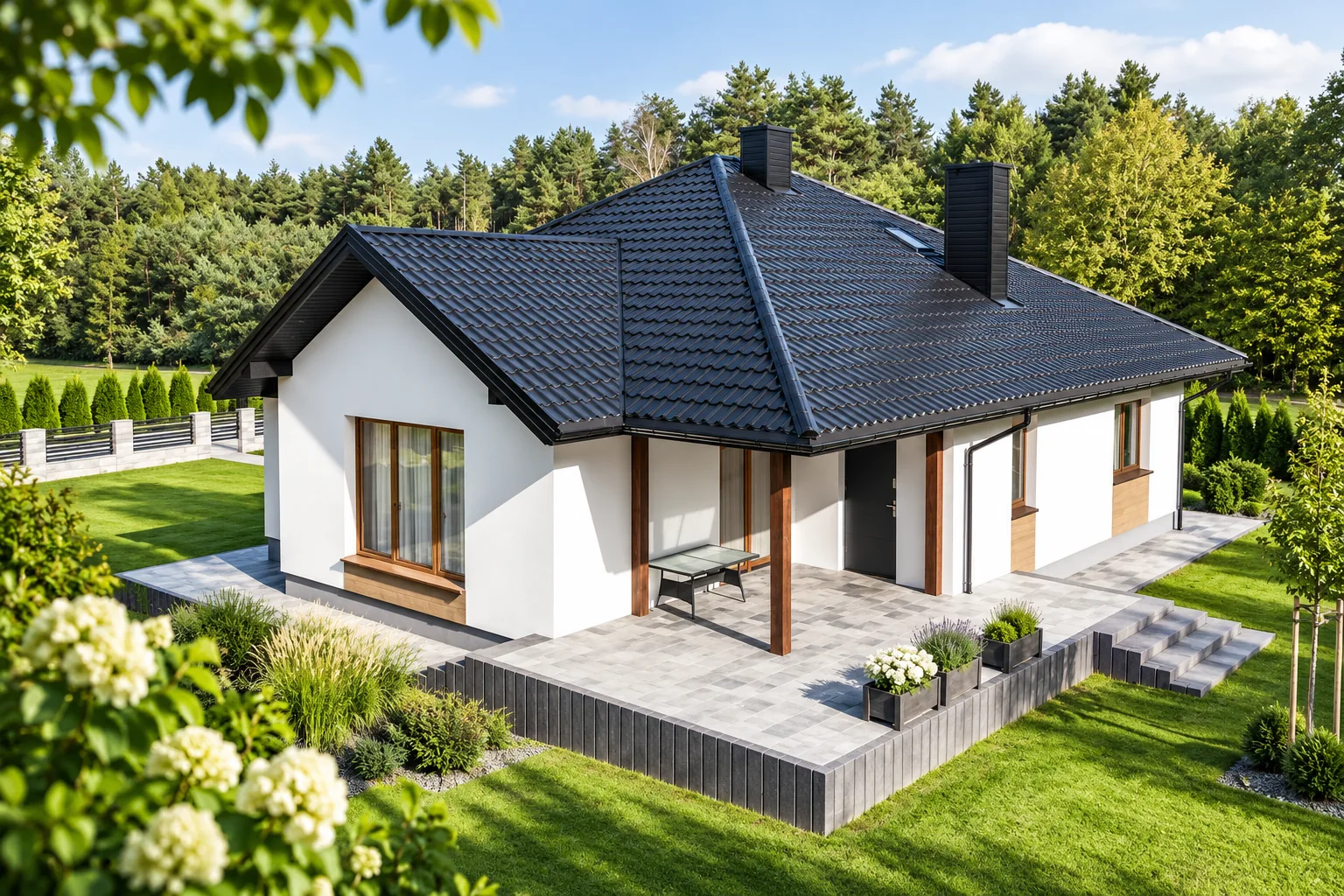
Planning work on an ageing roof covering
Begin by deciding whether the renovation is to remove a local leak or to cover the layers and structure — a decision that defines the whole scope. Check the accessible roof truss elements, the substrate, flashings and drainage, as well as moisture and any plans to adapt the loft. Gather the repair history and photographs; recurring damp in the same place is telling. Some findings will only be confirmed once the covering is removed, so separate what is certain from what needs exposing. If structural damage is suspected, leave the technical assessment to a specialist.

Checking a metal roof after winter: gutters, flashings and signs of leaks
Begin by deciding which parts of the metal roof need repair after winter and which merely call for observation. Base the inspection on autumn photographs and notes so that genuine changes are distinguished from temporary soiling. Check the coating, flashings, fixings and the free flow of gutters and snow guards. From ground level you can spot bent sheets and displaced accessories, but damp patches in the attic need a separate investigation of their source. Postpone assessing the surface until conditions allow it to be examined safely.