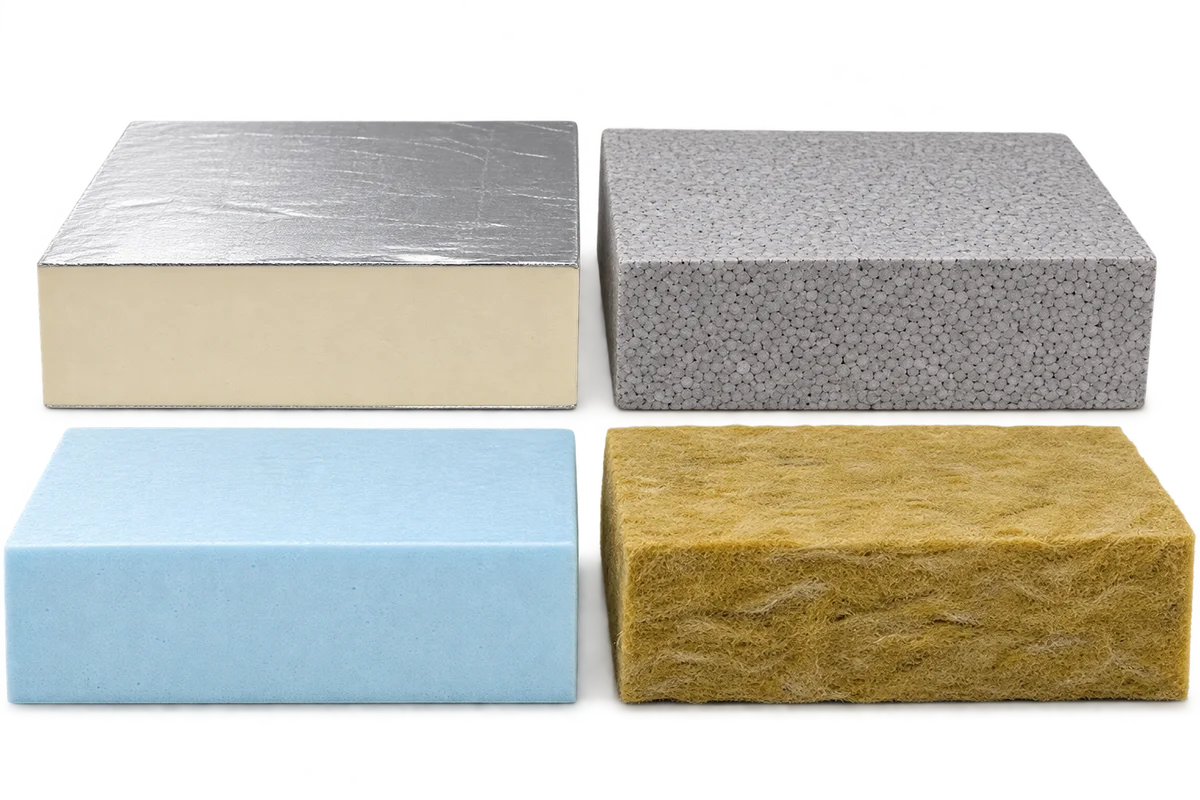
Insulation board facings: decide the finish before choosing the board

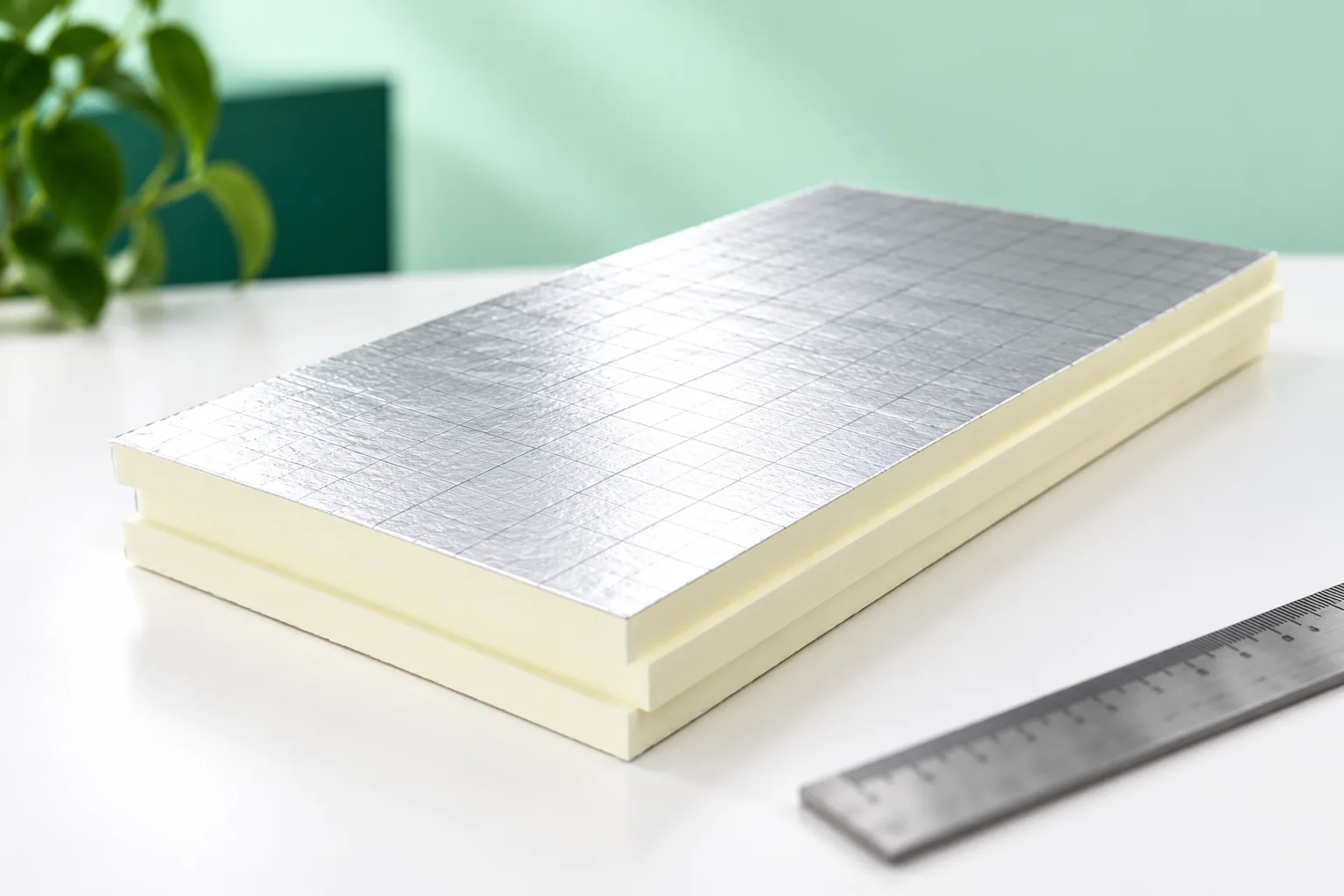
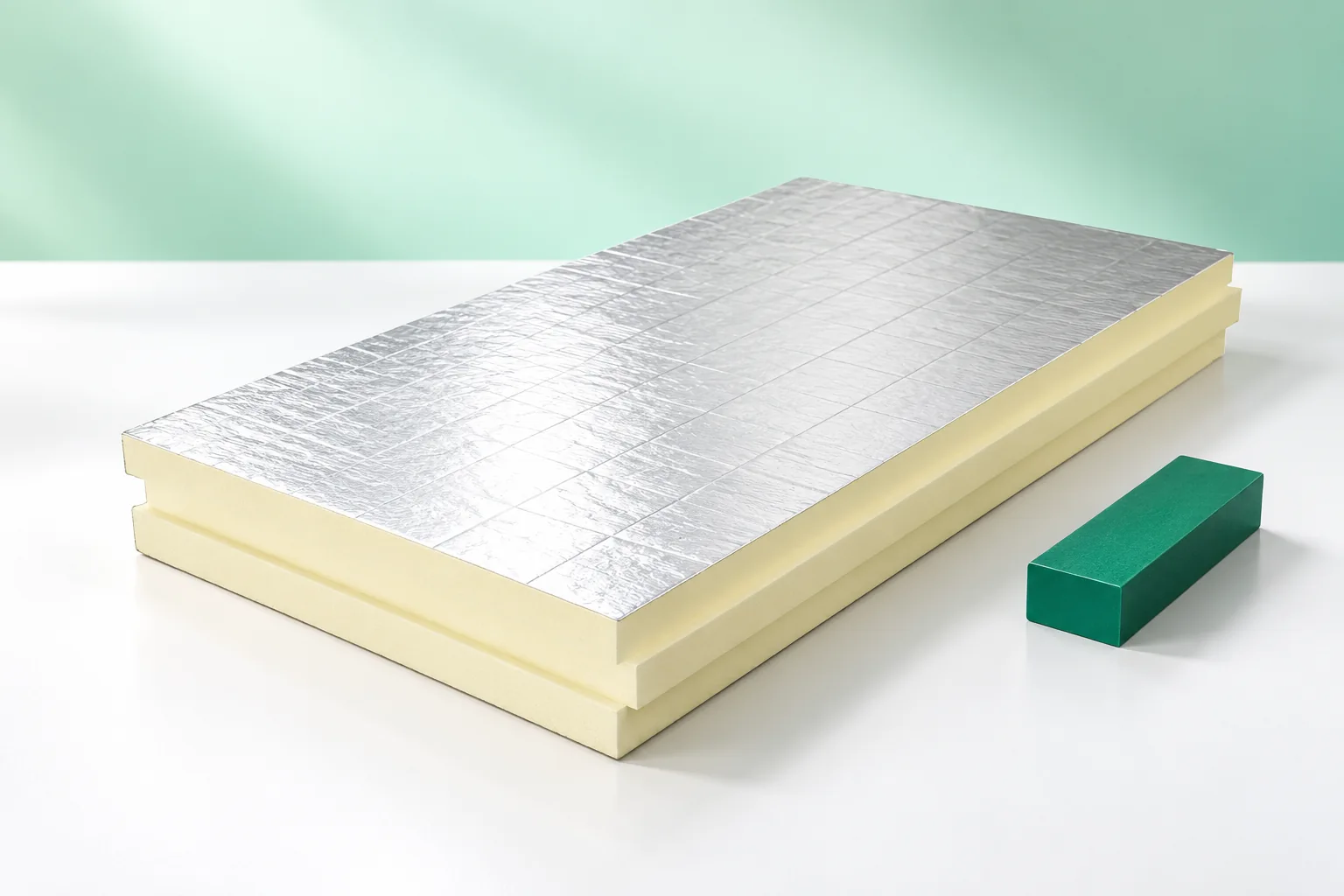
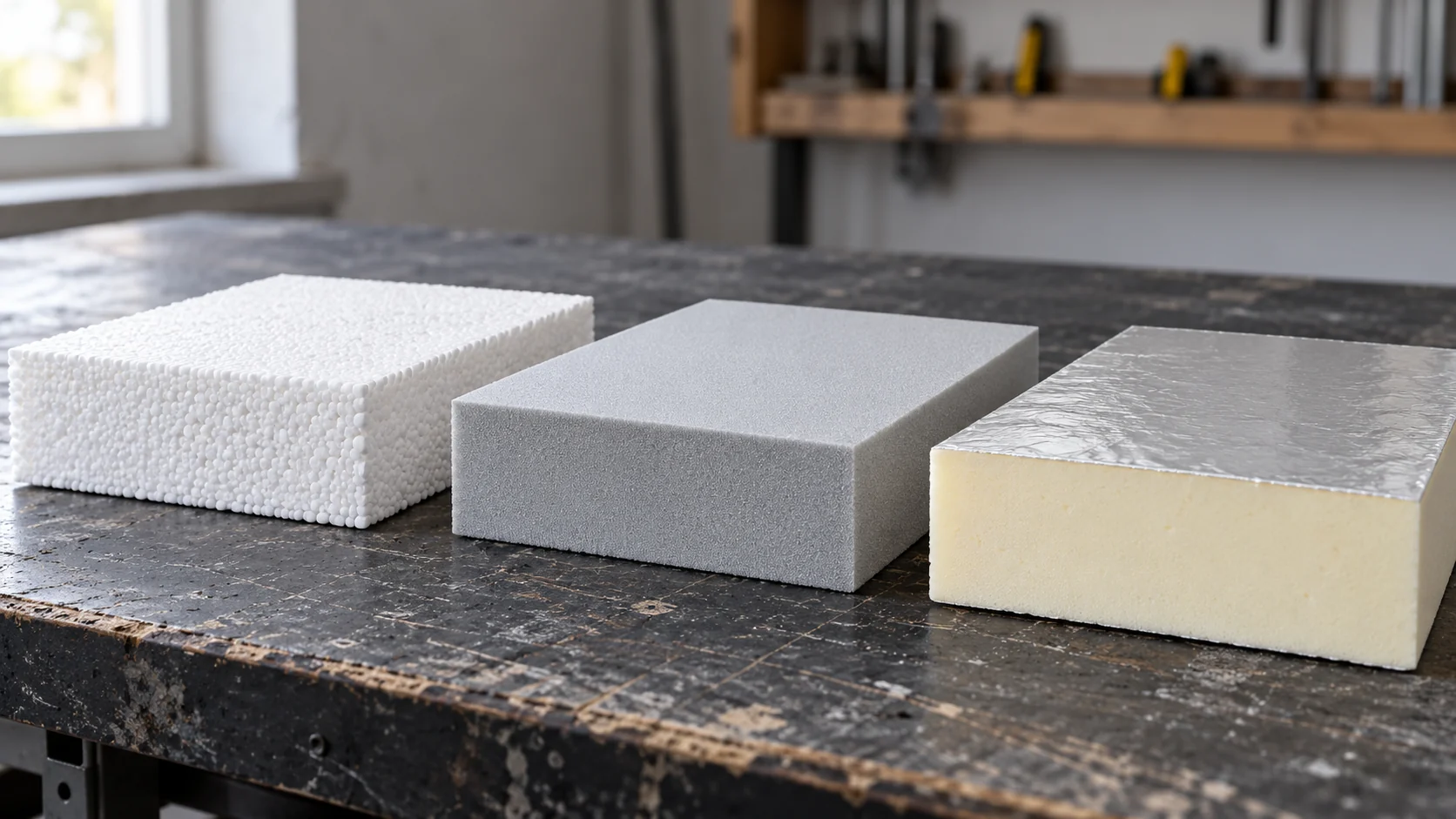
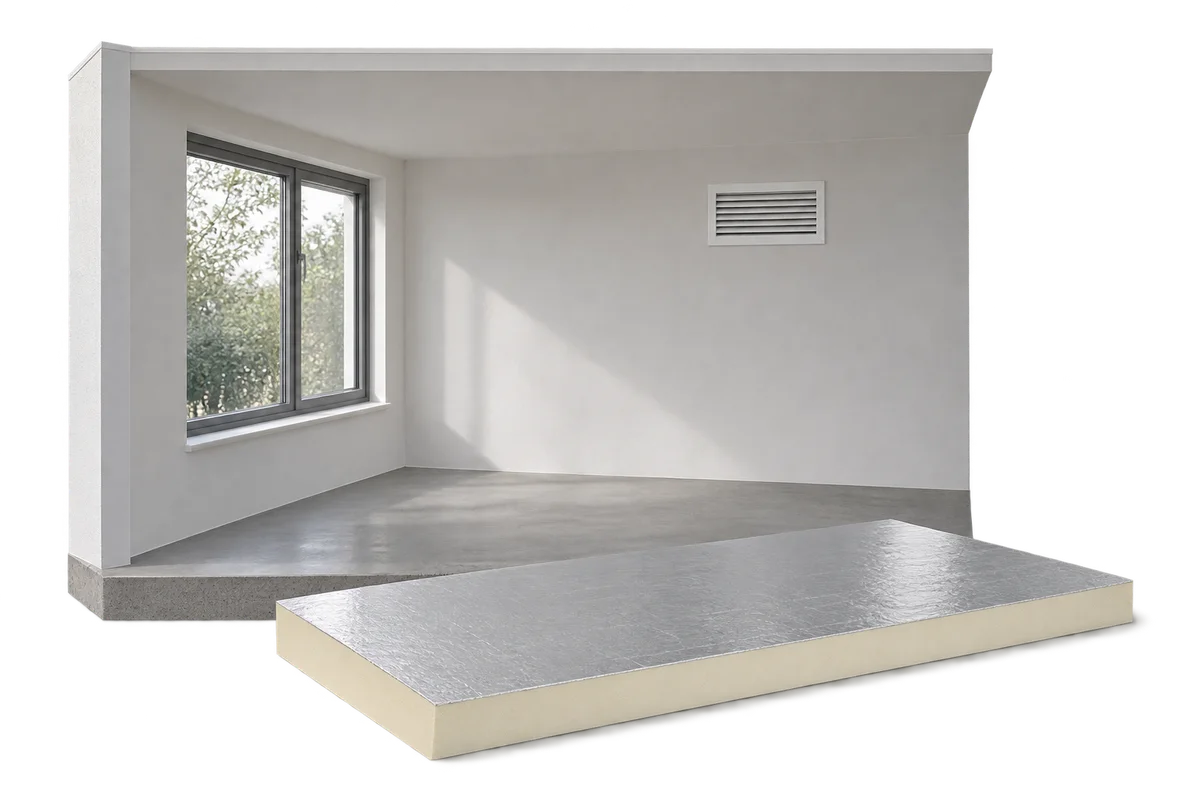
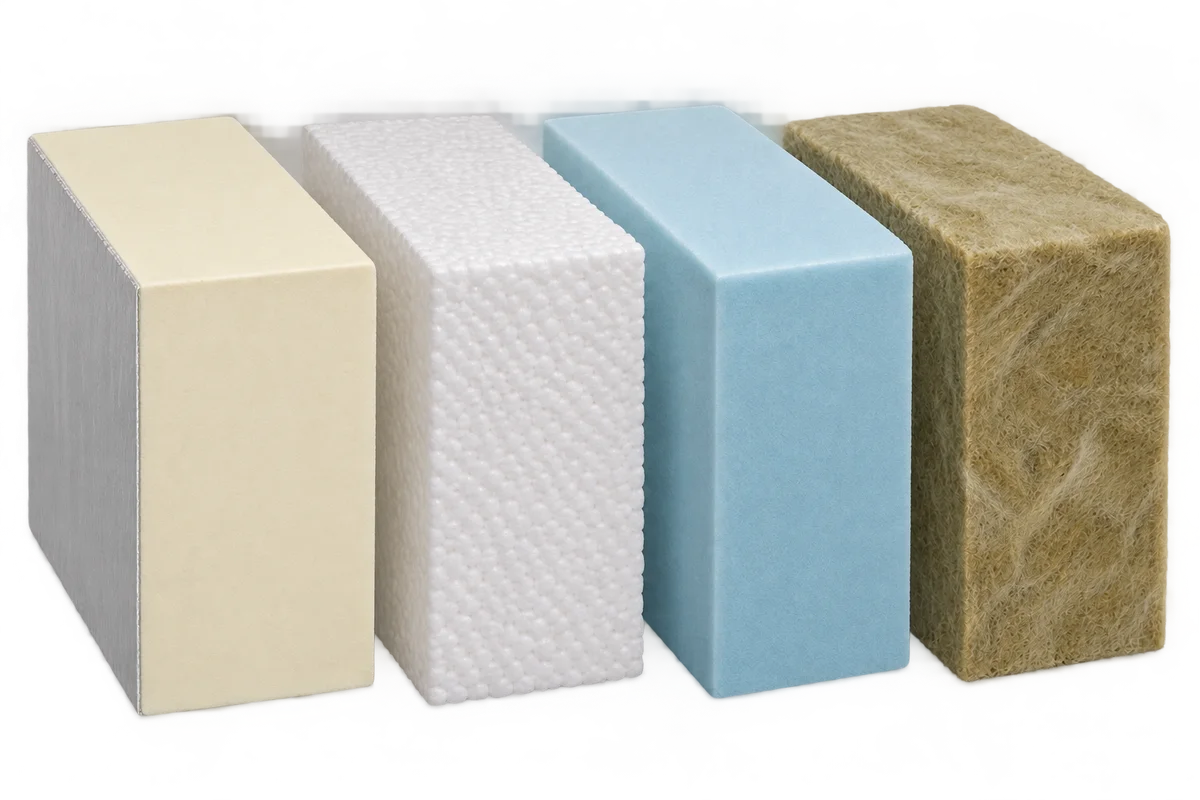
An insulation board is more than its core. Its facing and surface preparation can determine how it works with adhesive, a finish or the next layer of a building element. Comparing PIR, EPS, XPS and mineral wool should therefore start with the intended installation and finish. A board specified for one system cannot be replaced merely on the basis of similar thickness or appearance. This guide covers product identification, surface documentation and agreement on the materials in contact with the insulation. It also helps prepare an unambiguous order and delivery check. It does not provide a universal bonding or rendering method: those operations must follow the chosen solution’s instructions.
By |2026-11-09T16:47:07+01:002026-11-09|Uncategorized|Comments Off on Insulation board facings: decide the finish before choosing the board

Moisture after renovation: planning the next finishing stages

After renovation, moisture may come from wet construction processes, but not every mark should automatically be treated as normal drying. Before adding further layers, establish the requirements of the actual substrate and finishing material. This guide helps organise the schedule, records and responsibilities between trades. It covers preparation for checking, recording conditions and deciding when the next stage can begin. It provides neither a universal drying time nor one moisture limit for every material. The same approach applies where PIR insulation is planned: installation must follow the agreed solution. A board delivery date or contractor booking does not demonstrate that the substrate is ready.

By |2026-11-10T03:07:17+01:002026-11-09|Uncategorized|Comments Off on Moisture after renovation: planning the next finishing stages

Can PIR insulation be combined with mineral wool, EPS or XPS?

Different insulation materials can work together in one building element when each solves a specific problem. PIR can keep the build-up thin, mineral wool can contribute to fire protection or acoustics, and XPS suits certain applications exposed to moisture and compressive loads. The order of the layers, how they interact and the details of their installation determine whether the combination works. Adding their thermal resistances is not enough. In a roof retrofit, serviceable insulation can often stay in place while a new layer improves the whole assembly. In a floor, thermal insulation and a resilient layer for impact sound have different jobs. Combining materials is a design decision.

By |2026-11-09T07:07:36+01:002026-11-09|Uncategorized|Comments Off on Can PIR insulation be combined with mineral wool, EPS or XPS?

Which roof insulation should you choose – PIR, EPS, XPS or mineral wool?

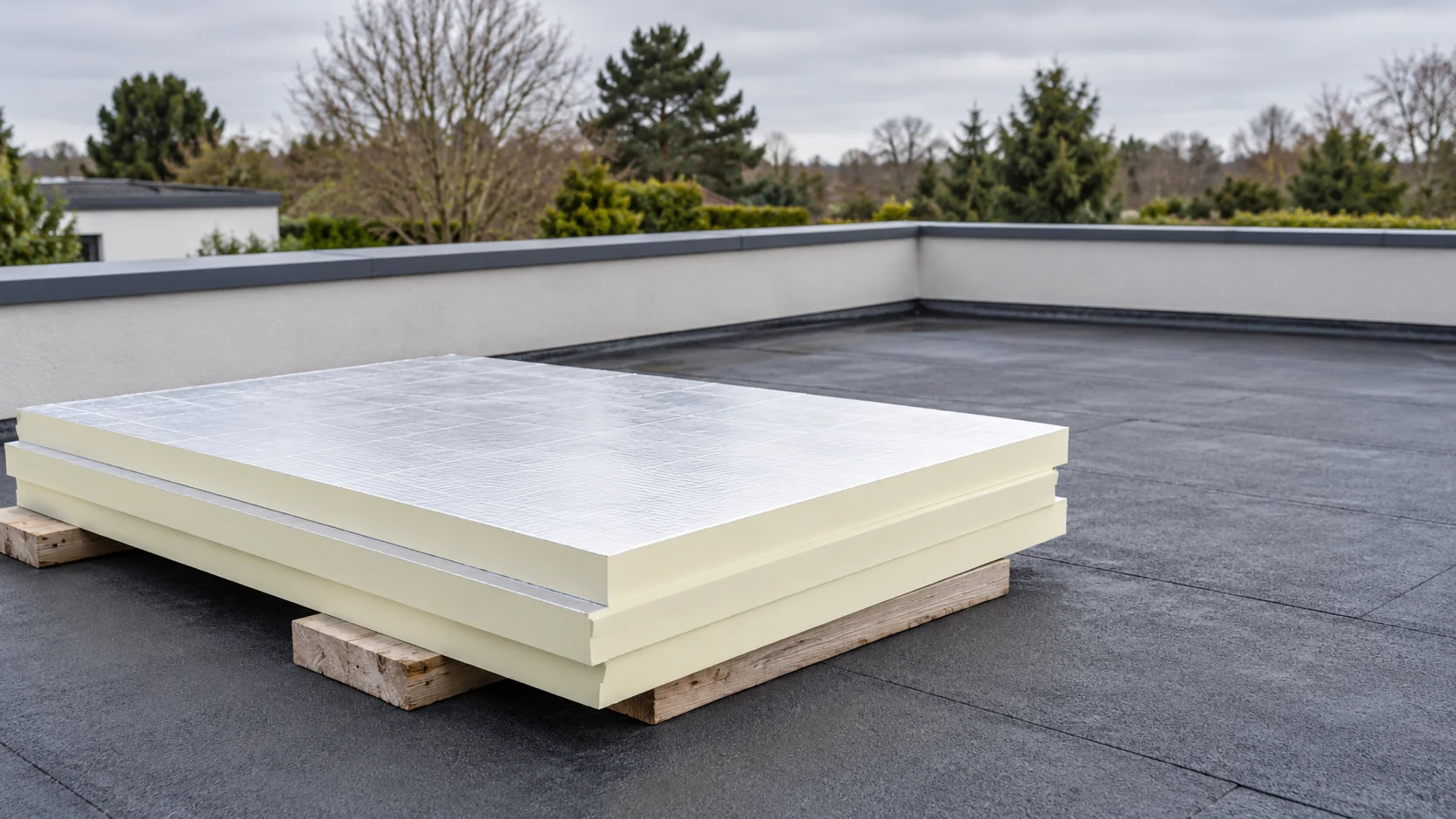
The choice of roof insulation depends on the entire assembly, not on the lambda value alone. Check where the material sits, the loads, the risk of moisture and the available thickness – these narrow down the realistic options. PIR helps where height is limited, EPS can be beneficial in a designed warm roof, XPS in wet conditions, and wool where fire and acoustic requirements matter. Compare variants with similar thermal performance, including details and the product datasheet. Without this, a price-per-metre comparison says little.

By |2026-11-14T19:47:28+01:002026-10-28|Construction basics|Comments Off on Which roof insulation should you choose – PIR, EPS, XPS or mineral wool?

When is PIR a better choice than EPS, XPS or mineral wool?

PIR wins where a high thermal resistance is needed within a limited thickness, but it is not a universal solution. Before choosing, establish the available height, the required resistance, the loads and the fire requirements, then compare specific products and complete assemblies. Check the declared lambda and the intended use of the product, not just the material name. This article explains when EPS may be more favourable in the budget, why XPS is considered where there is contact with water, and what speaks in favour of mineral wool.

By |2026-11-14T23:28:07+01:002026-05-07|Construction basics|Comments Off on When is PIR a better choice than EPS, XPS or mineral wool?

PIR or XPS for a flat roof: what does the position of the insulation tell you?

PIR and XPS are not chosen for a flat roof on the basis of lambda alone. First you need to know where the insulation will sit relative to the water-retaining layer. A dry board under a membrane performs differently from a material above the waterproofing, under gravel or a terrace. The requirements, details and the point of comparing prices all depend on this arrangement. In a traditional roof the thermal insulation is usually below the waterproof layer. In an inverted roof the order is different: the insulation goes above the waterproofing and may come into contact with water. This distinction matters more than the flat shape of the roof as seen from the street.

By |2026-11-14T10:17:33+01:002023-05-25|Construction basics|Comments Off on PIR or XPS for a flat roof: what does the position of the insulation tell you?

EPS, XPS or PIR: how to match insulation to the location in the building?

No single insulation material is best for every part of a building. On the façade, compatibility with the system and the finish matter; at ground level, contact with water; and in the floor, loads. EPS, XPS and PIR must be compared as specific products for a specific location. The name of the plastic alone or a favourable lambda does not complete the selection. Insulation under the floor of a workshop performs differently from that in the wall of a room. In the first case, pressures from the floor slab and equipment matter; in the second, continuity of insulation and the finish. The plinth and inverted roof also bring contact with water.

By |2026-11-14T12:35:08+01:002023-03-01|Construction basics|Comments Off on EPS, XPS or PIR: how to match insulation to the location in the building?