Roofs and sheet metal
Single, double and snap-lock standing seams: how the joints differ
Key points in brief
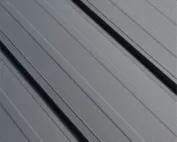
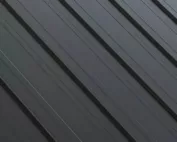
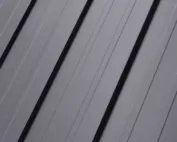
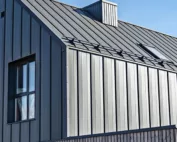
Longitudinal lines on the roof may look similar, although they conceal different connections. A traditional standing seam is formed during roofing work. A click panel has prepared edges that are joined by snap-locking. This choice affects the substrate, fixings and details. Not all such coverings should be treated as one system. The edges of adjacent sheet metal strips are folded over the covering surface and joined by crimping. Single and double standing seams differ in how they are closed. In the double seam, the connection is additionally folded. Execution requires suitable tools and careful preparation of the strips.
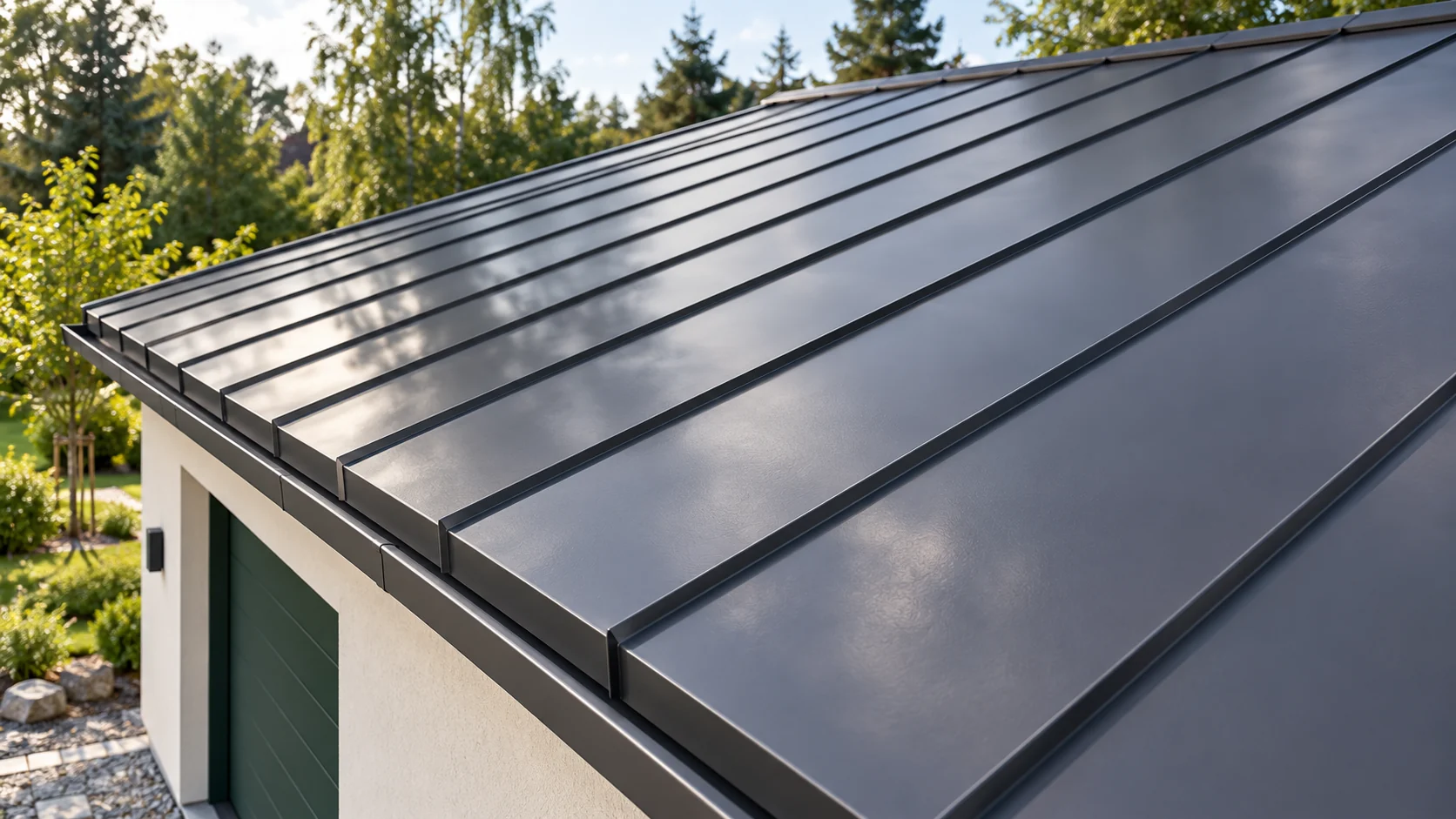
What is a traditional standing seam?
Fixing a traditional covering may rely on cleats. A properly selected solution allows for thermal movement of the steel sheet. The details depend on the material and the length of the panels. The specified components must not be replaced with random screws passing through the flat surface.
What distinguishes a click panel?
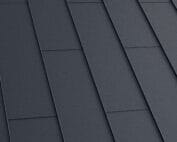
In a click panel, the edges are formed at the factory. Installation involves joining the matching sides without traditional seaming along the entire length. In selected solutions, the fixings are located in a prepared strip with holes. They are covered by the next panel.
This does not mean there are no mounting holes at all. It means a defined location for making and covering them. Some systems use other fixing methods. Before choosing fasteners, check the construction of the specific panel. The rules for traditional flat sheet do not always apply to click systems.
Will a double standing seam always be the most watertight?
The method of closing matters, but it does not act alone. Pitch, panel length, transverse joints and flashings all count. One minimum angle cannot be assigned to all double standing seams. Likewise, a click panel does not have a single pitch limit for the whole market.
In an example snap-lock system, a pitch from 8° is specified. This value applies to its solution and installation conditions. It is not permission to lay any steel sheet on such a roof slope. At low pitch, a continuous drainage path and limiting problematic joints are particularly important.
Which panel dimensions matter?
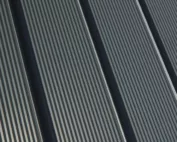
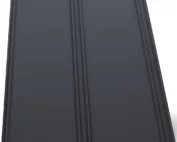
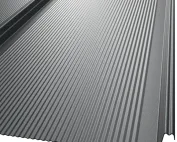
You can find a click panel with a coverage of 510 mm and a joint height of 25 mm. In this family, the recommended maximum length depends on the surface profiling. For example, the flat variant has a different range than the variant with a fine corrugation. Length is not selected solely on the basis of transport capability.
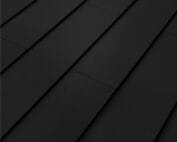
Wide flat sections can reveal waviness under the light. This results from the properties of thin steel sheet and the working conditions. An even substrate and correct fixing limit the adverse effect. However, you should not expect the appearance of a perfectly rigid sheet of glass across the entire roof slope.

Why must the substrate match the system?
Different coverings may require full boarding or a specific arrangement of supports. Separating layers and ventilation are added. It must not be assumed that a snap-on panel is always laid on sparse battens and that a traditional standing seam always uses an identical boarding arrangement.
For the design of a small studio with a loft, it is worth also discussing acoustics. The substrate, insulation and interior finish affect how rain is perceived. Changing the type of joint alone will not solve the problem of noise or dampness in the layers beneath the covering.
It is worth examining a sample of the closed joint from both sides. This helps to understand the principle of the system, but does not replace knowledge of the fixing and the possible movement of the sheet across the entire roof slope.
What determines the cost of installation?
Traditional seaming of standing seams requires different work than joining ready-made panels. Corners, roof valleys and penetrations are of great importance. On a simple roof slope, a ready-made click system can make laying more efficient. On a complex roof, the time devoted to details will still be a significant part of the quote.
Compare complete systems together with the substrate, fixings and flashings. The price of the steel sheet strip alone does not include its forming and all connections. If the contractor quotes only the metres of roof slope, ask about the details. Otherwise the final bill may relate to a different scope than assumed.
How to choose a solution for your own roof?
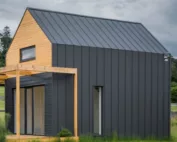
Start with the roof slope geometry and the project requirements. Then select the specific material and joining system. Only on this basis are the strip widths, substrate and accessories determined. It is worth viewing a larger completed project in similar light in order to assess the pattern and possible waviness.
When talking to the roofer, use a full description: traditional single standing seam, double standing seam or a specific click panel. The word “standing seam” is too broad for an order. A clear distinction will also facilitate future repair and the selection of compatible roof fittings.
Short answers
Is a click seam the same as a double standing seam?
No. These are different ways of joining the sheet metal. A similar appearance does not mean the same construction, tightness or fixing rules.
Do click panels not move under the influence of temperature?
They do, just like other sheet metal coverings. That is why the fixings, lengths and details must allow for the movement intended for the given system.
7 branches. Materials closer to your project.