

Building basics
Sandwich-panel.pl explains the basics of choosing sandwich panels, PIR insulation boards and metal roofing. Learn how the core differs from the facings, what the thickness describes and how the sheet dimensions relate to the effective cover area. The guides are intended for people planning a garage, industrial building, workshop or farm building. They explain which details to collect before ordering, how to identify accessories and what to inspect when the goods arrive. Use the articles to compare materials and prepare the questions that need to be resolved for your project.
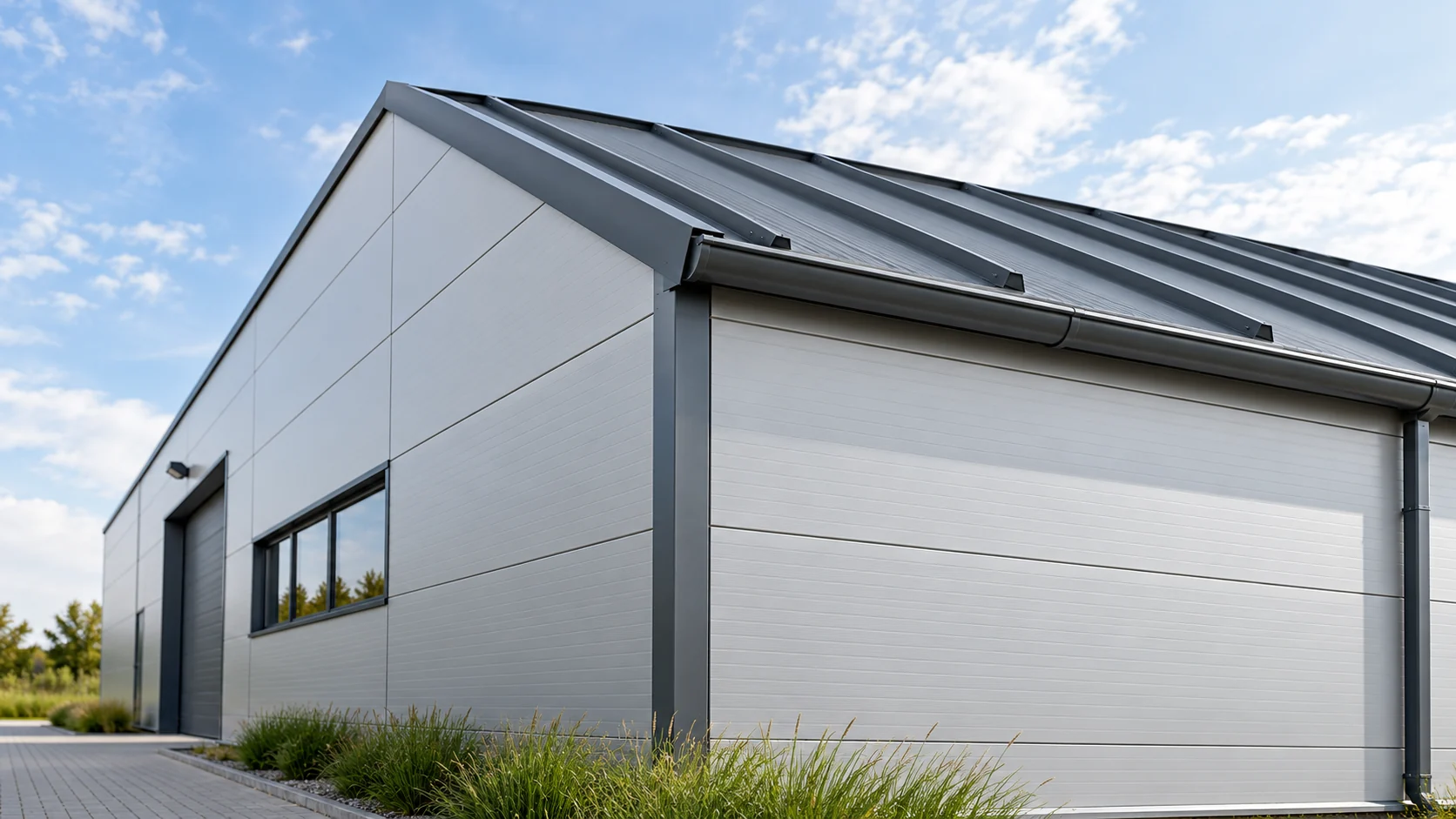
How to specify roof and wall panels together on one project
The roof and façade meet at the eaves, at the gables and in many details. It is therefore worth selecting them together, even when the panels come from different catalogue sections. A shared plan allows insulation, appearance, dimensions and costs to be coordinated. As a result, correctly selected individual products can form a coherent, airtight building envelope. A roof panel drains water over its profiled surface and works between the supports of the roof slope. A façade panel closes the vertical partition and helps shape the building's appearance. Both must be selected for loads and environment. They are not interchangeable simply because they have the same core or colour.
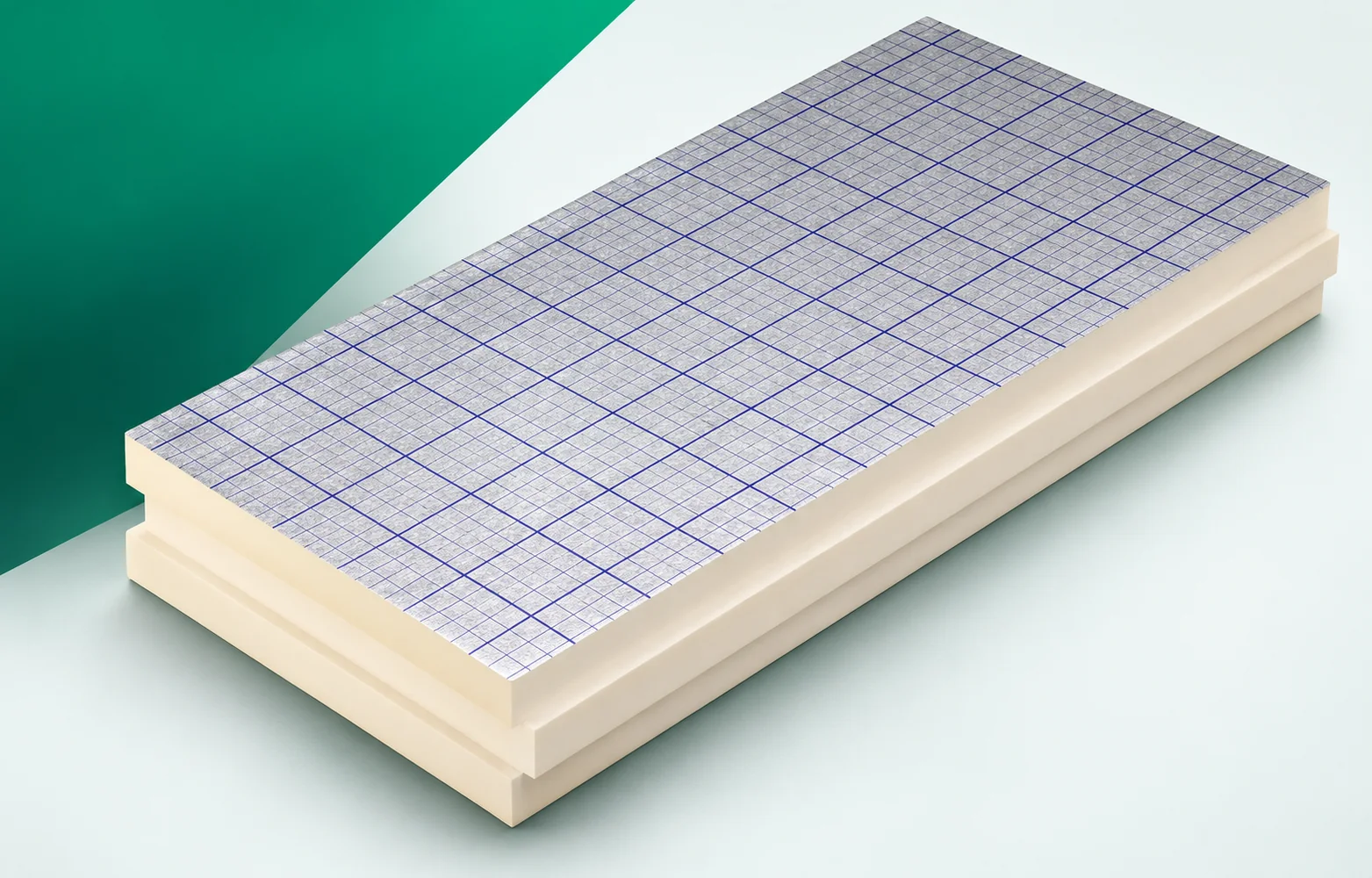
swissporPIR Alu performance and the design of a complete building assembly
swissporPIR Alu is a thermal insulation board with a rigid polyisocyanurate foam core and a gas-tight laminate containing aluminium, paper and polyethylene on both sides. Its parameters relate to a specific construction and thickness of the product. In a roof or wall, it must be combined with a suitable substrate, fixing and protection against water. The laminate is not the steel facing of a structural sandwich panel, nor is it a finished covering. The guide explains the relationship between the lambda value, the board's thermal resistance and the result for the entire building assembly, as well as the selection of formats, joints and scope of delivery. The broader term “polyurethane insulation” does not replace the full designation of this PIR product.
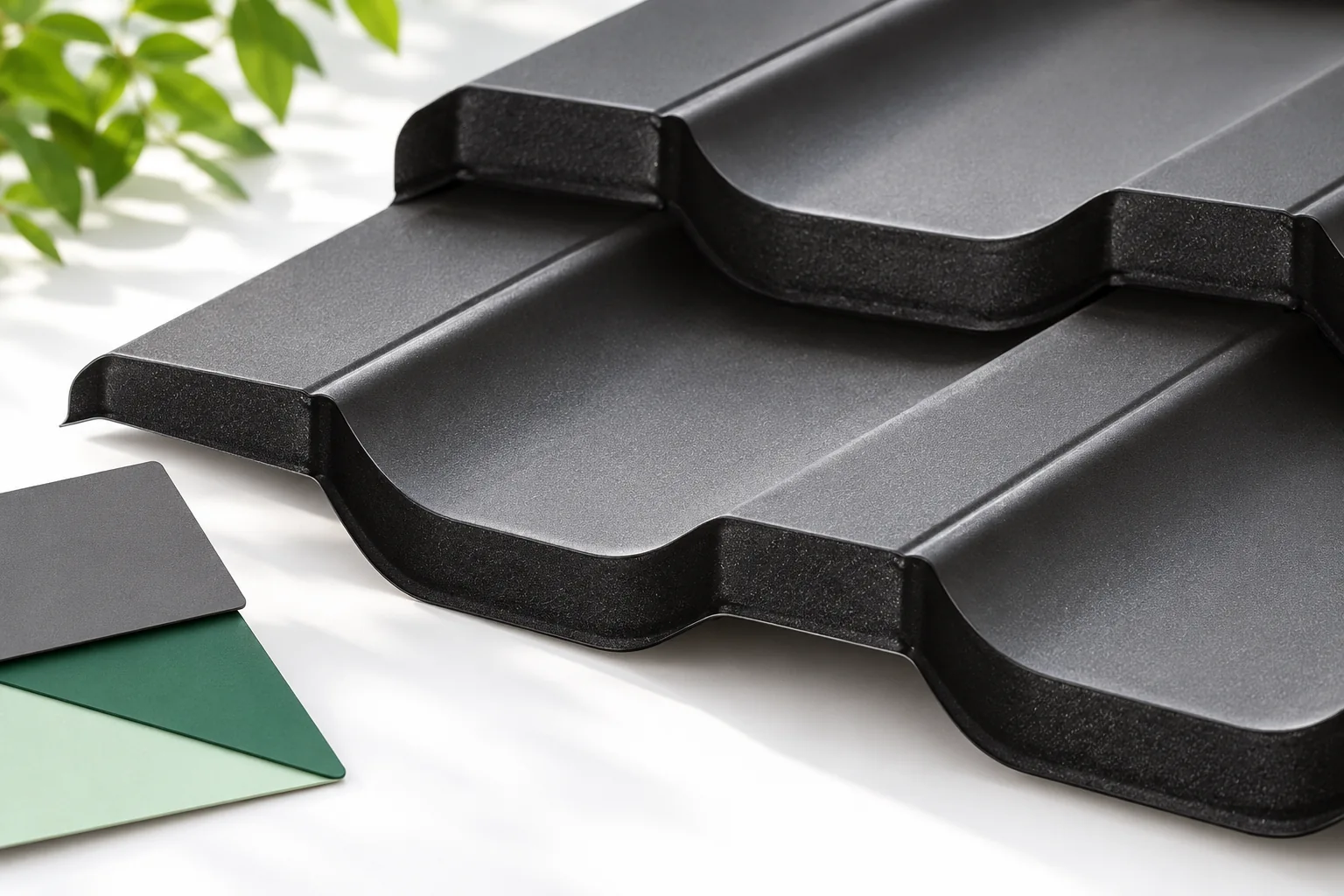
What to look for when choosing tile-effect metal roofing
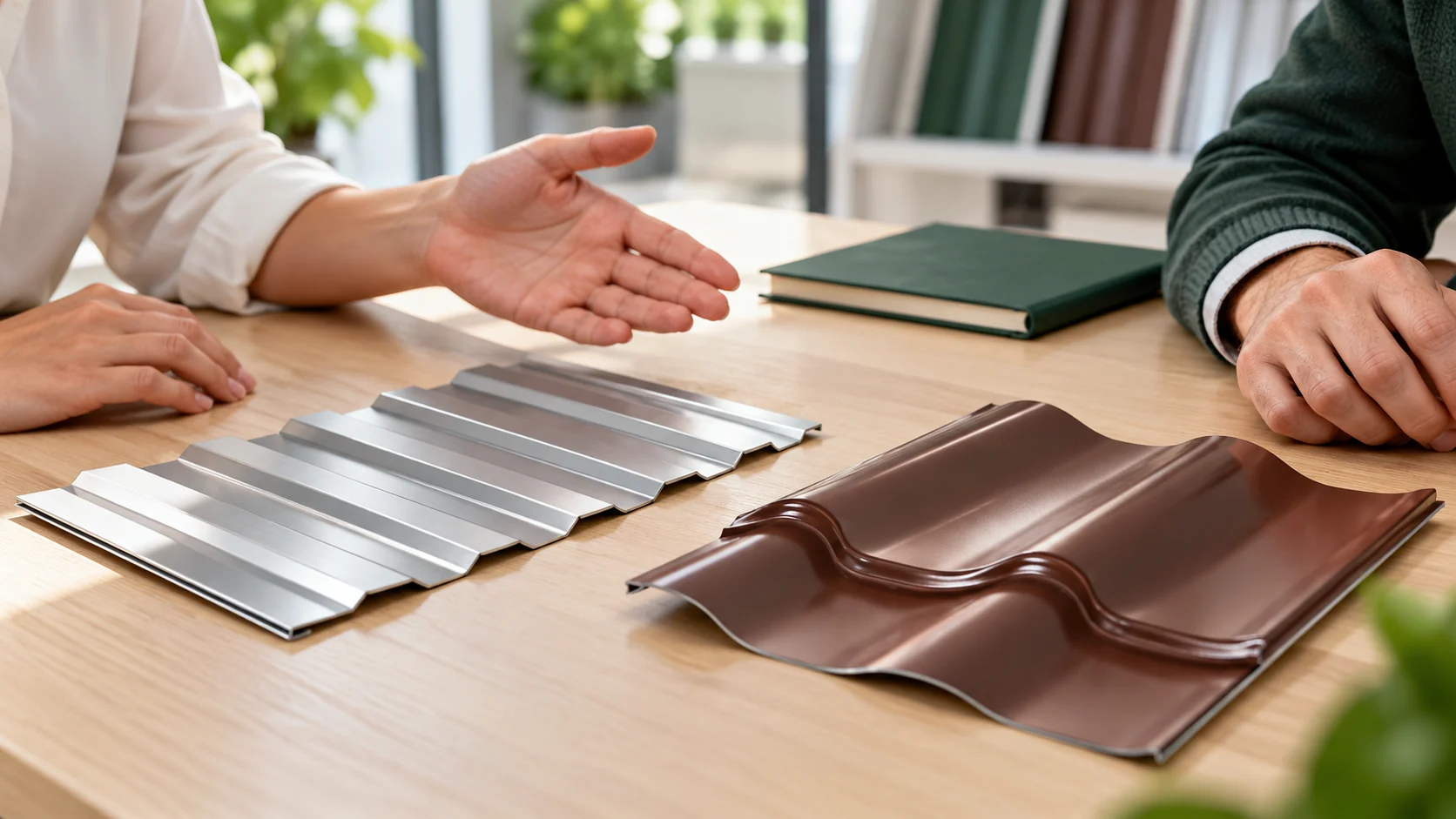
First check whether the metal roofing tile profile matches your roof's geometry and pitch – only then compare material, format and colour. This order lets you reject options that look good but require unforeseen changes. The profile data sheet sets out the conditions of use, including requirements for the layers beneath the covering. Two visually similar models may have different requirements, so confirm compatibility before purchase, including on low extensions and roofs with an unusual layout. Compare full specifications and complete quotations so the decision rests on actual parameters, not general slogans.
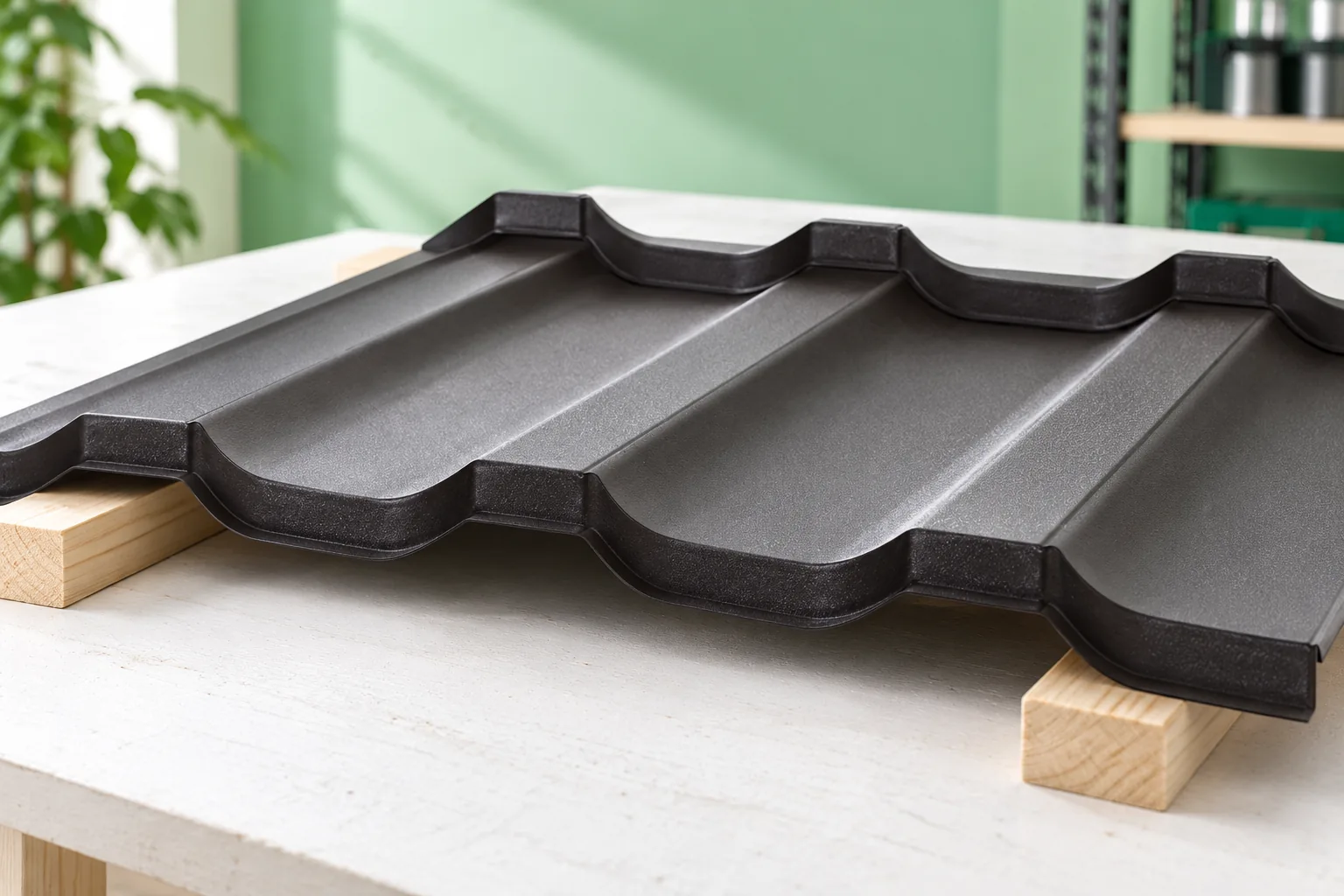
How to store tile-effect roof sheets before installation
The key decision is to schedule delivery and storage so that the metal roofing sheets are not exposed to water, damage or prolonged moisture between sheets. Before installation, check that the ground is dry and stable, that packs are not placed directly on the ground, and that suitable support and the ability to inspect the material are in place. Pay attention to the risk of condensation when temperatures change, as well as access for unloading and the route for moving sheets to the roof.

How to plan safe access to a roof
Safe roof access should be planned before the covering is installed, while the supports remain visible. First, list the equipment that will need servicing, such as the chimney, vent, antenna or technical installations. Consider whether access is sufficient for inspections alone or whether space for tools and repairs is also required – this affects the route layout and the size of the working area. Allow for future maintenance, not just the initial installation. Check that the roof hatch leads to the planned route and that the accessories suit the profile and fixing system.
How to read reviews of a supplier of panels, sheets and halls before ordering?
An online rating can help you find a supplier, but it does not replace checking the scope of the order. Buying a few sheets is assessed differently from building a whole hall. Reviews describing a specific course of cooperation tell you the most. It is worth separating the customer's impression from information that can be confirmed before signing the order. Someone may have bought material from stock and collected it with their own transport. You may need made-to-measure production and delivery of long sheets. A positive review of the first situation does not automatically describe the second. Pay attention to the type of product, the size of the order and the scope of service.