How to assess a 100 mm second-grade sandwich wall panel

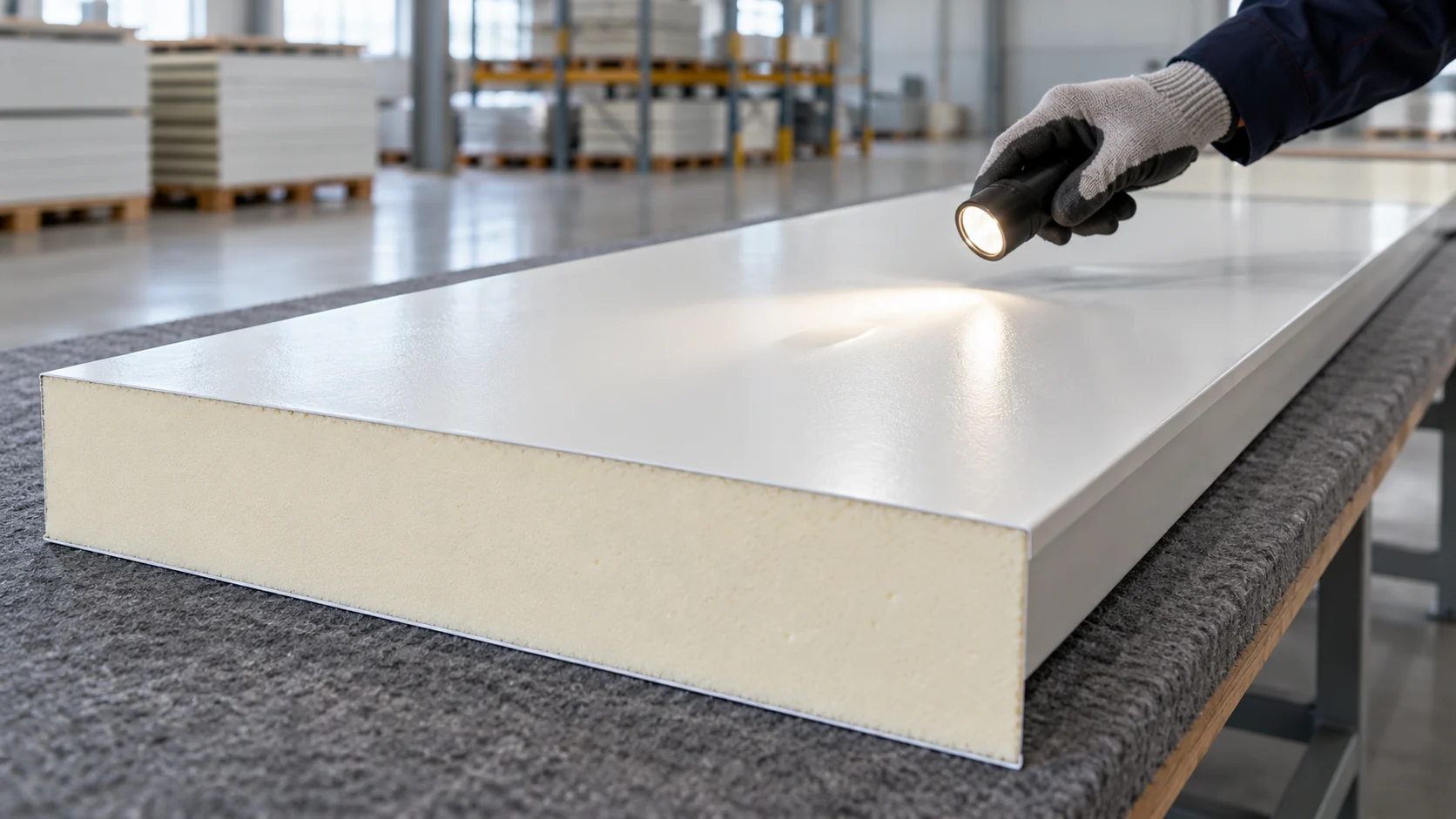
A thickness of 100 mm is only one of the parameters of a wall panel. With second grade, the cause of the downgrade and its effect on the application must also be identified. An even surface visible in a photograph does not give a complete picture of the material. The assessment should proceed from the function of the room to the specific piece, taking the entire joint into account. A panel of the same nominal thickness may have a PIR core, mineral wool or EPS. The facings and the joint profile may also differ. Thermal parameters, mass and fire properties do not follow from the number of millimetres alone. Product identification and documentation specific to the offered batch are required.
By |2026-11-14T16:27:48+01:002024-11-22|Construction basics|Comments Off on How to assess a 100 mm second-grade sandwich wall panel

Mineral wool wall panels: how to read the U-value and thermal conductivity

Various heat-related figures appear on the material label and in the panel datasheet. Lambda describes conduction within the material, while U helps assess transmission through a building element or product in a specific configuration. These values are not interchangeable. Distinguishing between them makes it easier to select the wall of a workshop where people will be working throughout the day. The thermal conductivity coefficient is written as lambda and given in W/(m·K). At the same thickness, a lower value means greater thermal resistance of a homogeneous layer. However, the value appropriate to the specific core and the adopted calculation method must be used. A figure from any mineral wool mat should not be taken to calculate a sandwich panel.

By |2026-11-14T10:15:56+01:002024-04-26|Construction basics|Comments Off on Mineral wool wall panels: how to read the U-value and thermal conductivity

Mineral wool or PIR: which core suits the way the building is used?

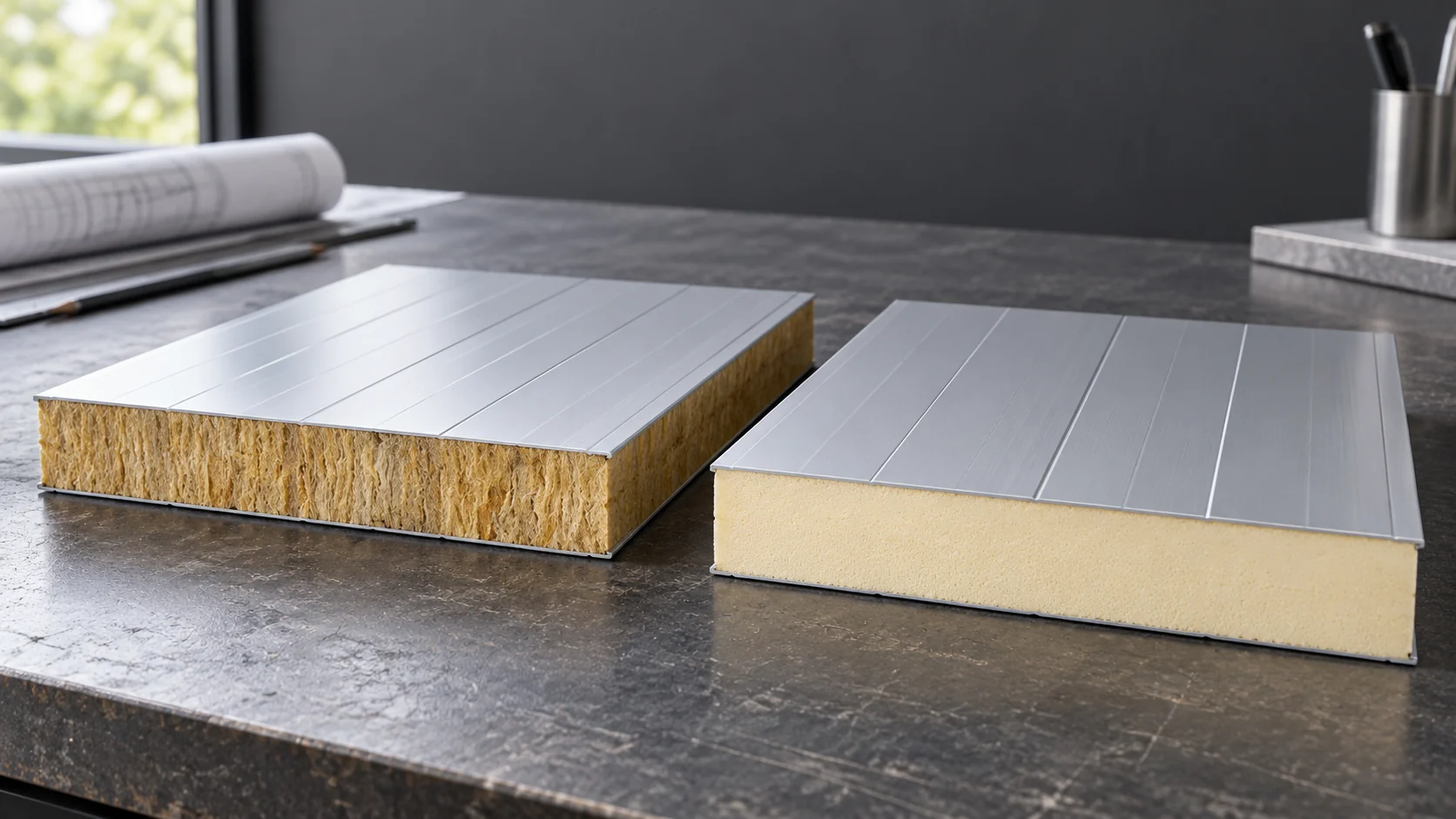
The choice between mineral wool and PIR should not begin with the question of which material is always better. What matters more is the specific task of a given wall or roof. A warm workshop, a noisy workshop and a cool storage area each need a different set of characteristics. A comparison makes sense when it covers complete panels, the same function and clearly stated requirements. A mineral wool panel has a fibrous core, while PIR has a closed-cell foam core. In both cases, the facings and joints also determine performance. Comparing the insulation materials alone is not enough. Two panels with the same core can differ in load-bearing capacity, weight and range of application.

By |2026-11-14T12:34:26+01:002024-04-03|Construction basics|Comments Off on Mineral wool or PIR: which core suits the way the building is used?

What frame should be prepared for walls made of panels with a mineral wool core?

A level façade starts with a properly prepared frame. A panel with a mineral wool core transfers loads through a specific arrangement of supports, but it does not correct a crooked structure. In a small workshop, doors, windows and equipment fixing points also matter. Planning these before installation avoids later cutting and adding random profiles. Loads acting on the panel are transferred through fasteners to rails or columns, and then to the main structure and foundations. Every connection along this path must be checked. A suitably thick panel alone does not solve the problem of a weak rail. It also does not replace bracing unless it has been designed for that function.

By |2026-11-14T10:15:59+01:002023-12-31|Construction basics|Comments Off on What frame should be prepared for walls made of panels with a mineral wool core?

Choosing wall panel fixings to suit the supporting structure

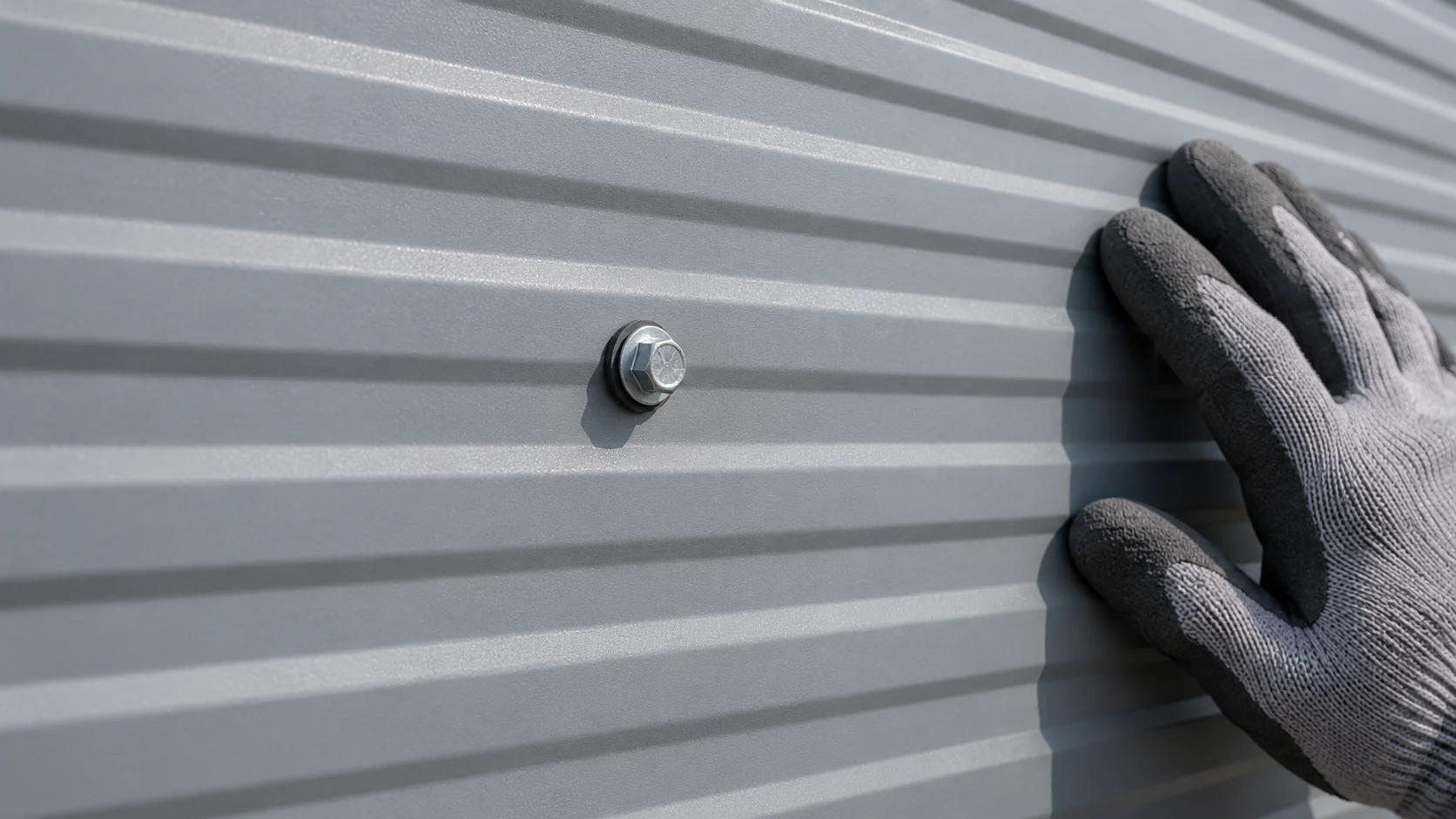
The fastener for an insulated wall panel with a mineral wool core must hold the cladding and not damage its facings. Its length is only one of the pieces of information required. The type and thickness of the support, the wind load and the way forces are transferred through the joint also matter. Selection starts with the construction and ends with checking that the washer is correctly pressed. A thin steel purlin, a thicker profile and a reinforced concrete support require different solutions. In steel, the drill-through capability and the correct thread engagement are important. For concrete, suitably selected anchors and a suitable method of preparing the hole are used. A solution cannot be transferred between substrates solely because the screw has a matching length.

By |2026-11-14T10:15:57+01:002023-12-28|Construction basics|Comments Off on Choosing wall panel fixings to suit the supporting structure

What can a 60 mm mineral wool wall panel be used for, and what about the 40 mm version?

A thin mineral wool panel may be considered where a slim-profile cladding is important. However, good thermal performance or a specific fire resistance should not be assumed in advance. A range starting from 60 mm in one system does not mean that all panels on the market begin at the same point. The 40 mm version must be checked separately. A partition between two rooms at a similar temperature performs differently from a workshop wall facing the yard. In the first case, the temperature difference may be small. In the second, heat loss, the internal surface temperature and the requirements of the whole building must be assessed. The nominal thickness does not explain these differences.

By |2026-11-14T10:16:17+01:002023-12-08|Construction basics|Comments Off on What can a 60 mm mineral wool wall panel be used for, and what about the 40 mm version?

What does non-combustible core mean in a wall panel with mineral wool?

Mineral wool can form the non-combustible core of an insulated wall panel with a mineral wool core. However, this does not mean that all components of the complete product receive the same class as the insulation material itself. When selecting a wall, a distinction must be made between reaction to fire and fire resistance. Each of these pieces of information answers a different question regarding the behaviour of the building element. In addition to the wool, the panel contains steel facings, bonding layers and coatings. The joint may include additional seals. When assessing the product, these parts cannot be omitted and the class of the core material cannot be transferred to the whole. This is a similar error to determining the load-bearing capacity of a wall solely on the basis of the sheet thickness.

By |2026-11-14T10:16:31+01:002023-12-03|Construction basics|Comments Off on What does non-combustible core mean in a wall panel with mineral wool?

What really determines the durability of an insulated wall panel with a mineral wool core?

It is not possible to assign a single service life to all mineral wool panels. A dry studio wall performs differently from cladding next to a wet driveway and a frequently washed service area. Durability is determined by the coatings, the joints and how the building is maintained. Regular inspection allows a small problem to be caught before it affects a larger section of the wall. A change in the shade of the steel sheet does not automatically mean a loss of load-bearing capacity. A worn seal does not necessarily require replacement of the entire panel. Appearance, the condition of the steel protection, the adhesion of the facings to the core and the tightness of the joints must be assessed separately. Each of these elements has different signs of ageing.

By |2026-11-14T10:15:38+01:002023-08-12|Construction basics|Comments Off on What really determines the durability of an insulated wall panel with a mineral wool core?

When is it worth considering a 150 or 200 mm mineral wool wall?

A thicker mineral wool panel can reduce heat loss and meet specific project requirements. At the same time, it increases weight, changes detailing and requires adjustment of openings. The choice between 150 and 200 mm is best considered using the whole workshop as an example. A larger dimension alone does not automatically mean the best insulation or the highest fire class. In a room for manual work used all year round, the wall affects comfort and energy losses. However, the roof, floor, windows and ventilation must also be taken into account. If a large door is frequently left open, additional core thickness will not compensate for its impact. A consistent description of use is needed.

By |2026-11-14T10:16:15+01:002023-03-01|Construction basics|Comments Off on When is it worth considering a 150 or 200 mm mineral wool wall?

Planning mineral wool panel walls around the way a building will be used

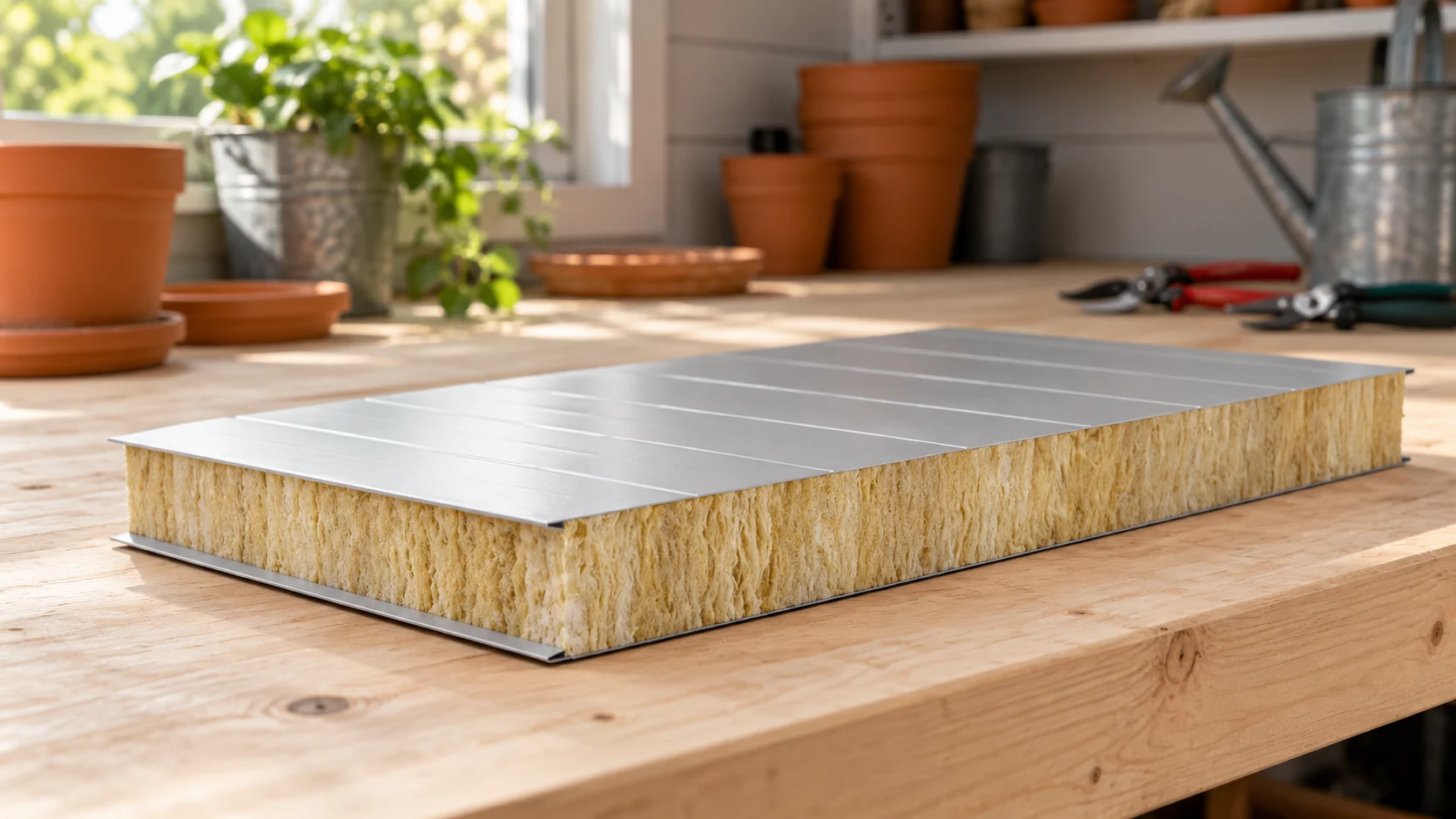
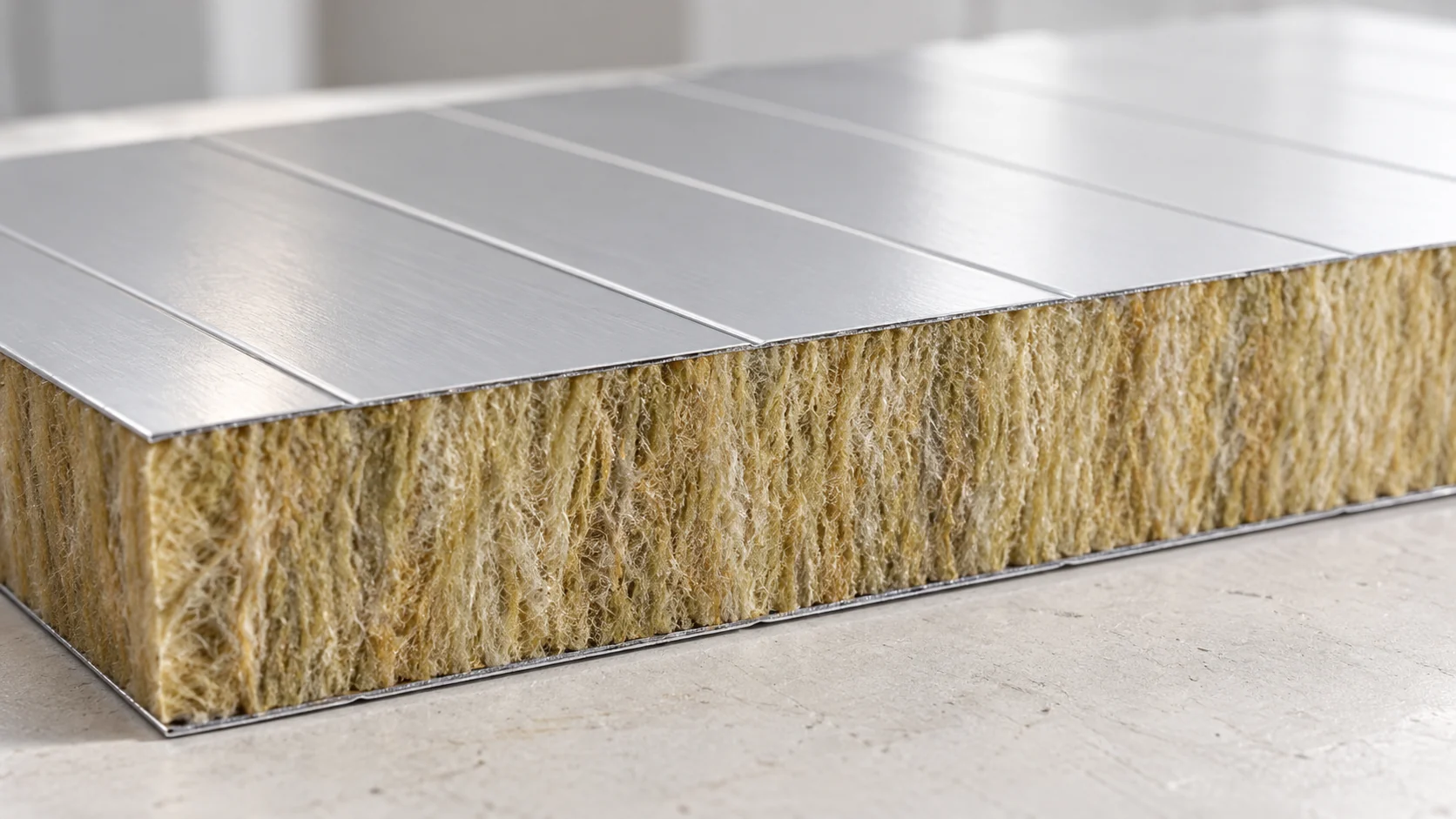
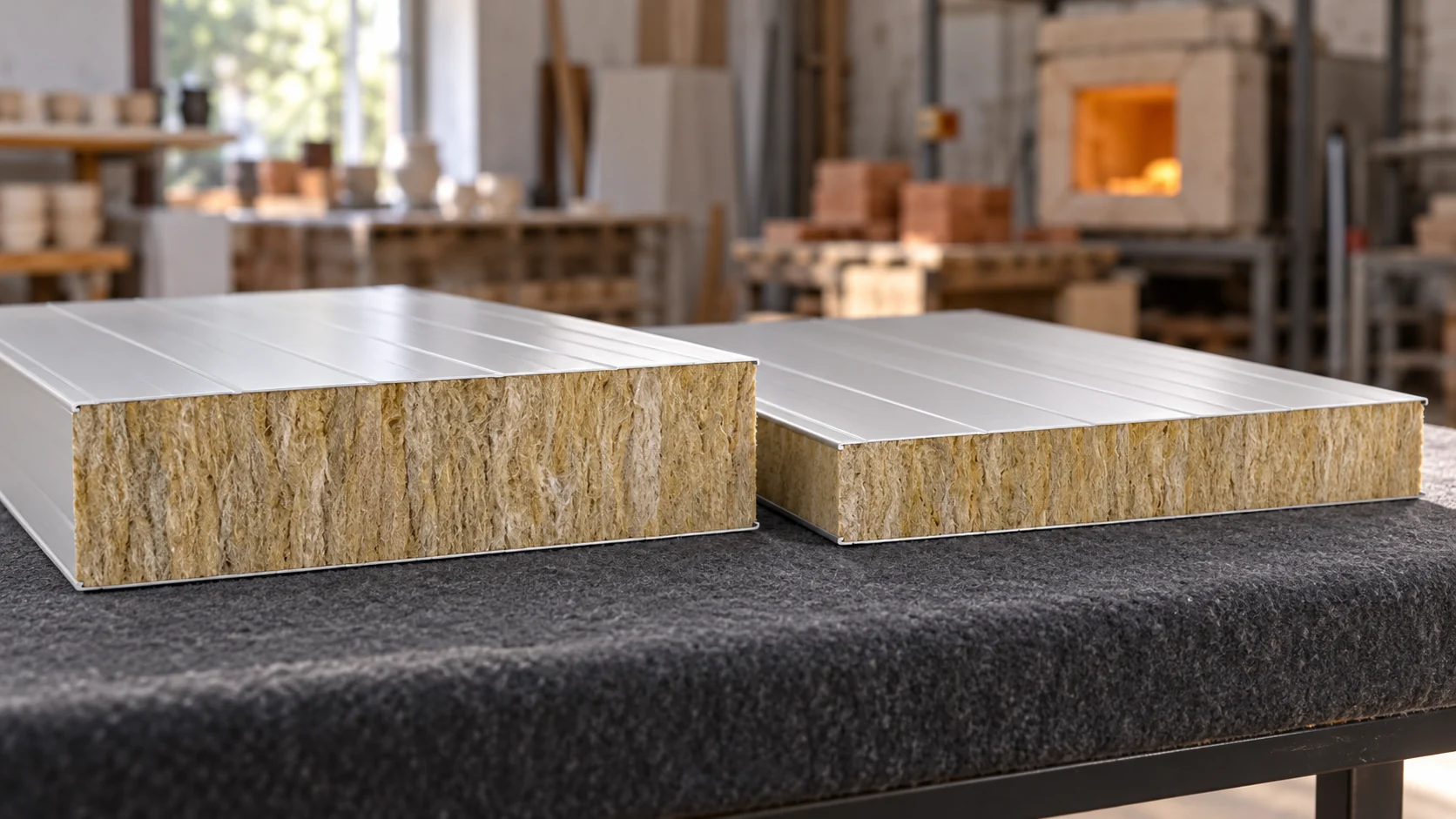
A wall panel with mineral wool is a ready-made cladding element that combines an insulating core with steel surfaces. To perform well in a workshop or studio, it must work together with the structure and details. The following guide leads through the most important decisions: from the way the premises is used to subsequent cleaning, inspections and changes to the fit-out. The core is made of mineral wool in a configuration intended for the panel. In lamella solutions, the fibres are oriented perpendicular to the facings. The steel surfaces are bonded to it, so that the whole element can act as a sandwich panel. It is not a loose mat inserted between two independent sheets.

By |2026-11-14T10:16:35+01:002022-10-11|Construction basics|Comments Off on Planning mineral wool panel walls around the way a building will be used