When can a roof be repaired and when is replacement needed?

Whether a roof needs repair or replacement depends chiefly on whether the cause of the problem can be removed, not on the age of the covering. It is worth checking whether the fault is local or repeats across many slopes, and assessing the condition of the structure and insulation. A map of problems and the history of earlier fixes can be more useful than a single photo of a leak. Readers should focus on the scope of the proposed work, how it will connect to the existing covering, and whether the repair restores function rather than just appearance.


2026-11-14T23:26:33+01:00

How to reduce the risk of leaks in a new roof

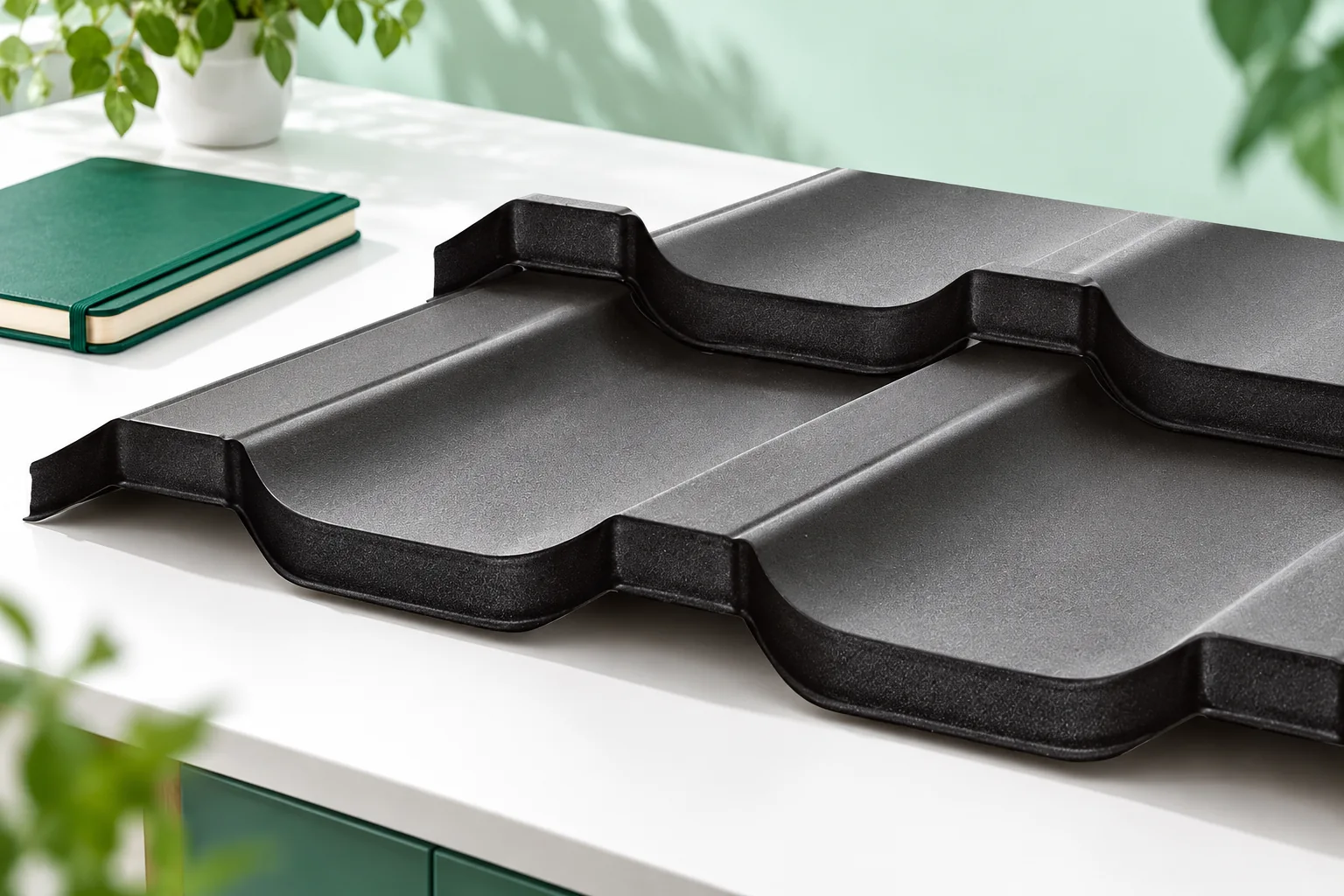
Leak risk starts with the choice of covering. Matching it to the pitch, correct laps and tight details around openings and edges are essential. The layer beneath the covering must drain water away from the building. Each system has its own conditions of use – check the documentation for the specific profile, thickness and roof layout, as the T18 or T35 label does not set a single minimum for all products. Accept the roof in stages, because some faults become invisible after the sheets are fitted and the attic is finished. Agree the design of the details with the designer.

2026-11-14T19:54:54+01:00

What should you do after spotting a roof leak?

After noticing a roof leak, first limit damage inside the building and ensure safety rather than immediately searching for the source above the stain. Water can travel along roof components, so the wet patch need not lie beneath the leak. Check whether the problem occurs during ordinary rain, strong wind or a thaw, and whether the stain grows gradually or appears suddenly. Recording these conditions helps choose places to inspect without unnecessary dismantling. Leave the diagnosis of causes and the scope of repair to a contractor, who should describe the defect found.

2026-11-14T16:31:03+01:00

What does a roofing underlay do and how do you choose one?

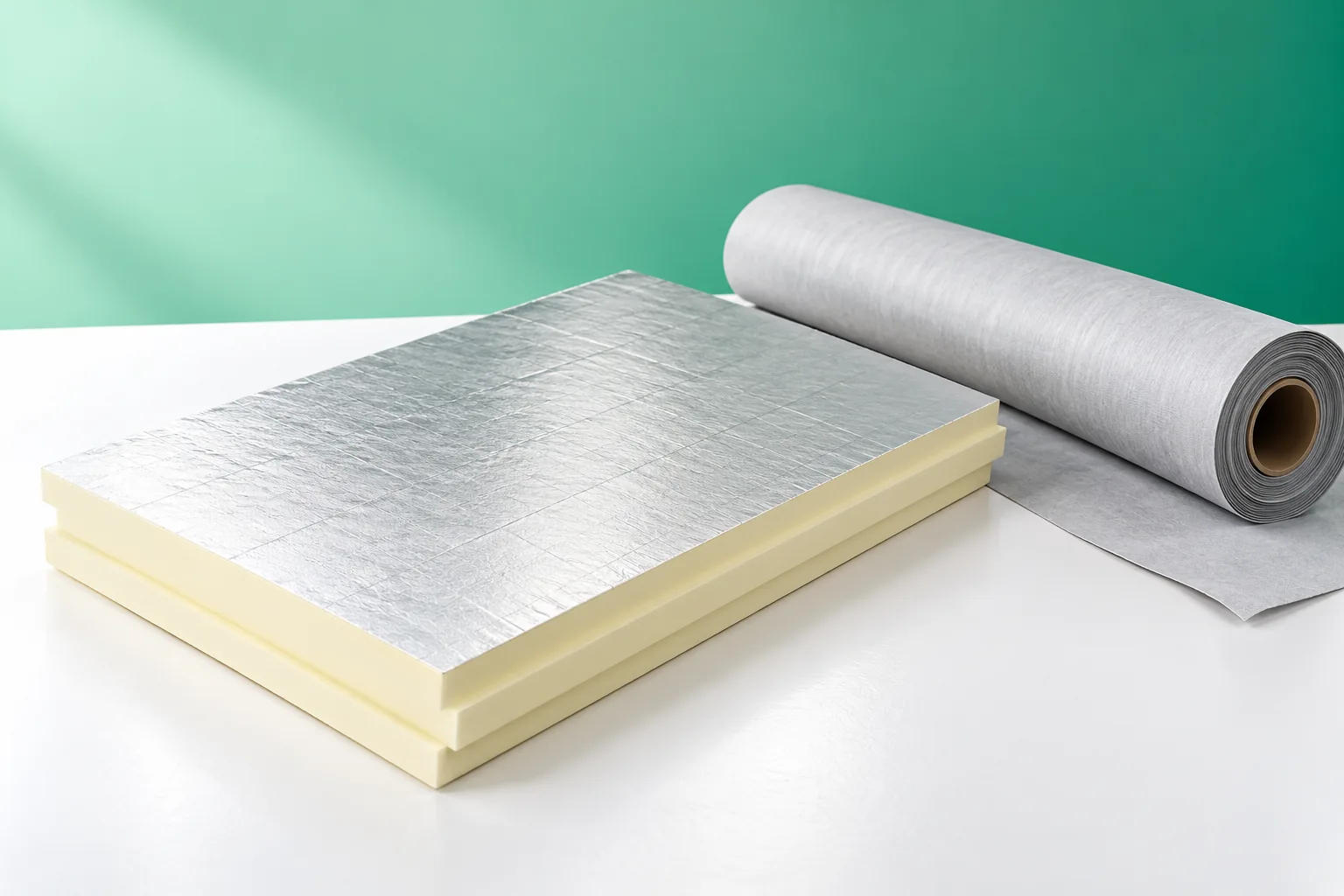
The underlay membrane beneath metal roofing is there to intercept water that gets under the covering and direct it outside before it reaches the insulation or structure. When choosing, check whether the manufacturer allows installation on the given substrate, along with water resistance, temperature range and the durability of joints. The Sd value alone does not settle suitability, because the whole roof assembly matters. Also establish how laps and the eaves termination are detailed, since these determine how the membrane performs in practice.

2026-11-14T23:27:23+01:00

Which installation errors only show up once the building is in use?

An installation error is not always visible straight away. Sometimes it is only the first wash, a cold morning or a piece of equipment running that reveals a leak and deformation. That is why it is worth checking the envelope before the shelving is put in place. Supports, fastener clamping pressure, connections and openings that later become difficult to access require the most attention. The first panel may look good, even though the subsequent supports do not lie in one plane. Trying to pull the next elements tight causes stress and deforms the cladding. The interlock may not close correctly. The error then shows up as an uneven facade pattern or a gap that is difficult to seal.

2026-11-14T12:37:38+01:00

In what order should loft insulation layers be installed?

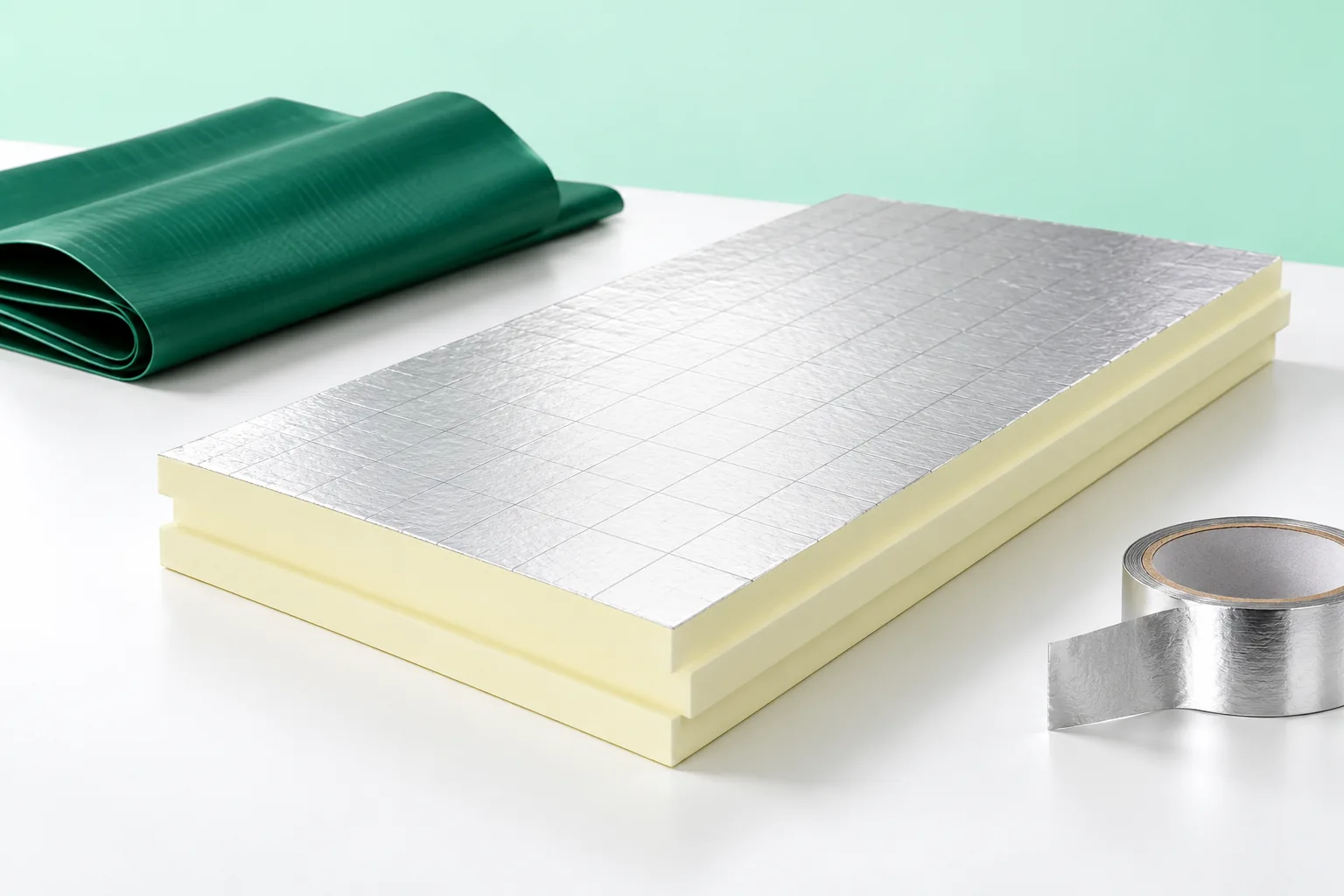
The order of the attic layers depends primarily on the roof construction and the direction in which it dries, so there is no single universal section. It is worth checking whether the design provides ventilation above the insulation and how the diffusion resistance of the membrane and the inner layer were selected. With a roof using roofing felt on boarding, the system may require a ventilation gap, while with metal sheeting it requires counter-battens. Ask for a drawing with material names, thicknesses and junction details to assess where air flows and water is drained.

2026-11-14T19:48:14+01:00

How to find and repair the cause of a leak in a metal roof

Before sealing a metal roof, find out where water actually gets under the covering – the drip may show up well away from that point. Check drainage, flashings and roof penetrations, and the underside of the roof if you can reach it. Weather can mislead: a leak that shows up in windy conditions has a different cause from a stain during a thaw. Also consider condensation. Only then choose a material to suit the coating and joint type.

2026-11-14T19:53:09+01:00

Planning work on an ageing roof covering

Begin by deciding whether the renovation is to remove a local leak or to cover the layers and structure — a decision that defines the whole scope. Check the accessible roof truss elements, the substrate, flashings and drainage, as well as moisture and any plans to adapt the loft. Gather the repair history and photographs; recurring damp in the same place is telling. Some findings will only be confirmed once the covering is removed, so separate what is certain from what needs exposing. If structural damage is suspected, leave the technical assessment to a specialist.

2026-11-15T03:31:35+01:00

How to assess a roofing contractor before awarding the job

A good roofer inspects the roof and asks questions before giving any quote. They take an interest in the roof's construction, its dimensions and whether the details match the covering documentation. Photos of completed jobs help, but they do not replace a clear offer. Watch how the contractor responds to uncertainties and suggested changes. For a renovation, they should enquire about earlier leaks and whether the loft can be accessed. A quick price is only a preliminary estimate, not a full diagnosis — so they should state plainly what they have not yet checked and what might alter the scope.

2026-11-14T23:25:41+01:00

Choosing a roofing contractor: how to assess the quotation

Start by putting the offers into a single table, because comparing prices per metre alone usually says nothing about the scope of work. Establish who is responsible for measurements and for accepting details that will disappear under the covering, and ask for a quote based on the same materials and accessories. For a renovation, add attic photos and information about leaks — an estimate from the elevation alone is preliminary. Choose a team that knows the given system, not merely one experienced in laying roof tiles.

2026-11-14T16:28:54+01:00