

Building basics
Sandwich-panel.pl explains the basics of choosing sandwich panels, PIR insulation boards and metal roofing. Learn how the core differs from the facings, what the thickness describes and how the sheet dimensions relate to the effective cover area. The guides are intended for people planning a garage, industrial building, workshop or farm building. They explain which details to collect before ordering, how to identify accessories and what to inspect when the goods arrive. Use the articles to compare materials and prepare the questions that need to be resolved for your project.
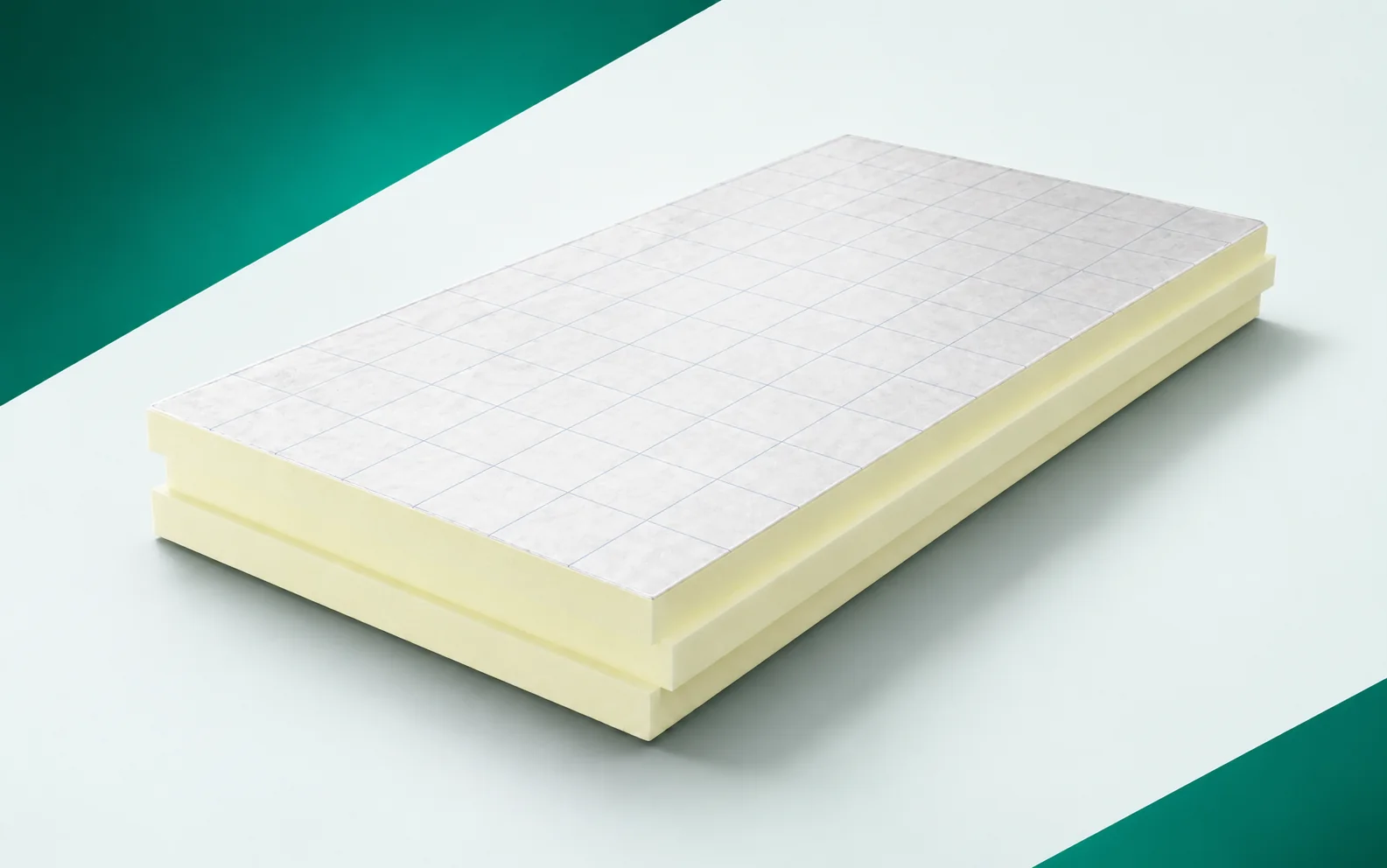
termPIR AL in a roof assembly. Facing, airtightness and selection of layers
A roof must simultaneously provide thermal protection, airtightness and stable fixing. termPIR AL contributes to the first of these functions, but its facing also affects how the layers work together. The decision about the board should therefore be part of the decision about the entire roof assembly. termPIR AL has a rigid PIR foam core. On both sides there is a gas-tight laminate containing aluminium, paper and polyethylene. When selecting PIR boards for the assembly, draw a low exit threshold at which the new layers have limited height in the actual cross-section. The threshold must be combined with continuous thermal insulation of the wall and floor without leaving an exposed strip, because the remaining layers must fit the same solution.

Roof replacement – the sequence from inspection to handover
Before ordering materials for a roof replacement, confirm the scope of work and the covering specification, as these determine the subsequent sequence. Check the roof dimensions, sheet lengths, the full set of flashings and fixings, and whether the delivery matches the order. Also decide how you will protect the building from rain and where materials will be stored. A missing small component can halt dismantling, so verify the schedule beforehand. Below we describe the individual stages of roof replacement step by step.

Is clearing out leaves enough to prepare gutters for winter?
Simply clearing leaves will not get gutters ready for winter. Check that water can flow through the whole system: outlets, joints, fixings and downpipes. A blocked silt trap or a badly laid section will hold rainwater even in a clean gutter. Fine sediment, seeds and plant remains can still block the outlet. Collect debris without forcing it into the downpipe. Near trees, inspect more often.
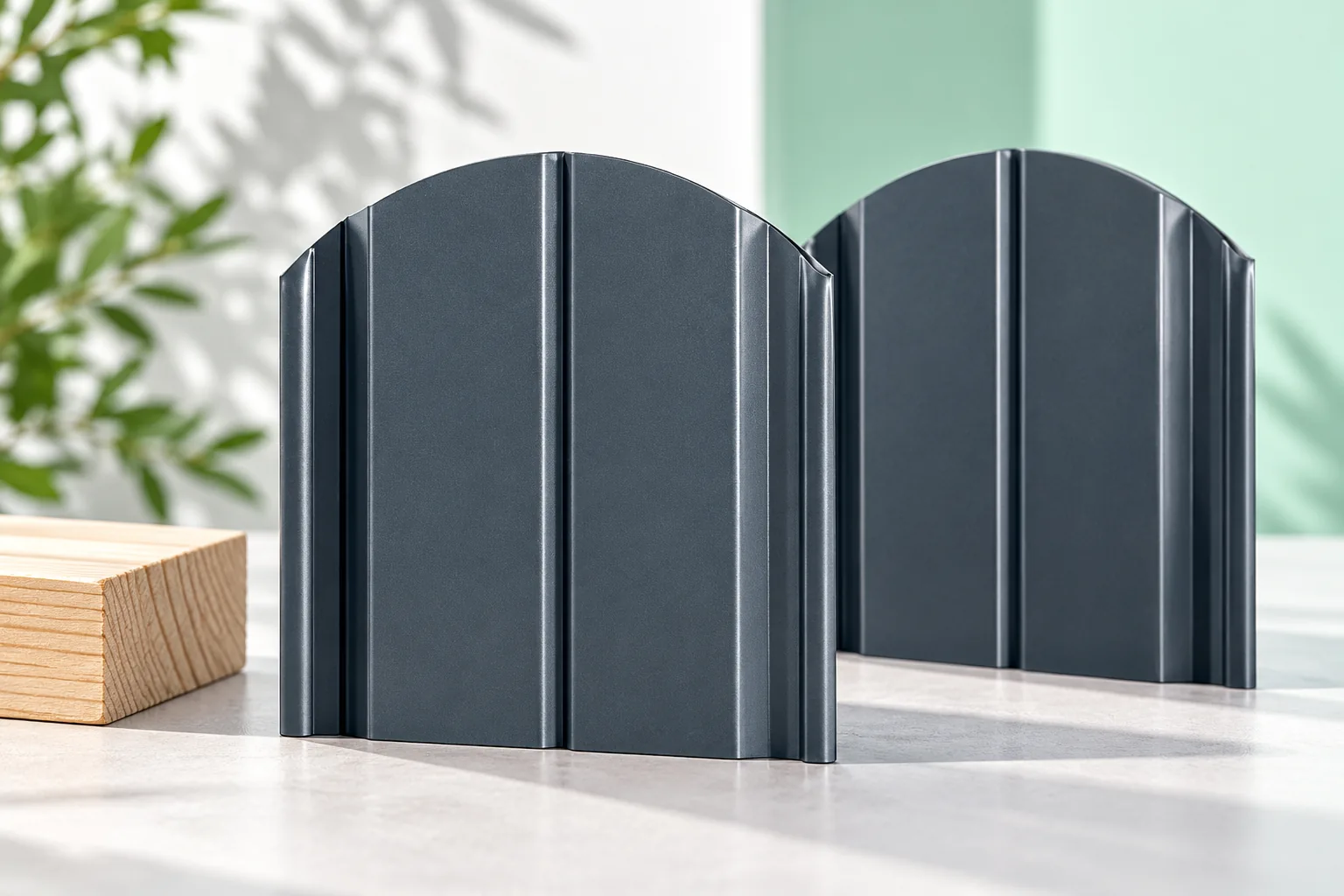
Are metal fence pickets a good choice for your property?
Metal pickets work well when you want to adjust the gaps and reduce the work typical of timber. Before deciding, establish how much privacy you need, what the ground is like and whether the existing posts are suitable for reuse. Also check visibility at the gate and wicket, and the gap from the ground if the fence is to contain animals. Bear in mind that denser infill changes wind behaviour, and old posts need their condition and dimensions assessed. The look of a single picket alone does not determine fence quality.
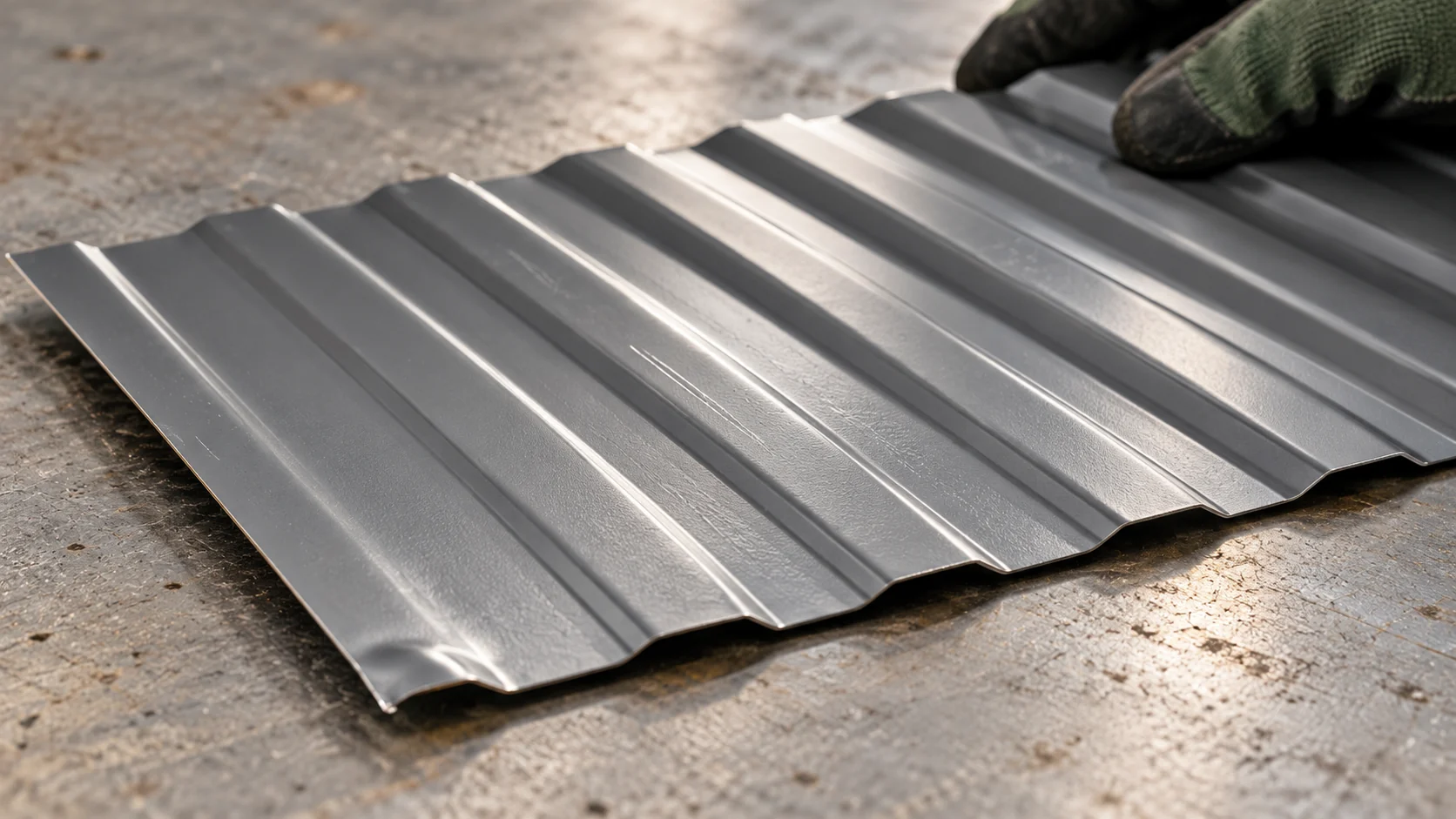
Is second-grade sheet metal suitable for roofing? How to assess the trade-offs
Second grade does not describe one specific defect. A sheet may have a scratch, a difference in shade, a non-standard dimension or a deformation. Each of these situations has a different significance. A low price is an advantage only when the condition of the material and the terms of sale suit the planned application. It should not be assumed that it is always a fully functional steel sheet with a minor mark on the coating. The reason for reclassification must be established for the batch. Important are the description of the condition, identification of the product and the available documents. Without this data it is difficult to assess whether the saving has a technical justification.
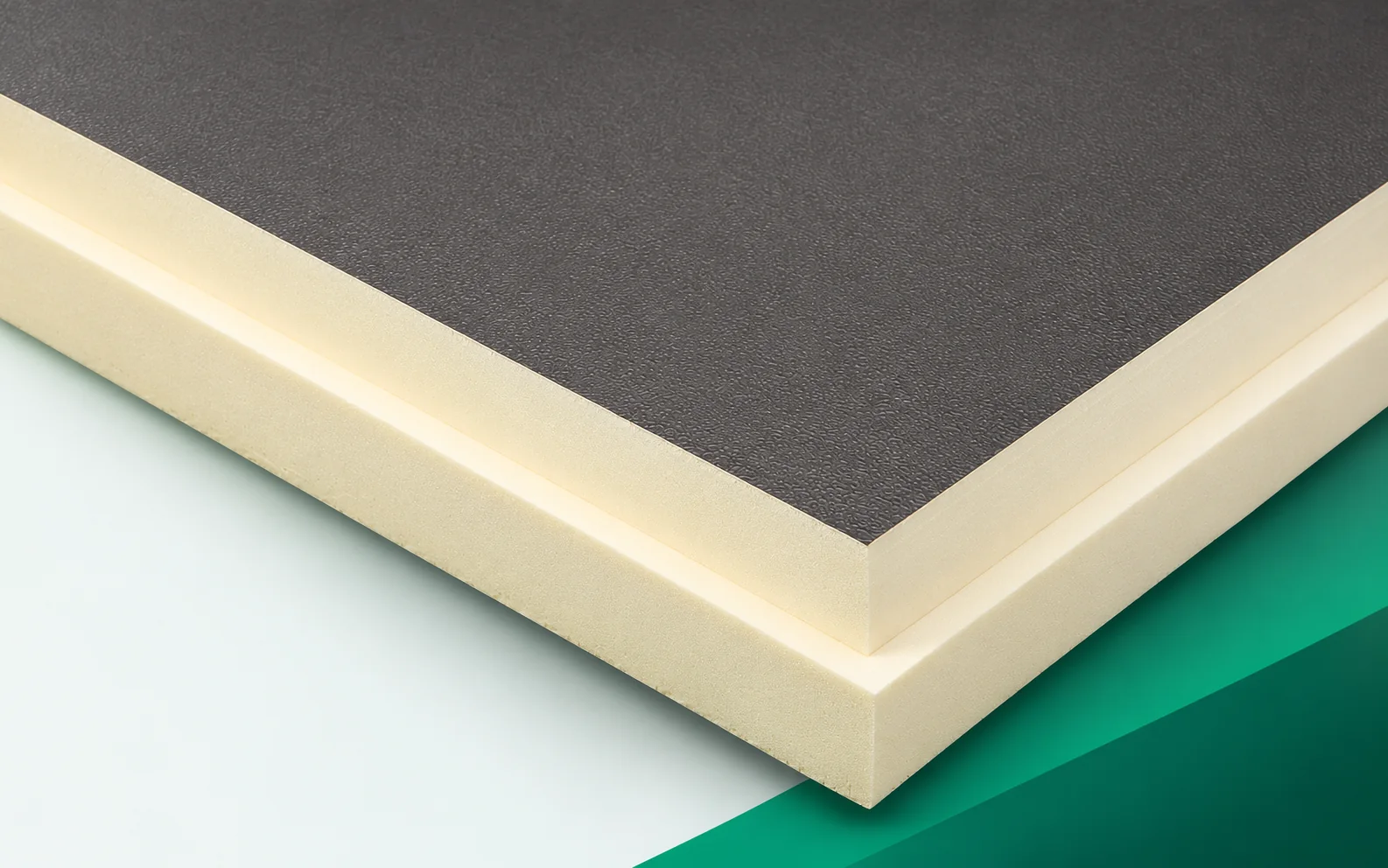
BauderPIR FA beneath roof equipment supports
At the base of the equipment, the requirements for load-bearing capacity, thermal insulation and tightness meet. FA can form part of this cross-section, but each element must have a defined load-transfer path. Sealing the screw is not a structural design of the support. Likewise, a favourable contact pressure does not confirm that the waterproofing upstand is correct. The cross-section under consideration is a roof with equipment supported on the layers above the insulation. The role of BauderPIR FA must be described together with the layers adjoining its surface. An important connection point is the contact area of the roof equipment foot. The basis for coordination is the support drawing showing the load-transfer path and protection of the covering. Before selecting materials, the force transferred by the support and its actual contact area must be determined, so that the layer sequence has a real reference.