

Building basics
Sandwich-panel.pl explains the basics of choosing sandwich panels, PIR insulation boards and metal roofing. Learn how the core differs from the facings, what the thickness describes and how the sheet dimensions relate to the effective cover area. The guides are intended for people planning a garage, industrial building, workshop or farm building. They explain which details to collect before ordering, how to identify accessories and what to inspect when the goods arrive. Use the articles to compare materials and prepare the questions that need to be resolved for your project.
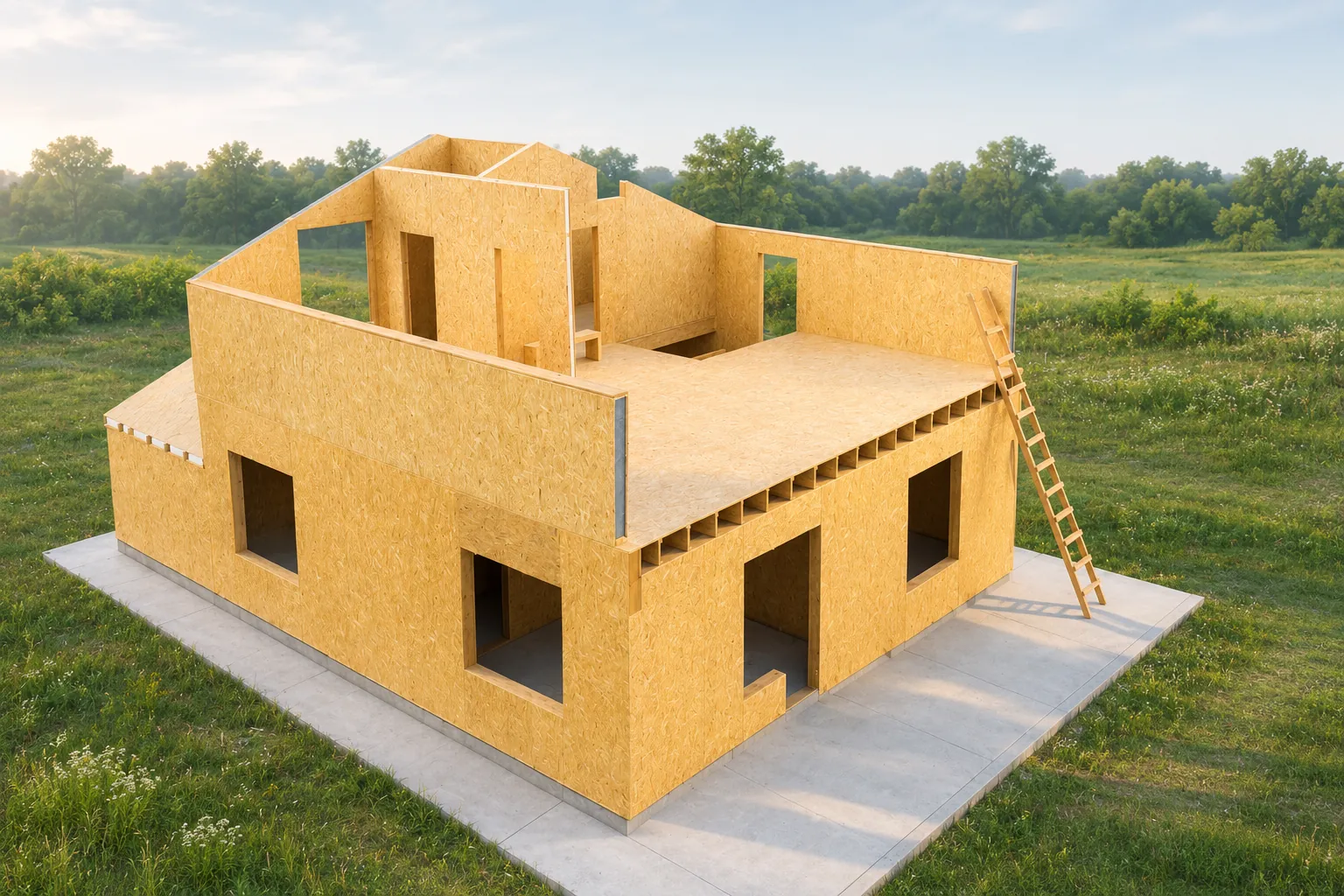
SIP panels in a house with a loft: what to decide before choosing walls and roofing
A house with a loft provides additional space without enlarging the ground-floor footprint. SIP panels can form part of its walls and roof if the system documentation provides for this. The name SIP Panels comes from structural insulated panel. Variants with a polyurethane PUR or PIR core make it possible to limit heat losses with a thin insulation layer. In a loft, the result is also determined by the sloped ceilings, the joints and the arrangement of the supports. A heated room under a slope and an unused attic are two different cases. In the first, the insulation can run within the roof slope. In the second, the right place is often the ceiling above the ground floor.
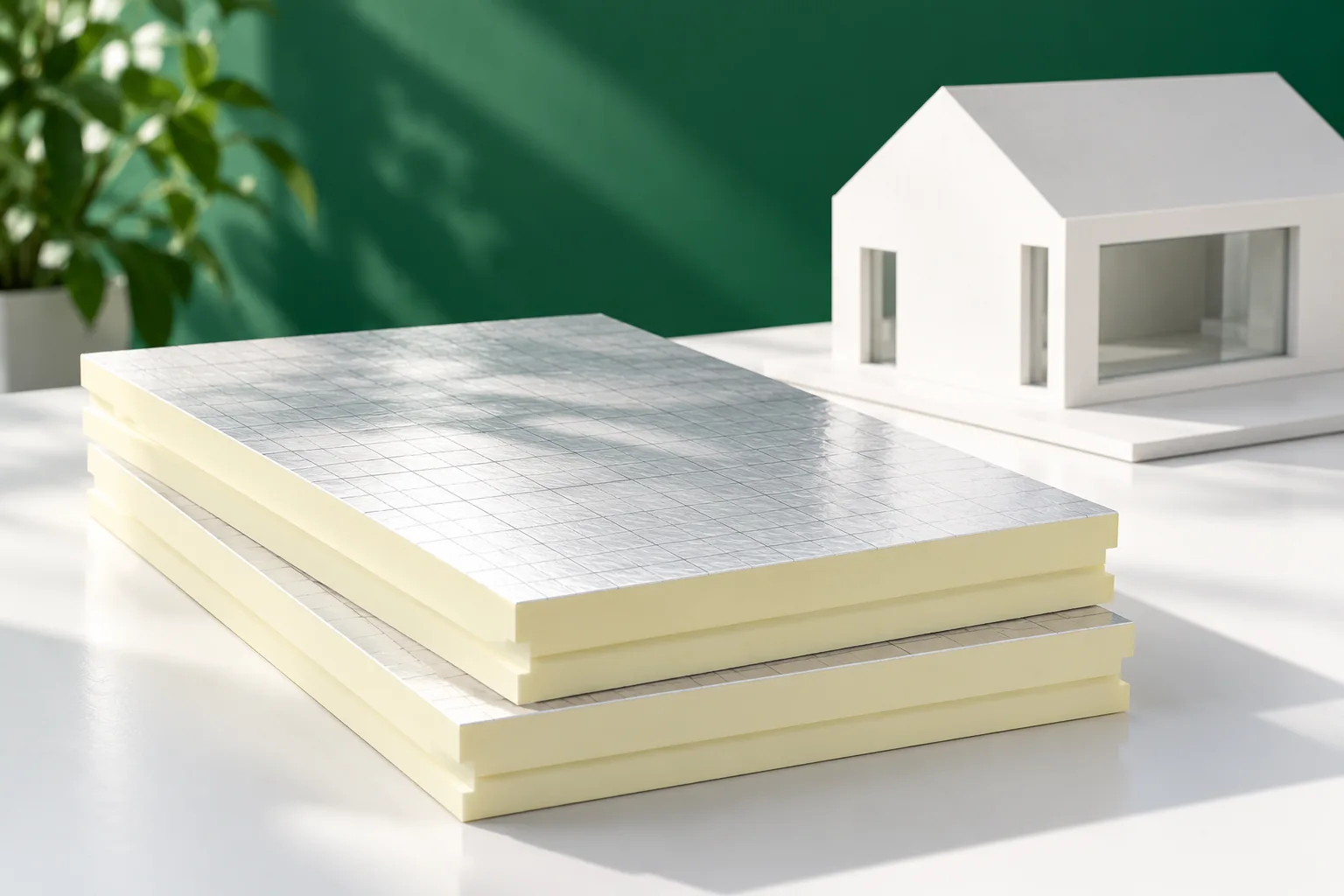
The roof of a passive house: bringing insulation, airtightness and ventilation together
A passive house roof requires combining insulation, airtightness and ventilation, not just choosing thick PIR. The building owner should check where the heated part of the house ends and how junctions at the wall plate, ridge and windows are designed. Airtightness is confirmed by a pressure test, and heat-recovery ventilation must work with the envelope. It is also worth assessing summer overheating risk and planning duct penetrations before insulation is installed. The material alone does not guarantee the standard – calculations and measurements for the whole building are needed.
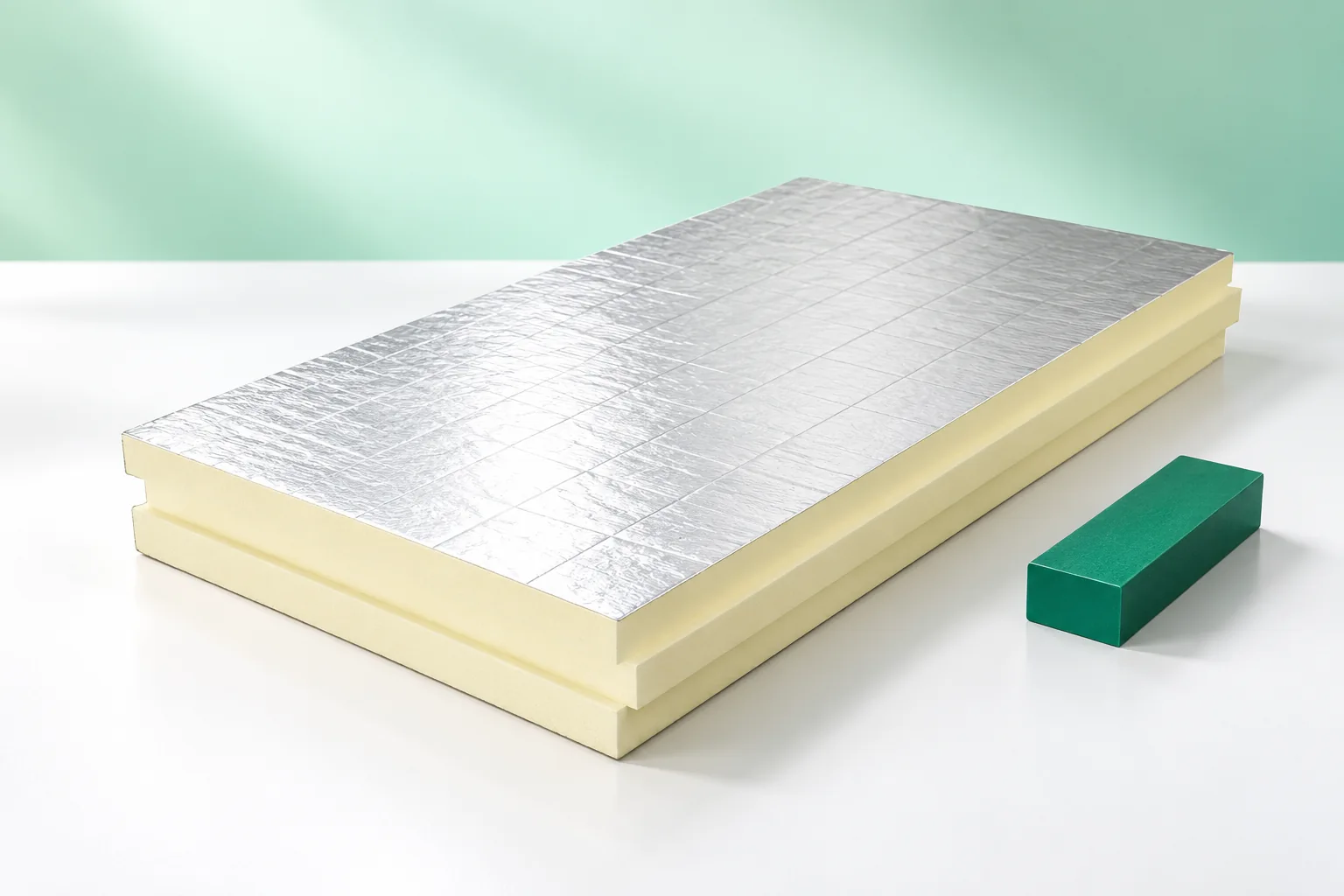
When is PIR a better choice than EPS, XPS or mineral wool?
PIR wins where a high thermal resistance is needed within a limited thickness, but it is not a universal solution. Before choosing, establish the available height, the required resistance, the loads and the fire requirements, then compare specific products and complete assemblies. Check the declared lambda and the intended use of the product, not just the material name. This article explains when EPS may be more favourable in the budget, why XPS is considered where there is contact with water, and what speaks in favour of mineral wool.
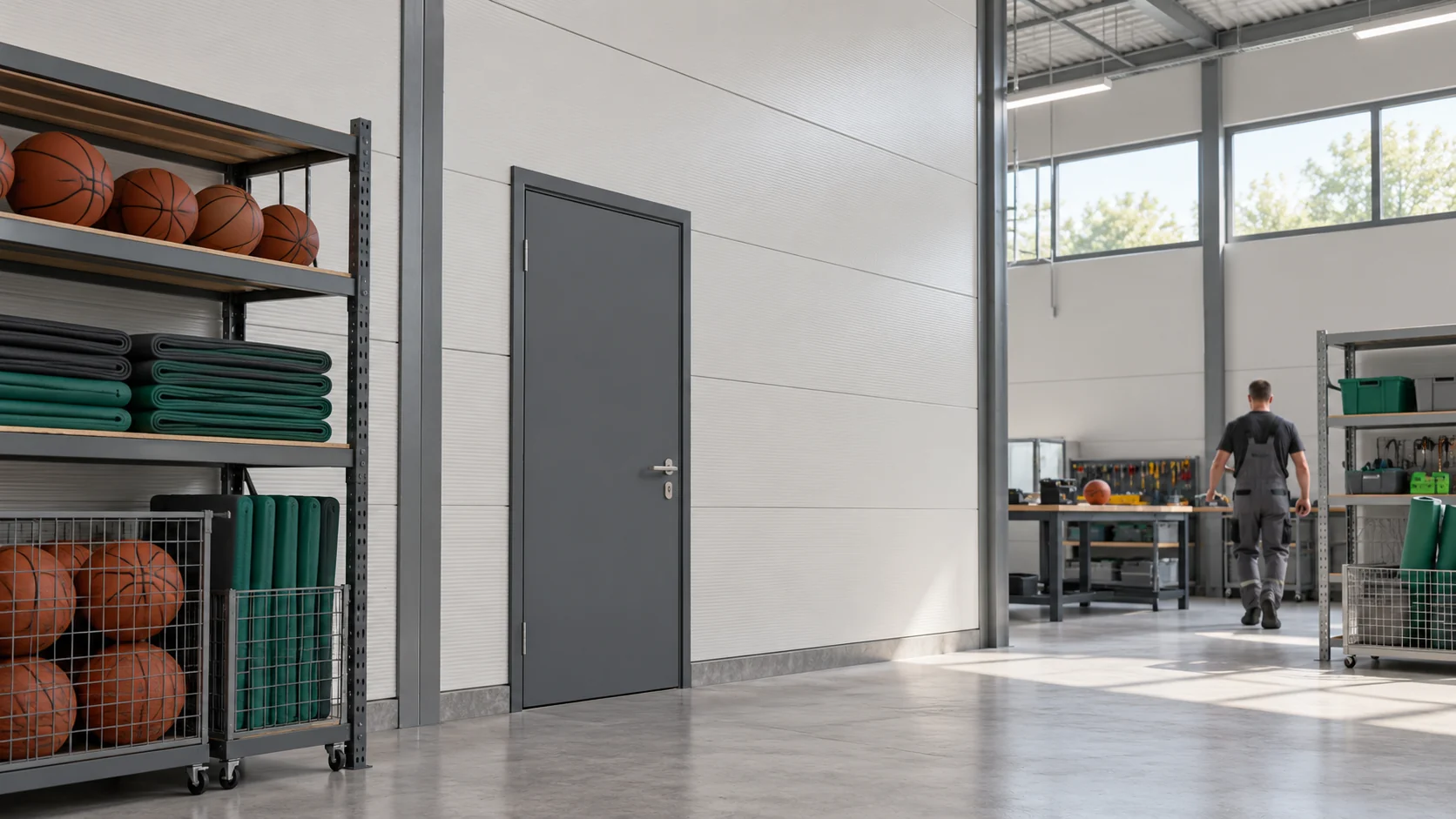
Where do insulated wall panels with a mineral wool core help separate different building functions?
In a building, rooms rarely all serve the same purpose. A workshop may operate next to a storeroom, with a changing room behind it. Insulated wall panels with a mineral wool core allow enclosures and partitions to be created to suit these functions. Their use, however, requires the whole wall to be checked, including doors, penetrations and the method of support. In a sports equipment back-of-house area, a repair section and a quiet storage space can be separated out. One zone is in constant use, the other only when equipment is issued. The wall should respond to differences in temperature, noise and safety requirements. The division shown on the plan alone does not yet determine its construction.
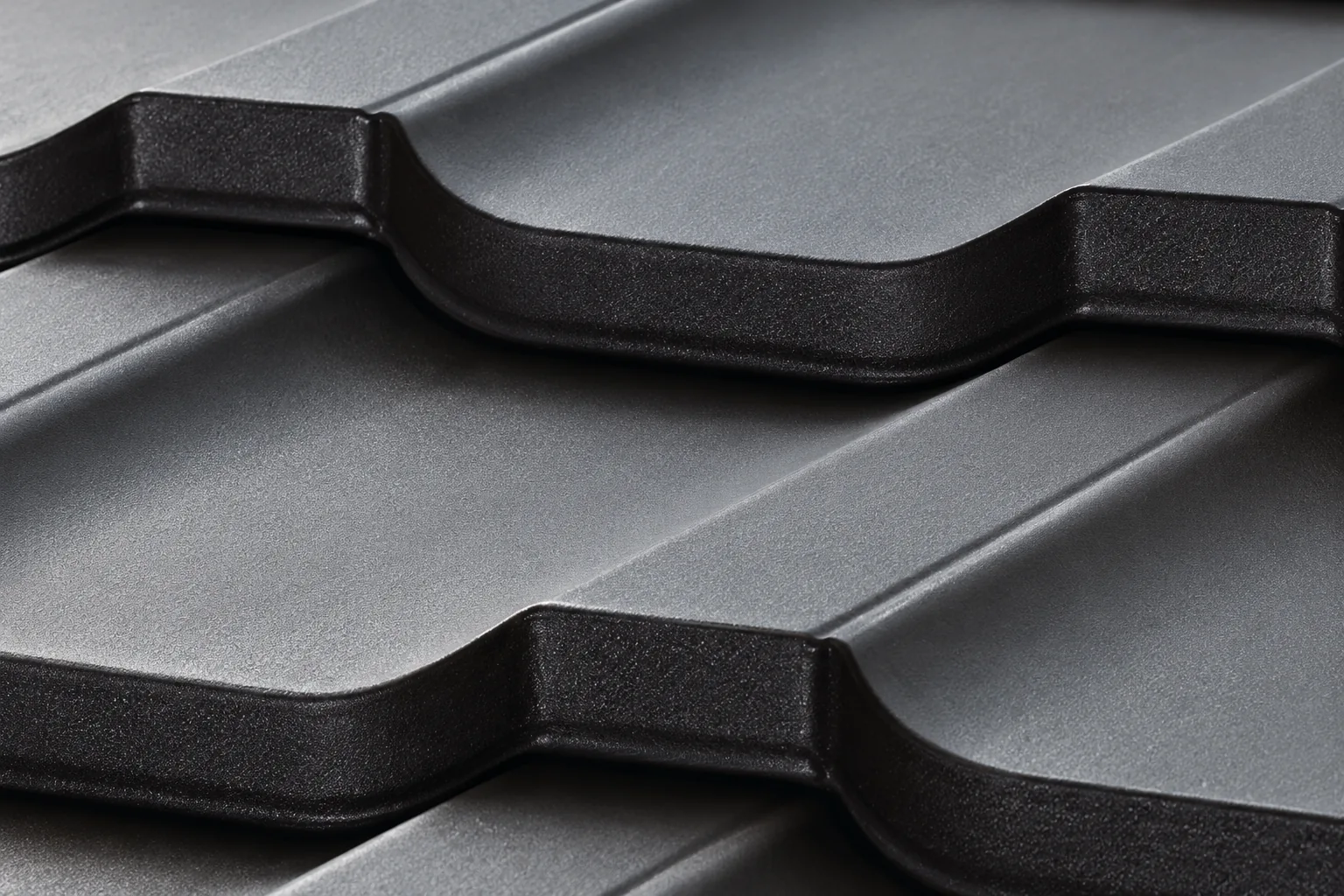
Single- and double-module metal roof tiles: which differences matter?
What matters is not the number of modules itself but the covering area of a specific panel. Before comparing, check the product dimensions and the cut plan on the actual roof slope, including the ridge, eaves and obstacles. A module is a repeating section of the pattern along the slope; overall length also includes the parts needed for joining, so it is not equal to the covering length. The format affects handling, the number of joints and the fit of edge rows, but it does not by itself determine steel quality or coating durability. The choice should be driven by roof geometry and installation organisation, not by the label ‘single-’ or ‘double-module’.
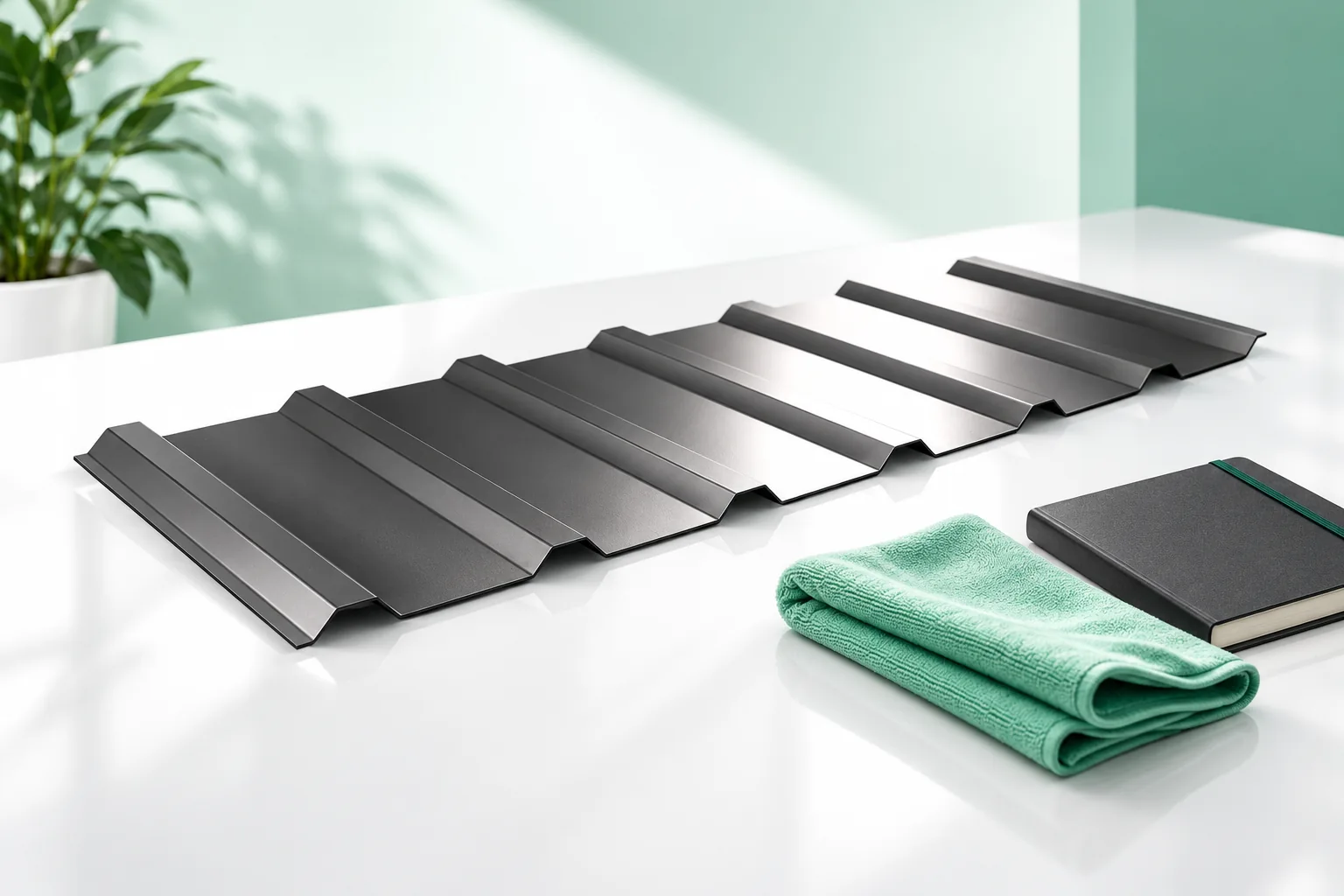
How long do trapezoidal steel sheets last and what shortens their service life?
There is no single service life for trapezoidal sheet, because correct performance over time depends above all on matching the product to its specific environment. The name trapezoidal sheet covers many products that differ in steel thickness, metallic protection and organic coating. Before purchase, check the scope of application and the warranty conditions for the given coating, not just the longest declared period. Equally important is what counts as the end of service life: a change in gloss, a scratch and perforation are different phenomena, and a roof may need a detail repaired while the main sheets remain sound.