

Building basics
Sandwich-panel.pl explains the basics of choosing sandwich panels, PIR insulation boards and metal roofing. Learn how the core differs from the facings, what the thickness describes and how the sheet dimensions relate to the effective cover area. The guides are intended for people planning a garage, industrial building, workshop or farm building. They explain which details to collect before ordering, how to identify accessories and what to inspect when the goods arrive. Use the articles to compare materials and prepare the questions that need to be resolved for your project.
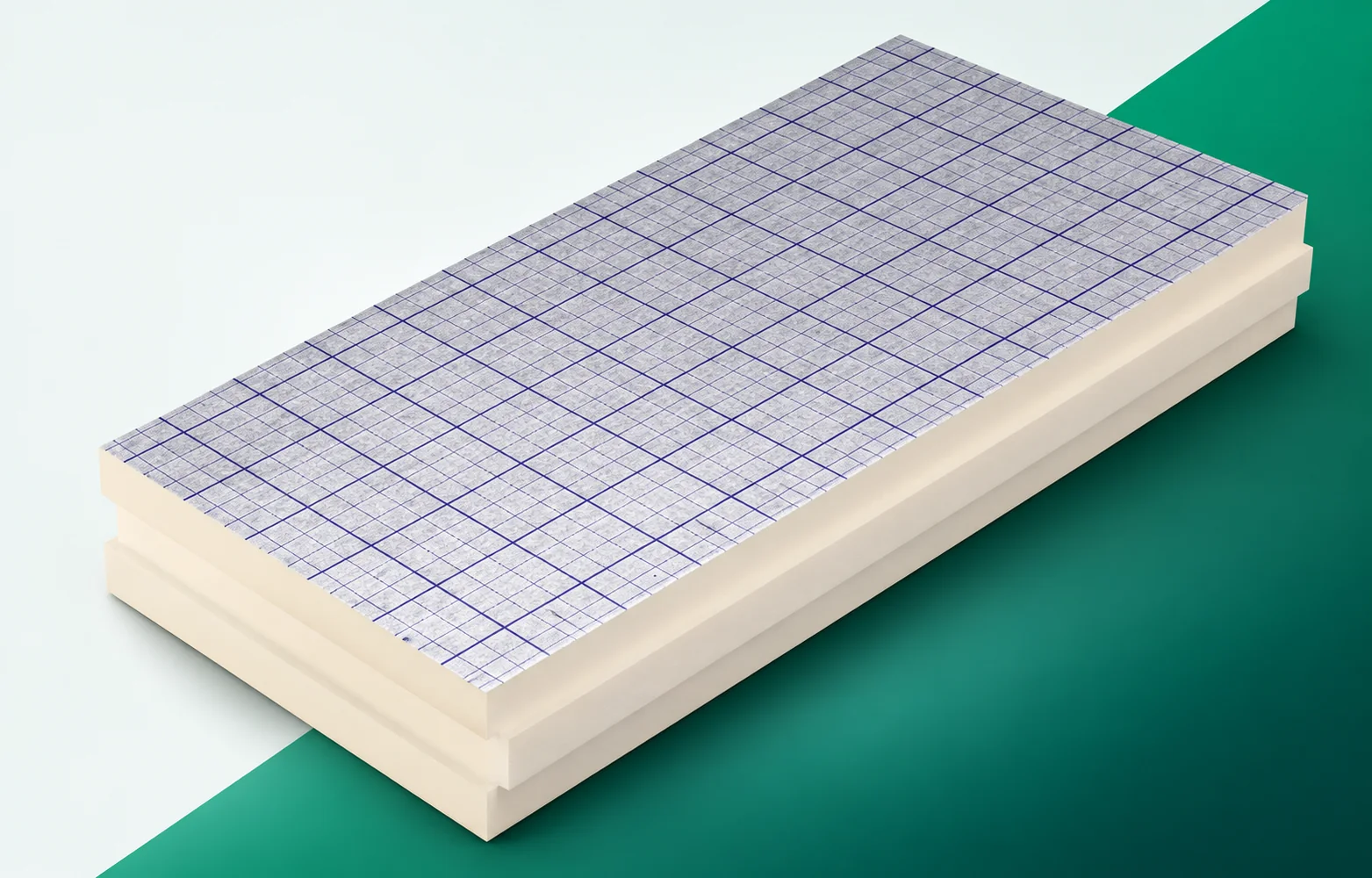
Quality checks for swissporPIR Alu: from the substrate to covering the boards
The swissporPIR Alu layer can only fulfil its function if the boards arrive at installation in an appropriate condition. The rigid core and thin facings require protection during transport, storage and cutting. Moisture, dust or a damaged edge change the conditions for making the next joint, even if the marking on the packaging is correct. The guide leads from acceptance of the delivery through preparation of the substrate to the inspection before covering. It also discusses the organisation of the reserve on the roof and the sequence of deliveries. Assessment of the actual thickness, continuity of the core and the contact surface with the next layer supplements the declared parameters of this PIR insulation.
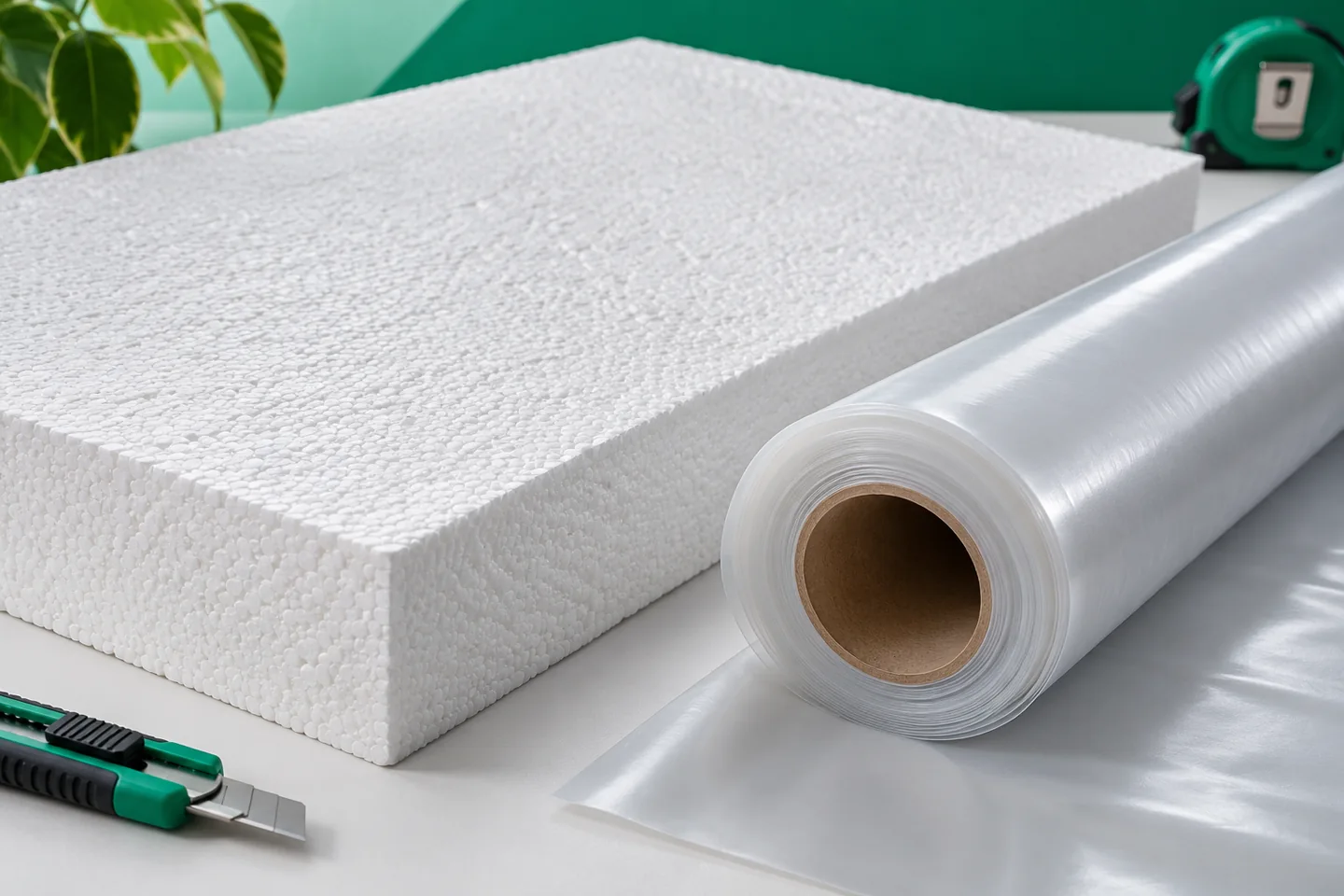
Choosing a vapour control layer beneath EPS roof insulation
The vapour control layer under polystyrene is selected to suit the whole roof and the conditions in the rooms. What counts is the resistance to water vapour diffusion, but also the airtightness of the joints. The same membrane does not have to perform equally well above a dry warehouse and a damp back room. The design must specify the particular function of the layer and how its edges and penetrations are to be formed. The layer referred to as a vapour control layer limits the transmission of water vapour by diffusion. Its effectiveness is described by parameters, not by the trade name alone. In many solutions it also helps to provide airtightness. These are two related but different tasks. A material with high diffusion resistance will not fulfil the second of these if the laps have been left open.
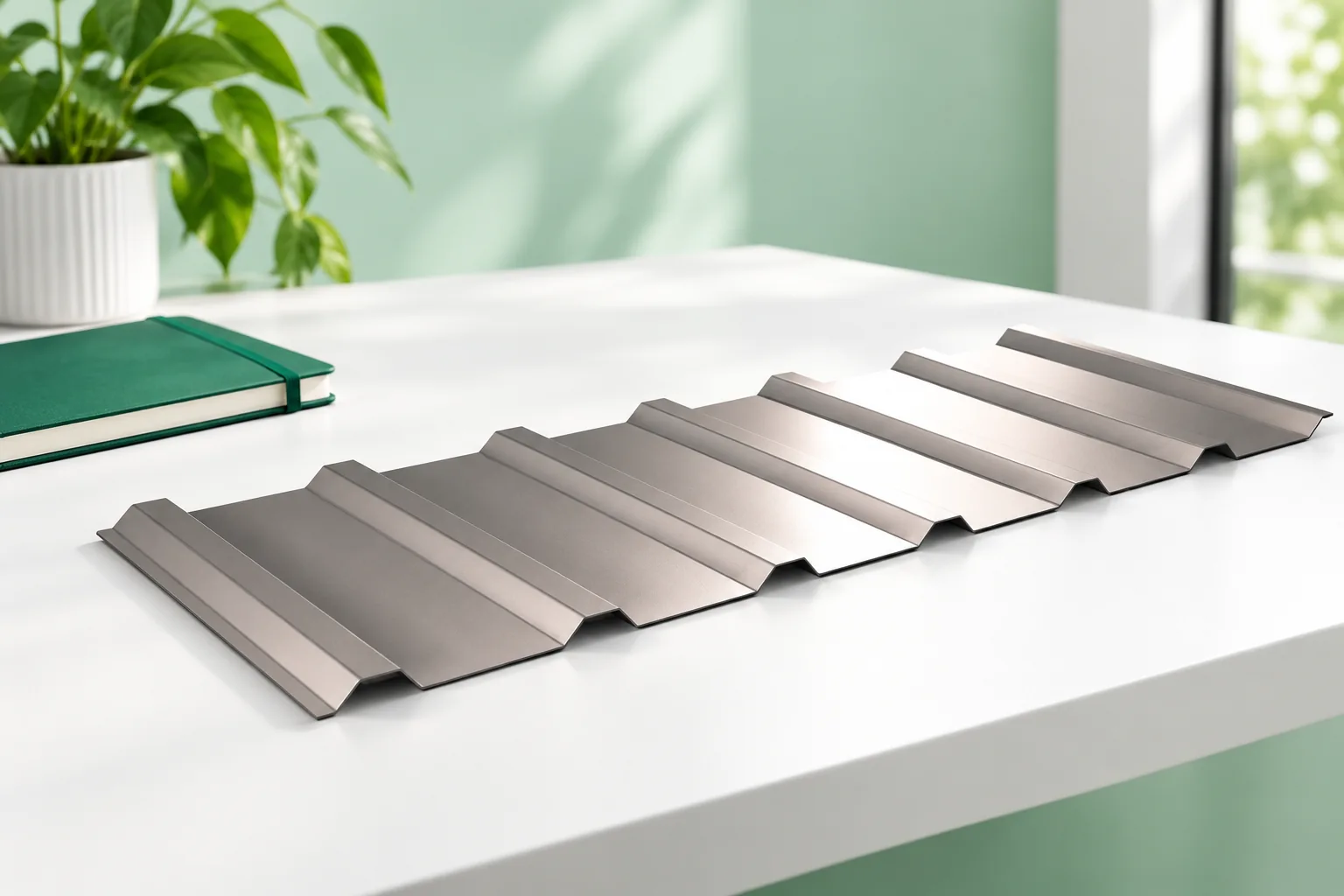
How does a metallic coating protect steel sheet?
The metallic protective layer in coated steel sheet separates the steel core from its surroundings and, together with the other coatings, helps limit corrosion. When buying, it is most important to establish its type, since this determines the scope of protection rather than colour alone. The specification should distinguish information about the steel, the metallic layer and the organic coating. During installation, edges must be protected, filings removed and approved tools used. Zinc will not protect every scratch indefinitely, so correct detailing and subsequent care also matter.
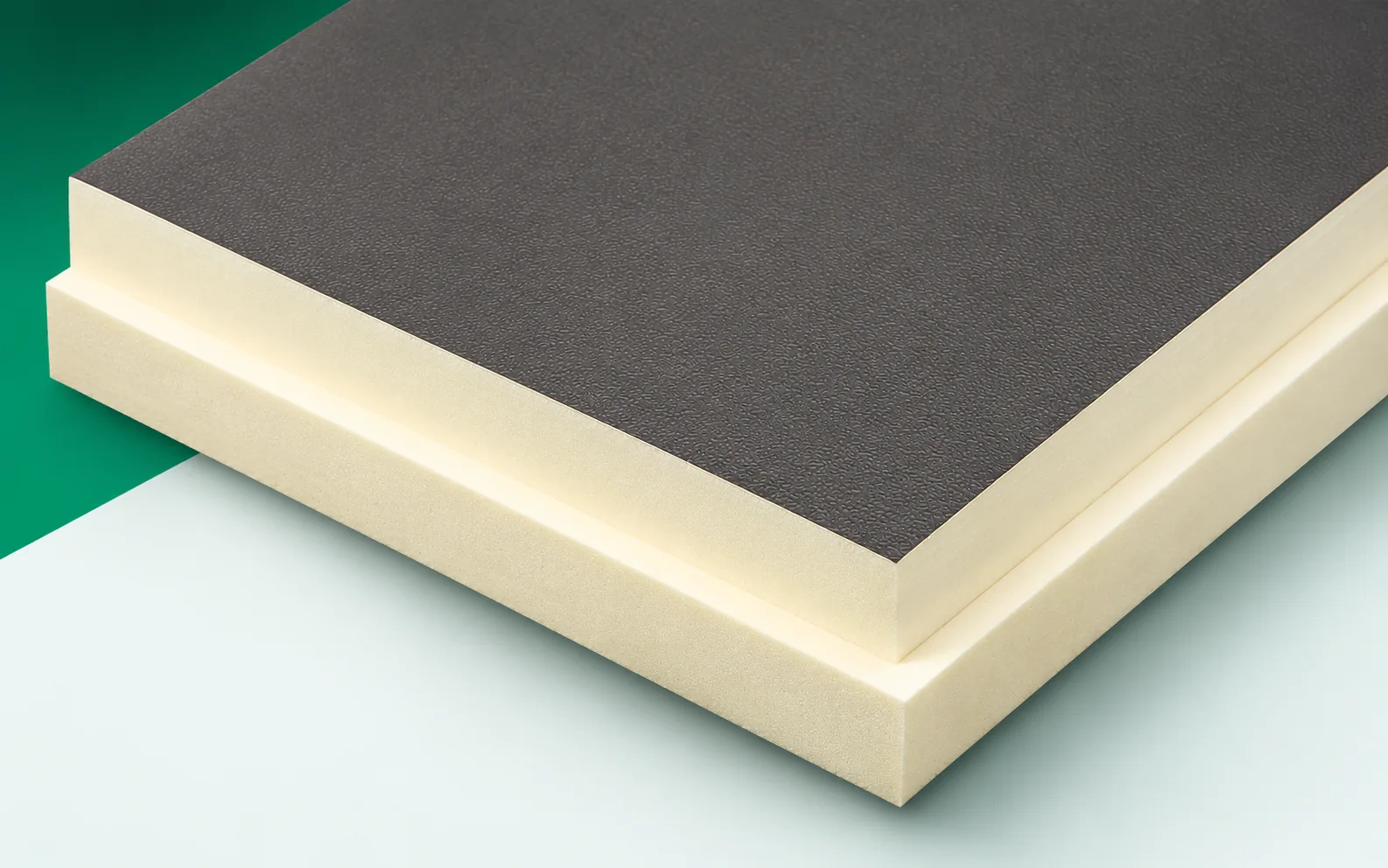
BauderPIR FA beneath waterproofing: rebated edges, support and fixing
The large-format FA board rests on the substrate specified in the roof design. The rebates help to align the joints, but they do not make the boards a self-supporting covering. The support and fixing requirements of the selected system must be observed. The drawing should separate the board layout from the load path into the structure. The BauderPIR FA scope must be described together with the layers adjoining its surface. An important junction detail is the milled edge of the large-format board. The basis for coordination is a row plan based on the effective board dimension. Before selecting materials, the actual coverage area and the widths of the perimeter strips must be determined so that the sequence of layers has a real reference.
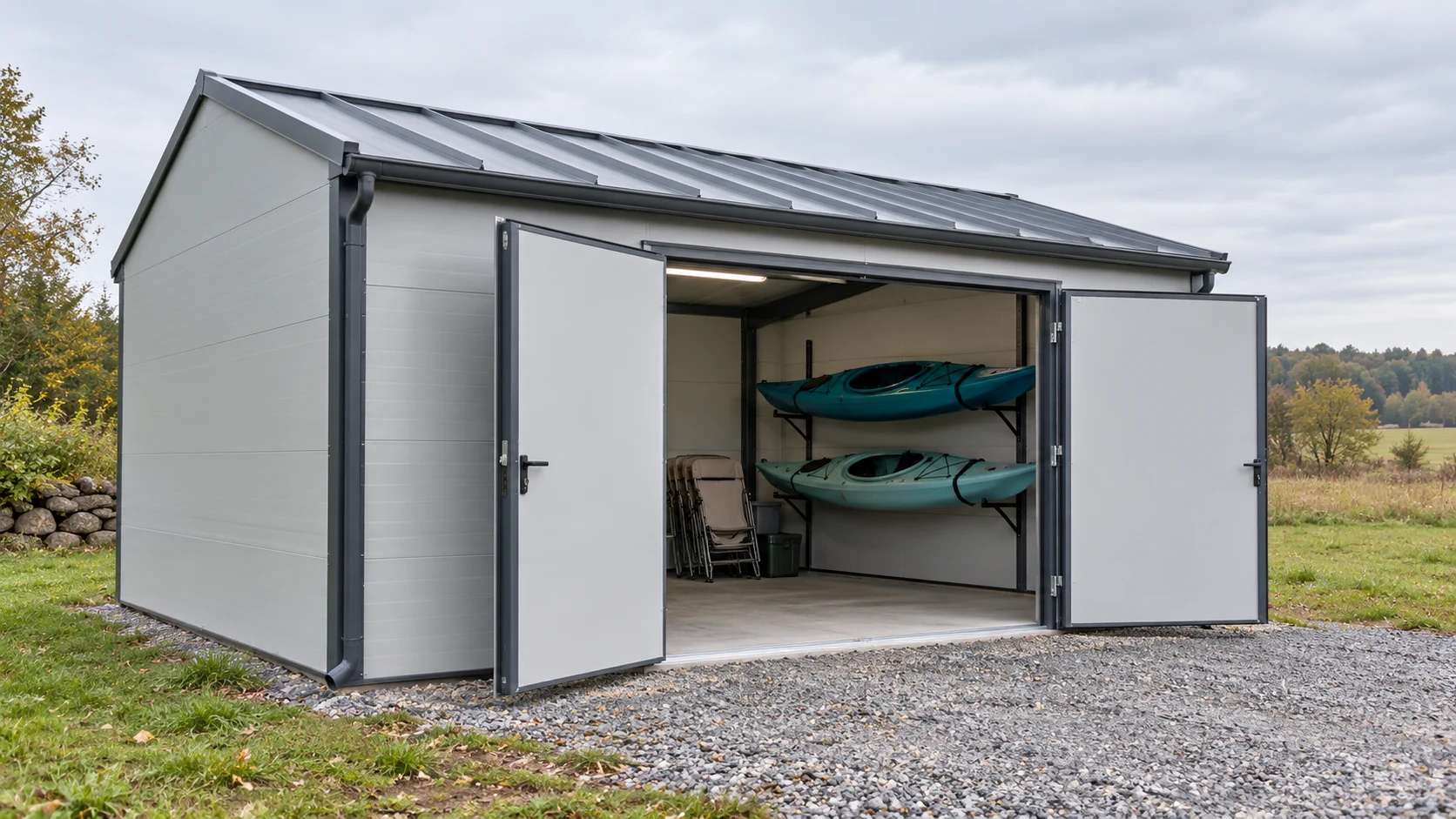
Would a 40 mm second-grade roof panel suit a small warehouse?
With a small equipment store, it is easy to assume that a thin, cheap roof panel will do in any situation. Yet even a simple roof slope requires proper supports, adequate fall and tight joints. Second-grade material must be assessed according to the type of deviation. A thickness of 40 mm and a low price do not replace information about the specific product and the conditions under which the roof will work. A shed for dry kayaks or folding tables has different requirements from a store for moisture-sensitive materials. Check whether the interior is only meant to shelter from precipitation or to maintain a specific temperature. Planned later conversion into a workshop should also be taken into account from the outset, rather than assuming that insulation can easily be added after installation.

How do you ventilate a metal roof?
To ventilate a roof slope covered with metal sheeting, a clear path must be designed from the inlet at the eaves to the outlet at the top of the slope. Readers should check whether, after installation, the actual airflow cross-section has been reduced by a sagging membrane, protruding insulation or undersized counter-battens. The membrane alone does not create air movement, and its vapour permeability does not replace the ventilation gap. It is also worth verifying that inlets and outlets are protected yet still open, and that obstacles on the slope do not interrupt the planned air path.