How to choose a covering for a mansard roof

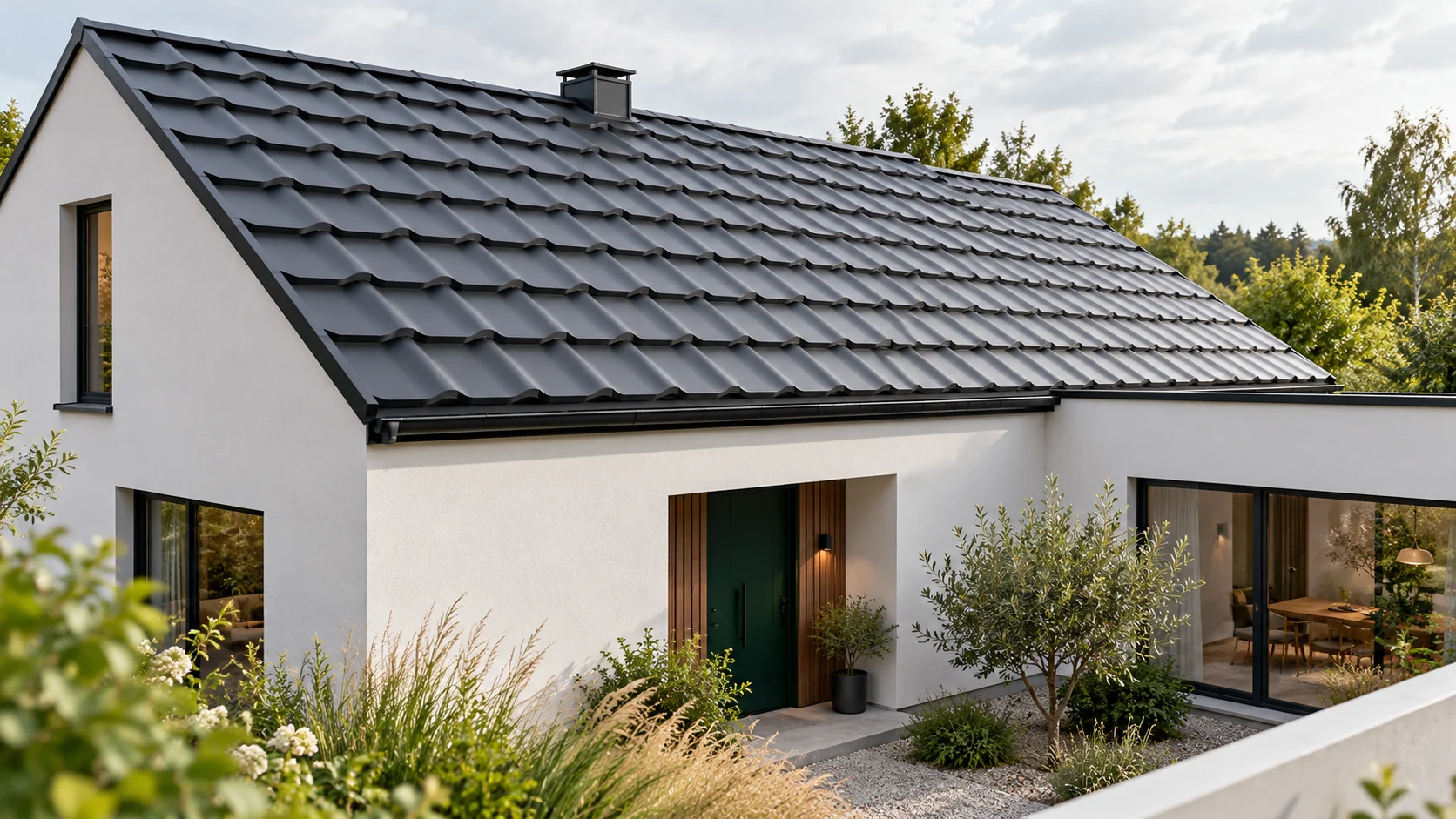
The covering for a mansard roof must be selected separately for the lower and upper slopes and for their junction, as each zone has different fixing and flashing requirements. Before choosing a material, check the actual angles and lengths of both sections, as well as the presence of dormers, chimneys and windows, which complicate sheet layout. The slope break is crucial: water from the upper part must drain safely onto the lower without backing up under the covering. Base the assessment on an accurate plan and sections, not on the roof name alone.
2026-11-14T16:31:31+01:00

How to install modular tile-effect metal roofing

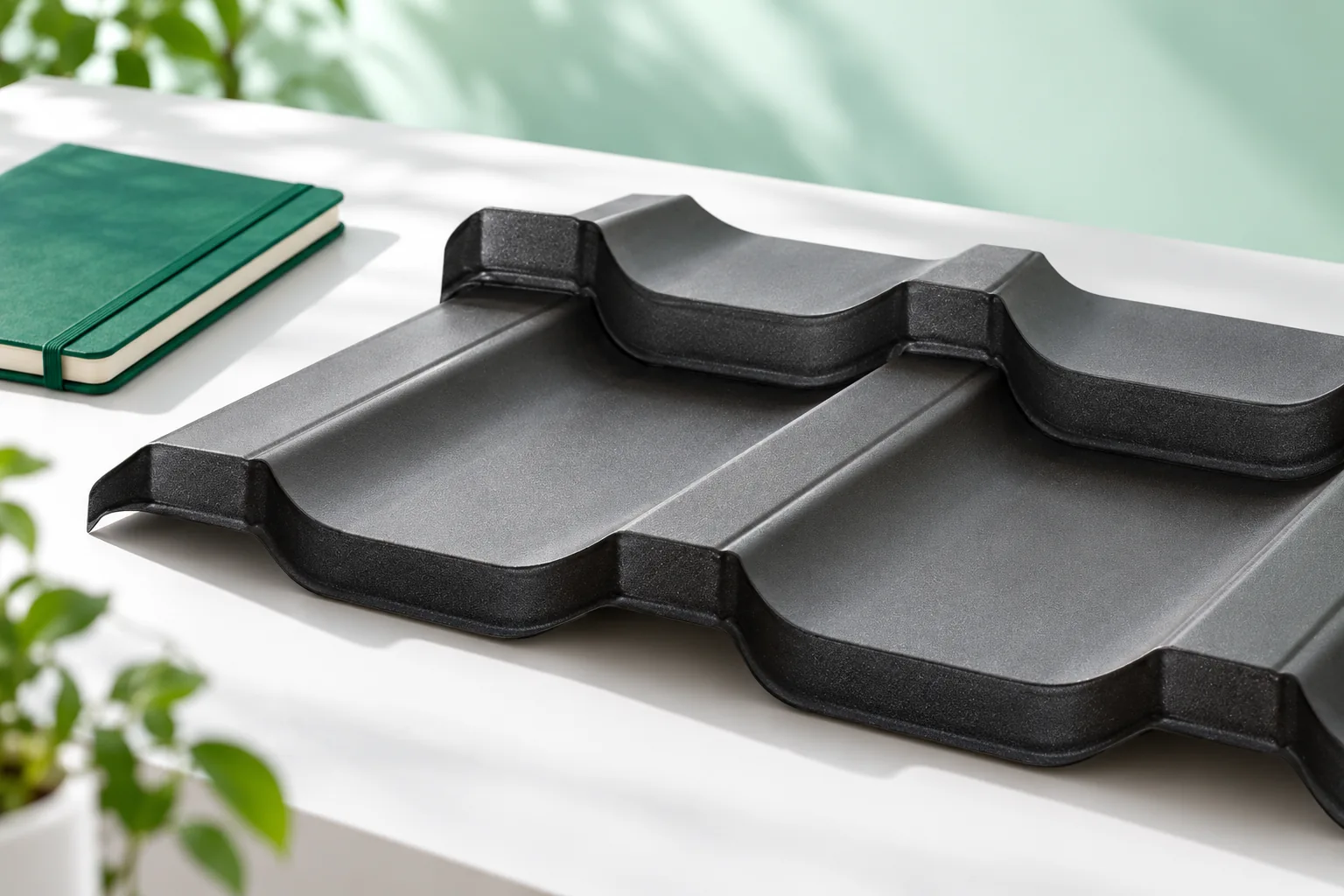
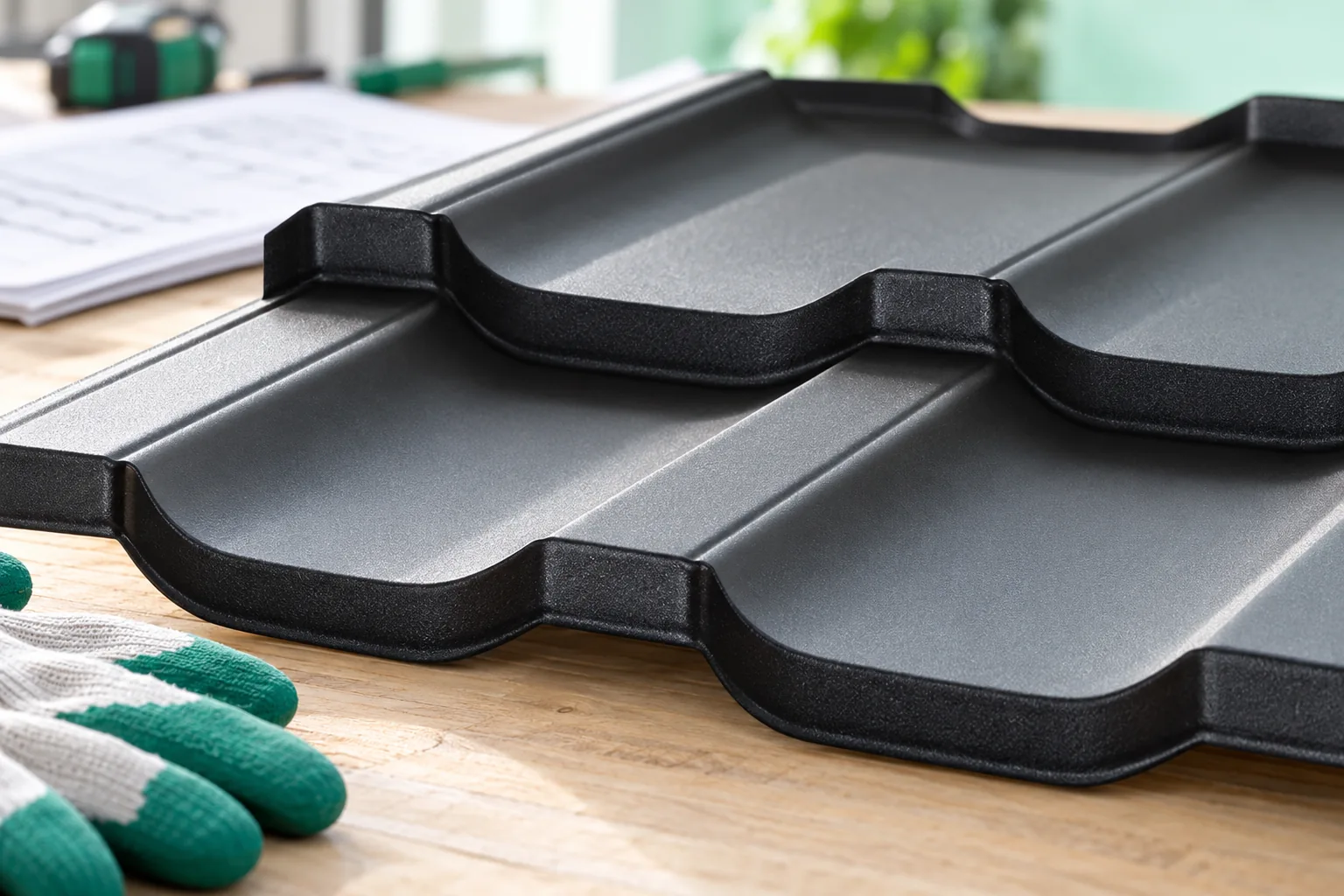
The key to correct installation of modular metal roof tiles is confirming that the roof pitch and layers meet the requirements of the chosen profile, and that the batten grid is level and follows the instructions. Check the eaves line, diagonals and support plane, as well as the completeness of material, flashings and accessories. Batten spacing follows from the profile module, and the first row sets the run of the entire covering. The order of laying depends on the edge shape and water drainage. Before final fixing, assess the fit of components and the row line.

2026-11-14T19:47:48+01:00

What should you look for in cut-to-length tile-effect roofing sheets?

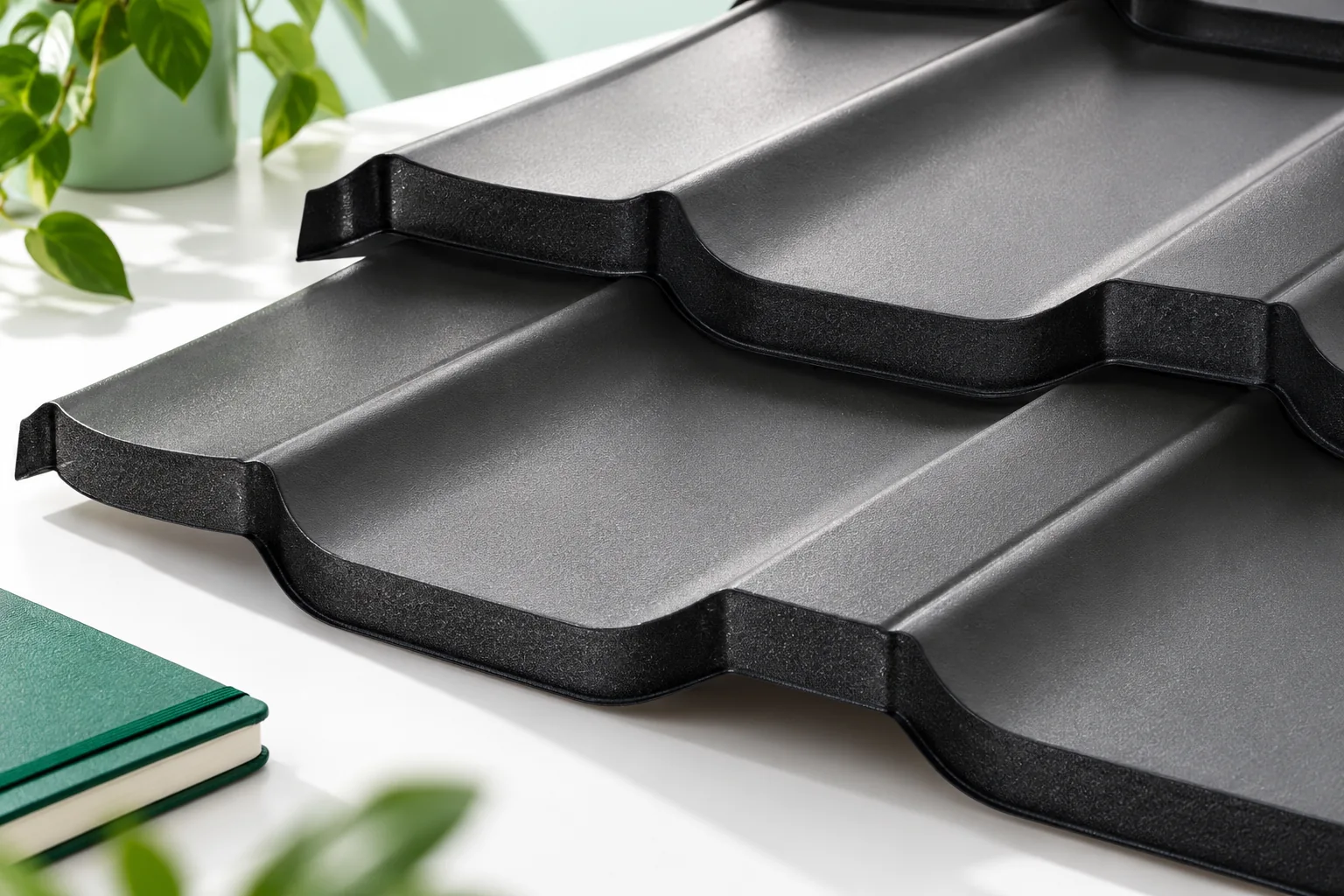
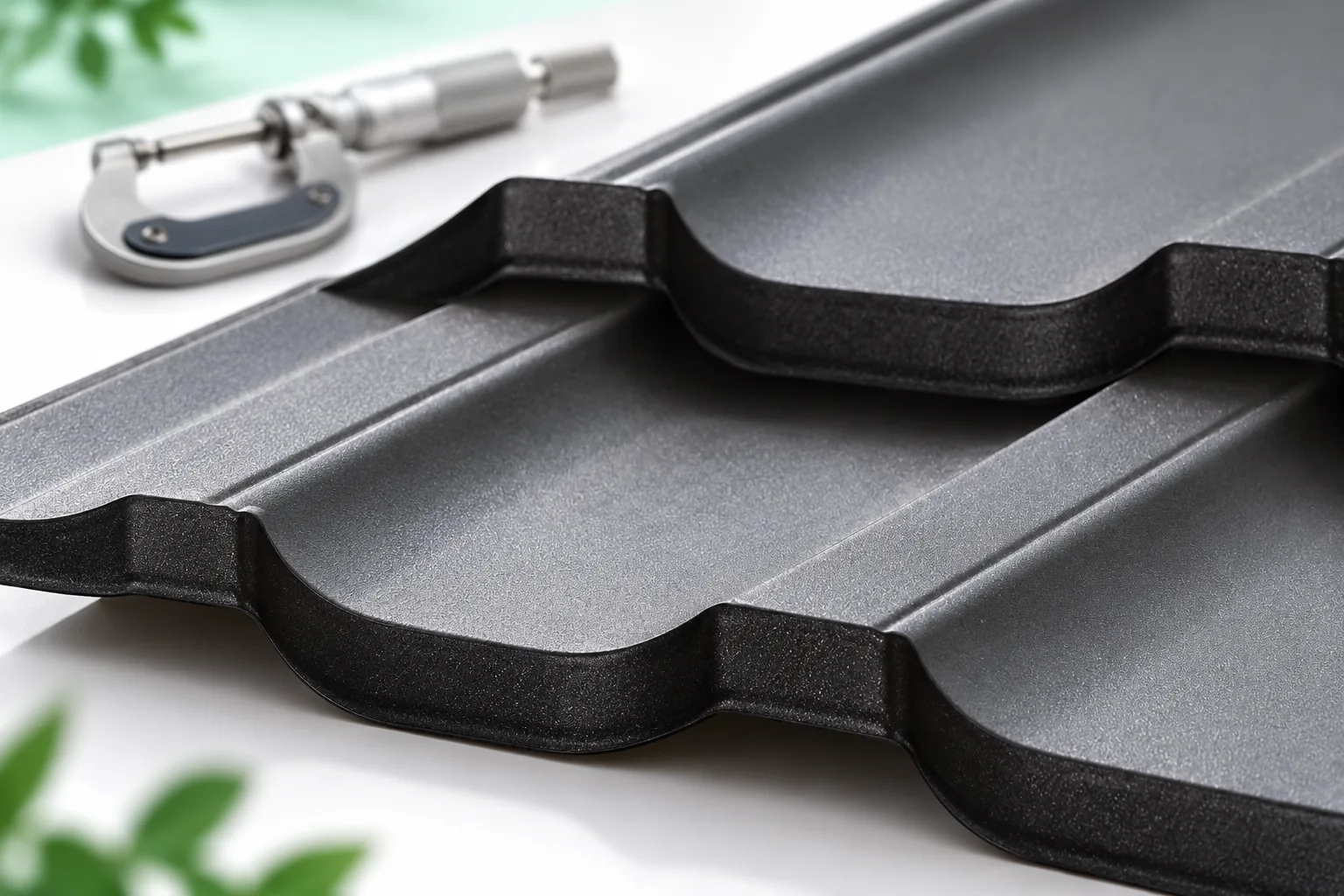
The quality of a cut-to-size metal roof tile is determined by how well its declared parameters match the documentation, not by appearance alone. Before buying, check whether the specification states the nominal core thickness, the type of metallic substrate and coating, and the full profile data. Pay attention to the coverage width and the module drawing, as these show the actual roof coverage. Also compare the cutting plan with the roof geometry — even the right material can be badly fitted. Choose an offer that clearly separates this information rather than relying on generic terms.

2026-11-14T16:29:40+01:00

Tile-effect metal roofing or clay tiles – which suits the roof?

The choice between metal roofing tiles and ceramic tiles should follow from the roof design and a full quotation, not from appearance or the price of a single element. Above all, check the actual weight of the covering per square metre, because ceramic is considerably heavier than typical metal sheeting, and comparing individual pieces can be misleading. For a renovation, verify the existing roof structure and supports; in a new build, match the structure to the chosen system. Also consider roof pitch, ventilation and the requirements for the underlay.

2026-11-14T19:46:15+01:00

How to choose the right membrane for each roof layer

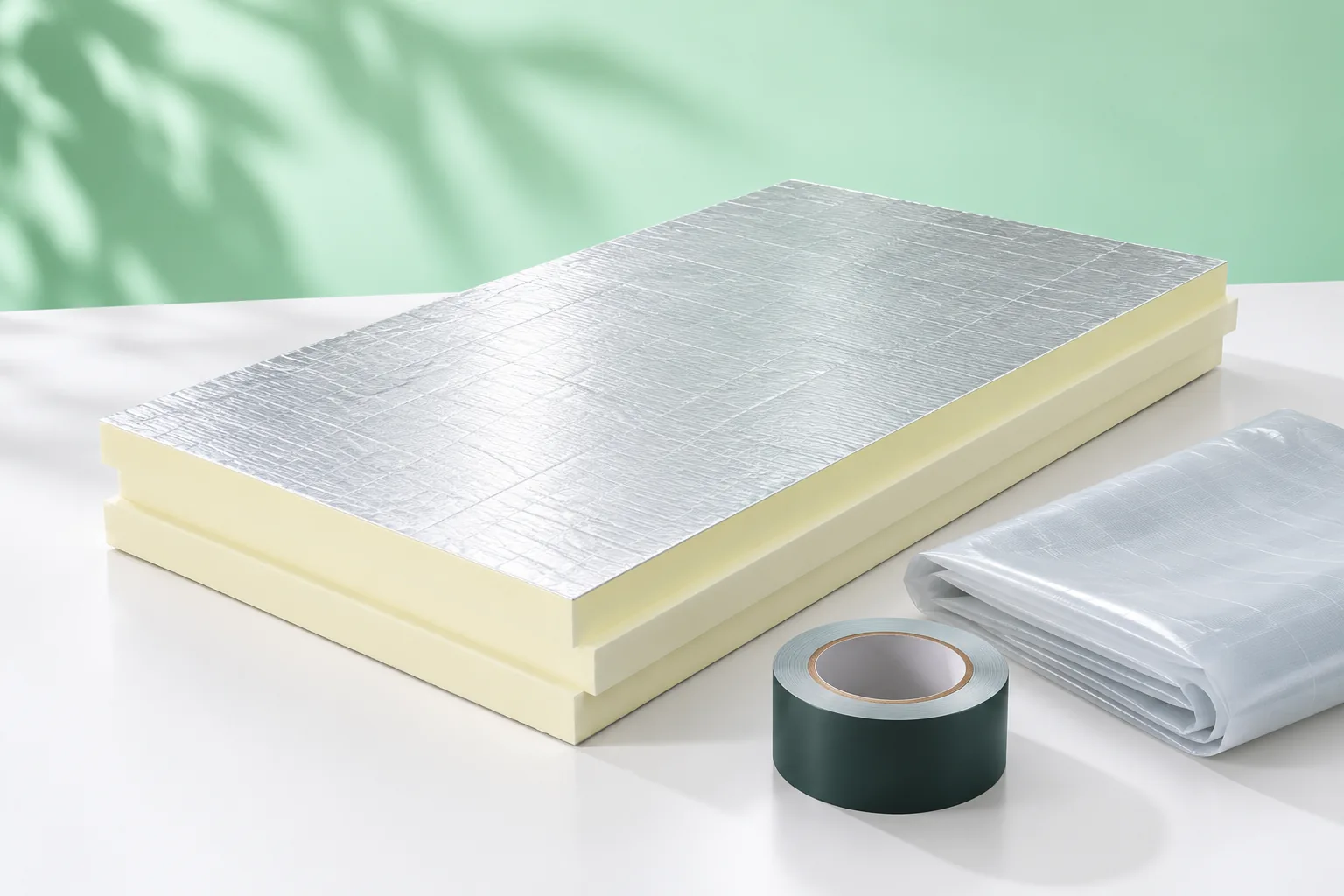
Roofing membrane should be chosen primarily by the function it is to perform at a specific point in the building envelope, not by its trade name. Before buying, mark on the roof section where the material will be laid: under metal sheeting it may be an underlay, while on the warm side it usually controls water-vapour ingress and helps maintain airtightness. On a flat roof, membrane may mean the final waterproofing. Include a description of the structure, covering and substrate, plus how the interior will be used, in your enquiry.

2026-11-14T19:46:39+01:00

Four checks before you choose tile-effect metal roofing

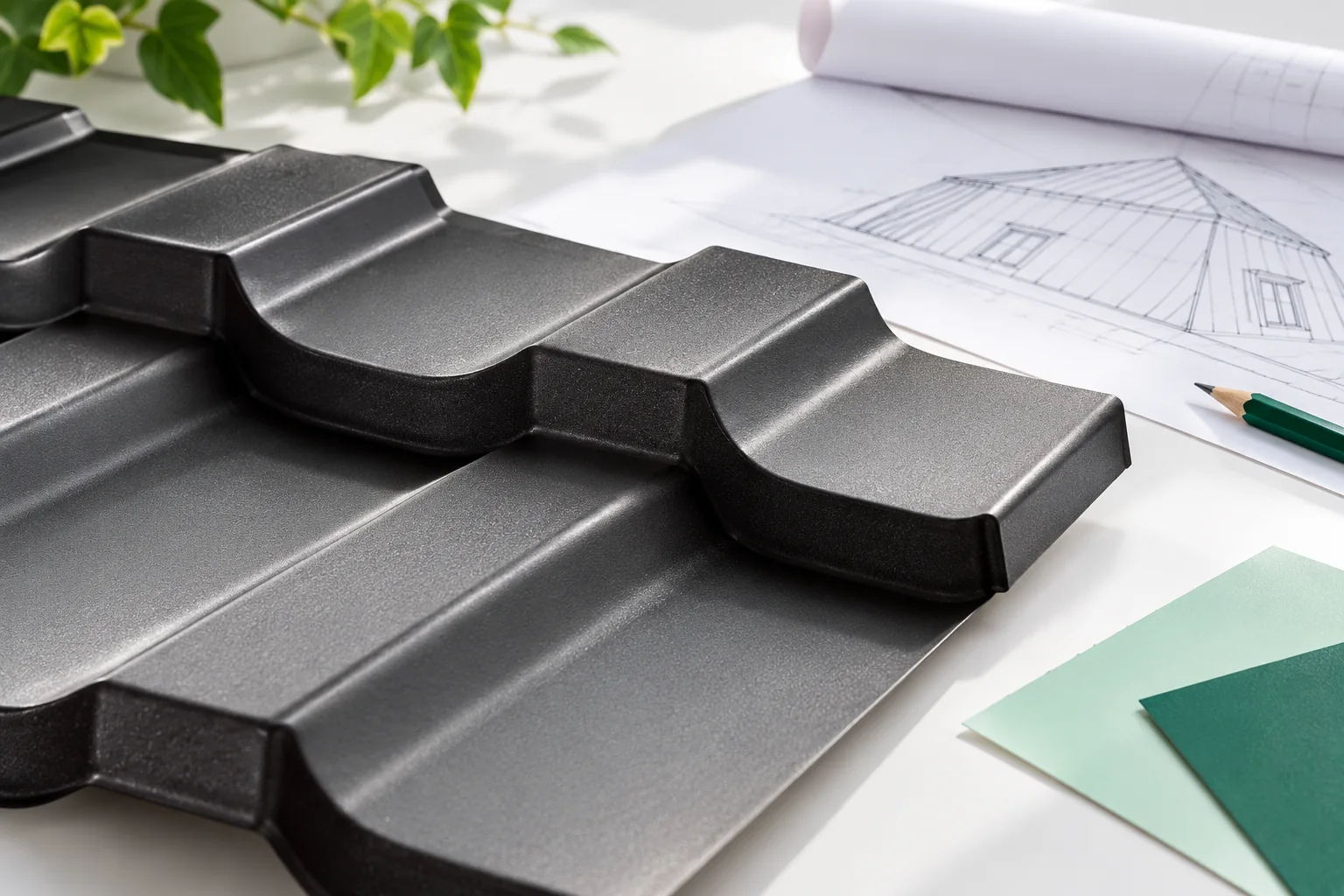
Before choosing tile-effect metal sheets, check the requirements for the particular model against the shape of the roof and the condition of its supporting layers. Each system has its own permitted range of pitches. Where the manufacturer requires an additional layer beneath the covering, the design must specify its construction. On a renovation, check that the roof timbers are dry and sound. Record the sheet specification and coating together with a drawing of the sheet layout. The roofer can then identify the flashings, fixings and cuts the job will need.

2026-11-14T19:54:48+01:00

Trapezoidal steel sheet or tile-effect metal roofing for a house? Choosing by roof slope and residents’ needs

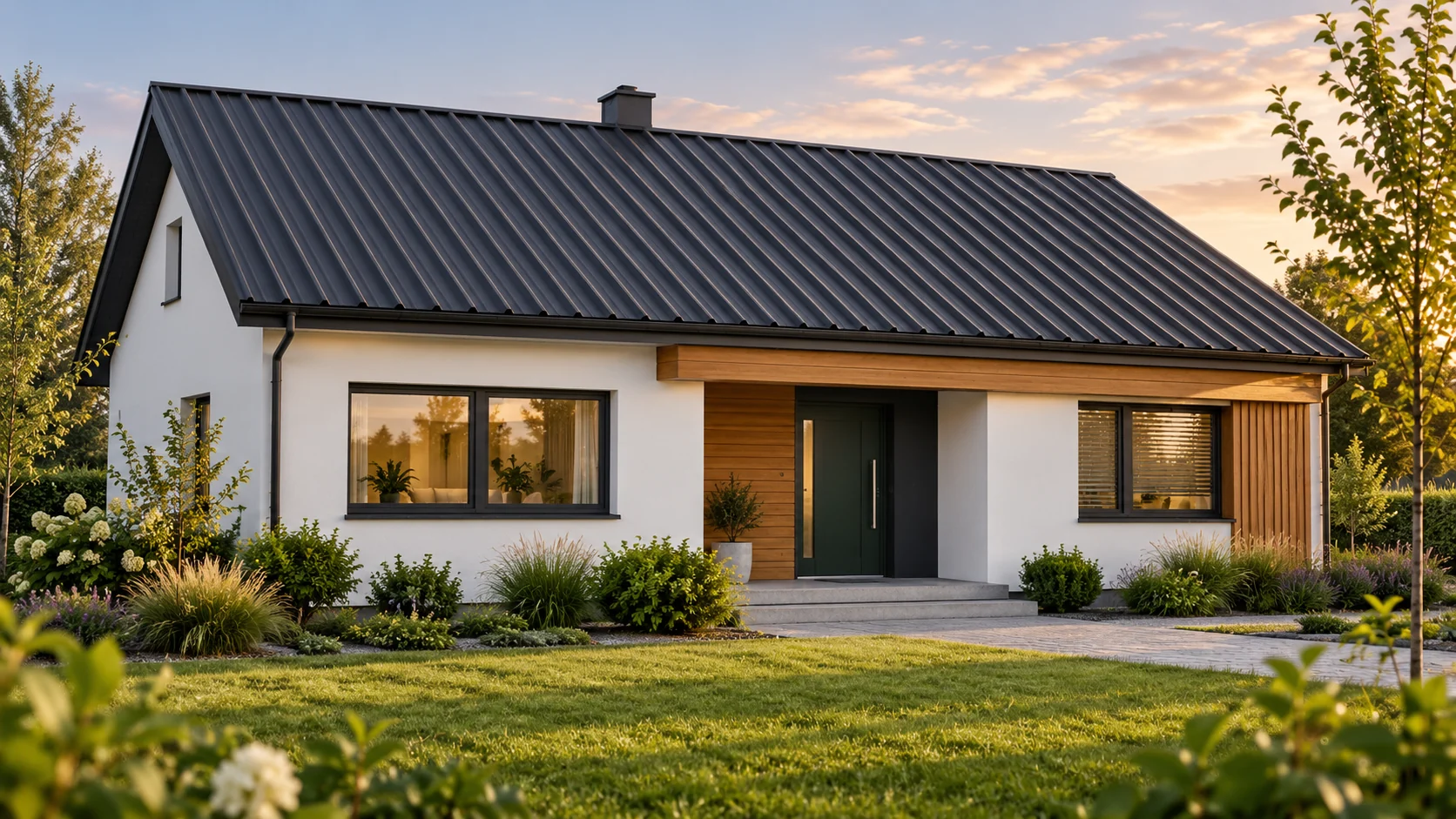
Trapezoidal steel sheet can look good on a house, and tile-effect metal roofing is not reserved for a single building form. The choice is determined by the covering pattern, the pitch and the number of details. Residents' comfort also depends on the layers beneath the metal sheet. Instead of looking for the material best suited to every house, compare two complete solutions for your own roof. Trapezoidal sheet creates straight lines running along the roof slope. It emphasises economical geometry well. Tile-effect metal roofing introduces an additional transverse rhythm. It can have gentle waves or flatter fields. Both solutions are available in various colours and coating textures.

2026-11-14T10:15:04+01:00

Clay tiles or tile-effect steel roofing: what changes the cost of owning the roof?

Both coverings can serve well for years. They differ, however, in weight, method of laying and repair. The choice should be linked to the house and the planned use of the attic. The price of a single square metre of material will not show these differences. A fair comparison covers the structure, the full covering and the layers beneath it. First establish the requirements for the whole roof. Above a bedroom, thermal insulation, noise reduction and air tightness will be important. Above an unheated loft, the layer build-up may be different. The choice of metal sheet or clay tiles alone will not ensure comfort in the room beneath the roof slope.

2026-11-14T10:12:42+01:00