

Building basics
Sandwich-panel.pl explains the basics of choosing sandwich panels, PIR insulation boards and metal roofing. Learn how the core differs from the facings, what the thickness describes and how the sheet dimensions relate to the effective cover area. The guides are intended for people planning a garage, industrial building, workshop or farm building. They explain which details to collect before ordering, how to identify accessories and what to inspect when the goods arrive. Use the articles to compare materials and prepare the questions that need to be resolved for your project.
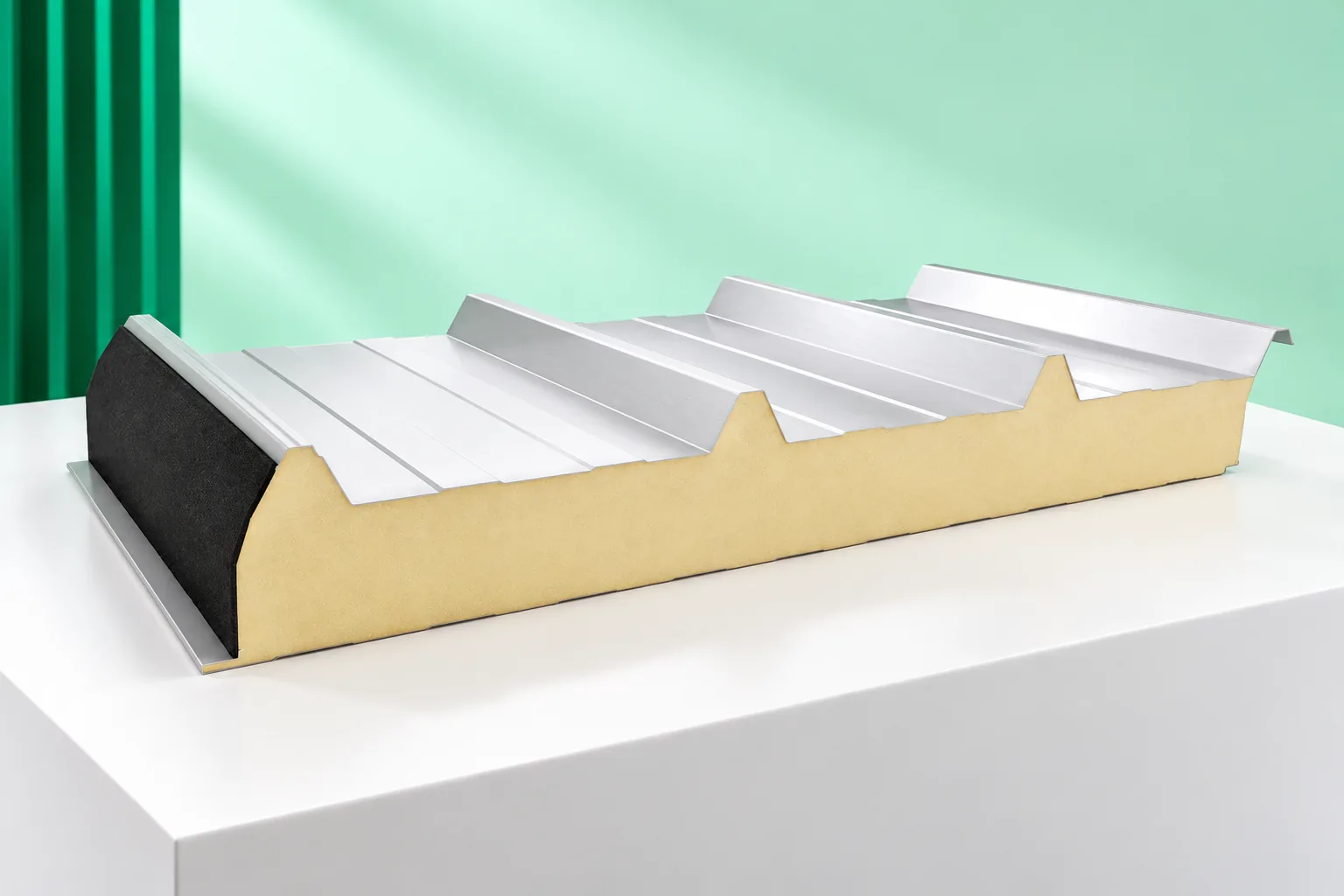
What to check before choosing an insulated sandwich roof panel
Before choosing a sandwich roof panel, establish the loads and environmental conditions the roof must carry, and only then compare catalogues. Check the load-bearing capacity for the support arrangement, thermal properties at the chosen thickness, permissible roof pitch, and how joints, rooflights and penetrations are detailed. Thickness alone does not describe the product – coating, fire requirements and order completeness also matter. Leave design decisions to the designer, and request an itemised schedule with part numbers in the order to avoid mistakes on site.
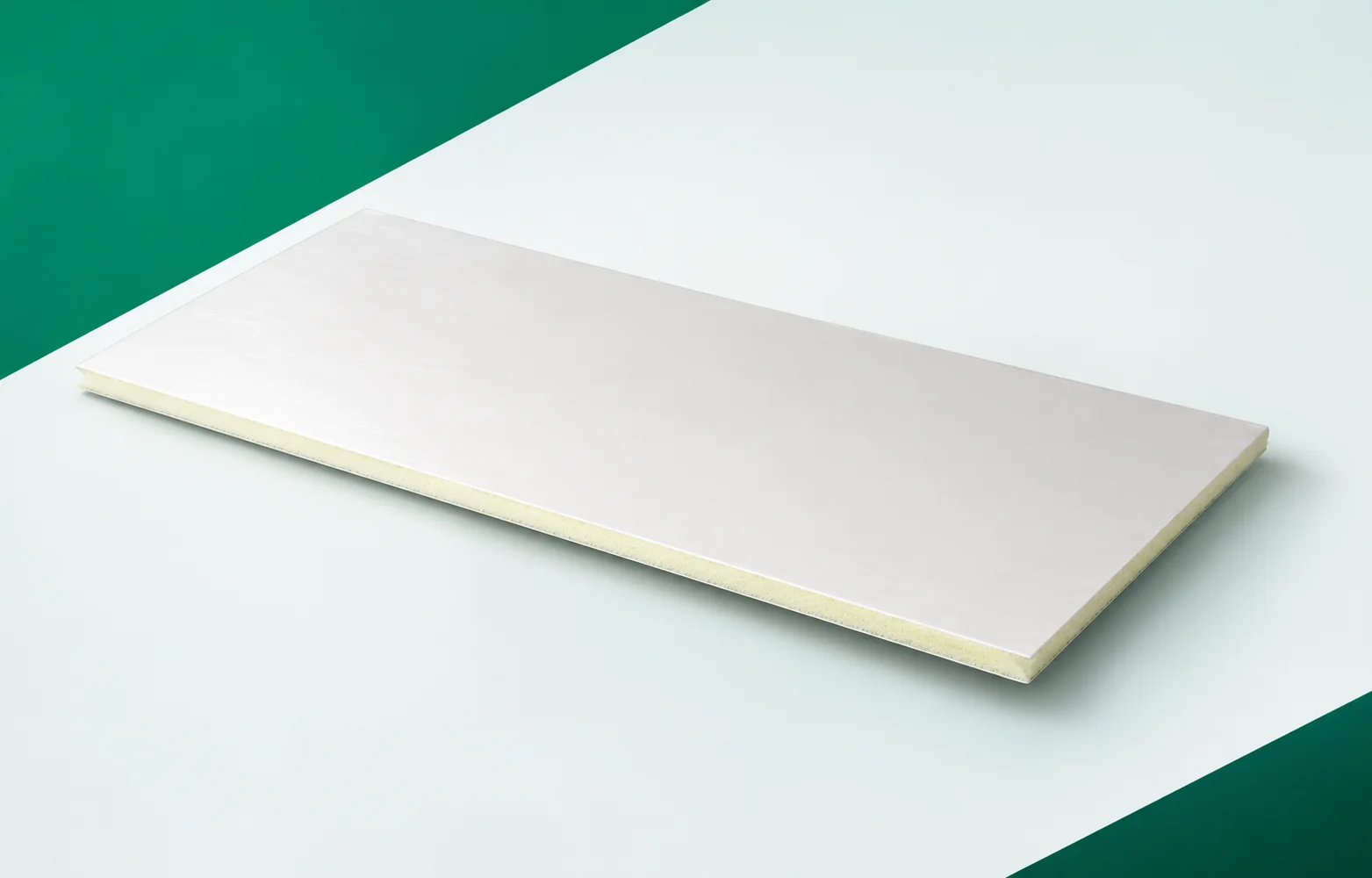
IDELCO AGRO+: PIR insulation, facings and installation profiles
IDELCO AGRO+ is a PIR board used for insulating ceilings in agricultural buildings. Its lightly embossed aluminium facing, 50 micrometres thick, differs from a typical thin roof laminate; in the assembly, the visible white side and the natural side must be identified. Selection covers the length of the elements, the edges, the mounting profiles and the terminations at walls. The thermal parameters must be read for AGRO+, and the fire results must be linked to the assessed configuration. The guide shows how to combine these requirements with transport and the support of long boards. The term “polyurethane board” alone does not identify the finish or the method of ceiling installation.
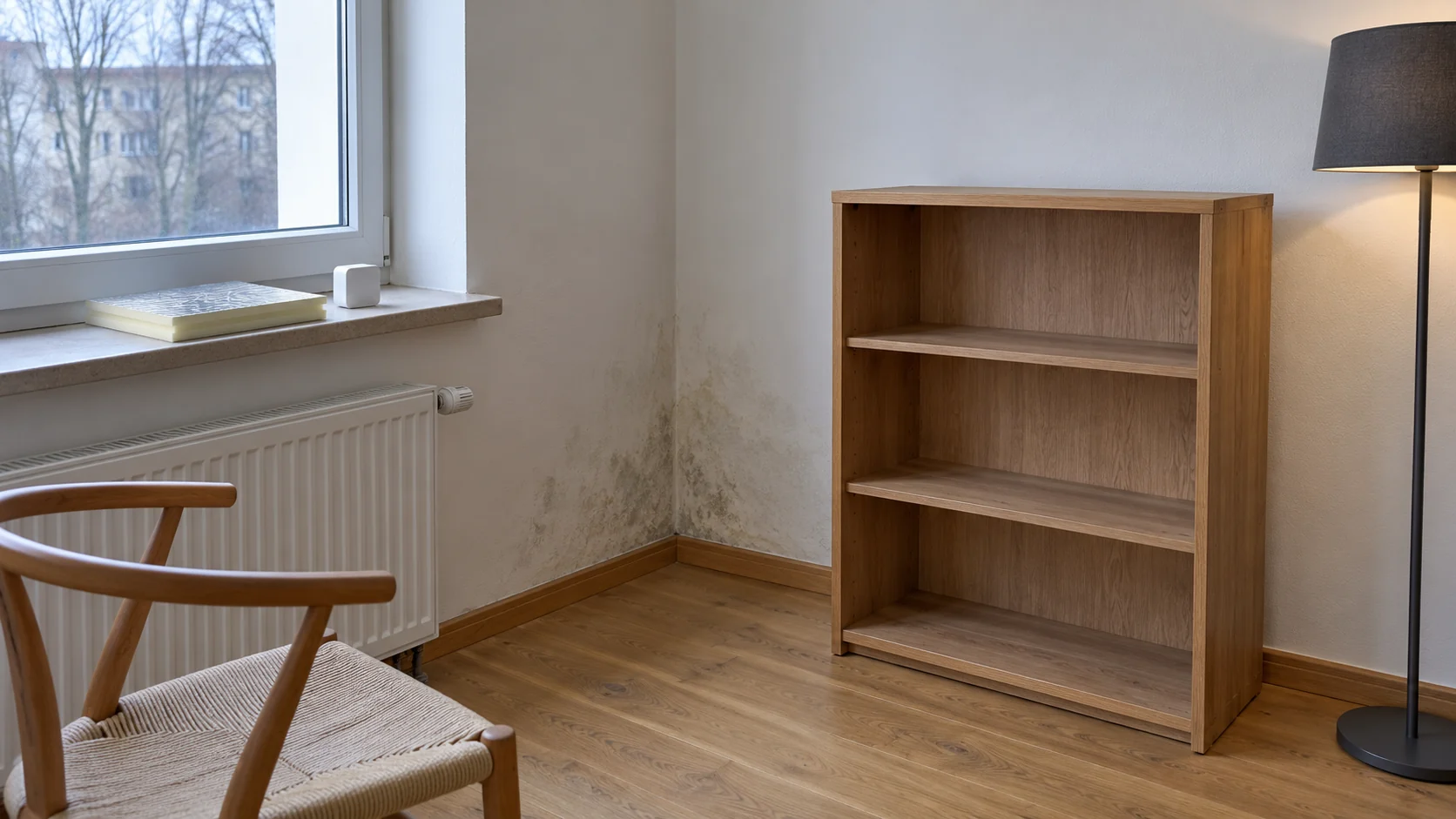
What to check when the north wall is damp and stains appear?
A stain on the north wall does not automatically mean that thicker insulation needs to be applied. Water may be coming from outside or condensing on a cold surface. Several causes often overlap. It is worth first establishing when the problem occurs and how it changes after rain, after heating the room and after moving furniture away. Moisture after rainfall suggests checking the façade, flashings and gutters. A problem that worsens during frost may indicate an excessively cold surface and humid indoor air. A stain near a pipe or under a windowsill requires a different check. The direction of the wall alone does not determine the cause.
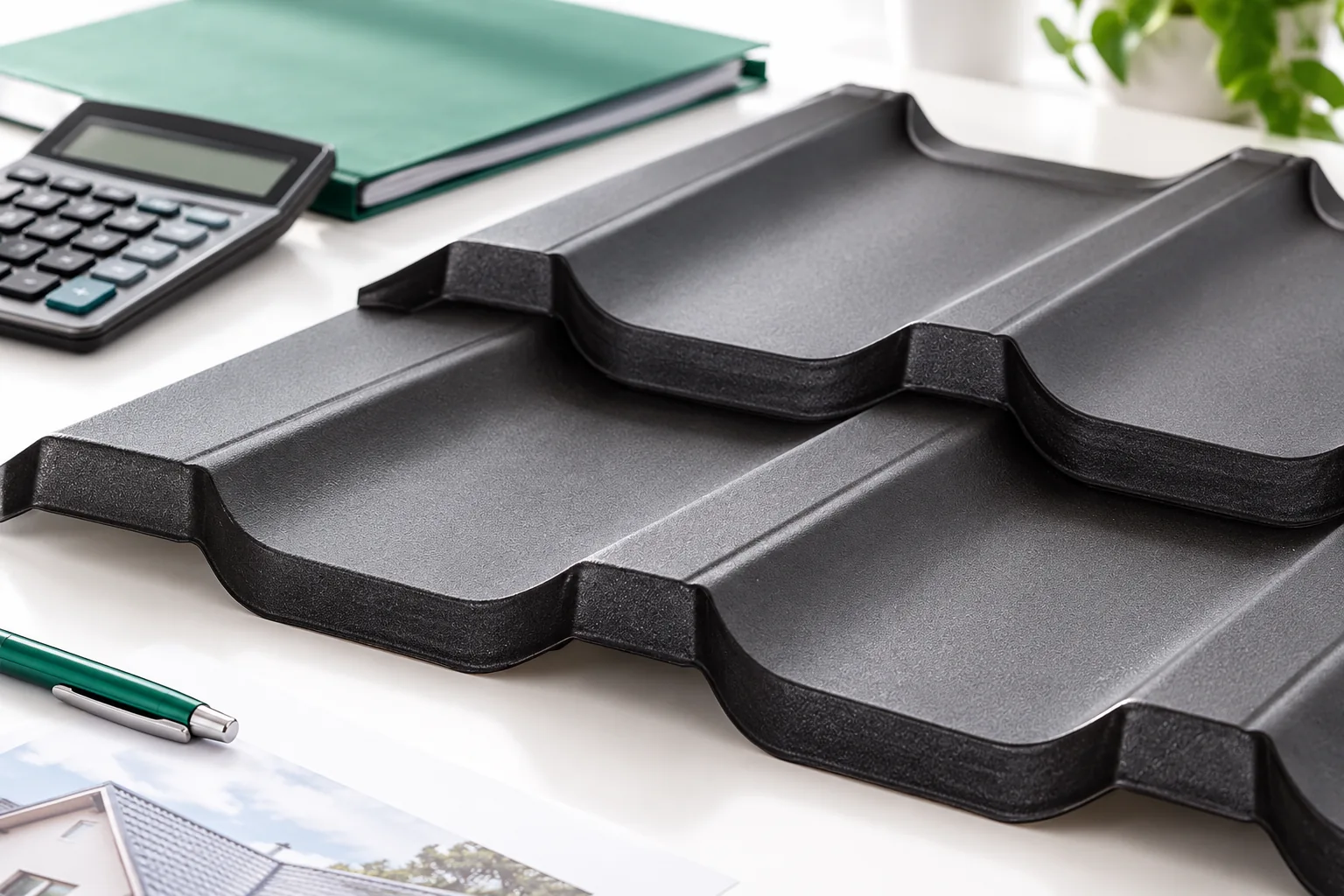
Comparing metal roofing costs with other coverings using a cutting plan
Before comparing the cost of metal sheeting with other roof coverings, decide whether you are choosing a variant for the whole roof or only part of the slope — this determines the scope of the estimate. Check that the offers cover the same drawing, actual dimensions, pitch, valleys, dormers, chimneys and windows, and how the loft will be used. For a renovation, first assess the condition of the structure, as repairs and dismantling depend on it. Only then compile complete amounts including substrate, flashings, transport and installation, on the same net or gross basis.
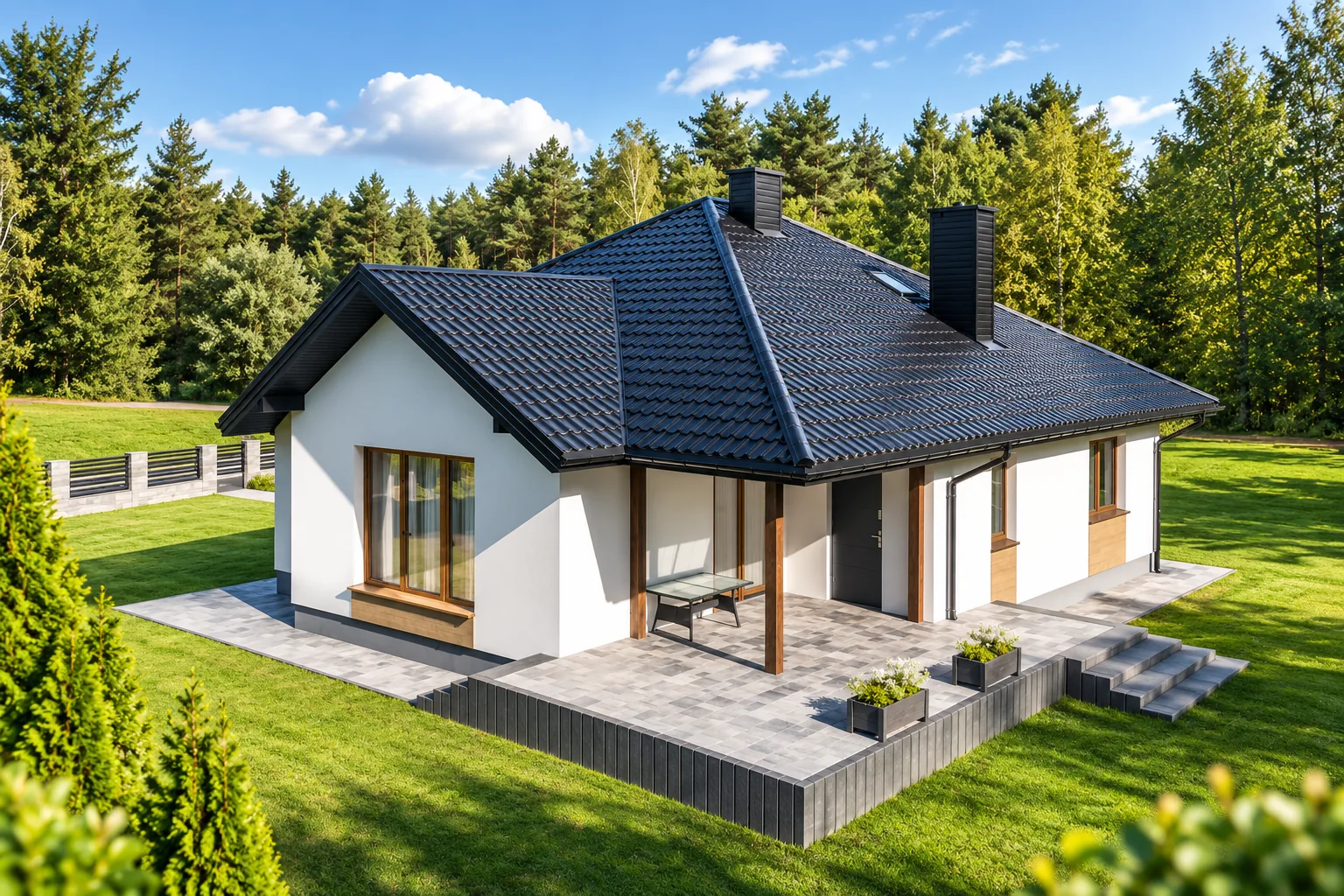
Metal roof maintenance: when to schedule an inspection and when to bring it forward
The frequency of inspecting a metal roof depends primarily on the specific material's instructions, the building's surroundings and weather events. It is worth checking whether an annual inspection is sufficient in the given conditions or whether additional checks are needed after a gale, hail or work by other teams. Maintenance includes cleaning and repairing identified damage, but does not mean automatic painting or tightening every screw. For a building under trees or in a demanding environment, the plan should match actual conditions rather than just the calendar.
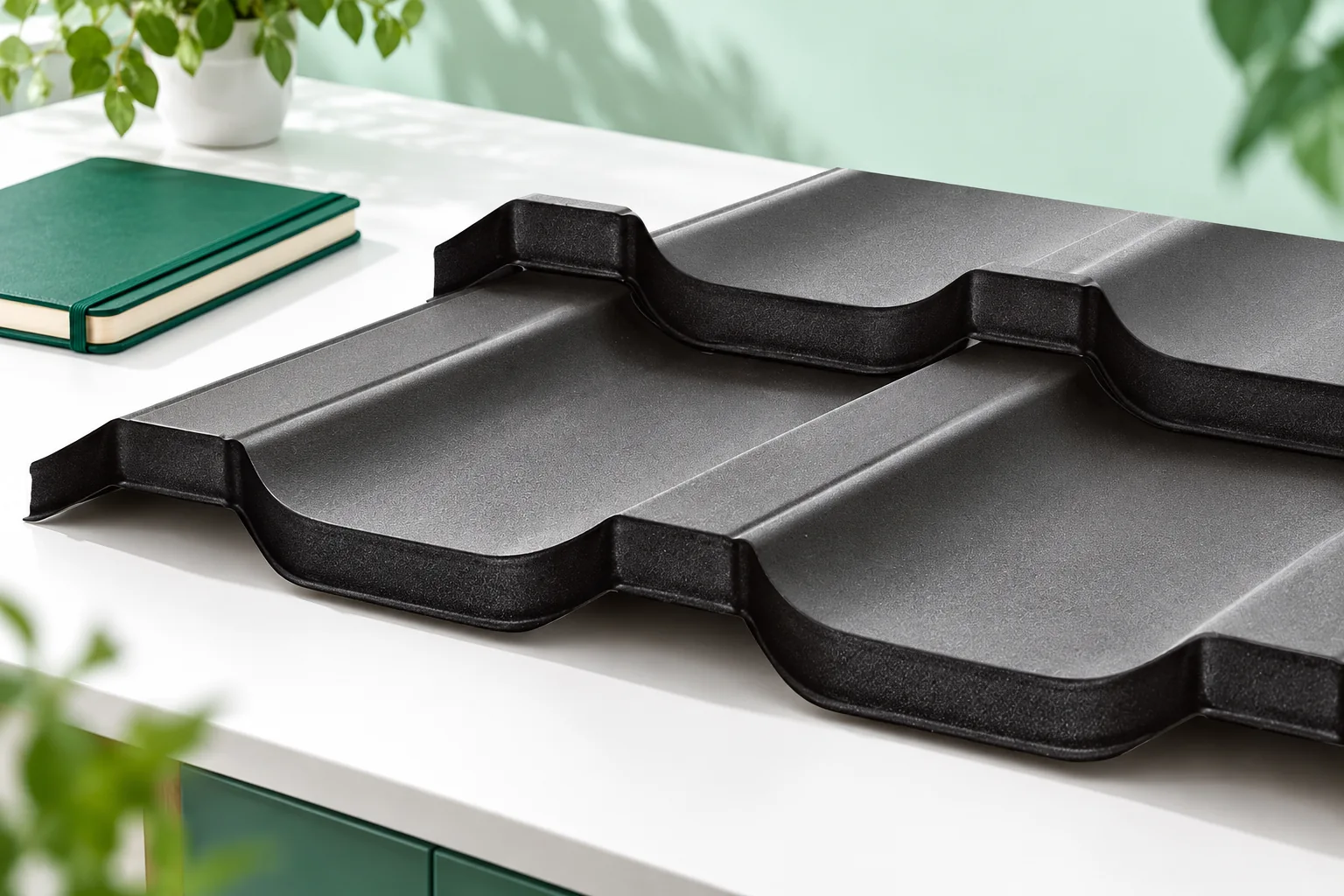
Choosing a roofing contractor: how to assess the quotation
Start by putting the offers into a single table, because comparing prices per metre alone usually says nothing about the scope of work. Establish who is responsible for measurements and for accepting details that will disappear under the covering, and ask for a quote based on the same materials and accessories. For a renovation, add attic photos and information about leaks — an estimate from the elevation alone is preliminary. Choose a team that knows the given system, not merely one experienced in laying roof tiles.