

Building basics
Sandwich-panel.pl explains the basics of choosing sandwich panels, PIR insulation boards and metal roofing. Learn how the core differs from the facings, what the thickness describes and how the sheet dimensions relate to the effective cover area. The guides are intended for people planning a garage, industrial building, workshop or farm building. They explain which details to collect before ordering, how to identify accessories and what to inspect when the goods arrive. Use the articles to compare materials and prepare the questions that need to be resolved for your project.
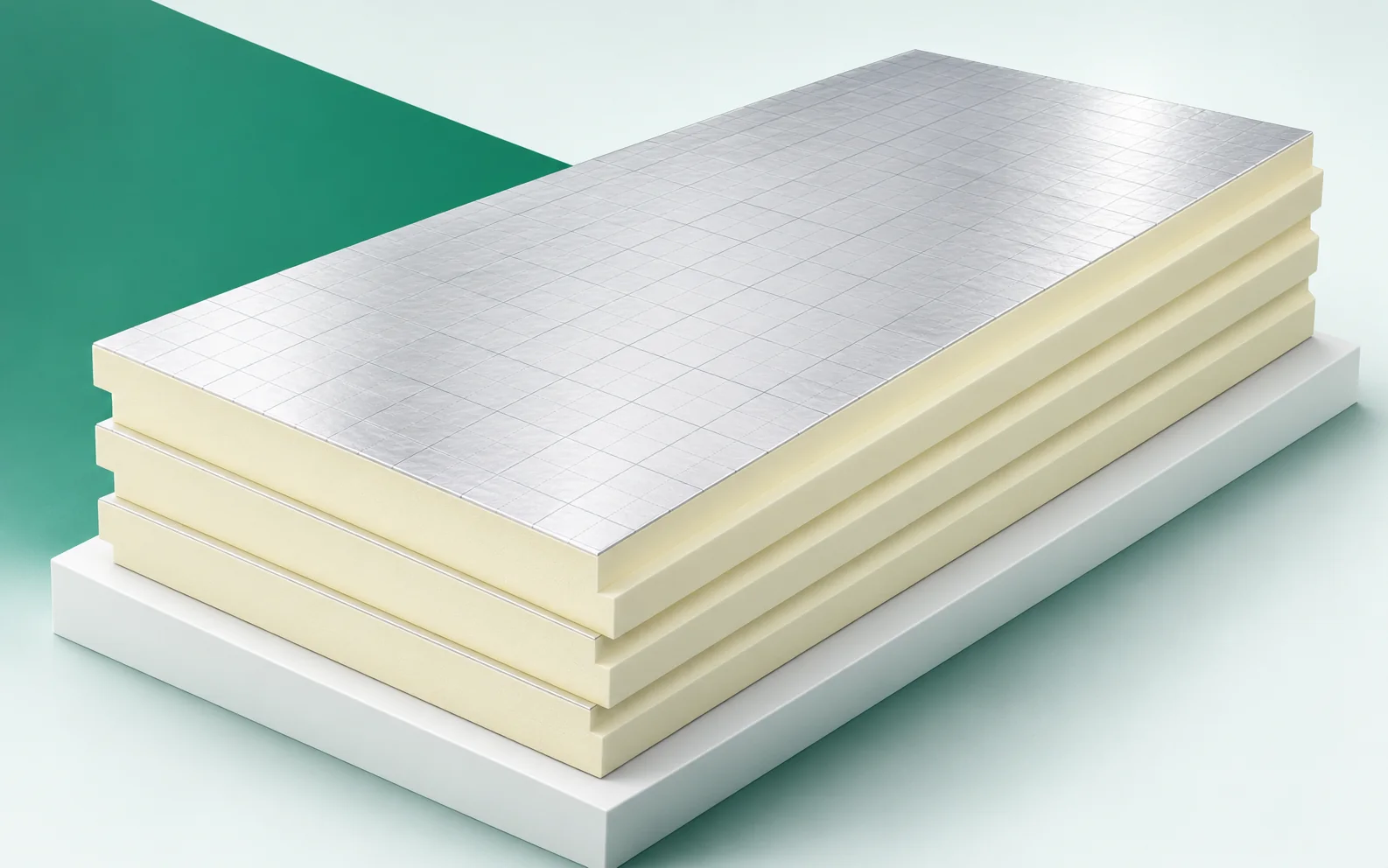
Checking a PIR quotation against the complete insulation system
Buying insulation can easily be reduced to the thickness and price of the board. In practice, however, correct performance is also determined by the materials at the interfaces between layers. A comparison with the complete assembly makes it possible to check whether the offer includes fixing, airtightness and the correct terminations. PIR boards may look similar yet have different facings, strength and intended use. Before purchase, a current technical data sheet, a declaration of performance and installation instructions are needed. A variant with a different facing may require a different adhesive. A substitute should be assessed together with the joint that will be made on its surface. The bill of materials should indicate the place of each variant in the assembly.
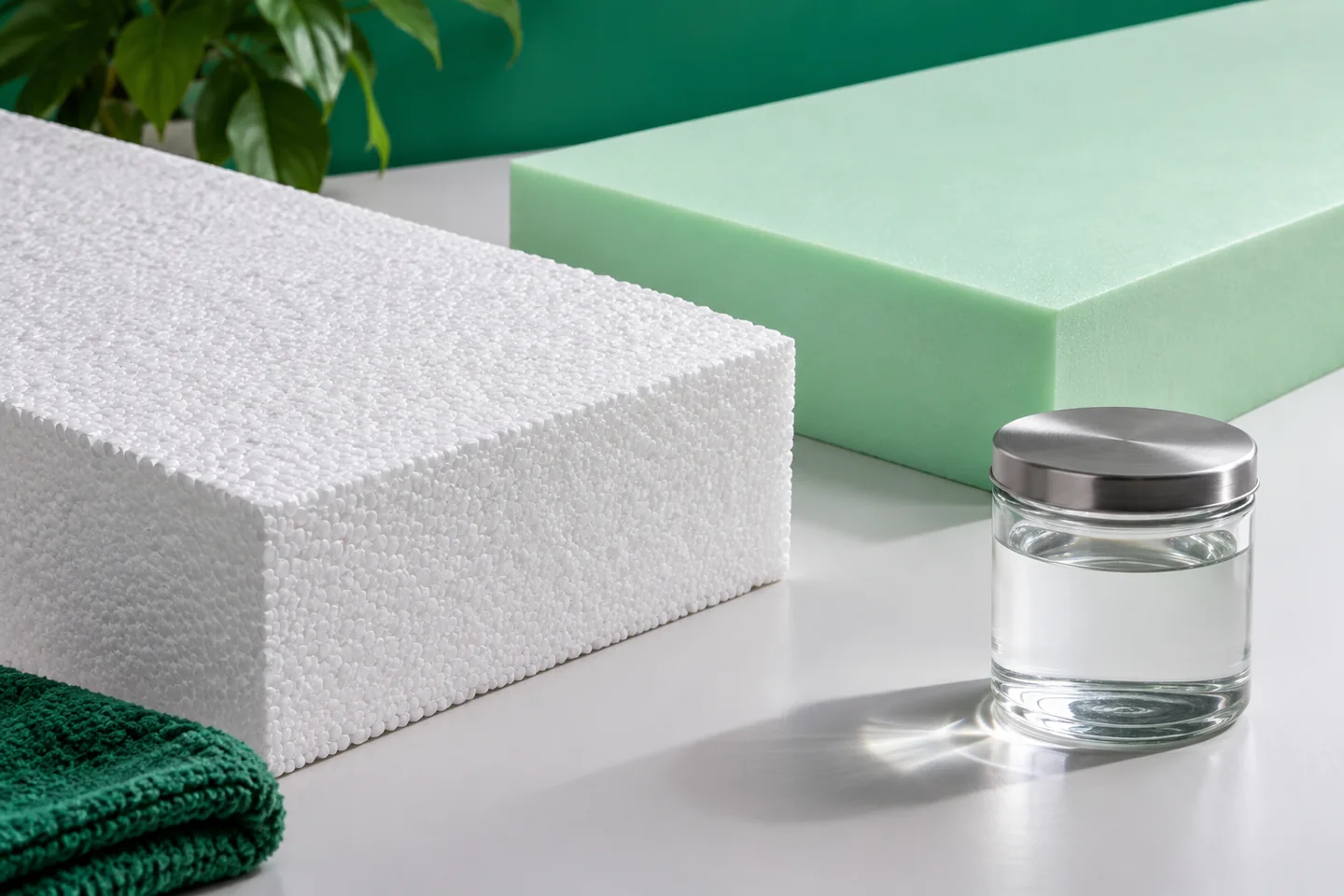
Is standard EPS suitable for an inverted roof?
An ordinary EPS board described as suitable for roof and floor is not automatically suitable for an inverted roof. In such an arrangement the insulation lies above the waterproofing and may come into contact with water. A specific product intended for these conditions is required. However, this does not mean that every type of EPS is ruled out from the outset. In an inverted roof the waterproofing lies below the thermal insulation layer. The insulation and the subsequent layers protect it from some external influences. At the same time, the thermal insulation material is closer to rainwater. Rain can reach the spaces between the boards and the surface of the water-protection layer, depending on the system solution. These are different conditions from those beneath a sealed covering in a traditional roof.
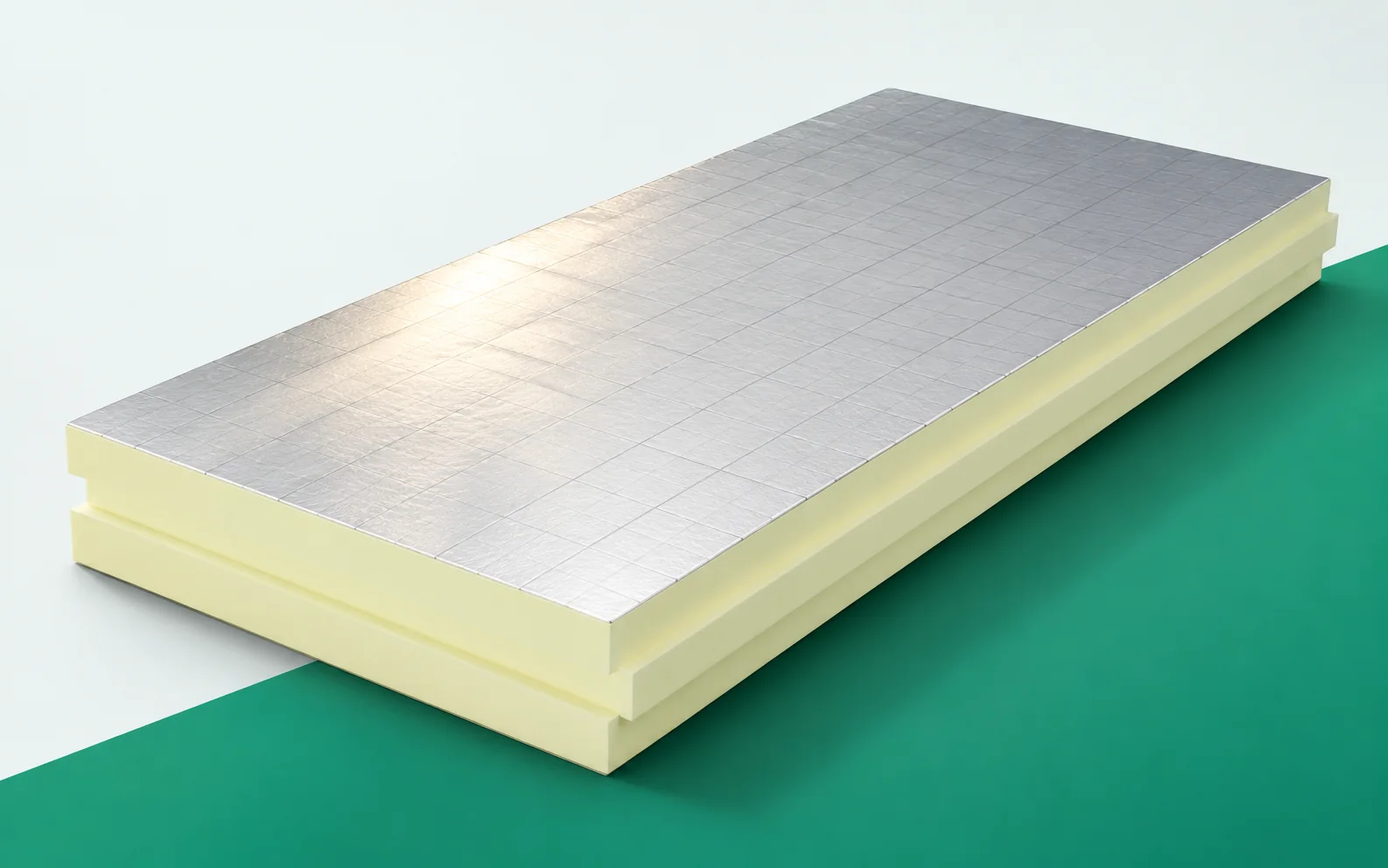
Combining PIR with cellulose or wood fibre: assessing the complete roof
More than one type of insulation can be used in a roof. PIR boards form a rigid layer, while cellulose or wood fibre can fill the designed spaces. Such a combination requires a deliberate choice of thermal layers, airtightness and the ability of the structure to dry out. Cellulose can be blown into prepared spaces. The layer above the structure and the infill between the rafters perform their task in different places. Their comparison should take into account the entire cross-section and the method of support. It is worth first identifying the layer that is to reduce the influence of the structural elements. Continuous PIR above the frame can perform a different task from a fibrous infill of the bays.
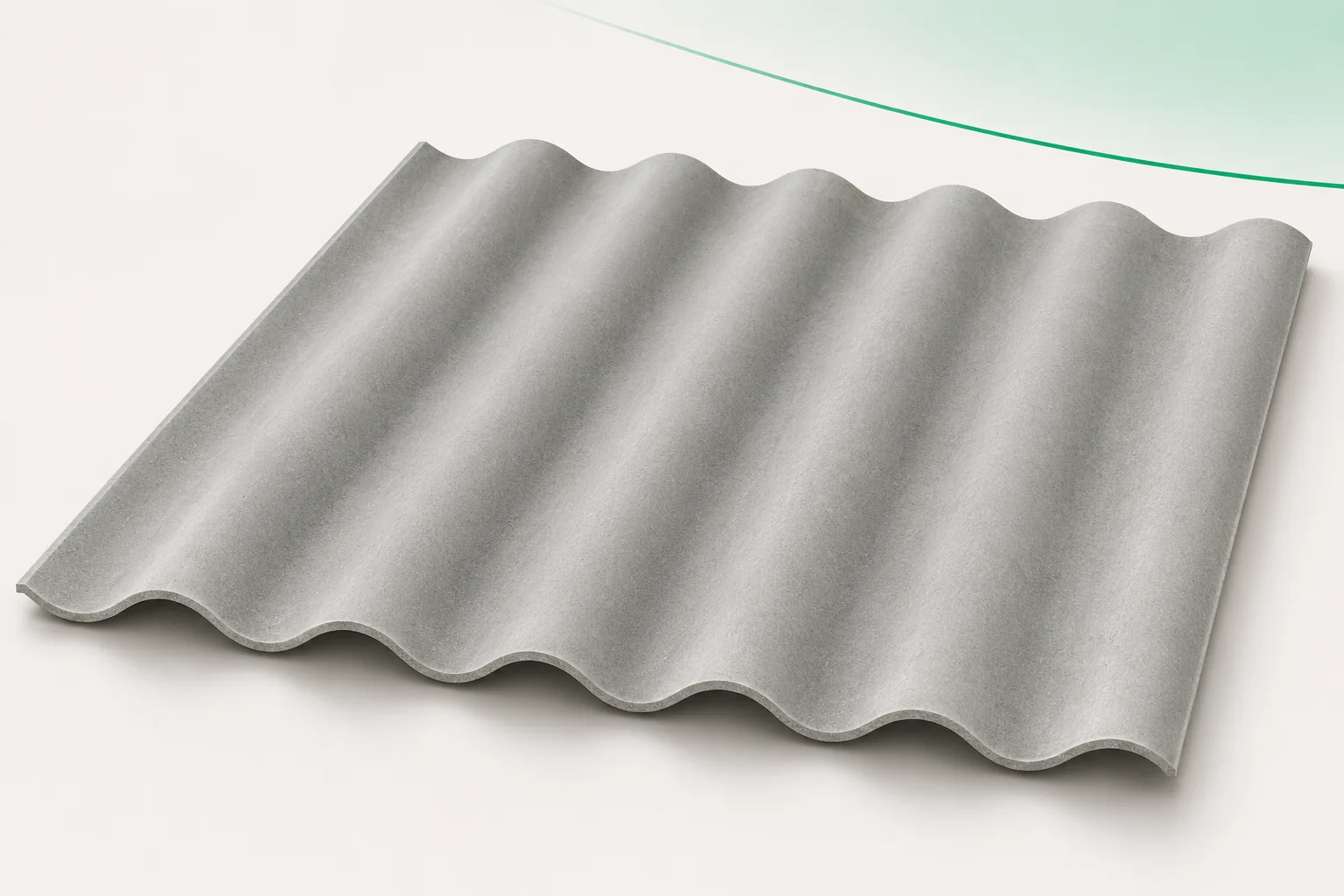
A fibre cement roof over a grain store: its role in storage quality
The grain store covering should limit water ingress and allow the condition of the building to be monitored. Fibre cement sheets can be used in such a facility, but they do not replace the principles of grain storage. Asbestos-free fibre cement must be assessed together with ventilation, insulation and the organisation of loading and store operations. A dry roof surface is important, but it does not determine the conditions of the entire store. Moisture can come from the substrate, the walls and the grain itself when it is received. Temperature differences also matter. Therefore, when storage problems occur, it is not worth automatically blaming the covering alone. Before renovation, it is necessary to establish where and when dampness appears. Observations during rainfall and after cool nights help.
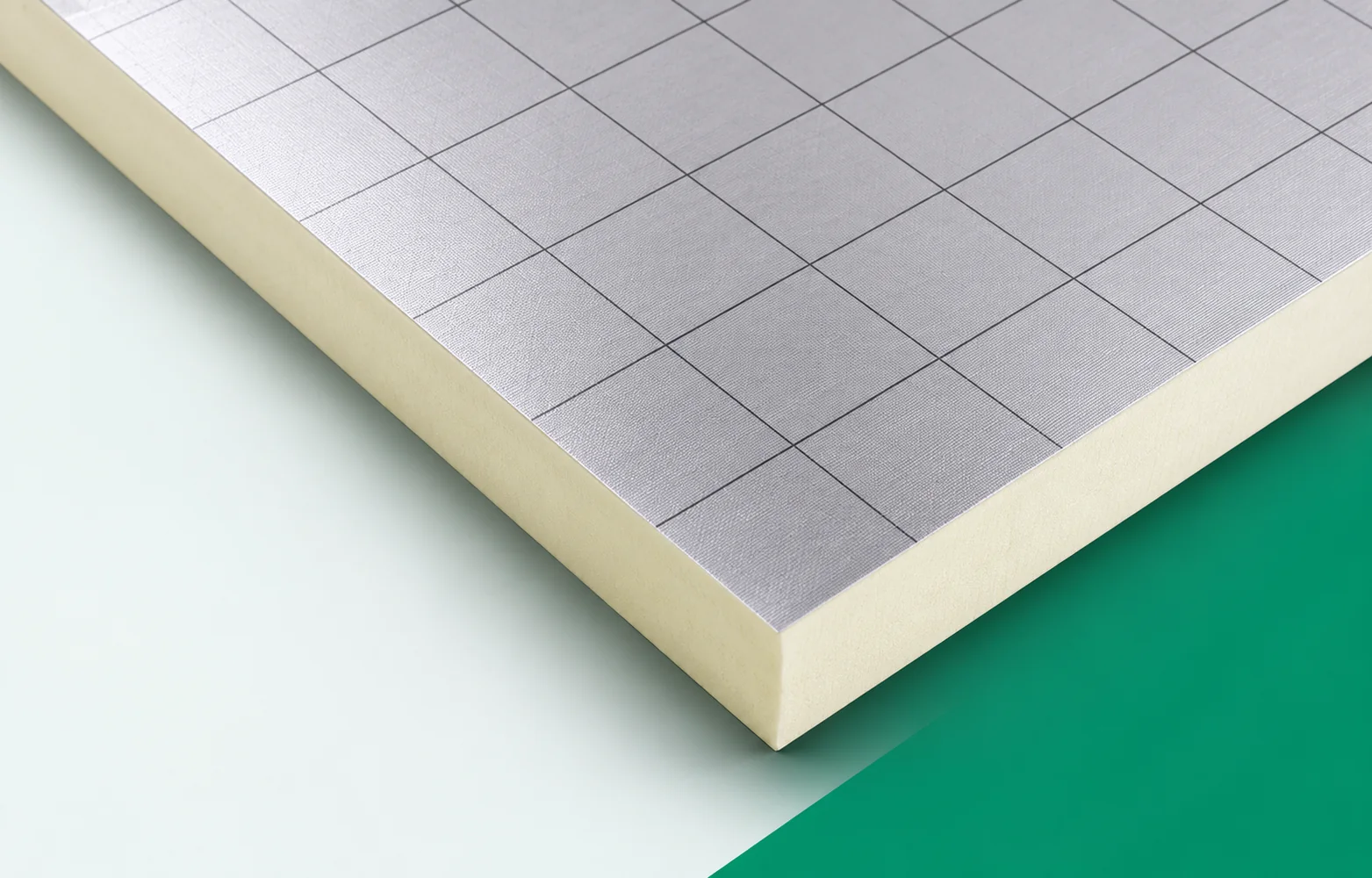
Recticel Eurothane Silver in a conventional warm roof: choosing the complete build-up
In a classic roof, the thermal insulation lies beneath the layer that protects against water. Eurothane Silver is intended for suitably selected roof systems. The specific method of fixing and the compatibility of the covering must be specified, rather than assuming that every combination is universal. Recticel Eurothane Silver is a PIR board with a multi-layer gas-tight foil on both sides and a printed grid. The current data sheet designates it for flat roofs in a classic assembly. When selecting PIR boards for an assembly, draw the classic flat roof for which mechanical fixing, bonding or ballast is being considered, in its actual cross-section. Eurothane Silver must be assigned to a specific mechanically fixed, bonded or ballasted assembly, because the other layers must match the same solution.
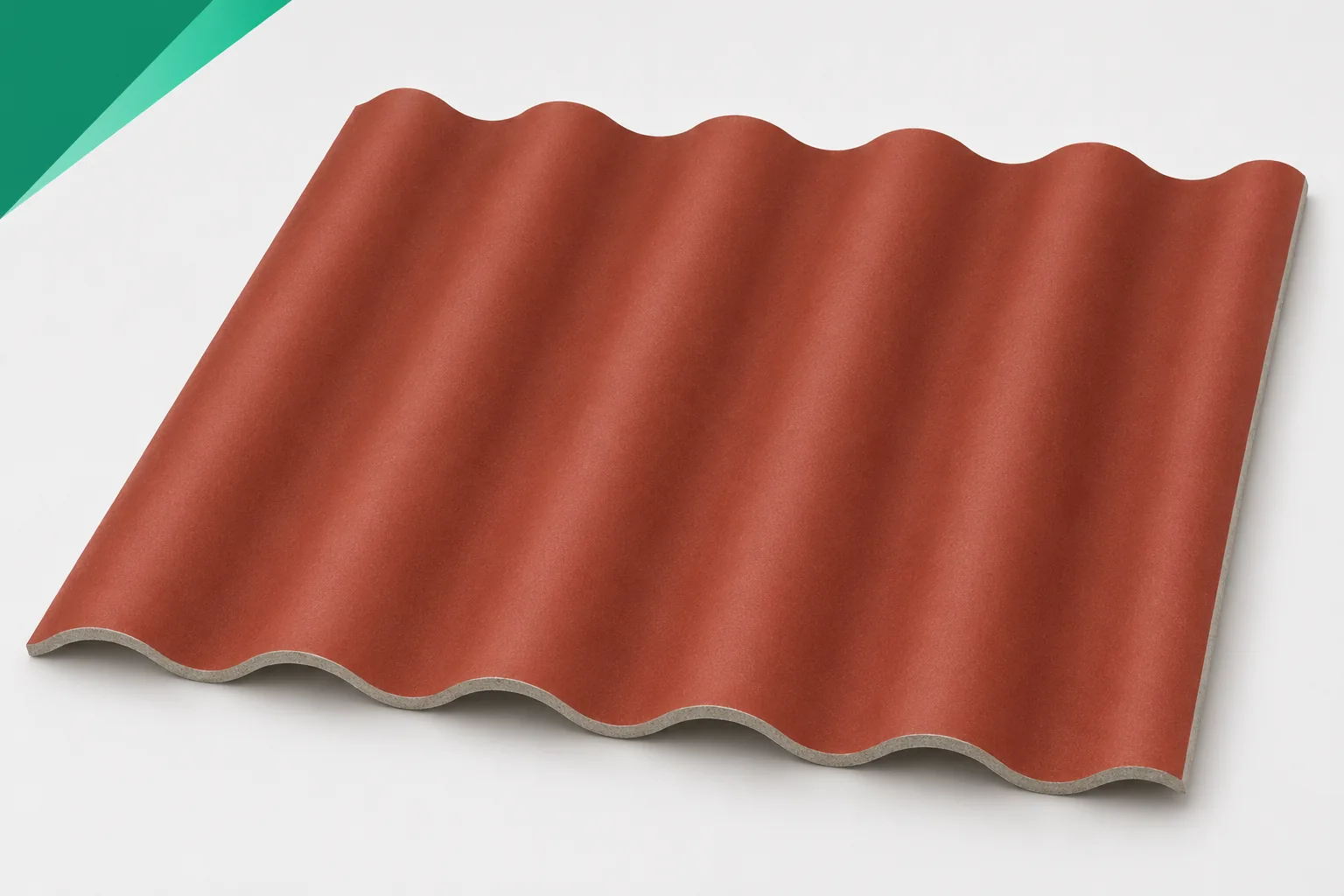
Fibre cement roofing for cattle housing: moisture, ventilation and durability
In a cattle shed, the roof works above a space where moisture is constantly generated. Fibre cement sheets can be a good covering for such a building, but their advantages only become apparent in a correct arrangement. Asbestos-free fibre cement must be considered together with ventilation, structure and the way the cattle shed is used day to day. Conditions in a cattle shed depend on the number of animals, bedding, washing and air exchange. A building with large openings in the walls has different needs from a tightly closed room. An assessment of a new roof should begin by checking where moist air currently leaves the interior. It is not worth treating marks on the old covering as proof that every leak comes from loose sheets.