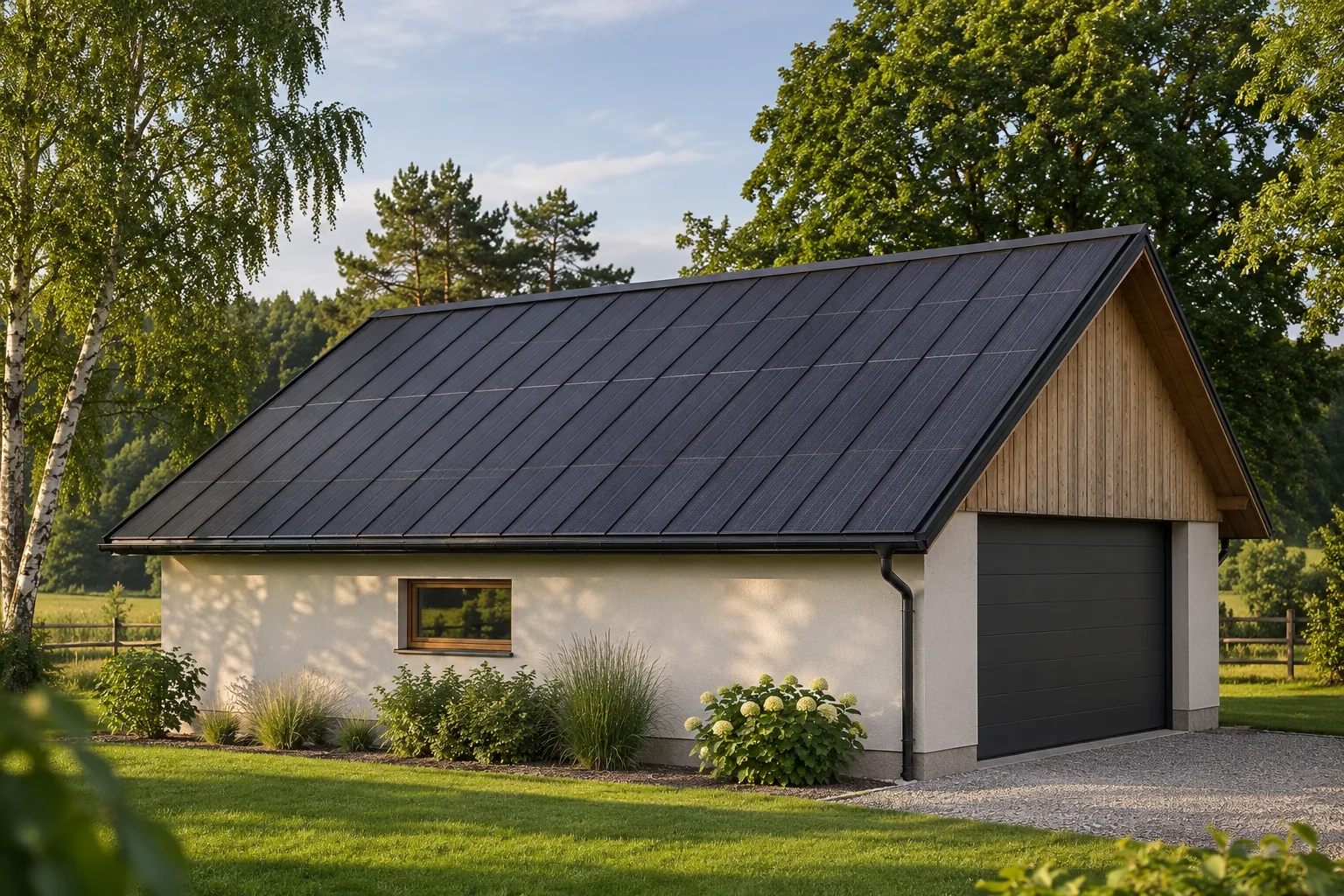
Does a photovoltaic roof make sense for a seasonally used building?

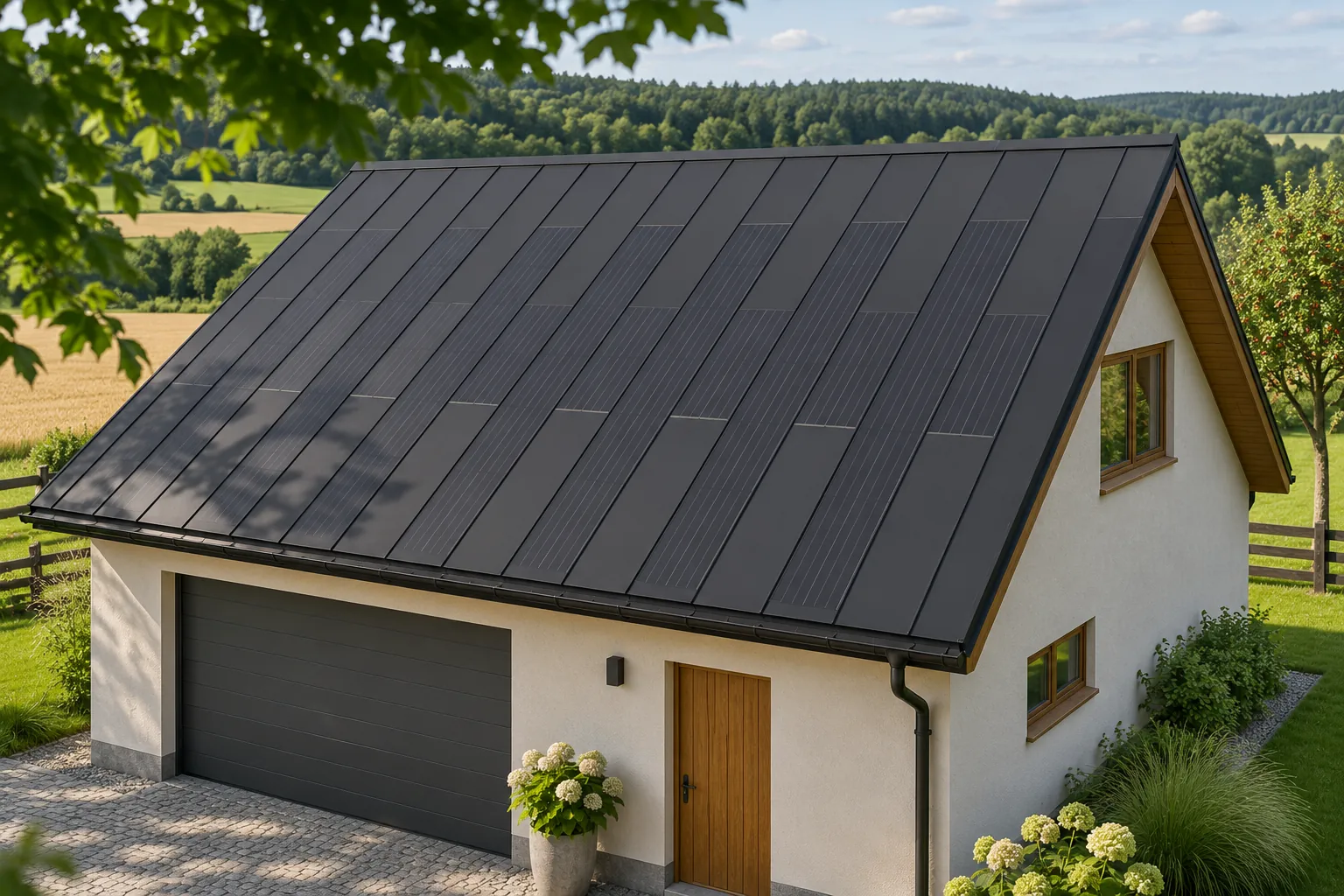
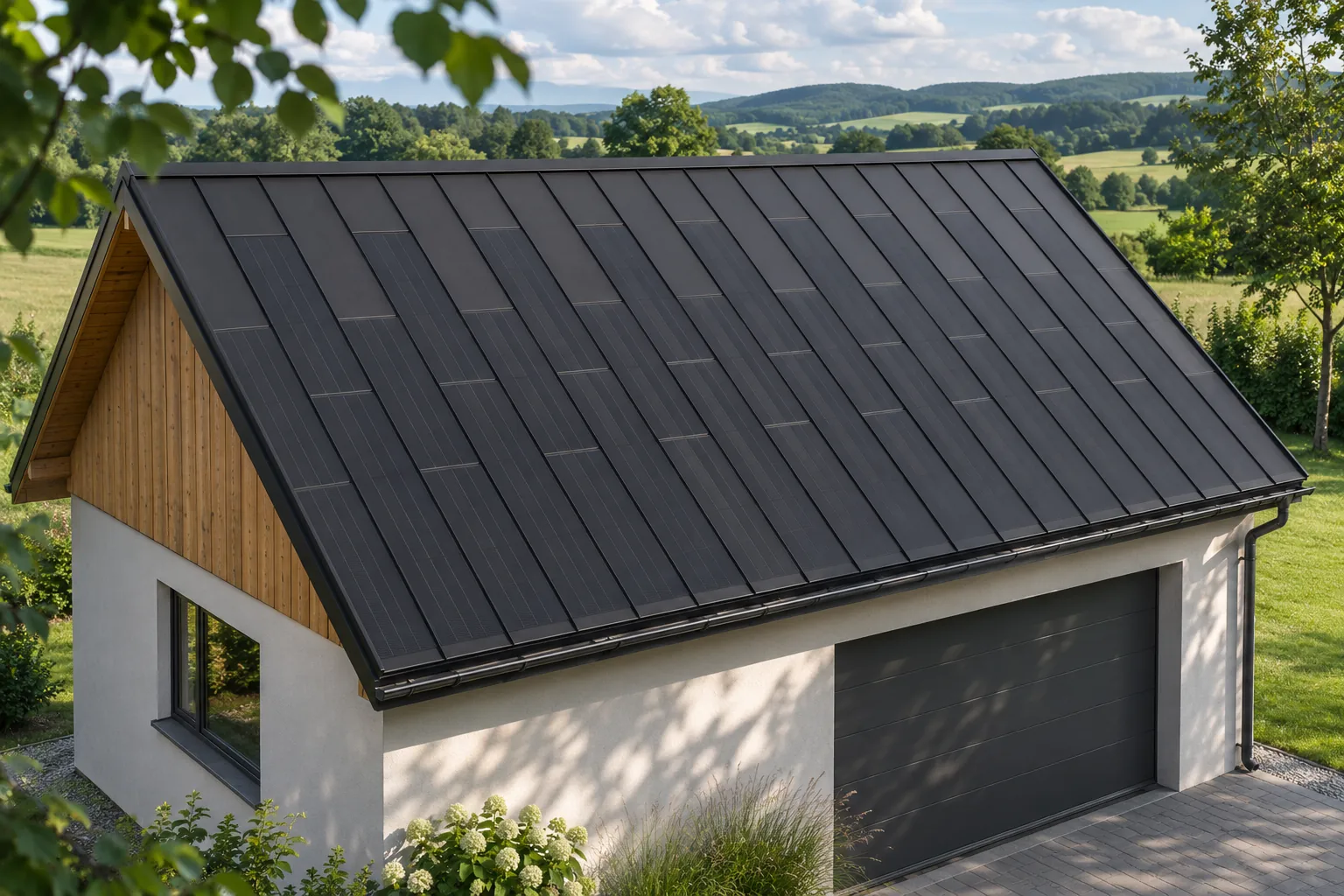
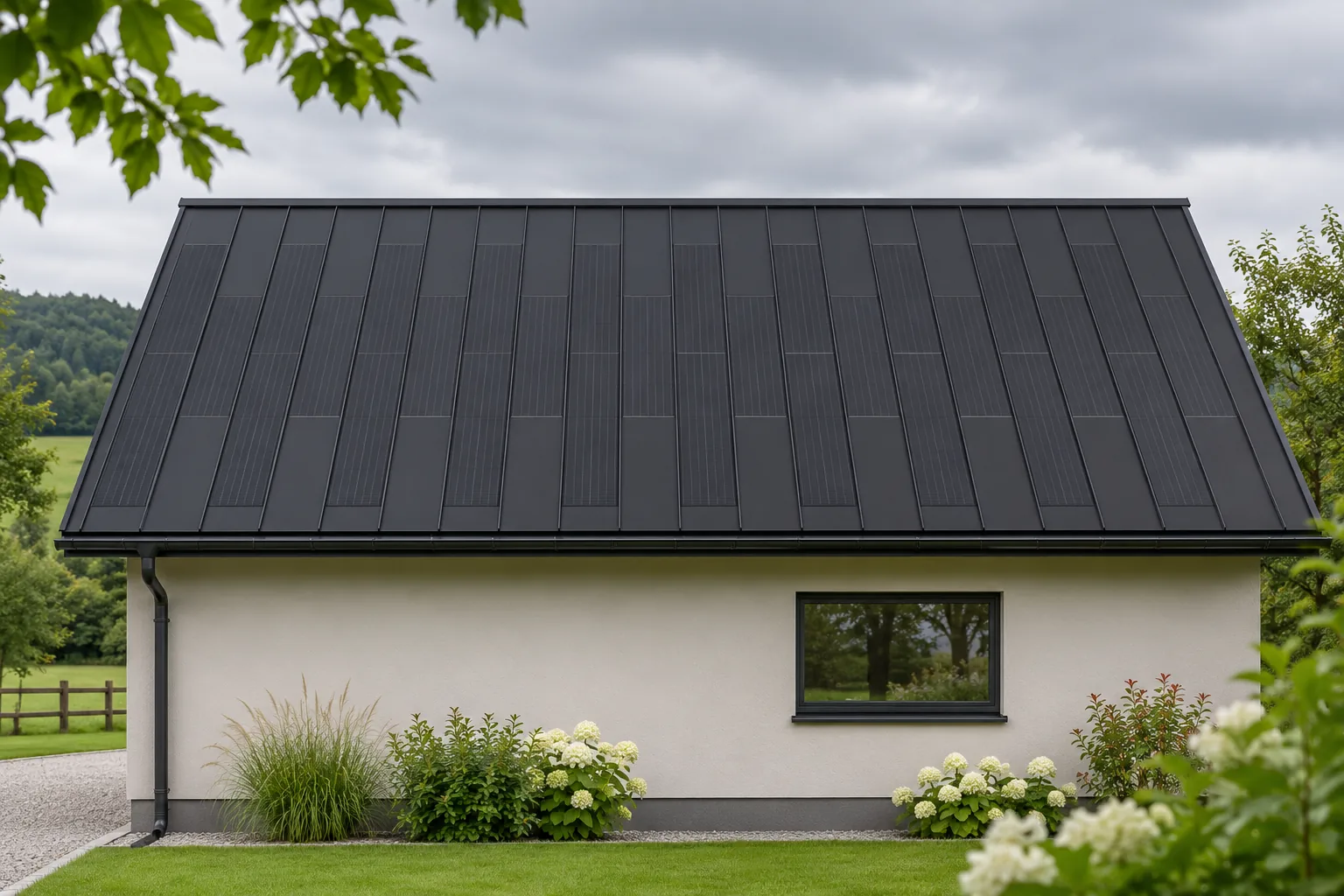
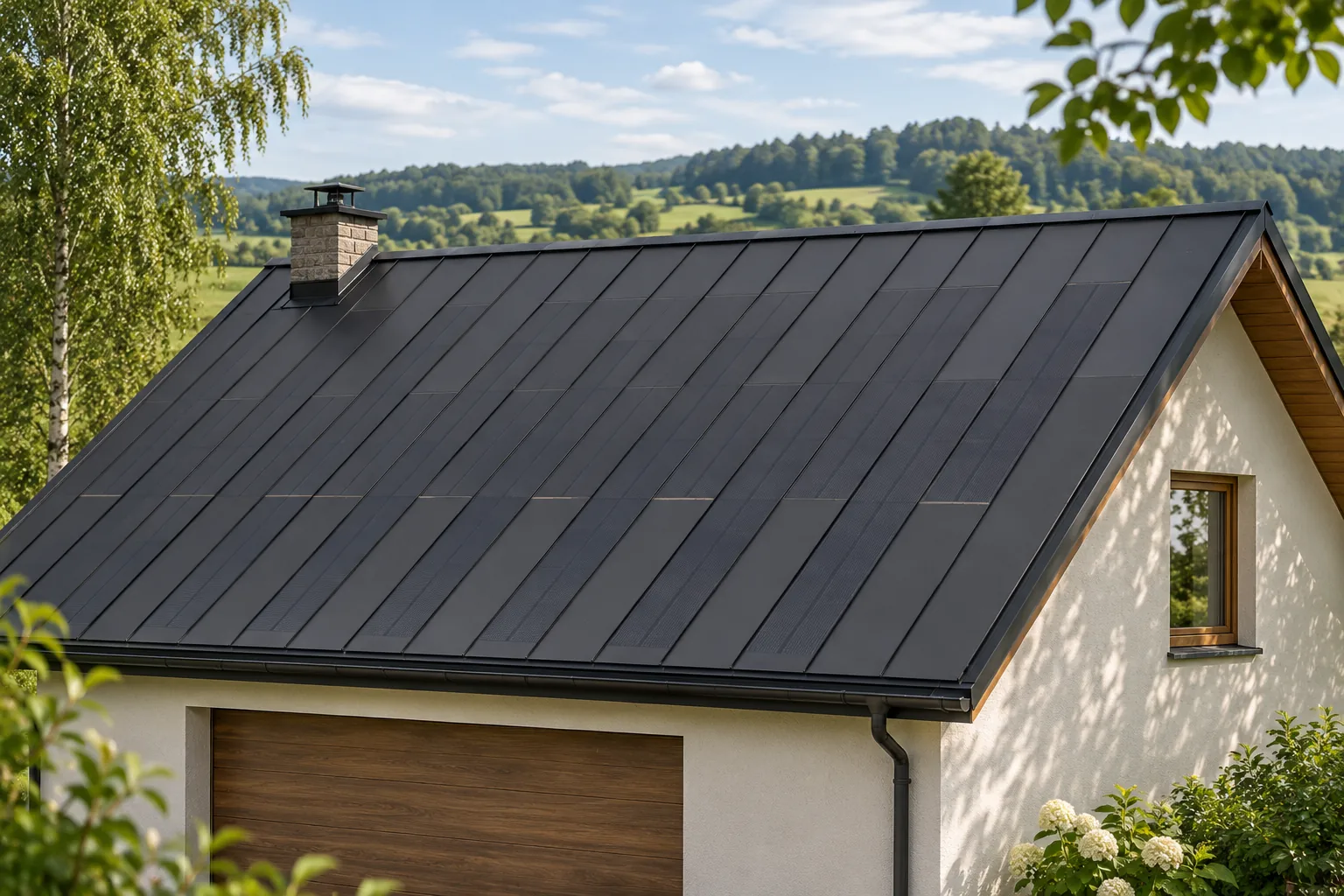
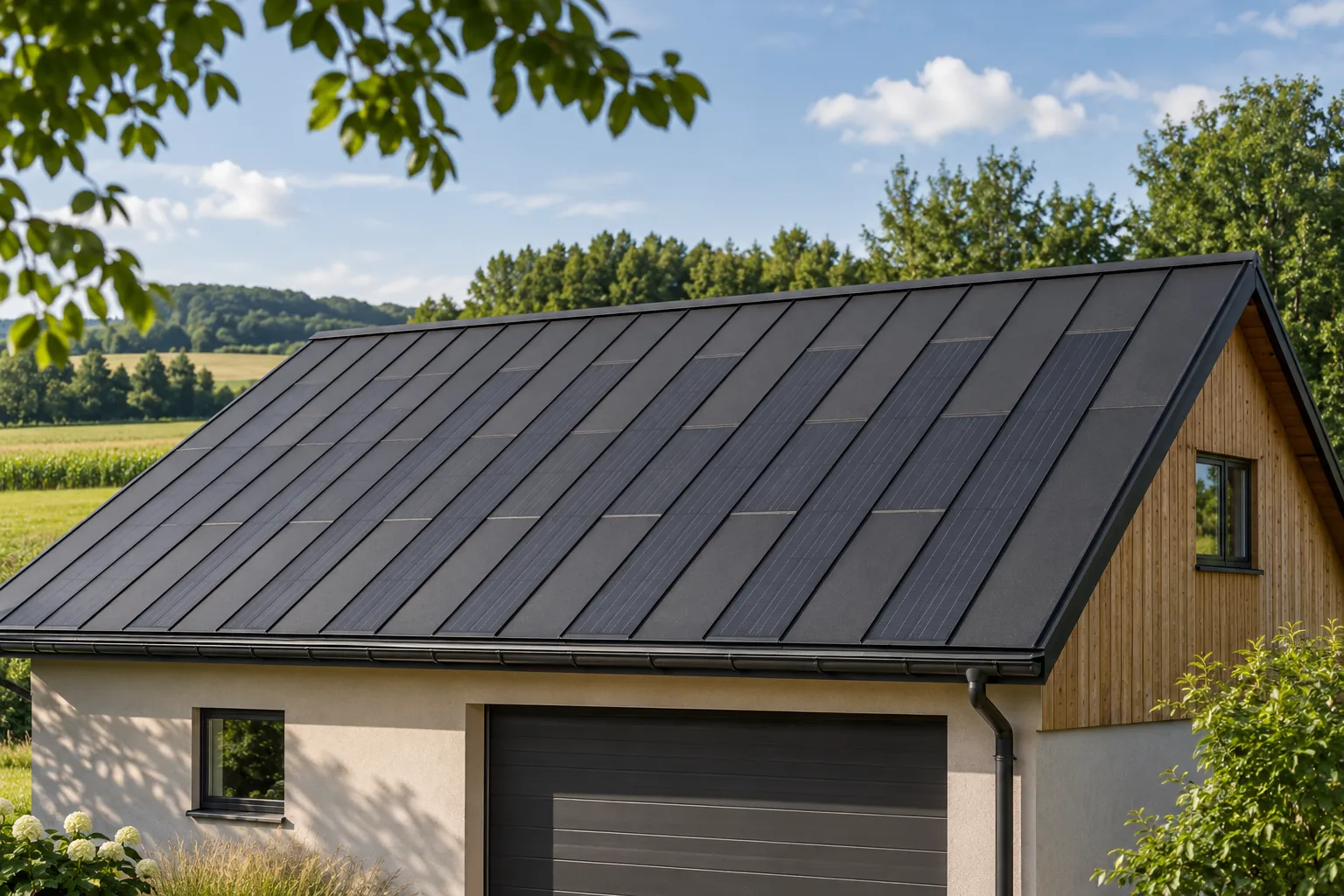
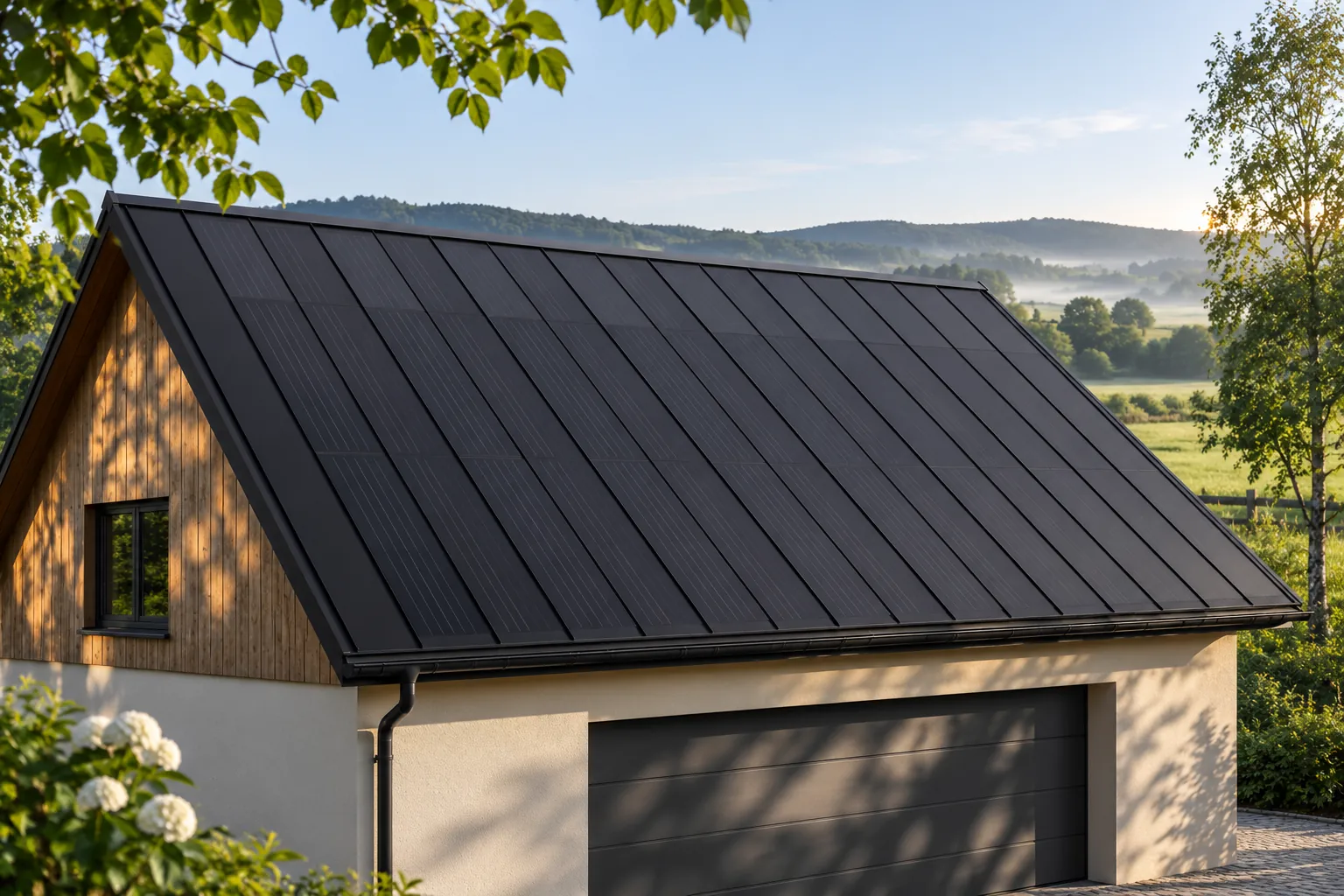
A building used for only part of the year can have a photovoltaic roof, but it requires a careful comparison of production and consumption. A summer house, a seasonal warehouse and a farm outbuilding have different needs. An integrated covering provides an aesthetic roof without a separate panel structure, particularly in new construction or when replacing the roof covering. Whether the investment makes sense also depends on what happens to the energy and to the building itself outside the season. In one property this means regular operation for several months. In another, only weekend visits or a short period of intensive storage. Such different situations should not lead to an identical choice of installation. It is worth describing a typical week in the season and the periods when the building remains empty.
By |2026-11-15T18:28:13+01:002024-09-10|Construction basics|Comments Off on Does a photovoltaic roof make sense for a seasonally used building?

Is a photovoltaic roof suitable for a crop storage building?

A photovoltaic roof over a crop storage facility can combine protection of the building with energy production. However, it should not be chosen on the basis of available roof area alone. Humidity, ventilation and the seasonal operation of equipment all affect the requirements for the entire facility. An integrated steel roof covering is an interesting option for new construction or a thorough roof renovation. It must suit the roof pitch, the structure and the conditions inside. A storage facility must maintain conditions suitable for the stored product. The roof protects against water, but its role does not end with a weathertight surface. Limiting heat loss, water vapour flow and interaction with ventilation also matter. The scope of requirements depends on the type of crops and on how the facility is operated.

By |2026-11-15T18:27:31+01:002024-08-18|Construction basics|Comments Off on Is a photovoltaic roof suitable for a crop storage building?

Assessing a barn roof before replacing it with photovoltaic roofing

A barn may offer an attractive area for a photovoltaic roof, but the building itself must be assessed first. Old timber, uneven supports and leaky flashings do not become safe simply by replacing the covering. An integrated system is worth considering as part of renovating the entire roof slope. It then allows the roof to be put in order while also producing energy, provided the structure and the way the building is used suit its requirements. The first step is to establish the condition of the structure. Check for damp, signs of biological corrosion of the timber, deformation and connections. The points where it bears on the walls are also important. The roof may look level from the yard yet have weakened beam ends or makeshift repairs hidden under the old covering.

By |2026-11-15T18:27:30+01:002024-07-14|Construction basics|Comments Off on Assessing a barn roof before replacing it with photovoltaic roofing

When does a solar roof work well with a farm cold store?

A cold store can consume a lot of energy during sunny weather, which favours making use of the PV roof's output. This does not, however, mean that the load fully matches the operation of the cells. Refrigeration equipment also runs at night, and storage requirements are constant. An integrated roof is therefore worth considering as part of a larger plan for the facility. It allows a new covering to be combined with an on-site energy source, without separate panels above the roof slope. On warm days the cooling demand can be high. In the same period the roof can produce a considerable amount of energy. This is a favourable starting point for analysing self-consumption, that is, using the electricity on site. The assessment must, however, be based on measurements or a reliable operating plan, and not on the mere association of summer with sunshine.

By |2026-11-15T18:27:33+01:002024-05-31|Construction basics|Comments Off on When does a solar roof work well with a farm cold store?

Planning drainage for an integrated photovoltaic roof

An energy-generating roof must still drain water efficiently. The cells do not change the fundamental importance of the slope, flashings and gutters. In an integrated steel system, the entire roof slope should be designed as a single assembly comprising both active and passive elements. This makes it easier to organise the surface. However, it requires careful detailing at the eaves, ridge, valleys and every point where water changes direction of flow. Water flows down the roof according to its geometry, regardless of the arrangement of the cells. It must pass safely through the joints and reach the gutters or other designated outlets. It cannot be assumed that the active field alone ensures the watertightness of the entire roof slope.

By |2026-11-15T18:27:53+01:002024-03-22|Construction basics|Comments Off on Planning drainage for an integrated photovoltaic roof

Can photovoltaic roofing replace insulated sandwich roof panels?

A photovoltaic covering and an insulated roof panel perform different functions. The panel combines facings with an insulating core and behaves within a defined support arrangement. A steel BIPV panel can cover the roof and generate electricity at the same time, but it does not thereby become an insulated sandwich panel. Replacing one solution with the other requires the design of the entire building envelope. It is precisely this distinction that helps avoid errors when pricing a new roof. An insulated sandwich panel has a defined construction, thickness, core type and facings. Its parameters relate, among other things, to thermal insulation and to behaviour between supports in the intended arrangement. Selection covers span, loads and service conditions. This material cannot be reduced solely to the outer metal sheet visible on the roof.

By |2026-11-15T18:27:51+01:002024-02-02|Construction basics|Comments Off on Can photovoltaic roofing replace insulated sandwich roof panels?

Choosing a solar roof for dusty conditions

Dust and dirt can reduce the amount of light reaching the cells. This does not mean, however, that every roof needs frequent washing or that any cleaning is safe. Near fields, a workshop or an unpaved road, it is worth taking the surroundings into account when choosing the system. An integrated roof surface has an orderly form, but still needs checking in accordance with the instructions. Access and the method of care should be part of the plan. Road dust, deposits from agricultural work, leaves and contamination left by birds can land on the surface. Their quantity depends on the location and the season. The position of the roof surface in relation to trees and neighbouring structures is also important.

By |2026-11-15T18:28:06+01:002024-01-20|Construction basics|Comments Off on Choosing a solar roof for dusty conditions