Choosing a solar roof for dusty conditions

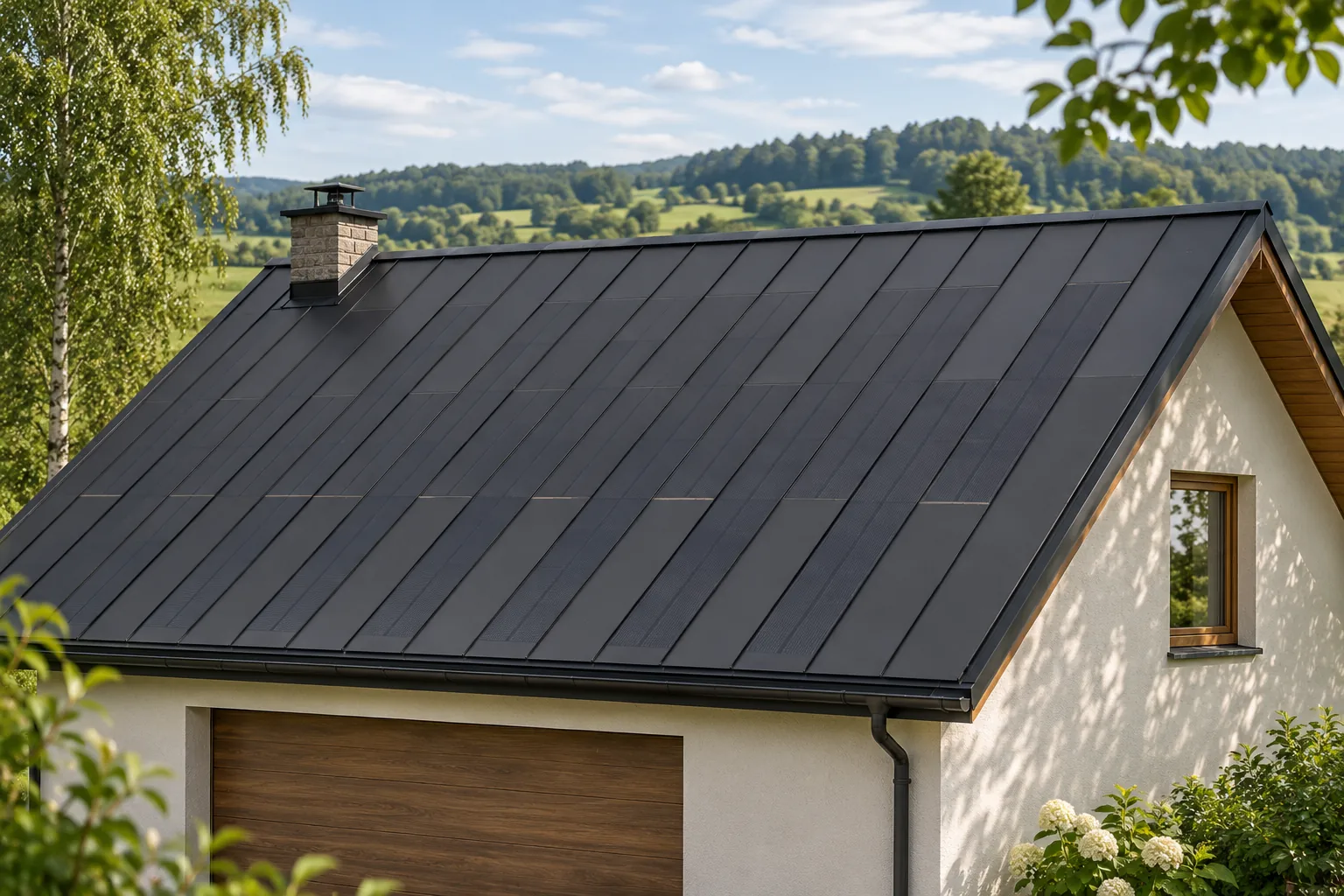
Dust and dirt can reduce the amount of light reaching the cells. This does not mean, however, that every roof needs frequent washing or that any cleaning is safe. Near fields, a workshop or an unpaved road, it is worth taking the surroundings into account when choosing the system. An integrated roof surface has an orderly form, but still needs checking in accordance with the instructions. Access and the method of care should be part of the plan. Road dust, deposits from agricultural work, leaves and contamination left by birds can land on the surface. Their quantity depends on the location and the season. The position of the roof surface in relation to trees and neighbouring structures is also important.
2026-11-15T18:28:06+01:00

How does roof pitch affect the choice of insulated roof panels?

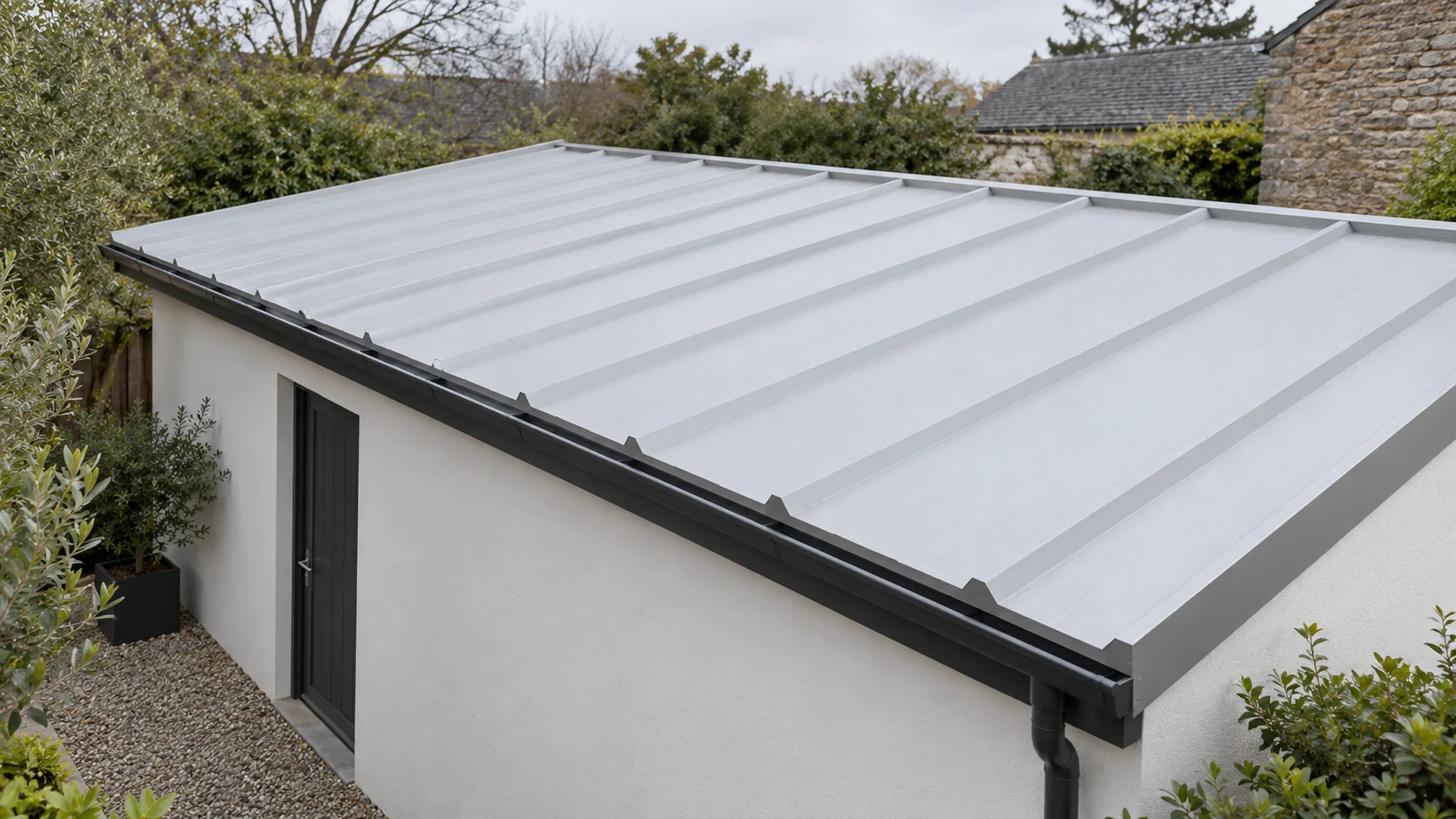
The term “flat roof” is sometimes used for several different solutions. A roof made of sandwich panels with a low pitch must still drain water across the profiled surface and the joints. It does not thereby become a flat roof with a continuous membrane. The permissible pitch is determined by the specific panel, the method of jointing and the geometry of the finished roof slope. In a panel roof, the outer steel skin together with the joints forms the covering. In another arrangement, the structure supports the insulation and a separate waterproof layer, for example a membrane. Both roofs may look almost flat from the street, but they handle drainage and weathertightness differently.

2026-11-14T16:27:43+01:00

What to consider when planning a hipped roof structure

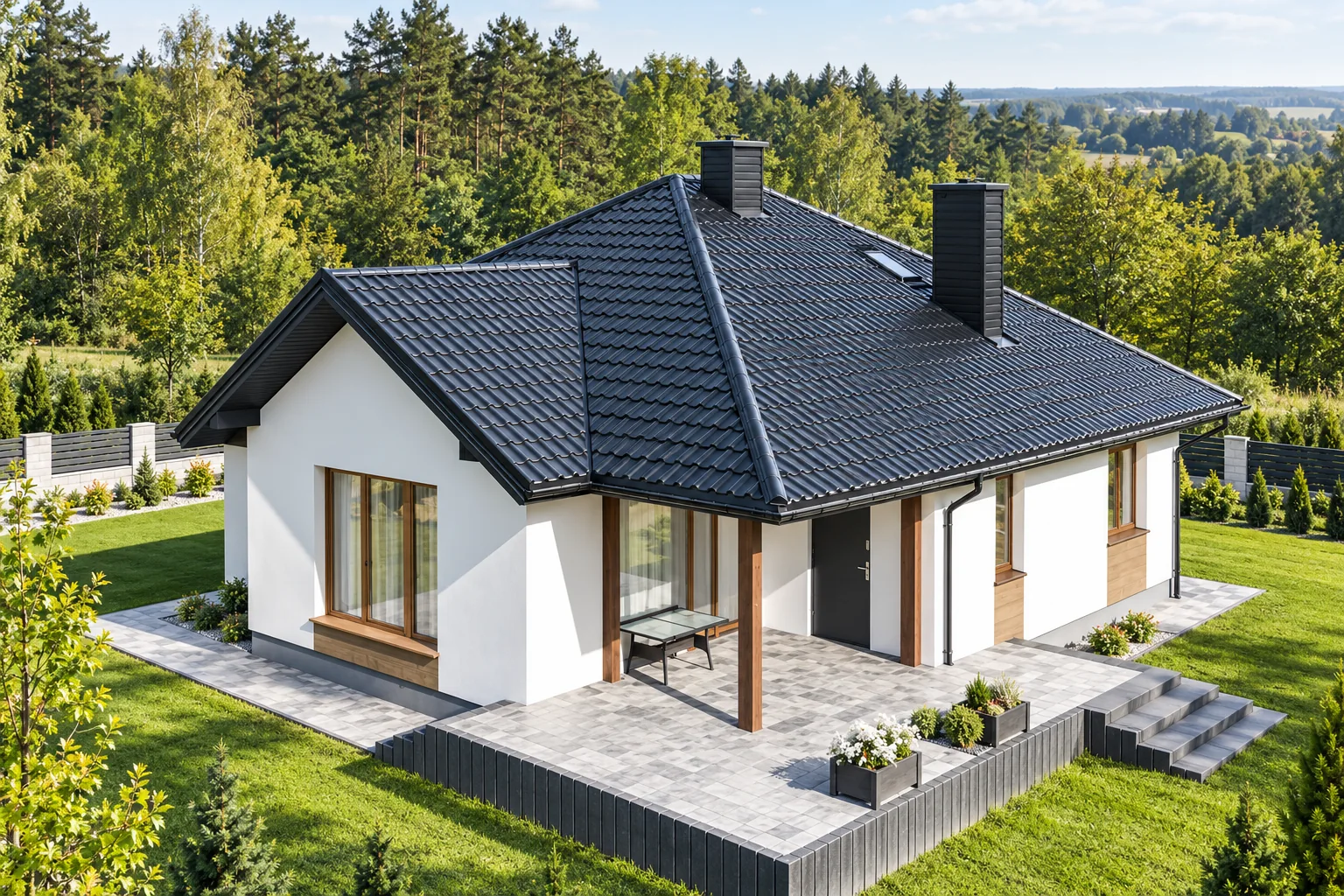
The key decision for a hipped roof is to agree the support layout with the attic needs early, before the truss design is produced. It is worth checking where the structure can safely transfer loads to walls, columns and the floor, and how room arrangement will affect the possible schemes. Corners and shorter rafters collect forces from a larger area, so their sections require calculation rather than copying from a gable roof. The planned covering material, openings and services must also be considered at this stage.

2026-11-14T23:26:53+01:00

Before repainting a metal roof: checking the coating, corrosion and surface condition

Before painting a metal roof, check whether the substrate will still do its job once prepared. Inspect the sheets, flashings and fixings, and look underneath the covering where you can reach. Perforation, deep corrosion or permanent deformation may mean an element needs replacing, since a new coating will not restore sheet thickness or correct a faulty lap. Identify the existing coating, assess corrosion and clean the surface. Fresh colour will not mend a leak or lost steel, so remove the causes of damage first and choose a compatible paint system. Weather and adhesion to the old surface affect how long the work lasts.

2026-11-14T23:28:47+01:00

Why a price per square metre tells only part of the cost of a metal tile roof

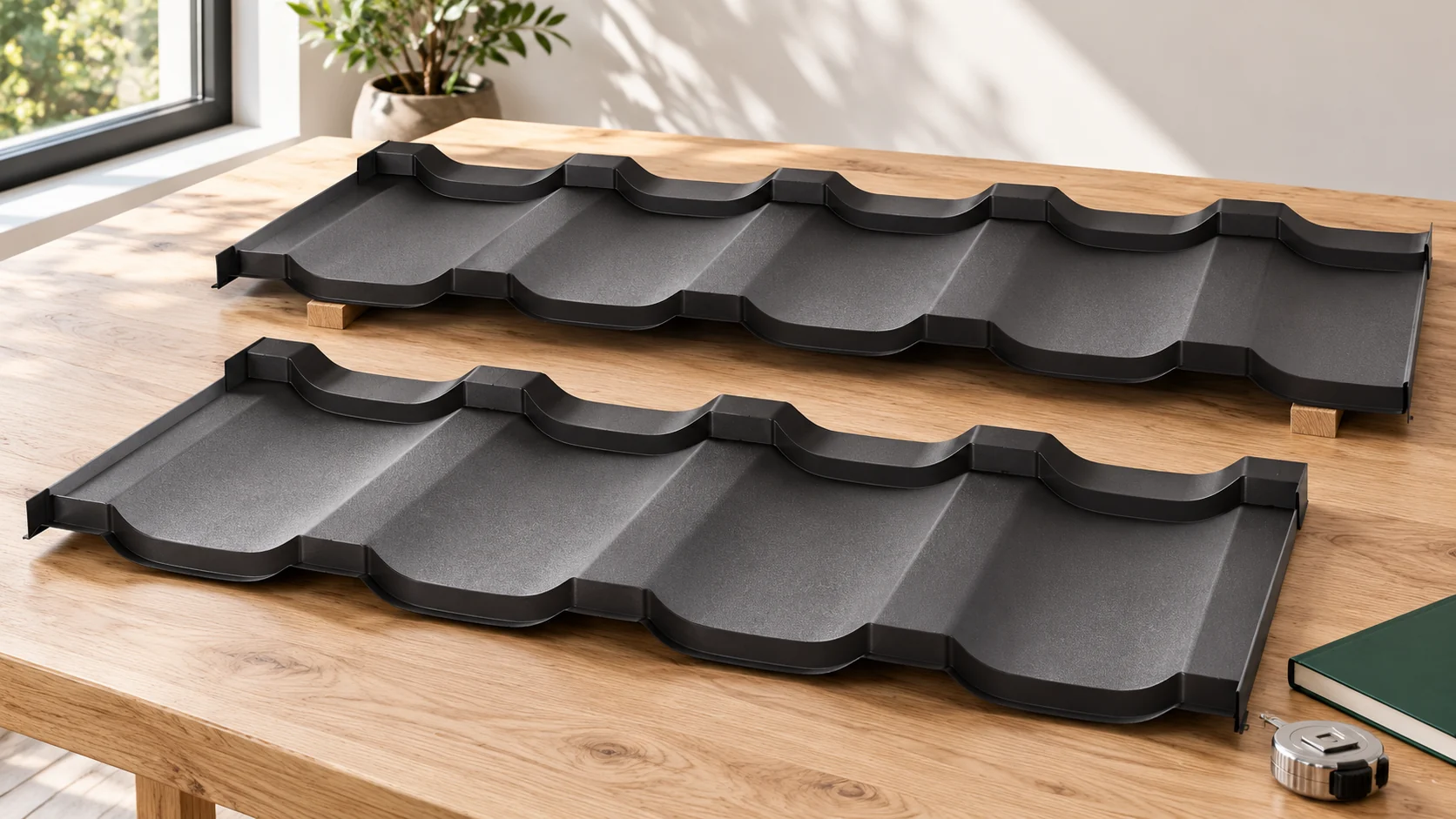
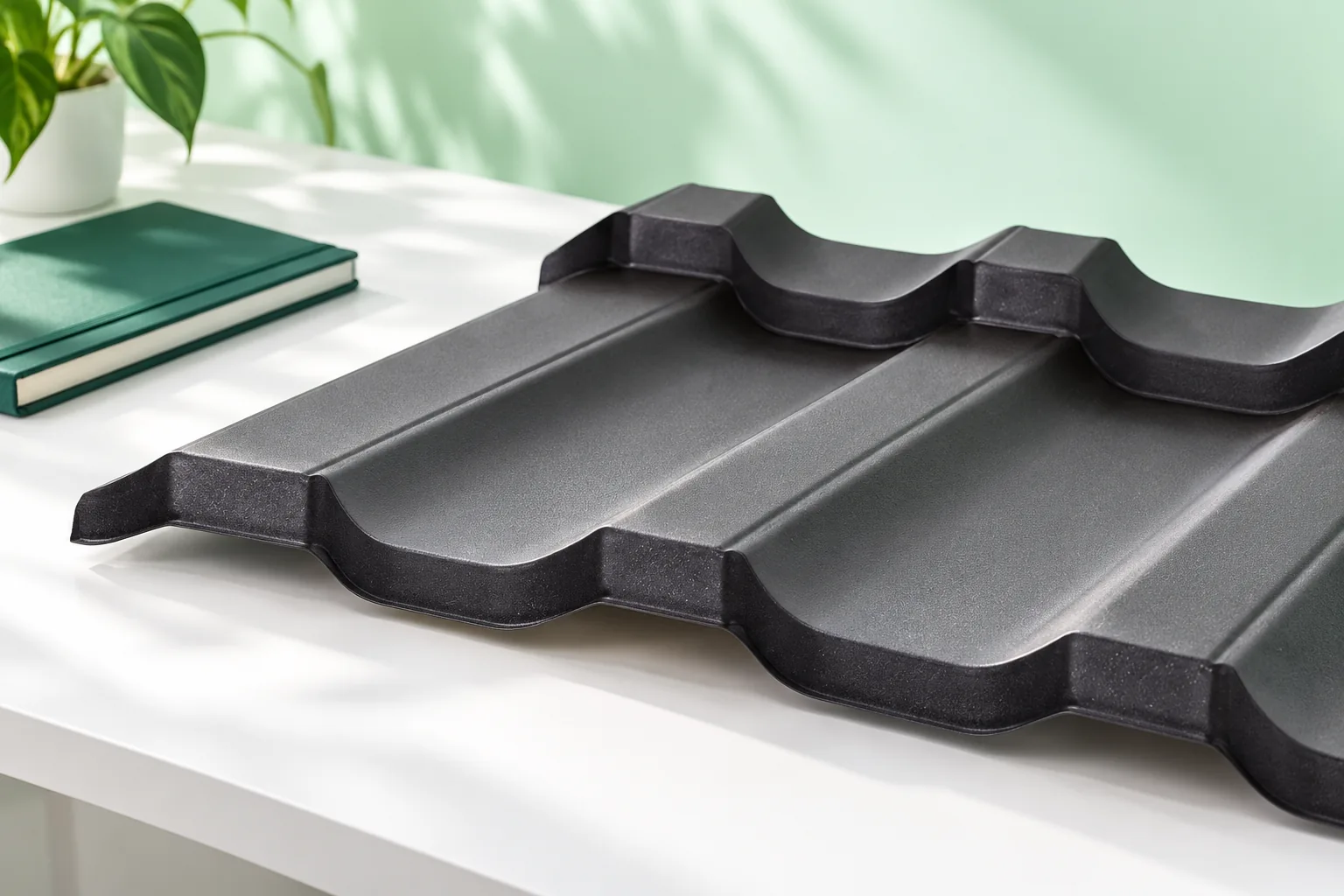
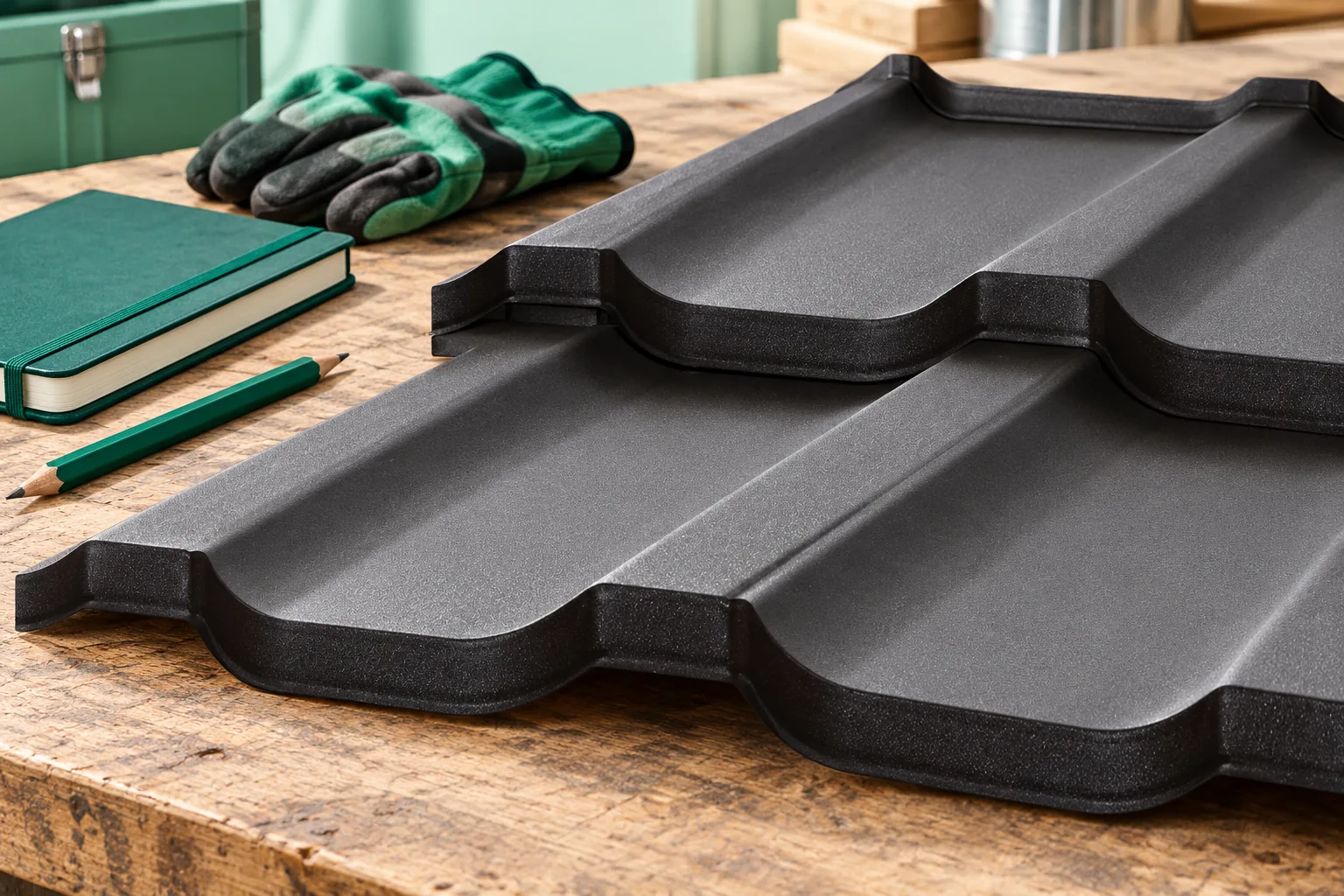
Two tile-effect metal roofing products can have a similar headline price in the quote, yet a different cost for covering the same roof slope. The reason may be the unit of sale, the number of modules required or the scope of extras. It is therefore worth starting by converting the price to usable surface area. Then check what is actually included in the stated amount. The price may relate to a full sheet metre or an effective covering metre. Part of the sheet is concealed in the laps. It does not create new roof surface, although it is still part of the material purchased. A lower rate per full metre is therefore not necessarily more favourable.

2026-11-14T10:14:55+01:00

What flashings are needed on a metal roof and how do you calculate their quantity?

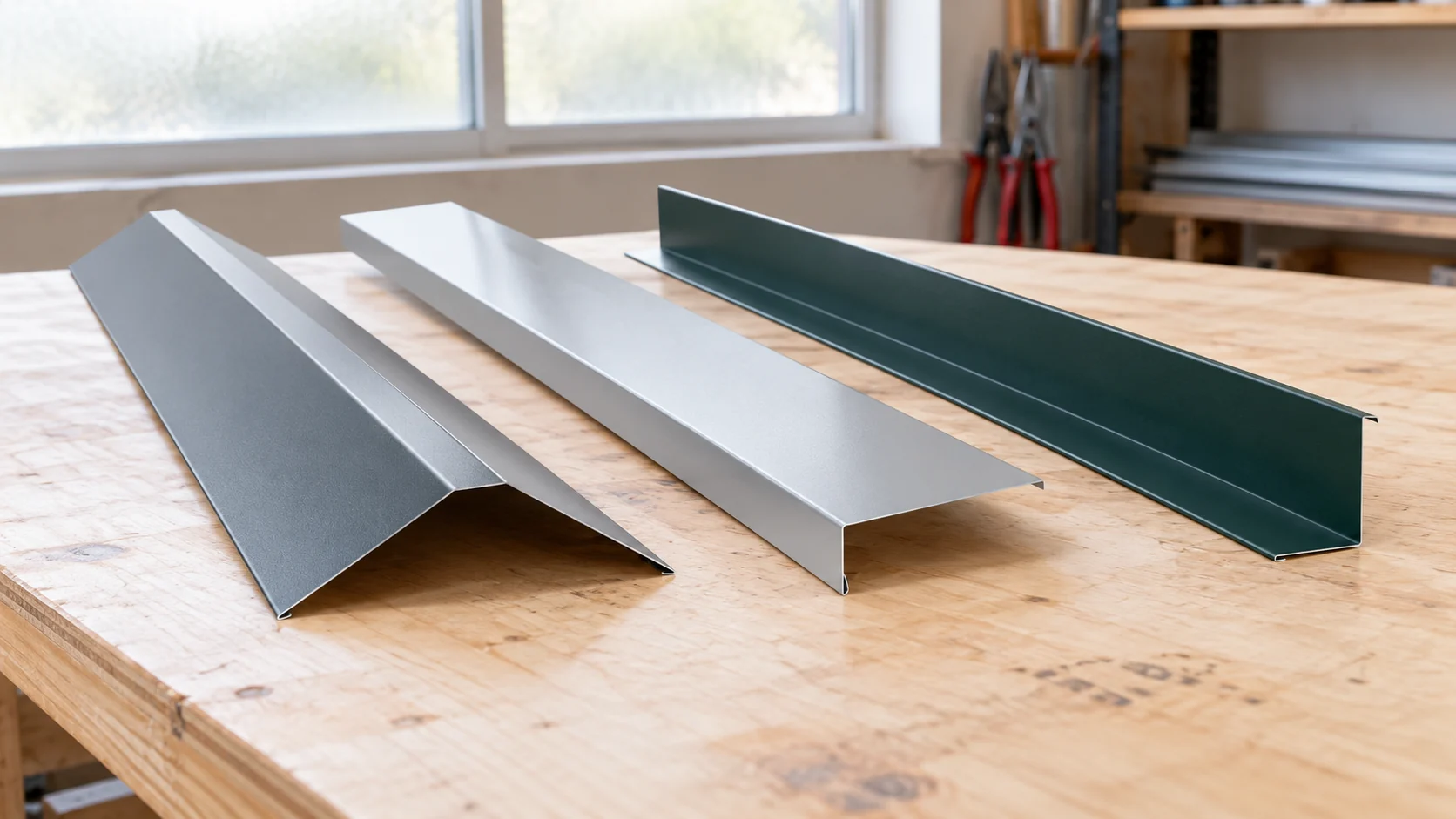
Flashings close the edges and guide water through difficult roof areas. A complete set cannot be selected from the roof surface area alone. A plan of edges, roof valleys and penetrations is needed. The easiest approach is to go over the roof on the drawing from the eaves to the ridge. For each section, note its length and purpose. In this zone, water from the covering must be directed into the gutter and the layers below properly terminated. The gutter apron and the fascia cover serve different purposes. Their presence and shape depend on the chosen detail. It is not worth ordering both simply because they have similar names.

2026-11-14T10:14:58+01:00

Metal tile-effect roofing or concrete tiles: what should you compare?

The choice between metal roof tiles and concrete roof tiles depends above all on how well the covering matches the roof structure, not on the price of the basic element alone. Check whether the design or the condition of the existing roof frame allows for the weight of the chosen covering together with the permanent layers and snow and wind loads. In a renovated building, weight is particularly important, so compare the finished covering over the same area, including accessories and flashings. Also consider the roof pitch, substrate requirements and installation method. Leave detailed technical decisions to the designer.

2026-11-14T16:29:36+01:00

Fibre cement roofing for a tractor and machinery shelter

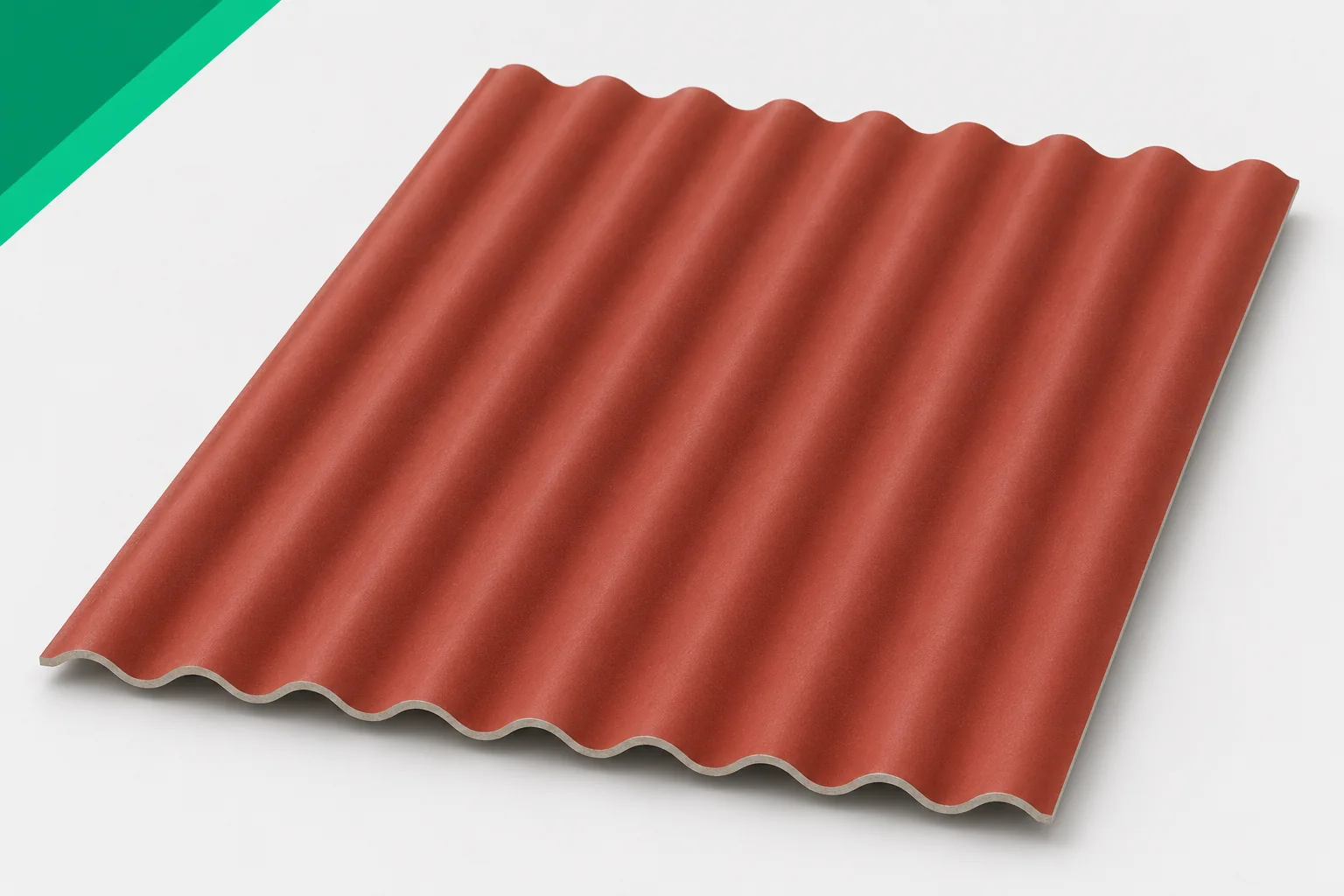
A machinery shelter is intended to protect equipment from precipitation and provide convenient access. Its roof, however, requires the same structural attention as the covering of an enclosed building. Fibre cement sheets can be a good choice for a simple roof slope. Asbestos-free fibre cement must be matched to the open structure, the dimensions and the intended use of the shelter. The design begins with the overall dimensions of the equipment and the manoeuvring routes. The tallest parts of the machines and the space needed to operate them must be taken into account. The gutter, flashing or projecting roof edge should not fall within the space through which the tractor passes. Collisions are a functional problem, not merely an aesthetic one. It is also worth planning for future equipment.

2026-11-15T18:28:53+01:00

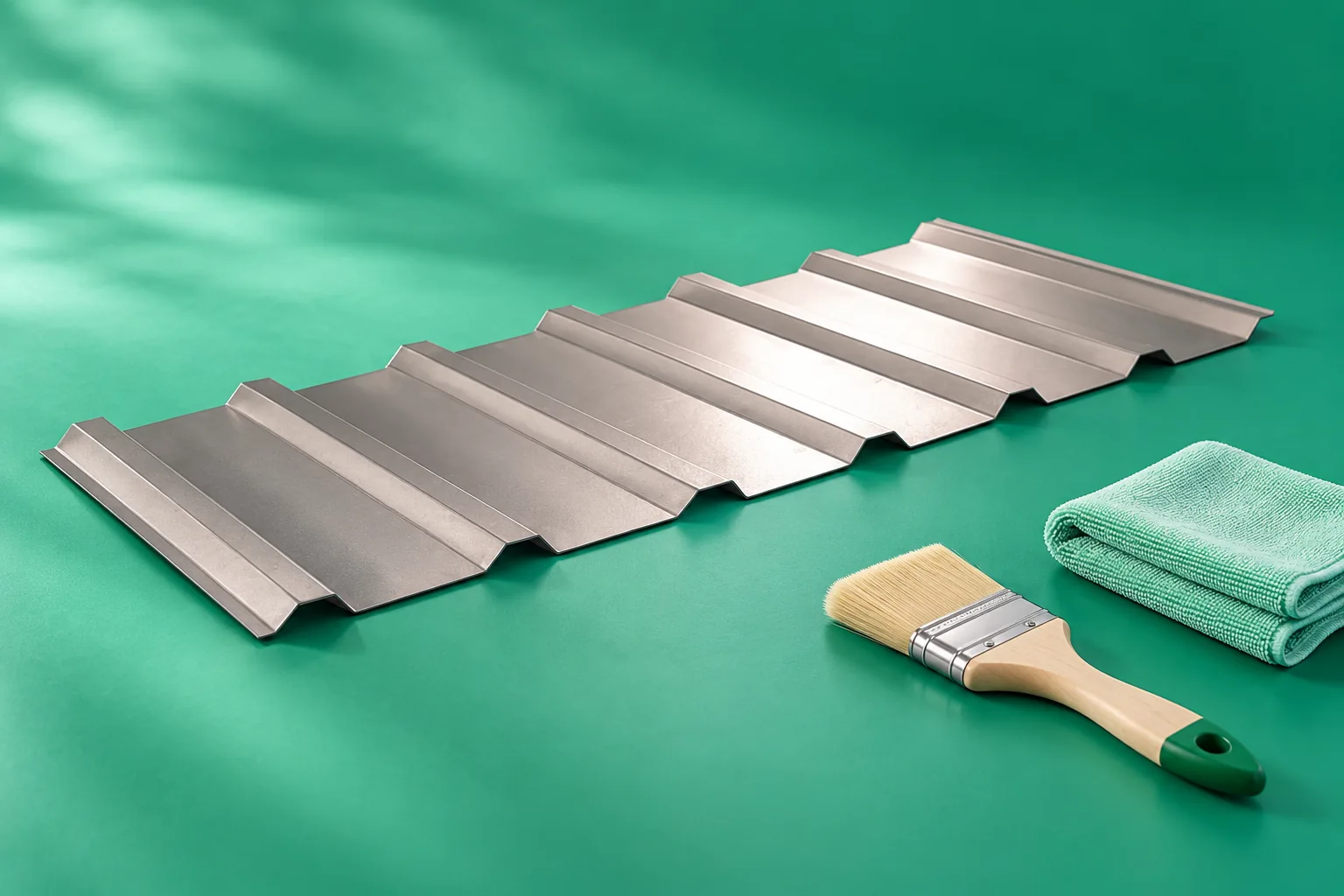
T18 or T35 trapezoidal steel sheet for a roof?

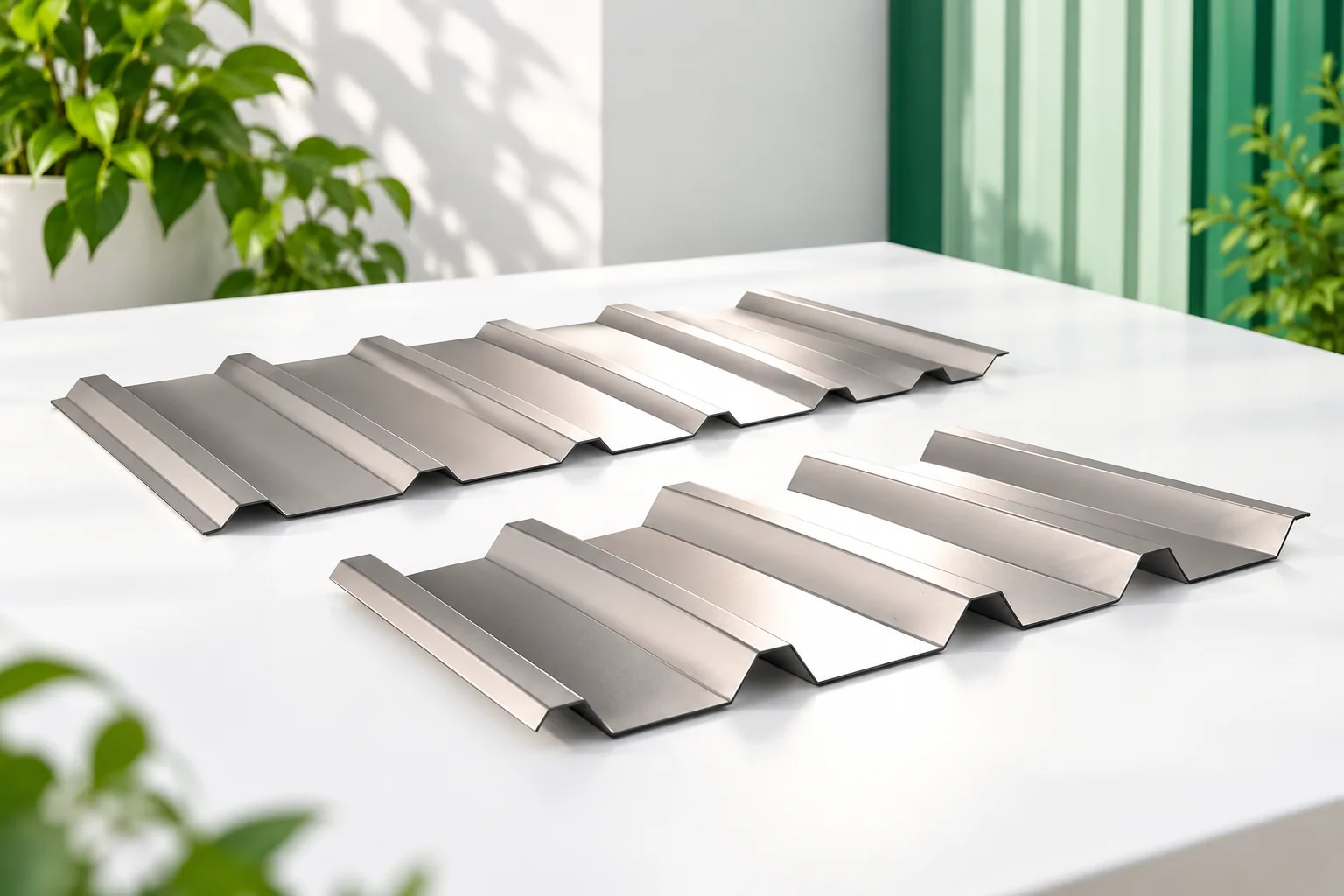
Choosing between T18 and T35 is not about which profile is better, but which suits the specific roof. Check the span, loads, pitch and the full geometry of the product, because the name alone does not determine load capacity or minimum pitch. Compare technical data sheets and complete roof variants, including coverage width and overlap edges. Note whether the intended use is roofing or cladding, and which side is coated. Leave the support spacing decision to the designer, and when replacing sheets, compare the entire cross-section with the existing material.

2026-11-14T23:29:18+01:00

What determines the cost of installing metal roof sheets?

Start by establishing exactly what the contractor is pricing. The final cost is shaped not only by the rate per square metre but also by the roof's shape, the preparation of the substrate and the number of details such as valleys or chimneys. Ask whether the quote covers just laying the sheets or a broader service including the battens, underlay and flashings. Clarify what surface area forms the basis for settlement – where there are many cuts, the metres of purchased sheeting may differ from the metres of finished covering. Request a clear indication of net or gross amounts and units.

2026-11-14T19:53:44+01:00