About PiVi

This author has not yet filled in any details.
So far PiVi has created 1593 blog entries.

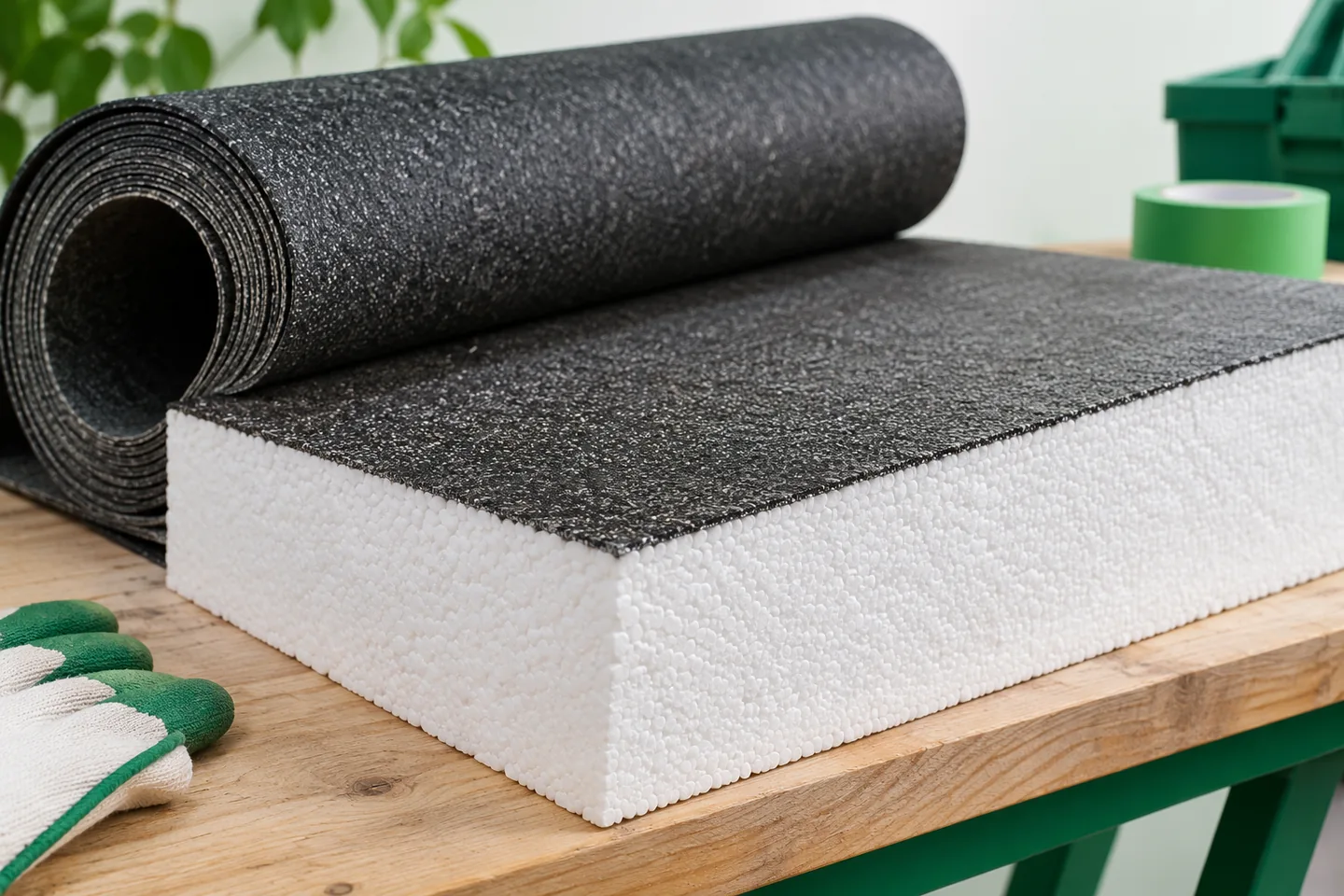
Combining bitumen roofing felt and EPS insulation safely

Bituminous membrane can be used on roofs insulated with EPS, but the technology must protect the polystyrene from temperature and from incompatible products. A system on ordinary boards is installed differently from one on polystyrene roofing boards (styropapa). Specific base layers, fixing methods and detail solutions are required. Simply covering EPS with bituminous membrane does not permit arbitrary welding. An ordinary roof board has a polystyrene surface. A polystyrene roofing board is a product in which an EPS core is bonded to a suitable bituminous facing. The laminate may be present on one or both sides. It has a specific type, dimensions and method of forming joints. An accidentally laid piece of bituminous membrane should not be treated as the equivalent of a factory-prepared board.
By |2026-11-16T06:08:17+01:002023-03-18|Construction basics|Comments Off on Combining bitumen roofing felt and EPS insulation safely

Roofing for a mixed farm: assess each building separately

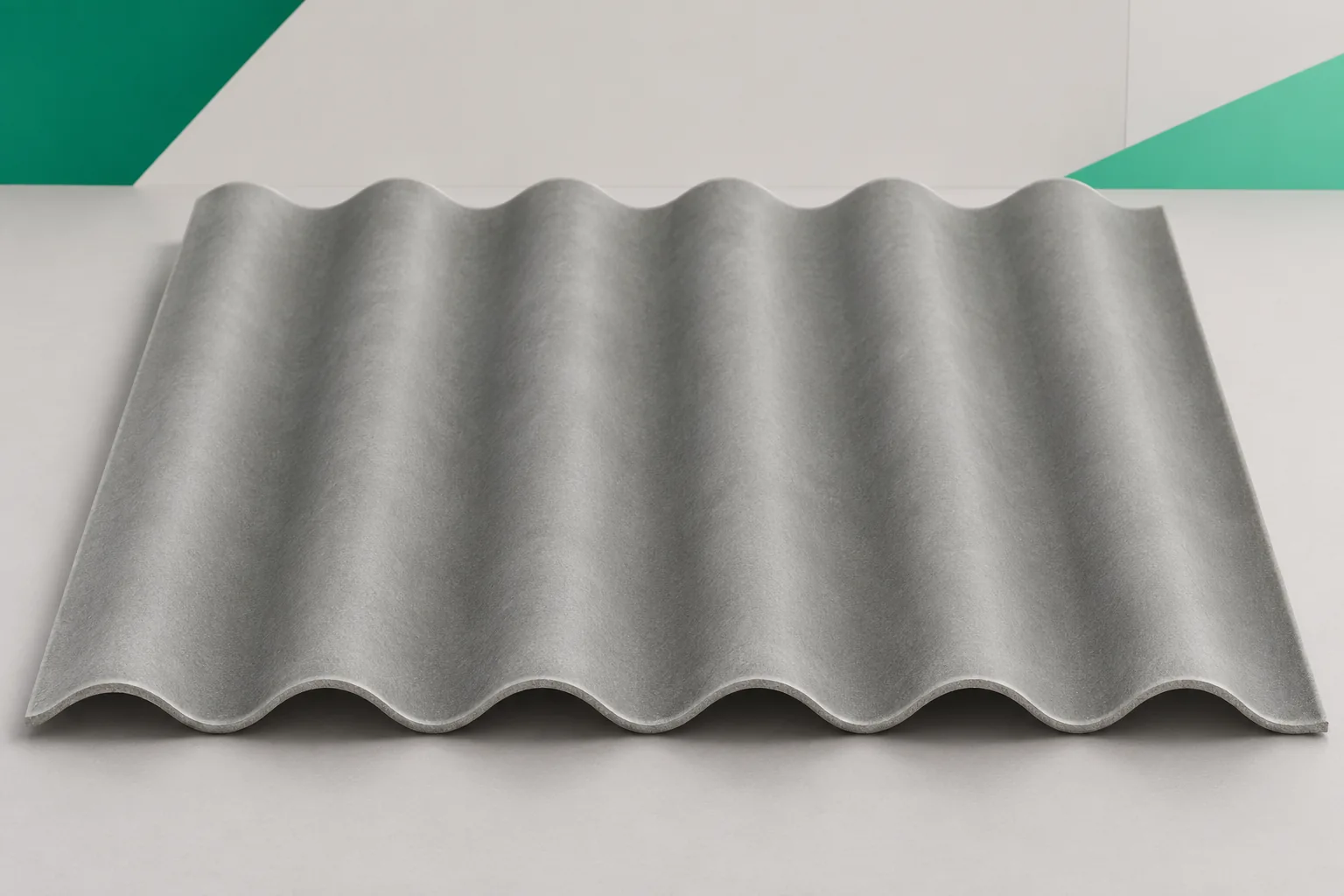
On a mixed farm, one roof shelters animals, another grain and a third machinery. Fibre cement sheets can be used in several of these places, but not always in an identical arrangement. Asbestos-free fibre cement should be assessed separately for each building. A joint order should not remove differences in requirements. The first step is to list the buildings with their intended use. For each one, it is worth noting whether it is heated, open, damp and intensively washed. Information on planned conversion is also needed. The total roof area alone does not allow a correct solution to be selected. For example, a shelter for equipment has different conditions from a cowshed with ventilation, and a feed store different ones from a workshop.

By |2026-11-16T01:30:45+01:002023-03-17|Construction basics|Comments Off on Roofing for a mixed farm: assess each building separately

When is it worth considering a 150 or 200 mm mineral wool wall?

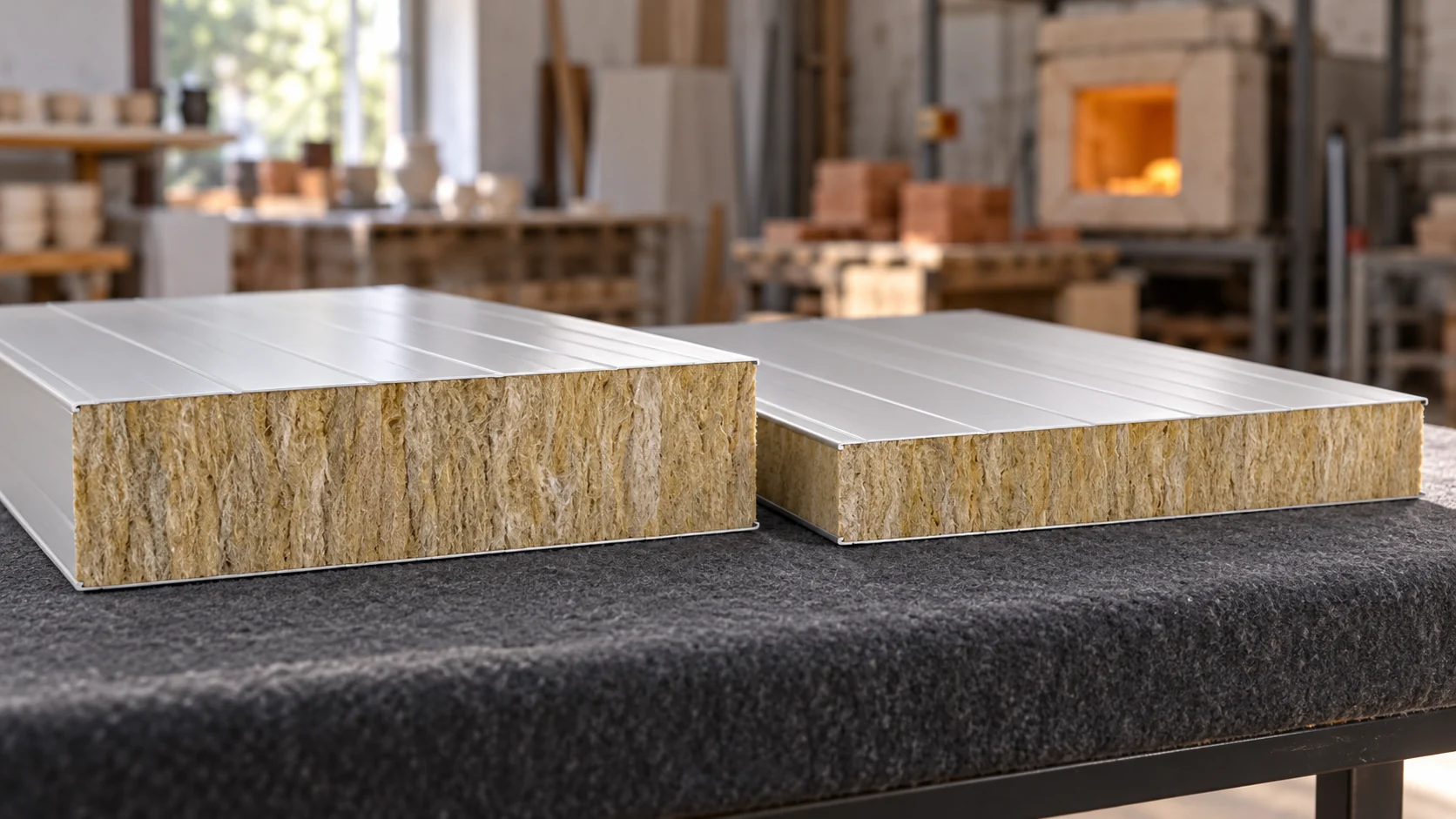
A thicker mineral wool panel can reduce heat loss and meet specific project requirements. At the same time, it increases weight, changes detailing and requires adjustment of openings. The choice between 150 and 200 mm is best considered using the whole workshop as an example. A larger dimension alone does not automatically mean the best insulation or the highest fire class. In a room for manual work used all year round, the wall affects comfort and energy losses. However, the roof, floor, windows and ventilation must also be taken into account. If a large door is frequently left open, additional core thickness will not compensate for its impact. A consistent description of use is needed.

By |2026-11-14T10:16:15+01:002023-03-01|Construction basics|Comments Off on When is it worth considering a 150 or 200 mm mineral wool wall?

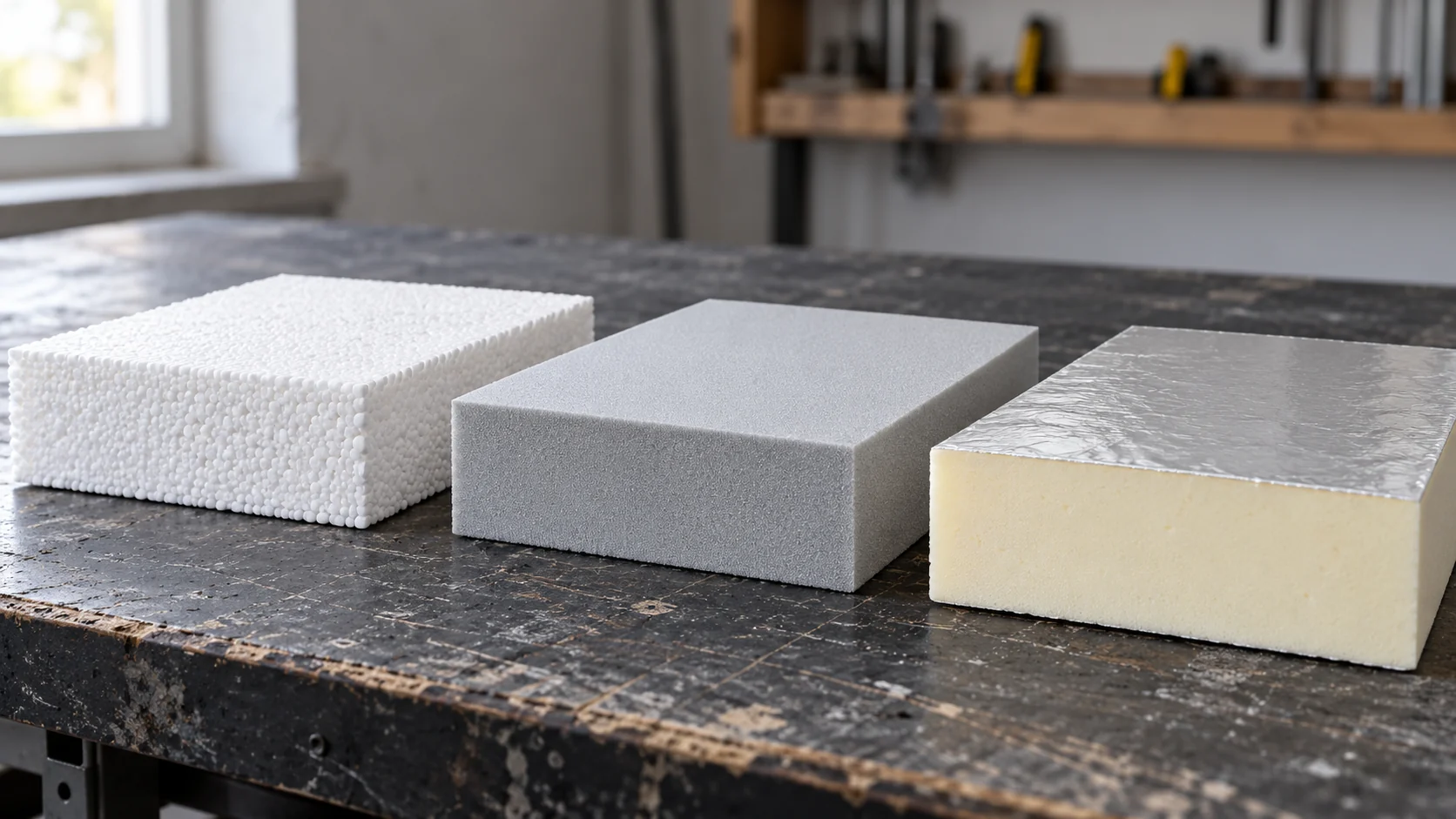
EPS, XPS or PIR: how to match insulation to the location in the building?

No single insulation material is best for every part of a building. On the façade, compatibility with the system and the finish matter; at ground level, contact with water; and in the floor, loads. EPS, XPS and PIR must be compared as specific products for a specific location. The name of the plastic alone or a favourable lambda does not complete the selection. Insulation under the floor of a workshop performs differently from that in the wall of a room. In the first case, pressures from the floor slab and equipment matter; in the second, continuity of insulation and the finish. The plinth and inverted roof also bring contact with water.

By |2026-11-14T12:35:08+01:002023-03-01|Construction basics|Comments Off on EPS, XPS or PIR: how to match insulation to the location in the building?

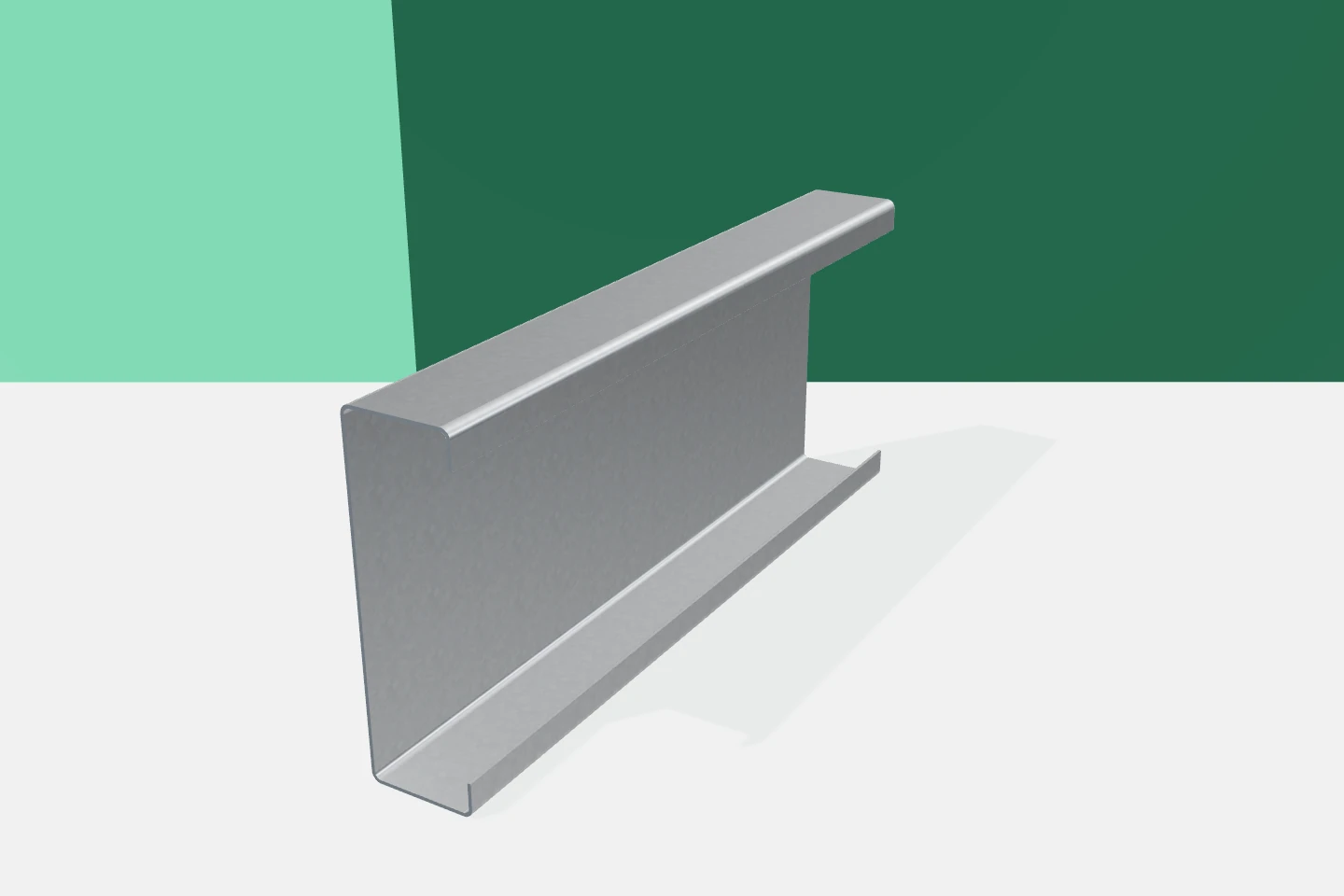
Galvanised steel sections: protecting the coating during construction

Galvanising protects steel, but its durability also depends on service conditions and workmanship. Galvanised profiles can be damaged even before the first sheet is screwed on. It also happens that correctly delivered material ends up in an environment different from the one assumed when the order was placed. Protection should therefore be considered from specification through to acceptance of the building envelope. This applies to Z-sections, C-sections, sigma and omega profiles. The order must specify the type of coating and its designation. The manufacturing technology also matters. Profiling pre-coated strip and galvanising the finished element are different processes. One should not assume that their effect will be identical in every detail.

By |2026-11-15T18:24:53+01:002023-02-27|Construction basics|Comments Off on Galvanised steel sections: protecting the coating during construction

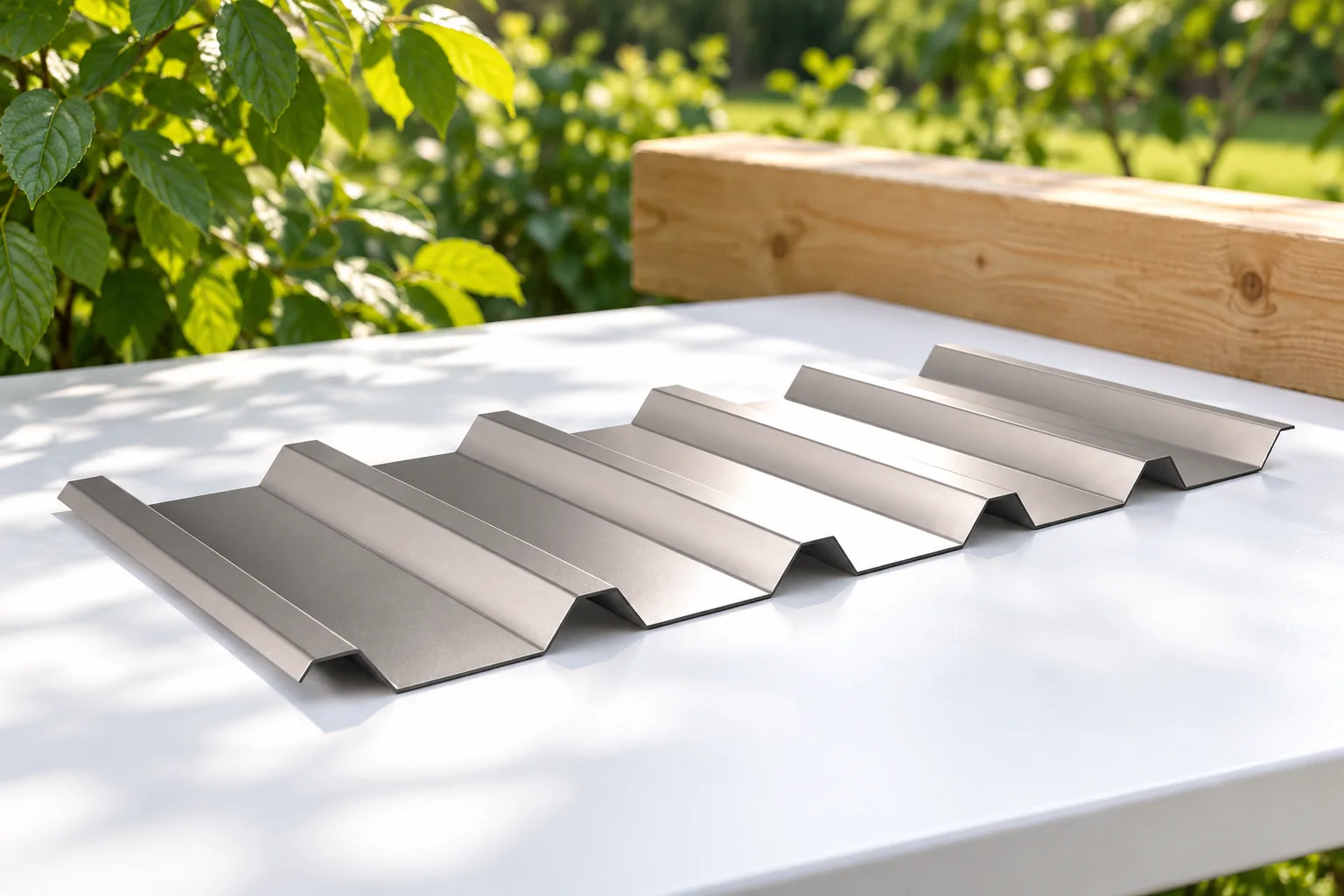
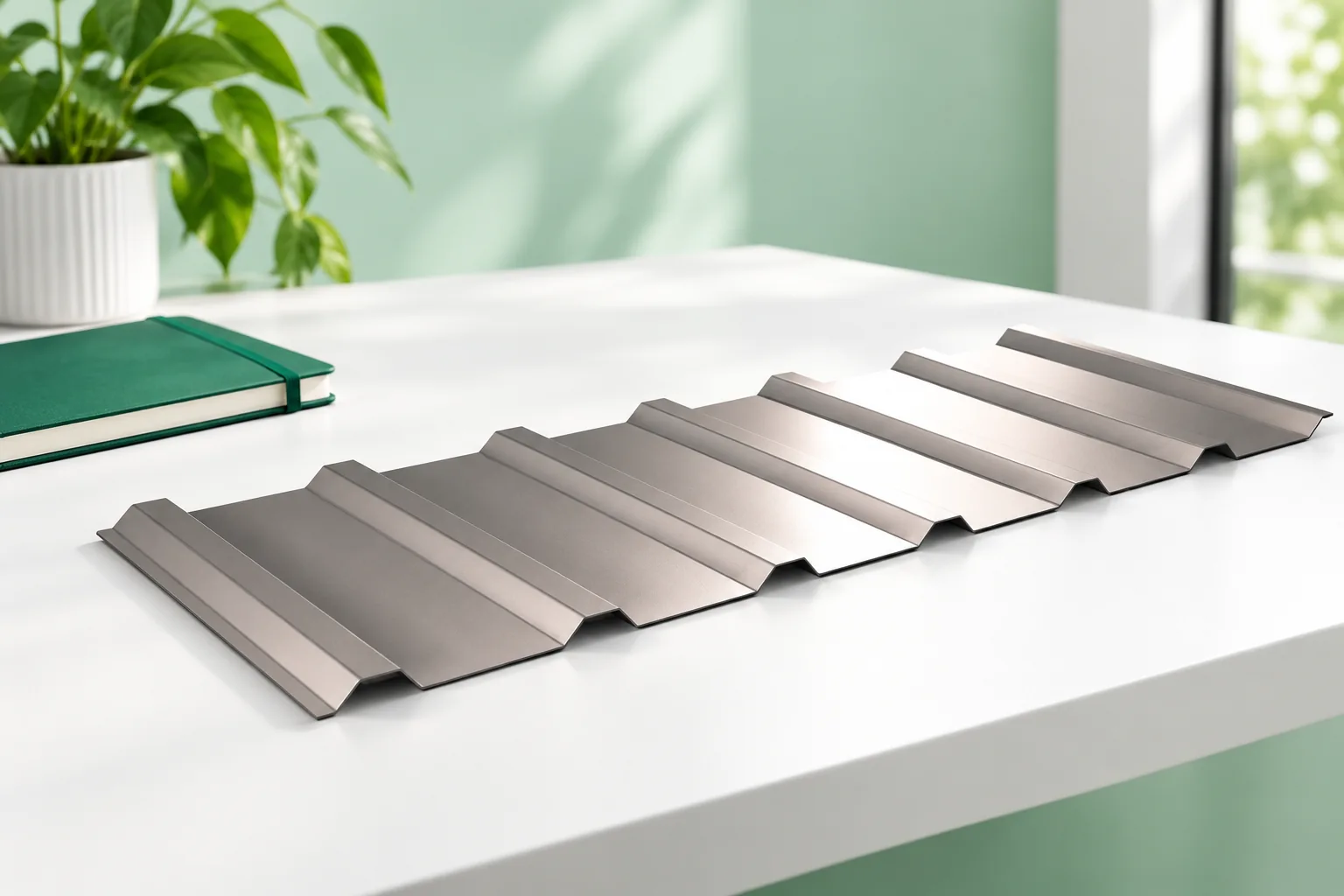
Choosing trapezoidal steel sheets for an open-sided shelter

The choice of trapezoidal sheet for a canopy roof depends primarily on the support spacing and expected loads, not on the profile designation alone. Before ordering, it is worth establishing what task the canopy is to perform – whether to protect a car, stored wood, or a work station – and whether the sides are planned to be enclosed in the future. Check whether the selected profile and sheet thickness match the actual support conditions, and also consider condensation, noise during rainfall, and the fixing method. These factors will help avoid incorrect assumptions.

By |2026-11-14T23:24:56+01:002023-02-26|Construction basics|Comments Off on Choosing trapezoidal steel sheets for an open-sided shelter

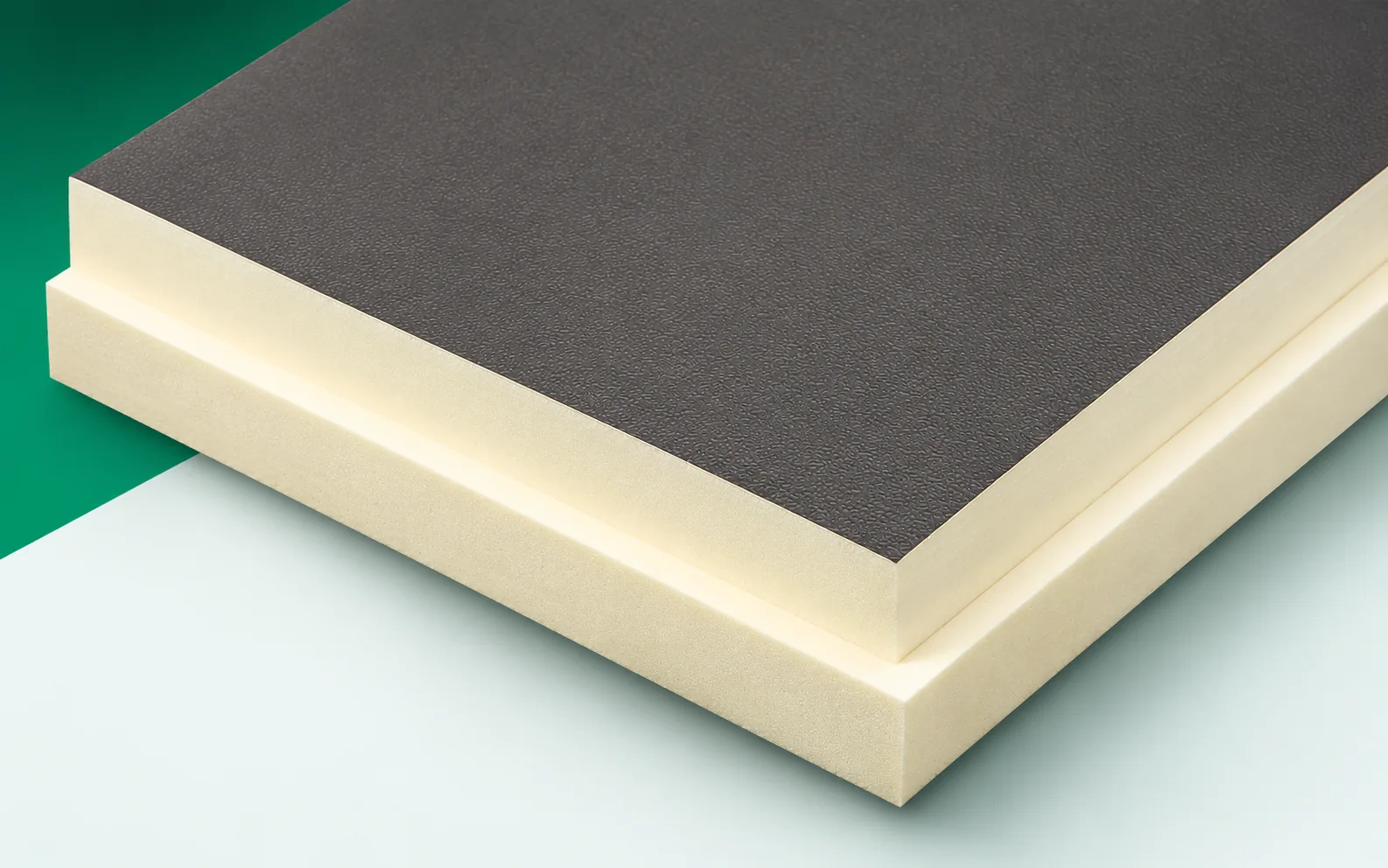
Quality checks for swissporPIR Alu: from the substrate to covering the boards

The swissporPIR Alu layer can only fulfil its function if the boards arrive at installation in an appropriate condition. The rigid core and thin facings require protection during transport, storage and cutting. Moisture, dust or a damaged edge change the conditions for making the next joint, even if the marking on the packaging is correct. The guide leads from acceptance of the delivery through preparation of the substrate to the inspection before covering. It also discusses the organisation of the reserve on the roof and the sequence of deliveries. Assessment of the actual thickness, continuity of the core and the contact surface with the next layer supplements the declared parameters of this PIR insulation.

By |2026-11-16T06:07:02+01:002023-02-19|Construction basics|Comments Off on Quality checks for swissporPIR Alu: from the substrate to covering the boards

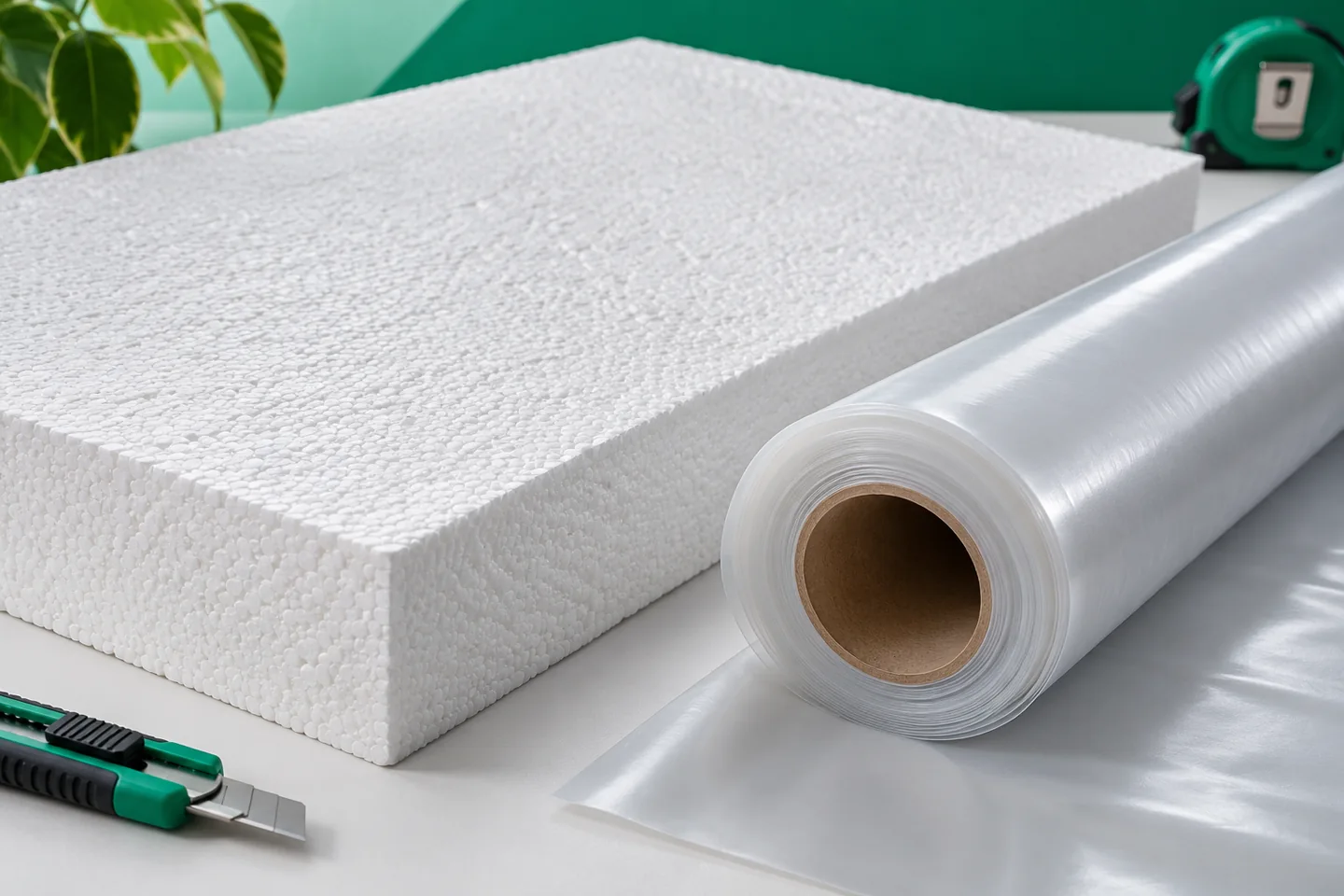
Choosing a vapour control layer beneath EPS roof insulation

The vapour control layer under polystyrene is selected to suit the whole roof and the conditions in the rooms. What counts is the resistance to water vapour diffusion, but also the airtightness of the joints. The same membrane does not have to perform equally well above a dry warehouse and a damp back room. The design must specify the particular function of the layer and how its edges and penetrations are to be formed. The layer referred to as a vapour control layer limits the transmission of water vapour by diffusion. Its effectiveness is described by parameters, not by the trade name alone. In many solutions it also helps to provide airtightness. These are two related but different tasks. A material with high diffusion resistance will not fulfil the second of these if the laps have been left open.

By |2026-11-16T06:08:13+01:002023-02-19|Construction basics|Comments Off on Choosing a vapour control layer beneath EPS roof insulation

How does a metallic coating protect steel sheet?

The metallic protective layer in coated steel sheet separates the steel core from its surroundings and, together with the other coatings, helps limit corrosion. When buying, it is most important to establish its type, since this determines the scope of protection rather than colour alone. The specification should distinguish information about the steel, the metallic layer and the organic coating. During installation, edges must be protected, filings removed and approved tools used. Zinc will not protect every scratch indefinitely, so correct detailing and subsequent care also matter.

By |2026-11-14T16:30:49+01:002023-02-18|Construction basics|Comments Off on How does a metallic coating protect steel sheet?

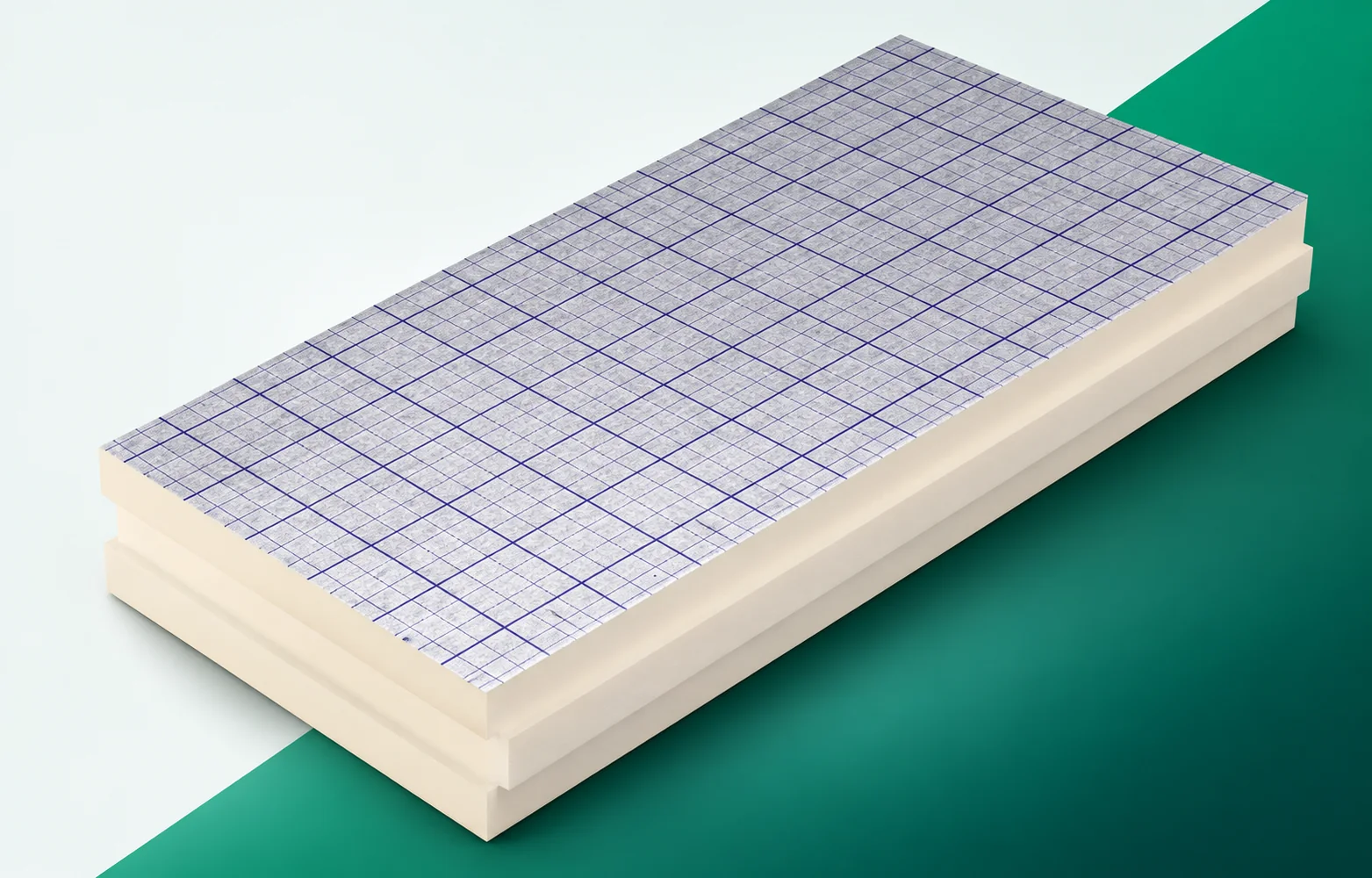
BauderPIR FA beneath waterproofing: rebated edges, support and fixing

The large-format FA board rests on the substrate specified in the roof design. The rebates help to align the joints, but they do not make the boards a self-supporting covering. The support and fixing requirements of the selected system must be observed. The drawing should separate the board layout from the load path into the structure. The BauderPIR FA scope must be described together with the layers adjoining its surface. An important junction detail is the milled edge of the large-format board. The basis for coordination is a row plan based on the effective board dimension. Before selecting materials, the actual coverage area and the widths of the perimeter strips must be determined so that the sequence of layers has a real reference.

By |2026-11-16T01:36:22+01:002023-02-14|Construction basics|Comments Off on BauderPIR FA beneath waterproofing: rebated edges, support and fixing